
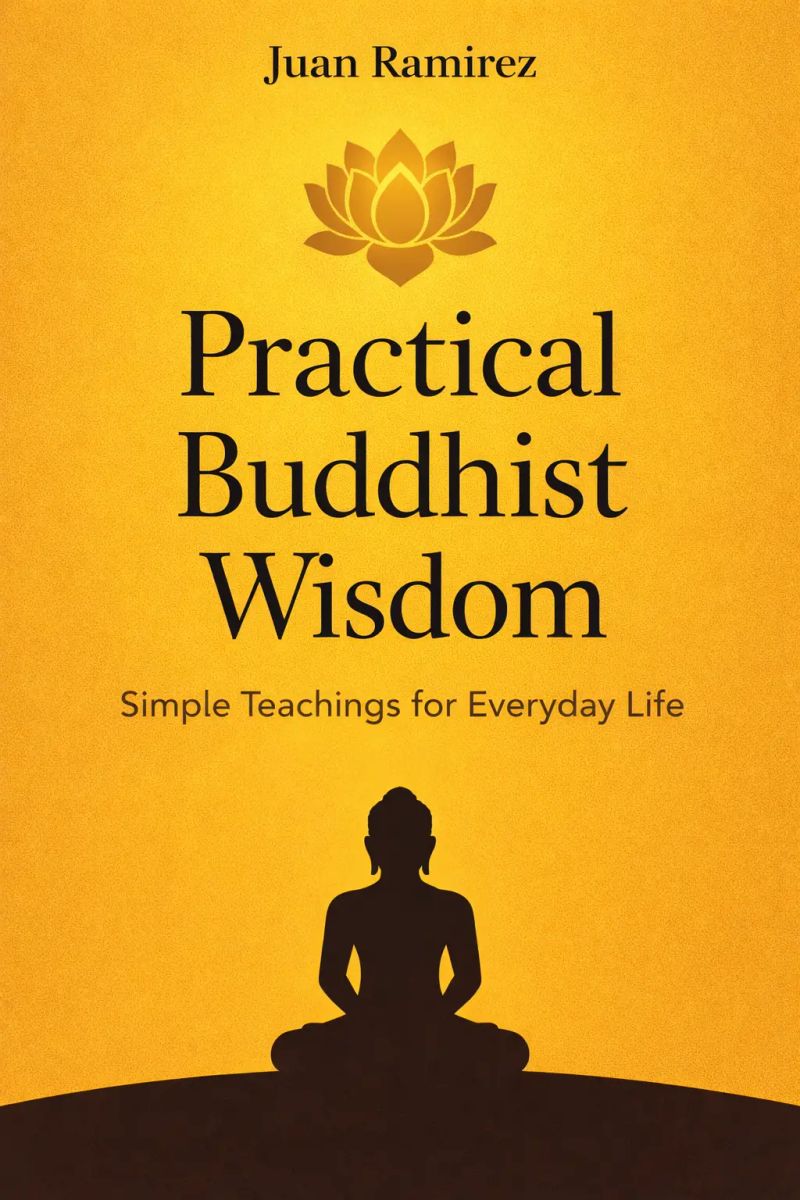
Practical Buddhist Wisdom
Simple Teachings for Everyday LifeBy Juan Ramirez


Length1h 14m
About this audiobook
Practical Buddhist Wisdom is a simple guide to working with your thoughts, emotions, and daily challenges with greater clarity and compassion. Drawing from timeless Buddhist teachings, this book focuses on practical insights rather than philosophy, showing how small shifts in awareness can reduce stress and unnecessary suffering. You’ll learn how to recognize when thoughts are creating anxiety, separate facts from mental stories, pause before reacting, and let go of comparison and self-criticism. Each chapter includes practical exercises to help you apply these teachings in everyday life. The book also includes a flexible 30-Day Self-Compassion Retreat designed to help you develop mindfulness, emotional resilience, and a kinder relationship with yourself—at your own pace.
Audiobook details
GenreSelf-Help, Spirituality and Religion
Length1 hr 14 mins
Narrated byListen with 1,000+ voices
FormateBook with Audio
Publish dateMar 9, 2026
LanguageEnglish
Table of contents
1Practical Buddhist Wisdom
2Dedication
3Opening Quote
4A Short Note to the Reader
5Introduction: Why Practical Buddhist Wisdom Still Matters
Show all chaptersShow less
6Part I: Understanding the Mind: (Untitled)
7Chapter 1
8Thoughts Are Not Facts
9Practical Exercises for Working with Thoughts
10In the Buddha’s Own Words
11A Simple Reminder
12Chapter 2
13The Mind Creates Stories
14Practical Exercises for Recognizing Mental Narratives
15In the Buddha’s Own Words
16A Simple Reminder
17Chapter 3
18What You Resist Persists
19Practical Exercises for Accepting Reality
20In the Buddha’s Own Words
21A Simple Reminder
22Part II: Understanding Emotions
23Chapter 4
24Anger Begins with Expectation
25Practical Exercises for Working with Anger
26In the Buddha’s Own Words
27A Simple Reminder
28Chapter 5
29Anxiety Lives in the Future
30Practical Exercises for Calming the Mind
31In the Buddha’s Own Words
32A Simple Reminder
33Part III: Living with Clarity
34Control What You Can Influence
35Practical Exercises for Focusing on What You Can Control
36In the Buddha’s Own Words
37A Simple Reminder
38Chapter 8
39Pause Before Reacting
40Practical Exercises for Pausing Before Reacting
41In the Buddha’s Own Words
42A Simple Reminder
43Chapter 9
44Small Actions Change the Mind
45Practical Exercises for Creating Positive Momentum
46In the Buddha’s Own Words
47A Simple Reminder
48Chapter 10
49Clarity Comes from Observation
50Practical Exercises for Developing Clarity Through Observation
More from Juan Ramirez
Learning to PrayJames Martin13h 24m4.5 (3.4K)$33 · $0.00

Finding MeViola Davis9h 15m4.6 (256.4K)$29 · $0.00
Spiritual AnatomyDaaji Kamlesh D. Patel9h 47m4.7 (319)$29 · $0.00

The Dangerous Truth about Today’s MarijuanaLaura Stack CSP, MBA9h 57m4.7 (385)$20 · $0.00
The Gospel according to Spiritualism (Translated)Allan Kardec14h 39m4.6 (3.9K)$5.70 · $0.00

Birdie & HarlowTaylor Wolfe7h 50m4.6 (6.5K)$26 · $0.00

CrossroadsKaleb Dahlgren7h 56m4.6 (4.9K)$26 · $0.00

Life on the BridgeKaelynn Partlow5h 40m4.6 (1.1K)$24 · $0.00

Keep Your Love OnDanny Silk9h 4m4.6 (8.1K)$10 · $0.00
The Tao of Joy Every DayDerek Lin10h 24m4.6 (762)$20 · $0.00
UndividedVicky Beeching9h 2m4.6 (1.3K)$29 · $0.00

HE CAN WHO THINKS HE CAN & OTHER BOOKS ON SUCCESSOrison Swett Marden5h 54m4.6 (1.2K)$1.99 · $0.00
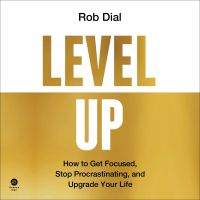
Level UpRob Dial7h 42m4.6 (3.3K)$26 · $0.00

Burn the HaystackJennie Young, PhD9h 30m4.6 (543)$29 · $0.00

ACRES OF DIAMONDS: Our Every-day Opportunities (Wisdom & Empowerment Series) (Annotated)Russell Conwell2h 26m4.6 (1K)$2 · $0.00

Good InsideBecky Kennedy9h 55m4.5 (59.3K)$29 · $0.00

The Lost VoiceGreta Morgan8h 30m4.7 (285)$26 · $0.00

Stripped DownBunnie Xo8h 25m4.5 (32.9K)$26 · $0.00

UnthinkableJamie Raskin15h 8m4.5 (9.3K)$8 · $0.00

Wallace D. Wattles Ultimate Collection Wallace D. Wattles16h 53m4.6 (1.3K)$1 · $0.00

Loved BabySarah Philpott4h 51m4.8 (1.4K)$10 · $0.00

The QuranAllah23h 7m4.7 (136.1K)$1 · $0.00

The Secret of the RosaryLouis de Montfort6h 1m4.7 (16K)$2 · $0.00

The Holy Qur-an: Text, Translation and CommentaryAbdullah Yusuf Ali22h 16m4.7 (133K)$1 · $0.00

All of Grace (Annotated)Charles Spurgeon5h 1m4.7 (1.3K)$1.99 · $0.00

Steps to ChristEllen G. White3h 12m4.7 (13.8K)$2 · $0.00

The Doctrine and Selected CovenantsJoseph Smith13h 53m4.7 (10.4K)$1.99 · $0.00

Sinners in the Hands of an Angry God & Other Sermons (Annotated)Jonathan Edwards7h 51m4.7 (1.5K)$2 · $0.00
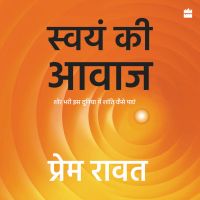
Swayam Ki AwaazPrem Rawat8h 34m4.7 (1.1K)$26 · $0.00

Behind the BadgeAdam Davis10h 18m4.7 (2.7K)$10 · $0.00

The New Human Revolution, vol. 1Daisaku Ikeda7h 46m4.7 (669)$12 · $0.00

You Are Worth ItKyle Carpenter, Don Yaeger8h 53m4.7 (4.8K)$29 · $0.00
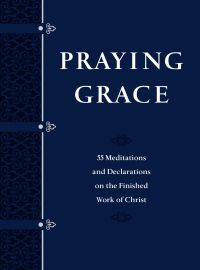
Praying GraceDavid A. Holland3h 2m4.7 (658)$10 · $0.00

Evidence Not SeenDarlene Deibler Rose11h 11m4.6 (11.9K)$29 · $0.00

The Christ KeyChad Bird, Chad Bird7h 33m4.7 (592)$17.40 · $0.00

He and IGabrielle Bossis10h 12m4.7 (554)$17 · $0.00
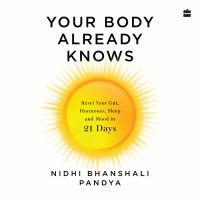
Your Body Already KnowsNidhi Pandya Bhanshali9h 7m4.7 (360)$16 · $0.00

The Complete WorksFlorence Scovel Shinn7h 59m4.6 (6.6K)$2 · $0.00
Driven by EternityJohn Bevere3h 50m4.6 (3.2K)$10 · $0.00
Spiritual AnatomyDaaji Kamlesh D. Patel9h 47m4.7 (319)$29 · $0.00
You may also like

Above Lifes TurmoilJames Allen2h 12m4.1 (1.3K)$2.30 · $0.00

The Hormone Balance BibleShawn Tassone15h 38m4.0 (646)$33 · $0.00

How to Write Non-FictionJoanna Penn5h 30m4.5 (1.9K) Only with Ultra
Meditation Made EasyLorin Roche1h 35m4.2 (409)$16 · $0.00

A Series of Lessons in Raja YogaWilliam Walker Atkinson8h 53m4.1 (559)$2 · $0.00

The Science of Breath (translated)William Walker Atkinson2h 37m4.1 (3K)$4.60 · $0.00

That's What She SaidJoanne Lipman8h 29m4.1 (1.8K)$26 · $0.00

A Buddhist BibleDwight Goddard7h 53m4.2 (1.3K)$1.20 · $0.00
The Essential EnneagramDavid Daniels, Virginia Price4h 30m4.0 (4.4K)$20 · $0.00

How to Live on 24 Hours a DayArnold Bennett2h 4m3.6 (10.2K)$2 · $0.00
Personal GrowthSteve Pavlina1h 30m4.1 (5.1K)$12 · $0.00

The Call Of The WombEduarda Santos5h 37m$7 · $0.00

Mindfulness in Your Everyday LifeAdrian Tanase6h 24m$14 · $0.00
The Power of Feminine EnergyAmelia Vazquez1h 53m4.4 (124)$14.99
Your Subconscious PowerCharles M. Simmons8h 23m4.2 (87)$4 · $0.00

The Mind Beauty FarmRona Persichetti3h 46m$8.10 · $0.00
20 Zen Lessons For OverthinkersNaomi Mori1h 46m$5.70 · $0.00
The 28 Mental LawsSara Melo4h 47m$1.80 · $0.00

Easy Everyday Meditations, Mindfulness, and PranayamasSue Fuller3h 46m$15
CONNECTED THROUGH THE SPIRIT WITHINElias Innerwell2h 55m$19 · $0.00