
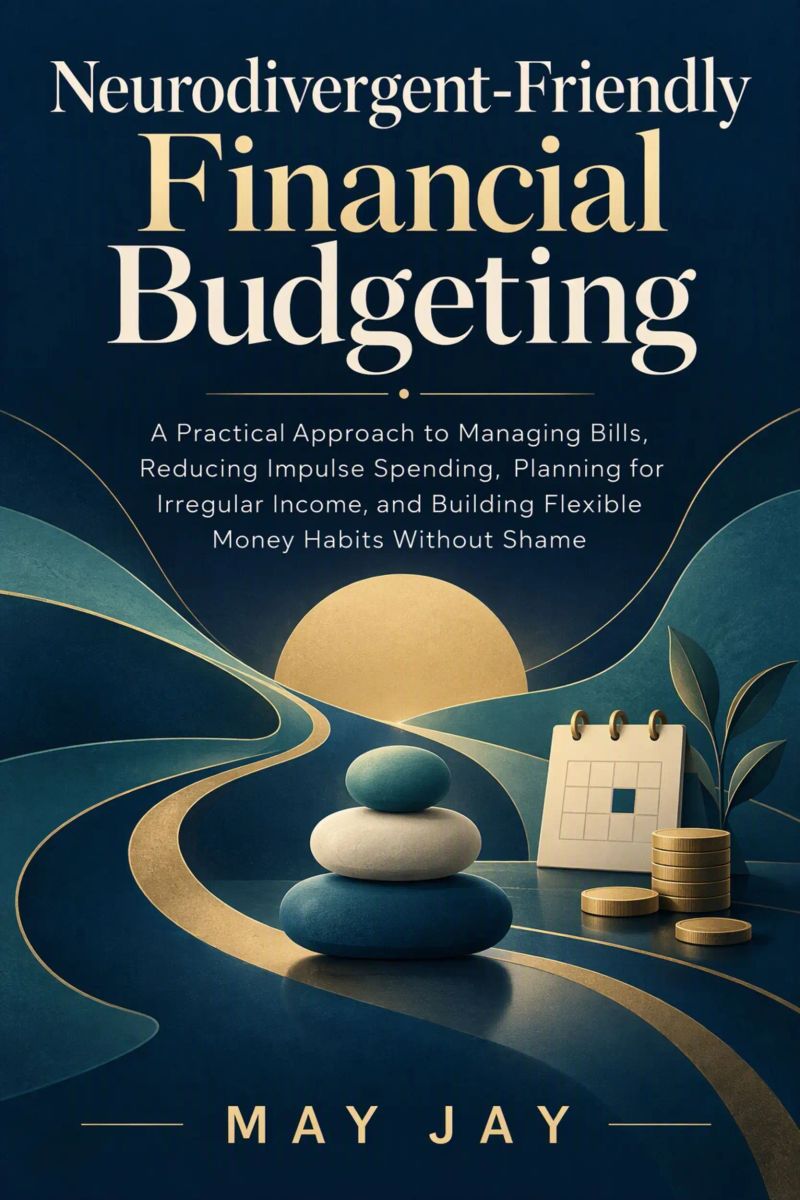
Neurodivergent-Friendly Financial Budgeting
A Practical Approach to Managing Bills, Reducing Impulse Spending, Planning for Irregular Income, and Building Flexible Money Habits Without ShameBy MAY JAY


Length5h 35m
About this audiobook
Traditional budgets can feel exhausting when attention, energy, memory, or sensory needs affect daily life. This compassionate book helps you understand your spending patterns and create a simpler system that fits your circumstances. Explore realistic expense categories, payment reminders, accessible routines, savings reserves, and ways to restart after setbacks. Through fictional examples and clear explanations, discover how to protect essentials, prepare for uncertain months, communicate about shared expenses, and seek appropriate support. Designed for adults who struggle with conventional methods, this book encourages informed decisions, greater clarity, and steady progress while respecting individual differences and the realities of limited resources.
Audiobook details
GenreBusiness and Economics
Length5 hrs 35 mins
Narrated byListen with 1,000+ voices
FormateBook with Audio
Publish dateOct 4, 2026
LanguageEnglish
Table of contents
1A Practical Approach to Managing Bills, Reducing Impulse Spending, Planning for Irregular Income, and Building Flexible Money Habits Without Shame
2Introduction — A Budget That Fits the Way You Live
3Why Conventional Budgeting Advice Can Be Difficult to Follow
4Understanding Neurodivergence Without Assuming Everyone Has the Same Needs
5The Connection Between Attention, Energy, Emotions, and Money
Show all chaptersShow less
6Separating Financial Difficulties from Personal Worth
7What This Book Offers
8How to Use the Book
9Educational Purpose and the Limits of General Financial Information
10A Different Starting Point
11Chapter 1 — Understanding Your Relationship with Money
12The Money Messages You Grew Up With
13How Shame and Past Mistakes Influence Present Decisions
14Responsibility Without Self-Punishment
15Executive Functioning and the Demands of Managing Finances
16Finding the Point Where the Task Breaks Down
17Time Blindness, Working Memory, and Forgotten Obligations
18Sensory Needs, Convenience, and Spending Choices
19The Difference Between Support and Avoidance
20Recognizing Your Strengths Alongside Your Difficulties
21Identifying the Situations in Which Money Becomes Overwhelming
22Choosing Your First Adjustment
23Daniel’s Next Step
24Chapter 2 — Getting a Clear Picture Without Becoming Overwhelmed
25Choosing a Manageable Starting Point
26Define the Period You Are Looking At
27Finding Your Income
28Finding Account Balances
29Protect Your Information While Gathering It
30Finding Essential Bills
31Reviewing Spending in Short, Focused Sessions
32Distinguishing Types of Expenses
33Planned Changes Are Not Completed Changes
34Identifying Subscriptions and Overlooked Commitments
35Estimating Expenses When Records Are Incomplete
36Use Ranges Where They Help
37Creating a Simple Financial Snapshot
38Checking the Timing of Money
39What If the Numbers Show a Shortage?
40Keep the Snapshot Separate from Self-Judgment
41Knowing When You Have Enough Information to Begin
42Avoiding the Perfect-Records Trap
43Leah’s Revised View
44Your Next Financial Decision
45Chapter 3 — Building a Budget with Fewer Decisions
46What a Budget Needs to Accomplish
47Planning from the Income You Can Reasonably Expect
48Protecting Essential Expenses First
49Separate the Importance of an Expense from Its Payment Method
50Choosing Broad Categories Instead of Tracking Every Detail
More from MAY JAY




Never Split the DifferenceChris Voss, Tahl Raz8h 7m4.4 (277.7K)$26 · $0.00

The Intelligent Investor Rev Ed.Benjamin Graham17h 48m4.3 (191.5K)$40 · $0.00

The Hard Thing About Hard ThingsBen Horowitz7h 57m4.2 (134.3K)$26 · $0.00

Boundaries for LeadersHenry Cloud7h 36m4.3 (3.6K)$26 · $0.00

Eat It!Jordan Syatt, Michael Vacanti4h 40m4.6 (1.5K)$20 · $0.00

Progress and Poverty, Volumes I and II (Annotated)Henry George19h 21m4.6 (574)$1.99 · $0.00

Not Everything Counts but Everything Matters: The powerful and inspirational new book about leadership and achieving success from the visionary multi-premiership winning Panthers coachIvan Cleary6h 1m4.6 (680)$24 · $0.00
BuildTony Fadell11h 5m4.5 (14.3K)$8 · $0.00

The Joys Of CompoundingGautam Baid17h 34m4.5 (2.5K)$18 · $0.00
Basic EconomicsThomas Sowell18h 32m4.5 (29.3K)$28 · $0.00

Poor Charlie’s AlmanackGrover Gardener, Charles T. Munger13h 9m4.5 (24.7K)$18 · $0.00

The Ambuja StoryNarotam Sekhsaria13h 59m4.5 (830)$33 · $0.00

The Secret Door to SuccessFlorence Scovel Shinn2h 25m4.5 (2.1K)$1.20 · $0.00

This Is Going to HurtAdam Kay5h 47m4.4 (444.7K)$24 · $0.00

Big TrustShadé Zahrai, Fayçal Sekkouah8h 36m4.6 (406)$26 · $0.00

The Intelligent Investor Third EditionBenjamin Graham, Jason Zweig20h4.4 (156.6K)$46 · $0.00

Bottle of LiesKatherine Eban14h 25m4.4 (12K)$33 · $0.00

The Antiracist Business BookTrudi Lebrón6h 10m4.6 (275)$17 · $0.00

The FormulaJoshua Robinson, Jonathan Clegg10h 41m4.4 (6.9K)$29 · $0.00

Let Them LeadJohn U. Bacon7h 10m4.5 (1.4K)$24 · $0.00
You may also like

Secrets of the Millionaire MindT. Harv Eker3h 16m4.2 (89.5K)$18 · $0.00

THE POWER OF CONCENTRATIONWilliam Walker Atkinson5h 15m4.0 (4.7K)$1.99 · $0.00

Tiny TraumasMeg Arroll9h 30m3.8 (1.9K)$29 · $0.00
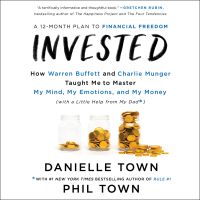
InvestedDanielle Town, Phil Town10h 19m4.2 (5.1K)$29 · $0.00

Grow Rich While You SleepBen Sweetland7h 46m4.1 (2.4K)$5.10 · $0.00

Think and Grow RichNapoleon Hill10h 45m4.2 (505.2K)$4.60 · $0.00
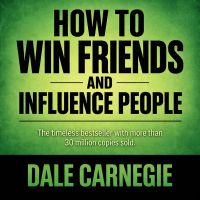
How To Win Friends and Influence PeopleDale Carnegie9h 16m4.2 (1.3M)$8 · $0.00

Secrets of the Millionaire MindT. Harv Eker5h 11m4.4 (301.4K)$24 · $0.00

I Live a Life Like YoursJan Grue5h 7m4.1 (1.9K)$20

The Science of Healthy RelationshipsDanniel Silva2h 58m$1.80 · $0.00

I Bought Food. Then I Threw Food Away. Great System - How to Waste Less Food, Shop More Sensibly, and Stop Discovering Vegetables Only After They Start Developing PersonalitiesMax Paradox6h 52m$7.70 · $0.00

Psychoanalysis & EducationDarlan De Almeida Lima8h 50m$7 · $0.00

Calm MoneyNathan Cole1h 7m$7.90 · $0.00

Anxiety Relief: A Simple Acceptance & Commitment Therapy Toolbox (Harnessing the Power of Nature’s Aromatics for Stress and Anxiety Relief)Mason g, Jarred Hancock2h 38m$11 · $0.00

I Can't Enjoy What I Have - How to Stop Postponing Happiness Until the Next Version of Your LifeMax Paradox6h 48m4.0 (22)$7.70 · $0.00
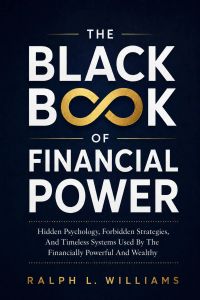
The Black Book of Financial PowerRalph L. Williams6h 10m$10

a Rich Mind, a Prosperous LifeDanniel Silva3h 20m$1.80 · $0.00

The Great DeclutterBruce W. Allen5h 51m$6.30 · $0.00
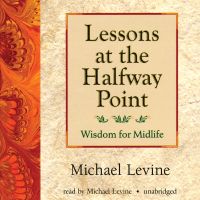
Lessons at the Halfway PointMichael Levine1h 45m$10

Everything But MoneyJessica Moorhouse10h 13m3.9 (254)$29 · $0.00