
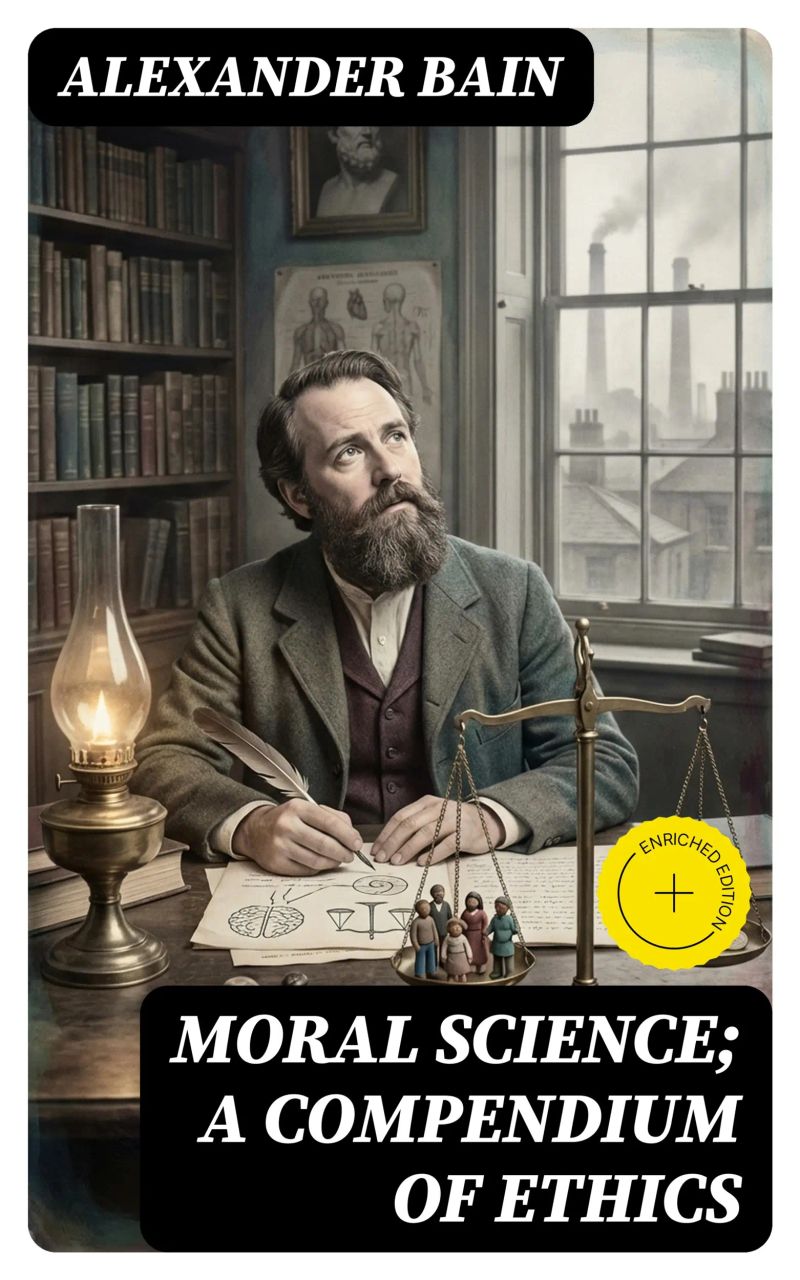
Moral Science; a Compendium of Ethics (Annotated)
Enriched Edition. An Empirical Inquiry into Moral Responsibility, Pleasure, Pain, and the Development of Moral SentimentBy Alexander Bain

Length16h 48m
About this audiobook
Alexander Bain's *Moral Science; a Compendium of Ethics* offers a systematic survey of ethical thought that joins philosophical analysis with the emerging language of psychology. Moving from the foundations of moral judgment through motives, character, responsibility, conscience, and the organization of social life, Bain examines how pleasure, pain, desire, habit, and education shape conduct. Its method is lucid, classificatory, and empirically minded rather than speculative, placing the work within the nineteenth-century British tradition of associationism and utilitarian ethics. The book's concise, instructional form reflects the Victorian compendium while preserving a serious engagement with enduring questions concerning free will, obligation, virtue, and the relation between individual welfare and the common good. Bain (1818–1903) was a Scottish philosopher, psychologist, educator, and influential interpreter of John Stuart Mill. His work developed the associationist account of mind, emphasizing the formative powers of sensation, repetition, emotion, and social environment. These commitments clearly inform his ethics: morality is treated not as an isolated system of transcendental commands but as a human practice cultivated through experience, education, sentiment, and institutions. Written amid intense nineteenth-century debates over science, evolution, reform, and utilitarianism, the book reveals Bain's effort to give moral philosophy a naturalistic and psychologically credible foundation. This volume is especially valuable for readers seeking to understand Victorian moral philosophy at the point where classical ethical theory meets modern psychology and social science. Students of utilitarianism, British empiricism, moral education, and the history of psychology will find in it both a coherent ethical synthesis and a revealing document of its intellectual age. Its disciplined structure makes complex debates accessible, while its empirical assumptions invite critical reflection on the possibilities and limits of grounding morality in human nature and social development.
This enriched edition has been carefully crafted to add value to your reading experience.
- A succinct Introduction situates the work's timeless appeal and themes.
- The Synopsis outlines the central plot, highlighting key developments without spoiling critical twists.
- A detailed Historical Context immerses you in the era's events and influences that shaped the writing.
- A thorough Analysis dissects symbols, motifs, and character arcs to unearth underlying meanings.
- Reflection questions prompt you to engage personally with the work's messages, connecting them to modern life.
- Hand‐picked Memorable Quotes shine a spotlight on moments of literary brilliance.
- Interactive footnotes clarify unusual references, historical allusions, and archaic phrases for an effortless, more informed read.
Audiobook details
GenrePhilosophy
Length16 hrs 48 mins
Narrated byListen with 1,000+ voices
FormateBook with Audio
Publish dateSep 4, 2022
LanguageEnglish
Table of contents
1Moral Science; a Compendium of Ethics (Annotated)
2Introduction
3Synopsis
4Historical Context
5PREFACE
Show all chaptersShow less
6PART II.
7ETHICS
8PART I.
9CHAPTER II.
10CHAPTER III.
11PART II. (pt. 1)
12PART II. (pt. 2)
13PART II. (pt. 3)
14Chapter XI. Oaths and Vows.
15Chapter XI. (concluding the work) discusses some cases connected with the duration of the 'Politick Union.' (pt. 1)
16Chapter XI. (concluding the work) discusses some cases connected with the duration of the 'Politick Union.' (pt. 2)
17Chapter XI. (concluding the work) discusses some cases connected with the duration of the 'Politick Union.' (pt. 3)
18Chapter XI. (concluding the work) discusses some cases connected with the duration of the 'Politick Union.' (pt. 4)
19Analysis
20Reflection
21Memorable Quotes
More from Alexander Bain
Lessons in TruthH. Emilie Cady3h 50m4.5 (2.4K)$20 · $0.00
The Discourses of EpictetusP. E. MATHESOM12h 47m4.4 (17.7K)$1.20 · $0.00
IlluminationsWalter Benjamin10h 12m4.4 (16.2K)$20 · $0.00

That Bird Has My WingsJarvis Jay Masters9h 49m4.4 (13.7K)$29 · $0.00

Tâo Teh KingLaozi2h 34m4.4 (230.9K)$2 · $0.00
SymposiumPlato3h 26m4.4 (97.9K)$1.20 · $0.00

Buddhist Boot CampTimber Hawkeye2h 39m4.4 (8.4K)$18 · $0.00
Enchiridion & The Discourses of Epictetus (Annotated)Arrian Epictetus18h 9m4.4 (3.5K)$2 · $0.00

The Meditations of the Emperor Marcus Aurelius AntoninusEmperor of Rome Marcus Aurelius5h 41m4.4 (1.8M)$1 · $0.00
Crime and PunishmentFyodor Dostoevsky23h 11m4.4 (1.3M)$12 · $0.00

MeditationsMarcus Aurelius5h 52m4.4 (433.7K)$1 · $0.00

Everyday DharmaSuneel Gupta5h 2m4.5 (761)$20 · $0.00

The Joyful Wisdom ("La Gaya Scienza")Friedrich Wilhelm Nietzsche11h 37m4.4 (26.6K)$1 · $0.00
The Art of LivingEpictetus, Sharon Lebell3h 16m4.4 (50.1K)$18 · $0.00
MeditationsEmperor Of Rome Marcus Aurelius7h 23m4.3 (477.5K)$1.20 · $0.00

The Imitation of ChristThomas à Kempis6h 27m4.3 (84.6K)$21 · $0.00

Sadhana: the realisation of lifeRabindranath Tagore3h 49m4.4 (8.6K)$6 · $0.00
SapiensYuval Noah Harari15h 18m4.3 (1.4M) · 1210$33 · $0.00
You BelongSebene Selassie8h 35m4.4 (2.7K)$26 · $0.00

The Song Celestial; Or, Bhagavad-Gîtâ (from the Mahâbhârata)Anonymous2h 18m4.4 (3.2K)$2 · $0.00
You may also like
Wilkie CollinsPeter Ackroyd6h 59m3.8 (1.3K)$17
The Wealth of NationsAdam Smith30h 50m4.1 (130.7K)$20 · $0.00

Aspects of the novelE. M. Forster6h 1m4.0 (6.9K)$2 · $0.00
Critique of Practical Reason (Kritik der praktischen Vernunft)Immanuel Kant6h 50m4.1 (14K)$2 · $0.00
Fundamental Principles of the Metaphysic of Morals Immanuel Kant3h 16m4.0 (48.8K)Free
How to Analyze People on Sight Through the Science of Human AnalysisElsie Lincoln Benedict6h 45m3.6 (2.7K)$16 · $0.00
The Critique of Practical ReasonImmanuel Kant6h 52m4.0 (23.5K)$3.50 · $0.00
The Six EnneadsPlotinus34h 13m4.3 (4.3K)$21 · $0.00
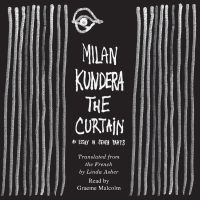
The CurtainMilan Kundera4h 40m4.0 (3.8K)$20 · $0.00

The Imp Of The PerverseEdgar Allan Poe16m3.9 (3.1K)$2.30
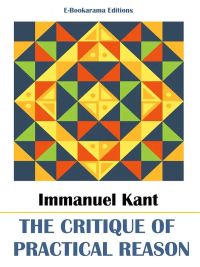
The Critique of Practical ReasonImmanuel Kant6h 30m4.1 (24.6K)$1.20 · $0.00
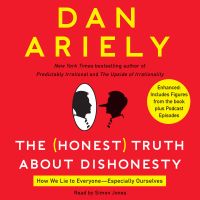
The Honest Truth About DishonestyDan Ariely8h 36m4.0 (20.9K)$26 · $0.00
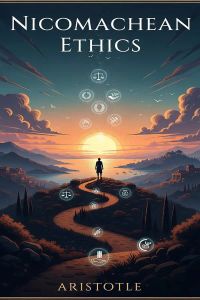
Nicomachean EthicsAristotle8h 51m4.3 (63.3K)$1.80 · $0.00
The Complete Works of Thorstein VeblenThorstein Veblen117h 4m4.3 (24)$1 · $0.00
Business-Englisch lernen Audio Sonderedition - Small TalkCarol Scheunemann1h 7m$20

The Secrets of the Great CityJames Dabney McCabe16h 13m$2 · $0.00
Light and Colour Theories, and their relation to light and colour standardizationJoseph W. Lovibond3h 12m$1 · $0.00
How to Read Human Nature, Its Inner States and Outer FormsWilliam Walker Atkinson3h 27m3.5 (45)$2.30

Men’s Private PartsJames H. Gilbaugh Jr. MD3h 22m3.7 (124)$12 · $0.00

TeratophobiaEmma K. Lawson6h 7m4.3 (32)$4.10 · $0.00