
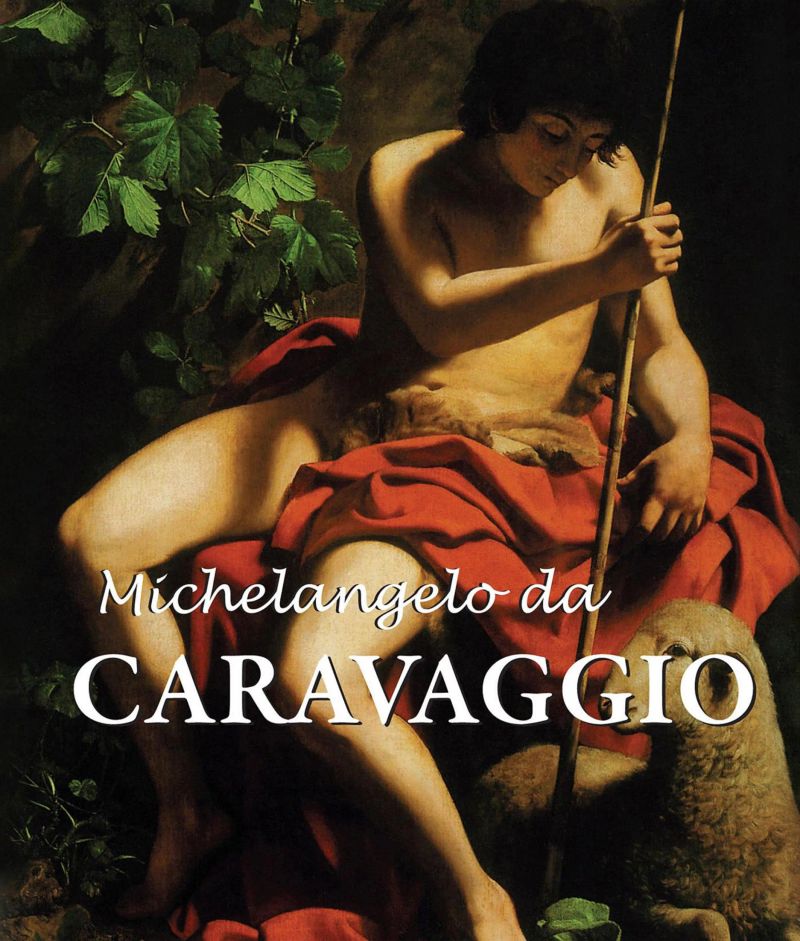
Michelangelo da Caravaggio
By Félix Witting, M.L. Patrizi


Length4h 50m
About this audiobook
After staying in Milan for his apprenticeship, Michelangelo da Caravaggio arrived in Rome in 1592. There he started to paint with both realism and psychological analysis of the sitters. Caravaggio was as temperamental in his painting as in his wild life. As he also responded to prestigious Church commissions, his dramatic style and his realism were seen as unacceptable. Chiaroscuro had existed well before he came on the scene, but it was Caravaggio who made the technique definitive, darkening the shadows and transfixing the subject in a blinding shaft of light. His influence was immense, firstly through those who were more or less directly his disciples. Famous during his lifetime, Caravaggio had a great influence upon Baroque art. The Genoese and Neapolitan Schools derived lessons from him, and the great movement of Spanish painting in the seventeenth century was connected with these schools. In the following generations the best endowed painters oscillated between the lessons of Caravaggio and the Carracci.
Audiobook details
Rating★★★★ 4.0 (74)
Includes Amazon, Goodreads
GenreOther
Length4 hrs 50 mins
Narrated byListen with 1,000+ voices
FormateBook with Audio
Publish dateJan 17, 2012
LanguageEnglish
Table of contents
1Michelangelo da Michelangelo da CARAVAGGIO CARAVAGGIO
2Introduction
3exquisite way”. Caravaggio’s patron, Marchese Vincenzio Giustiniani di Bassano (1564-
4HIS FATE
5Milan
Show all chaptersShow less
6grandiose. In certain of these Milanese works, the hand of Michelangelo Merisi’s
7exhortations of Gaudenzio Ferrari and his Milanese successor Bernardino Lanini that
8Venice
9Departure for Rome
10canvases for the Prior.
11vegetables. Beyond the prevalence of vegetables, Caravaggio’s contemporaries must
12expressions and feelings of his subjects.
13statuary art of the artist’s namesake, Michelangelo Buonarotti.
14successors in the National Gallery in London.
15Jerome, David and Goliath, The Fortune Teller, The Cardsharps, and Mary Magdalene
16Tooth Puller (p. 180) and in Judith Beheading Holofernes (pp. 34-35).
17Cardinal Barberini, the Cavalier Marino, or even Alof de Wignacourt, though we
18The First Roman Works and the Church of San Luigi dei Francesi
1929), Penitent Magdalene (p. 31) and Martha and Mary Magdalene (pp. 40-
20slightly lighter colours.
21of his Roman teacher.
22work, matters less than the strength of expression of the figures, which
23The Paintings of the Church of San Luigi dei Francesi
24characters46. This observation of the Romanesque element of the paintings
25With this understanding of the intentions of the Roman Baroque artists, Caravaggio
26balanced style of the Venetian master of the High Renaissance.
27despite its material slant, and due solely to these shimmering, profane and
28According to Baglione, Caravaggio also painted The Incredulity of Saint Thomas
29cease than a conjuration against a mysterious and perpetual punishment, or an
30fresco in the dome of the Basilica Santa Maria in Loreto.
31tools. The dexterity of the armour’s reproduction, reminiscent of The Conversion of
32Condemned to Exile
33Naples
34Ribera during his time in Naples.
35Child, thanks to his work on the shadows.
36resonates particularly strongly.
37Cabinet of the Reynst brothers.
38Domenico Fontana. In the same way, the impressive paintings of the Lombard
39Malta
40empty space into the whole concept compensates for the cruelty of the
41during the 17th century.
42with a rigorous and original composition, the painter signs this work “Fra
43The Face as the Reflection of the Soul
44and international representatives from the scientific and intellectual worlds and who
45feeling of movement.
46communicate to the viewer, like no other artist before him, the pictorial
47ground like the capital of some impressive building.
48THE BIRTH OF A STYLE
49The Painter of Pleasures and Taboos
50equally as important as that of Christ.
More from Félix Witting, M.L. Patrizi
Caravaggio und KunstwerkeFélix Witting, M.L. Patrizi1h 57m4.0 (44)$15 · $0.00
Caravaggio and artworksFélix Witting, M.L. Patrizi1h 47m4.2 (47)$15 · $0.00
Michelangelo Caravage et œuvres d'artFélix Witting, M.L. Patrizi1h 47m4.6 (12)$15 · $0.00
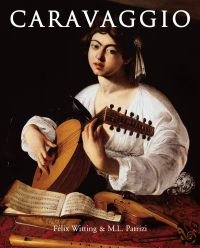
CaravaggioFélix Witting, M.L. Patrizi5h 36m4.0 (42)$18 · $0.00
Le caravageFélix Witting, M.L. Patrizi5h 13m3.7 (16)$16 · $0.00
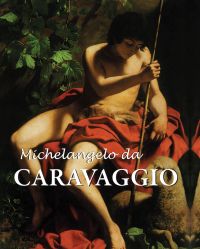
Michelangelo da CaravaggioFélix Witting, M.L. Patrizi5h 25m3.9 (133)$16 · $0.00

Michelangelo da CaravaggioFélix Witting, M.L. Patrizi4h 44m4.0 (43)$16 · $0.00
Le CaravageFélix Witting, M.L. Patrizi5h 5m4.0 (26)$16 · $0.00
CaravageFélix Witting, M.L. Patrizi5h 27m3.7 (15)$15.50 · $0.00
CaravaggioFélix Witting, M.L. Patrizi5h 58m4.3 (119)$15.50 · $0.00
CaravaggioFélix Witting, M.L. Patrizi5h 12m4.1 (183)$18 · $0.00
Michelangelo da CaravaggioFélix Witting, M.L. Patrizi5h 15m3.7 (15)$15 · $0.00
CaravaggioFélix Witting, M.L. Patrizi4h 56m4.0 (27)$18 · $0.00
CaravageFélix Witting, M.L. Patrizi5h 25m4.0 (57)$18 · $0.00
Mere ChristianityC. S. Lewis7h 7m4.4 (519.7K)$24 · $0.00

Her Daily BreadKate Wood12h 57m4.6 (153)$33 · $0.00
The Holy Bible - 1 SamuelKing James2h 13m4.8 (1.6K)$3 · $0.00
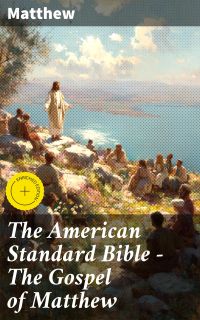
The American Standard Bible — The Gospel of MatthewMatthew3h 56m4.7 (3K)$2 · $0.00

Bad Fat Black GirlSesali Bowen6h 32m4.7 (2.8K)$24 · $0.00
The King James Audio Bible New Testament CompleteChristopher Glyn20h 2m4.7 (2.6K)$12 · $0.00
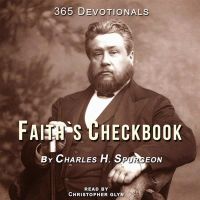
Faiths CheckbookCharles Spurgeon12h 44m4.7 (3.2K)$11 · $0.00

Ten Things I Wish You Knew About Your Child's Mental HealthDr. Billy Garvey4h 53m4.7 (2.4K)$20 · $0.00
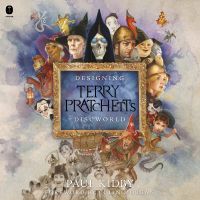
Designing Terry Pratchett’s DiscworldPaul Kidby3h 52m4.7 (343)$20 · $0.00
The Chosen Book OneAmanda Jenkins, Kristen Hendricks, Dallas Jenkins3h 8m4.6 (4.9K)$10 · $0.00
The Lives of BrianBrian Johnson9h 45m4.6 (3.5K)$29 · $0.00
Expository Thoughts on the Gospel of LukeJ.C. Ryle27h 13m4.7 (536)$18 · $0.00

CrossroadsKaleb Dahlgren7h 56m4.6 (4.9K)$26 · $0.00

Across the RiverKent Babb11h 40m4.6 (927)$29 · $0.00

Brain Training for RidersAndrea Monsarrat Waldo5h 56m4.7 (550)$19 · $0.00
My Effin' LifeGeddy Lee17h 11m4.6 (13.1K)$40 · $0.00
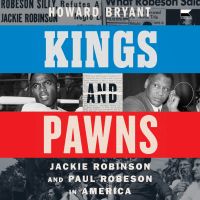
Kings and PawnsHoward Bryant10h 9m4.6 (678)$29 · $0.00

The Elementia Chronicles #2: The New OrderSean Fay Wolfe11h 17m4.6 (841)$29 · $0.00
The ActsLuke2h 55m4.6 (19.7K)$12 · $0.00
New Testament - Easy NavigationWorld English Bible19h 35m4.6 (1.3K)$1.30 · $0.00
You may also like

Auto BiographyEarl Swift12h 4m4.1 (448)$29 · $0.00
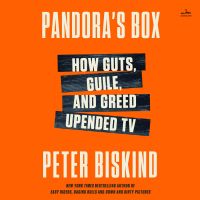
Pandora's BoxPeter Biskind12h 41m3.7 (1.1K)$33 · $0.00
Nathan Bedford ForrestJack Hurst16h 56m4.2 (902)$28 · $0.00

Crime and PunishmentFyodor Dostoyevsky14m4.4 (1.3M)$14 · $0.00
The Dress LodgerSheri Holman12h 38m3.7 (8.9K)$23

ClintShawn Levy21h 9m4.1 (559)$8 · $0.00

Dog SoldiersRobert Stone11h 24m3.8 (9.5K)$30
NostromoJoseph Conrad17h 16m3.9 (25.9K)$28
Crime and PunishmentFyodor Dostoyevsky20h 57m4.4 (1.2M)$18 · $0.00

BlowBruce Porter13h 43m4.2 (2.8K)$23
The Friedkin ConnectionWilliam Friedkin19h 20m4.2 (1.8K)$40 · $0.00

You can't winJack Black13h 7m4.4 (7.6K)$1 · $0.00
Original GangsterFrank Lucas8h 3m4.3 (918)$17
Crime and PunishmentFyodor Dostoevsky21h 51m4.4 (1.3M)$3 · $0.00

Vengeance Is MineReavis Z. Wortham9h 50m4.4 (421)$20

Saint JackPaul Theroux8h 19m3.7 (1.1K)$26 · $0.00
Crime and Punishment (The Unabridged Garnett Translation) (Annotated)Fyodor Dostoevsky24h 25m4.5 (15.4K)$0.99 · $0.00
Crime and PunishmentFyodor Dostoevsky21h 8m4.4 (1.2M) · 3926Free
Native Son (Annotated)Richard Wright18h 26m4.2 (132.2K)$2 · $0.00

DreamlandKevin Baker6h3.7 (1.9K)$24 · $0.00