


Length59m
About this audiobook
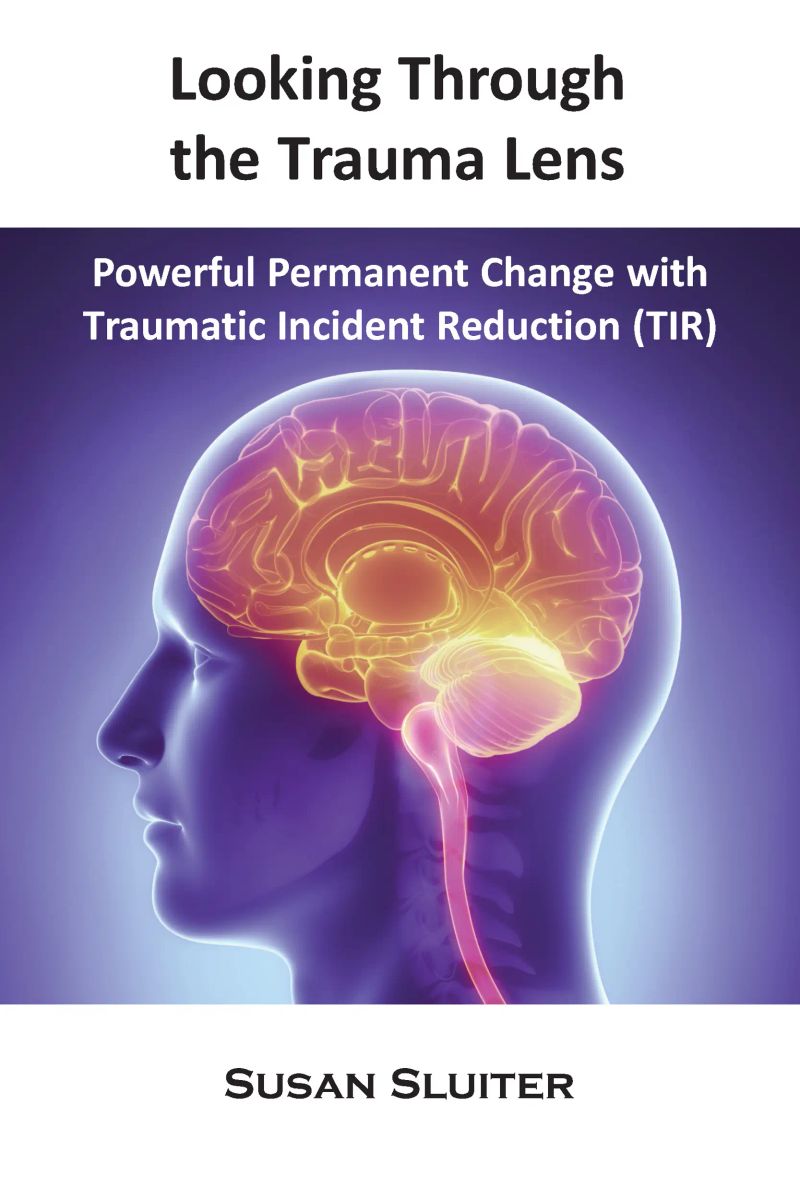
I developed renewed faith in the power of psychotherapy after I attended a Traumatic Incident Reduction (TIR) course in 2011. It opened many doors for me as I began to understand the impact of previously overlooked, objectively minor traumatic incidents on psychological disorders and problems. This article is about the application of this powerful tool over the entire spectrum of psychological problems and disorders and how this brings about impressive and permanent change. The optimal use of this tool in psychotherapy requires a shift in epistemology in which we begin to view mental health through a trauma lens. The definition of psychological trauma can vary. From a TIR perspective, trauma can be defined as any incident that had a negative physical or emotional impact on an individual. This is a very subjective issue as the something could be perceived as traumatic by one individual, but as commonplace and harmless by another. The important thing is the emotional and physical impact the incident had on the individual, its subjective impact. The reason it is so important to view trauma in the broadest way possible is because it explains the chronic mood states of our clients as well as how subconscious intentions and automatic emotional responses affect their current lives. These will be explained below. Traumatic incidents, when understood in the broadest sense possible, have a massive effect on our neurobiology, emotional states and behavioral patterns. Therefore, they can be seen as the driving force behind almost all psychological problems and disorders. When I say traumatic incidents "in the broadest sense possible," I refer to the everyday incidents of trauma that are objectively perceived as minor, such as an embarrassing comment by a teacher, conflict with a friend, breaking your mother's expensive vase, etc. It involves an understanding of how the emotional knocks we take on a daily basis affect our neurobiology and continue to have an impact on us in later life. The understanding of subconscious intentions, automatic emotional reactions and responses and chronic mood states are so crucial when it comes to looking at mental health through a trauma lens. Minor and major psychological and physical trauma involves a complex description of the effects on the brain. This article includes detailed case studies including specific incidents such as birth trauma and jealousy and rage. We will look in detail at how trauma results in Goleman's "Amygdala Hijacking" and how we can help the client break destructive cycles. I also explain why sheer willpower is insufficient to change behavior in the face of traumatic restimulation. Additionally, the article explains how TIR avoids re-traumatization even as clients revisit past incidents.
Audiobook details
GenrePsychology, Self-Help
Length59 mins
Narrated byListen with 1,000+ voices
FormateBook with Audio
Publish dateOct 1, 2013
LanguageEnglish
Table of contents
1Looking Through the Trauma Lens
2Case Study: Jealousy and Rage
3Case Study: Birth Trauma
4Never Overlook Objectively Minor Trauma
5Amygdala Hijacking -- Why Insight and Willpower Does Not Equal Change
Show all chaptersShow less
6The Failure of Willpower
7How Trauma Continues to Traumatize
8Breaking the Trauma Memories Free from the Amygdala Hijack Cycle
9The Healing Re-traumatization
10Conclusion
11About the Author
12References
13Glossary
14Metapsychology Monographs Series
What to Make of a LifeJim Collins13h 31m4.4 (793)$33 · $0.00

TerraformPropaganda5h 39m4.7 (594)$24 · $0.00

Southern Horrors: Lynch Law in All Its Phases (Annotated)Ida B. Wells-Barnett2h 44m4.6 (1.3K)$2 · $0.00

Hour of the HeartIrvin D. Yalom, Benjamin Yalom8h 19m4.6 (2.3K)$26 · $0.00

Braving the TruthRachel Held Evans11h 31m4.7 (359)$29 · $0.00
Level UpRob Dial7h 42m4.6 (3.3K)$26 · $0.00

As a JewSarah Hurwitz8h 36m4.6 (1.2K)$26 · $0.00

Burn the HaystackJennie Young, PhD9h 30m4.6 (543)$29 · $0.00

Woman and the New Race (Annotated)Margaret Sanger6h 30m4.6 (1K)$1.99 · $0.00

Good InsideBecky Kennedy9h 55m4.5 (59.3K)$29 · $0.00

Du Bois: EssaysW.E.B. Du Bois6h 22m4.6 (1.5K)$1 · $0.00

The North American Indian (Illustrated Edition)Edward S. Curtis, Frederick Webb Hodge5h 59m4.6 (1.4K)$2 · $0.00

Valley of the BirdtailAndrew Stobo Sniderman, Douglas Sanderson10h 1m4.6 (2.4K)$29 · $0.00

Lies My Therapist Told MeGreg E. Gifford9h 3m4.6 (503)$29 · $0.00

Disturbed in Their NestsAlephonsion Deng, Judy A. Bernstein11h 22m4.6 (595)$23 · $0.00

No Name in the StreetJames Baldwin5h4.5 (8.5K)$20 · $0.00

Magic SeasonWade Rouse6h 41m4.6 (855)$24 · $0.00

Consent Laid BareChanel Contos7h 11m4.5 (1.7K)$24 · $0.00

The Big RevealSasha Velour6h 15m4.5 (2.1K)$24 · $0.00

Pastoral SongJames Rebanks8h 35m4.5 (12K)$26 · $0.00
Learning to PrayJames Martin13h 24m4.5 (3.4K)$33 · $0.00

Finding MeViola Davis9h 15m4.6 (256.4K)$29 · $0.00

Spiritual AnatomyDaaji Kamlesh D. Patel9h 47m4.7 (319)$29 · $0.00

The Dangerous Truth about Today’s MarijuanaLaura Stack CSP, MBA9h 57m4.7 (384)$20 · $0.00

Birdie & HarlowTaylor Wolfe7h 50m4.6 (6.5K)$26 · $0.00

CrossroadsKaleb Dahlgren7h 56m4.6 (4.9K)$26 · $0.00

Life on the BridgeKaelynn Partlow5h 40m4.6 (1.1K)$24 · $0.00

Keep Your Love OnDanny Silk9h 4m4.6 (8.1K)$10 · $0.00

The Tao of Joy Every DayDerek Lin10h 24m4.6 (762)$20 · $0.00

UndividedVicky Beeching9h 2m4.6 (1.3K)$29 · $0.00
Level UpRob Dial7h 42m4.6 (3.3K)$26 · $0.00
Burn the HaystackJennie Young, PhD9h 30m4.6 (543)$29 · $0.00

ACRES OF DIAMONDS: Our Every-day Opportunities (Wisdom & Empowerment Series) (Annotated)Russell Conwell2h 26m4.6 (1K)$2 · $0.00
Good InsideBecky Kennedy9h 55m4.5 (59.3K)$29 · $0.00

The Lost VoiceGreta Morgan8h 30m4.7 (285)$26 · $0.00

Stripped DownBunnie Xo8h 25m4.5 (32.9K)$26 · $0.00

UnthinkableJamie Raskin15h 8m4.5 (9.3K)$8 · $0.00

Wallace D. Wattles Ultimate Collection Wallace D. Wattles16h 53m4.6 (1.3K)$1 · $0.00
Inquire WithinIn-Q2h 18m4.6 (993)$16 · $0.00

Under His WingsEmily Compagno7h 16m4.6 (848)$22 · $0.00
You may also like

The DetailsIa Genberg3h 54m3.9 (30.7K)$20 · $0.00

My WorkOlga Ravn7h 33m3.9 (4.4K)$32 · $0.00

American MelancholyJoyce Carol Oates1h 53m3.7 (1.1K)$16 · $0.00
EMILE COUE: Self Mastery Through Conscious Autosuggestion & The Practice of Autosuggestion (Including the Study of the Emile Coue's Method & Biography)Emile Coue6h 9m4.2 (2.7K)$2 · $0.00

Bad BehaviorMary Gaitskill7h 16m4.0 (18.7K)$17

Who Is Wellness For?Fariha Roisin10h 25m3.8 (1.7K)$29 · $0.00

Don’t CryMary Gaitskill8h 24m3.7 (2.1K)$20 · $0.00

FearThich Nhat Hanh4h 18m4.5 (11.9K)$6 · $0.00
The Grieving BrainMary-Frances O'Connor8h 2m4.3 (5.8K)$26 · $0.00

Mrs DallowayVirginia Woolf7h 48m4.0 (346.6K)$5 · $0.00
The Extended MindAnnie Murphy Paul11h 26m4.2 (4.5K)$29 · $0.00

Applied Psychology for NursesMary F. Porter2h 30m3.7 (49)$1 · $0.00

Understanding and Healing the Inner Child: How to recognize unresolved conflicts within yourself, get in touch with your inner child, strengthen and heal it to finally blossom in full vitalityJulia Wiederspohn1h 1m$11 · $0.00

Portal BlueSteffen Möll10m$27 · $0.00

Mirrors BreakElmie Fuller9h 11m4.1 (134)$9.99

Manhood Perfectly RestoredCiviale Remedial Agency3h 18m$2 · $0.00

The Observer ObservedJ Krishnamurti2h 50m4.5 (25)$7 · $0.00

Freeze FrameTim Mead28m$1 · $0.00

Persimmon KissMel Bossa9h 57m4.0 (11)$5.50 · $0.00

EDMR TherapySamantha Hartwell5h 13m4.4 (134)$22 · $0.00