
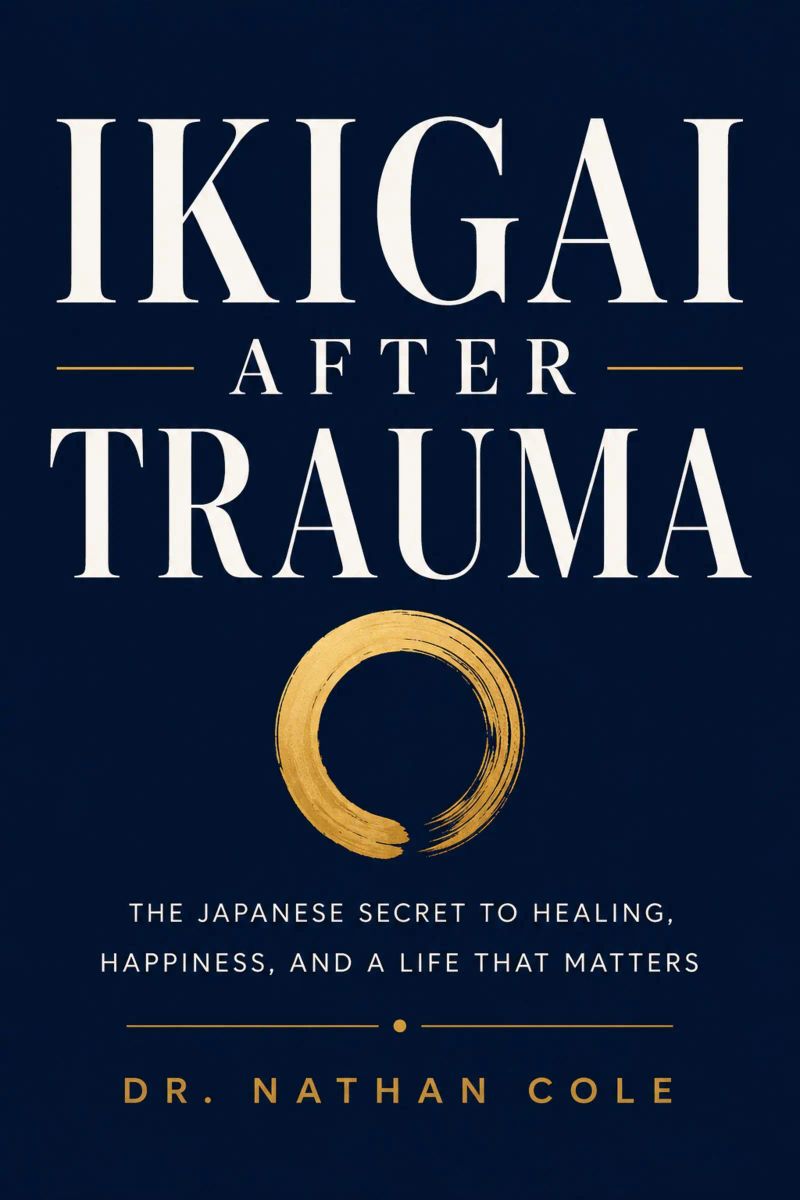
Ikigai After Trauma
The Japanese Secret to Healing, Happiness, and a Life That MattersBy Dr. Nathan Cole


Length8h 26m
About this audiobook
What if the answer to your deepest healing was never a Western therapy protocol, a five-step framework, or a productivity system — but a centuries-old Japanese philosophy that the world's longest-living people have been quietly practicing every single day?
Ikigai After Trauma is the groundbreaking mind-body healing book that brings together the ancient Japanese wisdom of ikigai, kintsugi, wabi-sabi, and kaizen with the most current neuroscience of trauma recovery — to offer something that no conventional healing book has offered before: not just a path out of pain, but a path into a life that is genuinely, specifically, irreplaceably worth living.
If you have been healing from trauma, complex PTSD, emotional abuse, childhood wounds, or the quiet cumulative damage of a life organized around survival rather than meaning — and you have done real work, made real progress, and still feel that something essential is missing — this book was written for you. That missing thing has a name. The Japanese call it ikigai. And its restoration is not the reward for finished healing. It is part of the healing itself.
This book is for you if:
You have survived something that reorganized your entire life around survival rather than living. You feel the flatness of anhedonia — the specific absence of genuine joy — and cannot remember what it felt like to wake up genuinely looking forward to the day. You have tried Western healing approaches and made genuine progress while sensing that something essential remains missing. You are drawn to Japanese philosophy, mindfulness, and Eastern wisdom but want something that takes trauma seriously rather than bypassing it with spiritual platitudes. You are ready — genuinely ready — to stop merely surviving and begin living a life that is specifically, purposefully, irreplaceably yours.
The wound does not define you. The gold does.
Ikigai After Trauma gives you both the philosophy and the practice to find it.
Audiobook details
GenreSelf-Help
Length8 hrs 26 mins
Narrated byListen with 1,000+ voices
FormateBook with Audio
LanguageEnglish
Table of contents
1©2026. All Rights Reserved . Dr. Nathan Cole Legal Disclaime
2" He who has a why to live can bear almost any how." — Fried
3A Note Before You Begin: Why a Japanese Philosophy Holds the Answer to What Western Healin
4PART ONE: THE WOUND AND THE WAY: Understanding Trauma Through the Lens of Eastern Wisdom and Western Science
5Chapter 1: What Ikigai Actually Means — And Why Trauma Stole Yours
Show all chaptersShow less
6Chapter 2: The Japanese Art of Living Through Pain — Wabi-Sabi, Mono No Aware, and the Bea
7Chapter 3: Kintsugi — The Art of the Golden Repair
8Chapter 4: The Science Behind Why Life Feels Meaningless After Trauma
9Chapter 5: Okinawa's Lessons — The World's Longest-Living People and What They Know About
10PART TWO: THE FOUR CIRCLES
11Rebuilding Your Ikigai One Element at a Time
12Chapter 6: What You Love — Recovering Joy After Trauma Has Flattened Everything
13Chapter 7: What You Are Good At — Discovering Strengths You Were Never Allowed to Own
14Chapter 8: What the World Needs — Finding Where Your Story Meets the World's Hunger
15Chapter 9: What You Can Be Paid For — Reconciling Purpose with Practical Reality
16PART THREE: THE INTEGRATION: Where Eastern Wisdom, Trauma Healing, and a Life That Matters Converge
17Chapter 10: Ma — The Japanese Art of Sacred Space and the Healing Power of Stillness
18Chapter 11: Kaizen — Small Steps, Radical Transformation
19Chapter 12: Moai — The Okinawan Secret of Belonging and Why Healing Requires Community
20Chapter 13: Shizen — Living in Alignment with Nature and Your Own Natural Rhythm
21Chapter 14: Your Ikigai Statement — Writing the Living Document of Your Purposeful Life
22Epilogue: The Morning You Wake Up and Know Why
23Appendicitis A: The Complete 21-Day Ikigai Healing Challenge — Day-by-Day Guide
24Appendix B: Japanese Concepts Glossary — A Living Reference for the Healing Journey
25Appendix C: The Four Circles Workbook — Your Personal Ikigai Map
26Appendix D: Recommended Reading, Research, and Resources
27Acknowledgments
Learning to PrayJames Martin13h 24m4.5 (3.4K)$33 · $0.00

The Happiest Man on EarthEddie Jaku3h 48m4.6 (178K)$7 · $0.00

Finding MeViola Davis9h 15m4.6 (256.4K)$29 · $0.00

Spiritual AnatomyDaaji Kamlesh D. Patel9h 47m4.7 (319)$29 · $0.00

The Dangerous Truth about Today’s MarijuanaLaura Stack CSP, MBA9h 57m4.7 (385)$20 · $0.00
The Gospel according to Spiritualism (Translated)Allan Kardec14h 39m4.6 (3.9K)$5.70 · $0.00

Birdie & HarlowTaylor Wolfe7h 50m4.6 (6.5K)$26 · $0.00
CrossroadsKaleb Dahlgren7h 56m4.6 (4.9K)$26 · $0.00

Life on the BridgeKaelynn Partlow5h 40m4.6 (1.1K)$24 · $0.00

Keep Your Love OnDanny Silk9h 4m4.6 (8.1K)$10 · $0.00
The Tao of Joy Every DayDerek Lin10h 24m4.6 (762)$20 · $0.00
UndividedVicky Beeching9h 2m4.6 (1.3K)$29 · $0.00

HE CAN WHO THINKS HE CAN & OTHER BOOKS ON SUCCESSOrison Swett Marden5h 54m4.6 (1.2K)$1.99 · $0.00
Level UpRob Dial7h 42m4.6 (3.3K)$26 · $0.00
Burn the HaystackJennie Young, PhD9h 30m4.6 (543)$29 · $0.00

ACRES OF DIAMONDS: Our Every-day Opportunities (Wisdom & Empowerment Series) (Annotated)Russell Conwell2h 26m4.6 (1K)$2 · $0.00

Good InsideBecky Kennedy9h 55m4.5 (59.3K)$29 · $0.00

The Lost VoiceGreta Morgan8h 30m4.7 (285)$26 · $0.00

Stripped DownBunnie Xo8h 25m4.5 (32.9K)$26 · $0.00

UnthinkableJamie Raskin15h 8m4.5 (9.3K)$8 · $0.00
You may also like
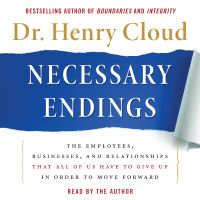
Necessary EndingsHenry Cloud7h 16m4.3 (15.7K)$24 · $0.00
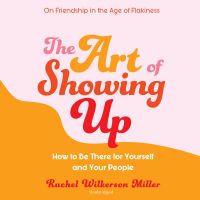
The Art of Showing UpRachel Wilkerson Miller10h 7m4.0 (3.8K)$20
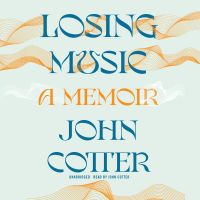
Losing MusicJohn Cotter7h 5m4.1 (395)$17 · $0.00
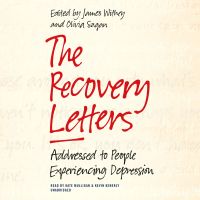
The Recovery LettersJames Withey, Olivia Sagan4h 24m4.2 (935)$15 · $0.00

Love That StoryJonathan Van Ness5h 44m4.2 (10.4K)$24 · $0.00
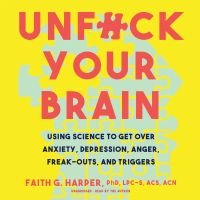
Unf*ck Your BrainFaith G. Harper PhD3h 39m3.8 (30.4K)$15

Tell Me Everything You Don't RememberChristine Hyung-Oak Lee7h 26m3.7 (1.6K)$24 · $0.00

Loving EdieMeredith May8h 8m4.2 (786)$26 · $0.00

Love Yourself Like Your Life Depends on ItKamal Ravikant4h 6m4.0 (27.8K)$6 · $0.00

Standing Tall.Lawrence Thompson2h 57m4.8 (11)$9.99 · $0.00
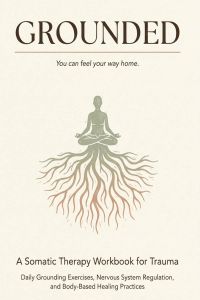
GROUNDEDJames Igbodato3h 36m$8
The First 30 DaysAriane de Bonvoisin5h 49m3.9 (279)$24 · $0.00

Trapped MindsMia R. Wellington8h 22m$4.10 · $0.00
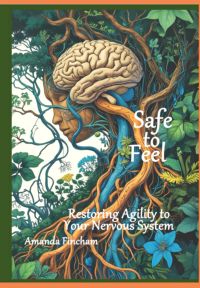
Safe To FeelAmanda Fincham2h 35m$12 · $0.00

Really Good, ActuallyMonica Heisey10h 13m3.3 (141.9K)$29 · $0.00

Wellness Within: A Human Guide to Health, Mind, and BodyHamlin Timothy57m4.9 (25) Only with Ultra
You, ReclaimedJasper Livingstone5h 43m$10
How to heal from Addiction and Sexual TraumaKenneth C. Spears5h 23m$6
The Woman Who Is RebornClara Navén / Virginia Santos4h 51m$9 · $0.00
Cruising Through CalamityBev Aisbett3h 3m3.8 (73)$18 · $0.00