
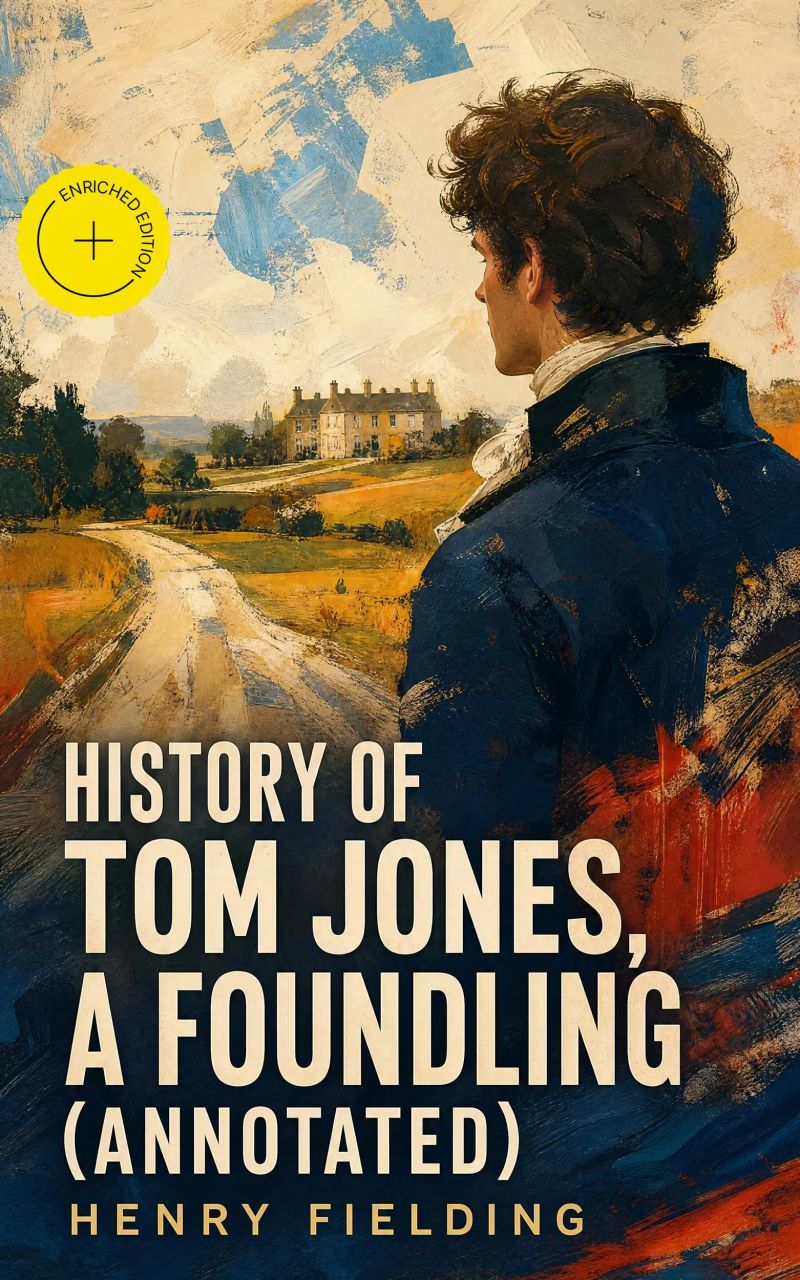
History of Tom Jones, a Foundling (Annotated)
Enriched Edition. A Comic Picaresque of Foundling Fortune, Georgian Satire, Courtship, and Moral RecognitionBy Henry Fielding

Length38h 43m
About this audiobook
Henry Fielding's The History of Tom Jones, a Foundling is one of the defining comic novels of the eighteenth century, tracing the fortunes of the warm-hearted but impulsive Tom from mysterious birth to moral and social recognition. Its sprawling plot—crowded with squires, servants, hypocrites, lovers, and opportunists—combines picaresque adventure with an architecturally controlled narrative design. Fielding's urbane, intrusive narrator, classical allusions, and satiric wit place the novel at the center of early English realism while also engaging the epic and theatrical traditions he knew intimately. Fielding, a dramatist, journalist, lawyer, and magistrate, brought to fiction a sharp understanding of performance, law, and human frailty. His experience with the stage shaped the novel's comic timing and dialogue, while his legal career informed its concern with evidence, judgment, and justice. Writing after the Licensing Act curtailed his theatrical work, Fielding helped establish the novel as a form capable of moral inquiry and social critique. This book is highly recommended to readers interested in the origins of the English novel, comic narrative, and morally complex realism. It rewards patience with exuberant storytelling, humane intelligence, and enduring insight into desire, virtue, and society.
This enriched edition has been carefully crafted to add value to your reading experience.
- A succinct Introduction situates the work's timeless appeal and themes.
- The Synopsis outlines the central plot, highlighting key developments without spoiling critical twists.
- A detailed Historical Context immerses you in the era's events and influences that shaped the writing.
- An Author Biography reveals milestones in the author's life, illuminating the personal insights behind the text.
- A thorough Analysis dissects symbols, motifs, and character arcs to unearth underlying meanings.
- Reflection questions prompt you to engage personally with the work's messages, connecting them to modern life.
- Hand‐picked Memorable Quotes shine a spotlight on moments of literary brilliance.
- Interactive footnotes clarify unusual references, historical allusions, and archaic phrases for an effortless, more informed read.
Audiobook details
Rating★★★★ 3.9 (75.3K)
Includes Goodreads, LibraryThing, Amazon, StoryGraph
GenreLiterary Classics, Humor
Length38 hrs 43 mins
Narrated byListen with 1,000+ voices
FormateBook with Audio
Publish dateAug 7, 2018
LanguageEnglish
Table of contents
1History of Tom Jones, a Foundling (Annotated)
2Introduction
3Synopsis
4Historical Context
5Author Biography
Show all chaptersShow less
6History of Tom Jones, a Foundling
7BOOK I
8Chapter I. The introduction to the work, or bill of fare to the feast.
9Chapter II. A short description of squire Allworthy, and a fuller account of Miss Bridget Allworthy, his sister.
10Chapter III. An odd accident which befel Mr Allworthy at his return home. The decent behaviour of Mrs Deborah Wilkins, with some proper animadversions on bastards.
11Chapter IV. The reader's neck brought into danger by a description; his escape; and the great condescension of Miss Bridget Allworthy.
12Chapter V. Containing a few common matters, with a very uncommon observation upon them.
13Chapter VI. Mrs Deborah is introduced into the parish with a simile. A short account of Jenny Jones, with the difficulties and discouragements which may attend young women in the pursuit of learning.
14Chapter VII. Containing such grave matter, that the reader cannot laugh once through the whole chapter, unless peradventure he should laugh at the author.
15Chapter VIII. A dialogue between Mesdames Bridget and Deborah; containing more amusement, but less instruction, than the former.
16Chapter IX. Containing matters which will surprize the reader.
17Chapter X. The hospitality of Allworthy; with a short sketch of the characters of two brothers, a doctor and a captain, who were entertained by that gentleman.
18Chapter XI. Containing many rules, and some examples, concerning falling in love: descriptions of beauty, and other more prudential inducements to matrimony.
19Chapter XII. Containing what the reader may, perhaps, expect to find in it.
20Chapter XIII. Which concludes the first book; with an instance of ingratitude, which, we hope, will appear unnatural.
21BOOK II
22Chapter I. Showing what kind of a history this is; what it is like, and what it is not like.
23Chapter II. Religious cautions against showing too much favour to bastards; and a great discovery made by Mrs Deborah Wilkins.
24Chapter III. The description of a domestic government founded upon rules directly contrary to those of Aristotle.
25Chapter IV. Containing one of the most bloody battles, or rather duels, that were ever recorded in domestic history.
26Chapter V. Containing much matter to exercise the judgment and reflection of the reader.
27Chapter VI. The trial of Partridge, the schoolmaster, for incontinency; the evidence of his wife; a short reflection on the wisdom of our law; with other grave matters, which those will like best who understand them most.
28Chapter VII. A short sketch of that felicity which prudent couples may extract from hatred: with a short apology for those people who overlook imperfections in their friends.
29Chapter VIII. A receipt to regain the lost affections of a wife, which hath never been known to fail in the most desperate cases.
30Chapter IX. A proof of the infallibility of the foregoing receipt, in the lamentations of the widow; with other suitable decorations of death, such as physicians, &c., and an epitaph in the true stile.
31BOOK III
32Chapter I. Containing little or nothing.
33Chapter II. The heroe of this great history appears with very bad omens. A little tale of so LOW a kind that some may think it not worth their notice. A word or two concerning a squire, and more relating to a gamekeeper and a schoolmaster.
34Chapter III. The character of Mr Square the philosopher, and of Mr Thwackum the divine; with a dispute concerning——
35Chapter IV. Containing a necessary apology for the author; and a childish incident, which perhaps requires an apology likewise.
36Chapter V. The opinions of the divine and the philosopher concerning the two boys; with some reasons for their opinions, and other matters.
37Chapter VI. Containing a better reason still for the before-mentioned opinions.
38Chapter VII. In which the author himself makes his appearance on the stage.
39Chapter VIII. A childish incident, in which, however, is seen a good-natured disposition in Tom Jones.
40Chapter IX. Containing an incident of a more heinous kind, with the comments of Thwackum and Square.
41Chapter X. In which Master Blifil and Jones appear in different lights.
42BOOK IV
43Chapter I. Containing five pages of paper.
44Chapter II. A short hint of what we can do in the sublime, and a description of Miss Sophia Western.
45Chapter III. Wherein the history goes back to commemorate a trifling incident that happened some years since; but which, trifling as it was, had some future consequences.
46Chapter IV. Containing such very deep and grave matters, that some readers, perhaps, may not relish it.
47Chapter V. Containing matter accommodated to every taste.
48Chapter VI. An apology for the insensibility of Mr Jones to all the charms of the lovely Sophia; in which possibly we may, in a considerable degree, lower his character in the estimation of those men of wit and gallantry who approve the heroes in most of our modern comedies.
49Chapter VII. Being the shortest chapter in this book.
50Chapter VIII. A battle sung by the muse in the Homerican style, and which none but the classical reader can taste.
More from Henry Fielding
Tom Jones (Alle 6 Bände)Henry Fielding40h 59m3.9 (70.7K)$2 · $0.00
An Apology for the Life of Mrs. Shamela AndrewsHenry Fielding1h 50m3.6 (1.7K)$0.99 · $0.00

Tom Jones (Kommentiert)Henry Fielding41h 1m4.0 (1.3K)$1 · $0.00

Joseph Andrews (Annotated)Henry Fielding15h 7m3.9 (276)$2 · $0.00

Tom Jones:Henry Fielding45h 18m3.9 (162.1K)$41 · $0.00

Joseph AndrewsHenry Fielding13h 2m3.6 (8.3K)$2 · $0.00

A Journey from This World to the NextHenry Fielding6h 10m3.6 (1.6K)$2 · $0.00
History of Tom Jones, a FoundlingHenry Fielding38h 52m3.9 (48K)$1 · $0.00

An Apology for the Life of Mrs. Shamela AndrewsHenry Fielding2h 55m3.6 (1K)$1 · $0.00

The Lovers Assistant; Or, New Art of LoveHenry Fielding, Ovid3h 8m$2 · $0.00

Tom Jones (Zusammengefasste Ausgabe)Henry Fielding7h 52m4.3 (12)$2
A True State of the Case of Bosavern PenlezHenry Fielding$1 · $0.00
History of Tom Jones, a FoundlingHenry Fielding39h 5m4.0 (44.6K)$2 · $0.00
Joseph Andrews (Summarized Edition)Henry Fielding3h 42m$2

The Harvard Classics Shelf of Fiction - Complete 20 Volumes (Annotated)Henry Fielding, Laurence Sterne, Jane Austen, Walter Scott, William Makepeace Thackeray, Charles Dickens, George Eliot, Nathaniel Hawthorne, Washington Irving, Edgar Allan Poe, Francis Bret Harte, Mark Twain, Edward Everett Hale, Henry James, Victor Hugo, Honoré Balzac, George Sand, Alfred de Musset, Alphonse Daudet, Guy de Maupassant, Johann Wolfgang Goethe, Gottfried Keller, Theodor Storm, Theodor Fontane, Leo Tolstoy, Fyodor Dostoevsky, Ivan Turgenev, Juan Valera, Bjørnstjerne Bjørnson, Alexander L. Kielland387h 6m4.3 (964)$0.99 · $0.00
Joseph AndrewsHenry Fielding15h 6m3.3 (7.8K)$1.99 · $0.00

To Kill a MockingbirdHarper Lee12h 18m4.5 (7.4M)$29 · $0.00

These Precious DaysAnn Patchett11h 14m4.5 (45.2K)$29 · $0.00
TWELFTH NIGHTWilliam Shakespeare, Sidney Lee16h 38m4.6 (2.8K)$1.99 · $0.00
The Complete Histories / History Plays of William Shakespeare (Annotated)William Shakespeare29h 42m4.6 (2.3K)$0.99 · $0.00

Braving the TruthRachel Held Evans11h 31m4.7 (359)$29 · $0.00

The Old Man and the Sea (Annotated)Ernest Hemingway4h 27m4.6 (1.4K)$2 · $0.00
Henry V (The Play, Historical Background and Analysis of the Character in the Play)William Shakespeare, William Hazlitt8h 50m4.6 (1.3K)$1.99 · $0.00
H. P. LOVECRAFT Ultimate Collection: Novellas, Short Stories, Poetry & Essays (Annotated)H. P. Lovecraft12h 28m4.6 (2.3K)$2 · $0.00
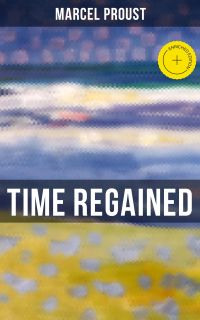
Time RegainedMarcel Proust16h 8m4.5 (10.6K)$1.99 · $0.00
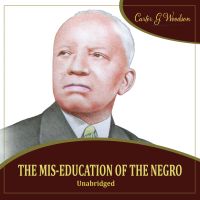
The Mis-Education of the NegroCarter Goodwin Woodson4h 32m4.5 (28.4K)$10 · $0.00

TORAH - Bilingual Edition: English/Hebrew (Annotated)Max Margolis, JPS28h 26m4.6 (1K)$2 · $0.00

Betty Crocker picture cooky bookBetty Crocker, Inc. General Mills2h 13m4.5 (6.5K)$1 · $0.00
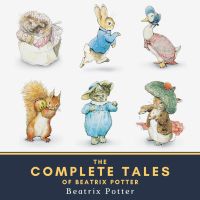
The Complete Tales of Beatrix PotterBeatrix Potter3h 36m4.5 (75K)$3 · $0.00
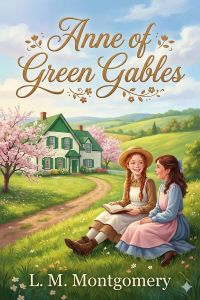
Anne of Green GablesL. M. Montgomery11h 1m4.5 (1.2M)$2.30 · $0.00
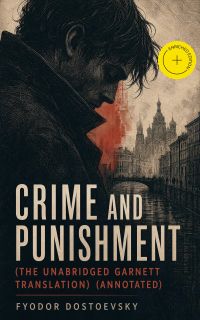
Crime and Punishment (The Unabridged Garnett Translation) (Annotated)Fyodor Dostoevsky24h 25m4.5 (15.4K)$0.99 · $0.00

The North American IndianEdward S. Curtis, Frederick Webb Hodge6h4.5 (1.2K)$2 · $0.00
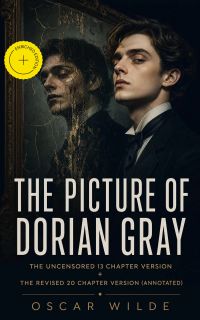
The Picture of Dorian Gray: The Uncensored 13 Chapter Version + The Revised 20 Chapter Version (Annotated)Oscar Wilde16h 12m4.5 (2.8K)$0.99 · $0.00
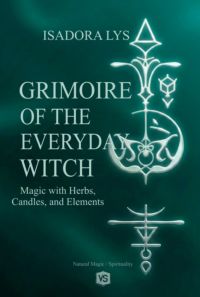
Grimoire Of The Everyday WitchIsadora Lys / Virginia Santos5h 35m4.5 (3.9K)$9 · $0.00
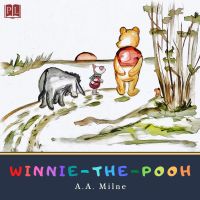
Winnie-the-PoohAlan Alexander Milne2h 52m4.5 (401.1K)$3 · $0.00

Sitting PrettyRebekah Taussig7h 33m4.5 (18.9K)$26 · $0.00

Lost In TranslationAudrey Davis9h 15m4.4 (235)Free
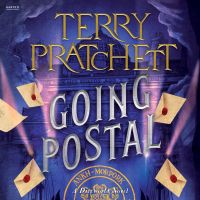
Going PostalTerry Pratchett13h 36m4.5 (163.8K)$33 · $0.00

Woman UninterruptedBrodie Kane7h 1m4.6 (562)$24 · $0.00
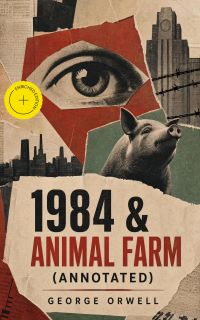
1984 & Animal Farm (Annotated)George Orwell15h 54m4.5 (220.8K)$1.99 · $0.00

Kingsblood Royal (Annotated)Sinclair Lewis14h 42m4.6 (264)$2 · $0.00

This Is Going to HurtAdam Kay5h 47m4.4 (444.7K)$24 · $0.00

You Will Get Through This NightDaniel Howell6h 56m4.4 (11.8K)$24 · $0.00

Northanger Abbey (Annotated)Jane Austen10h 7m4.5 (1.6K)$2 · $0.00

My Dear HamiltonStephanie Dray, Laura Kamoie23h 7m4.4 (63.6K)$46 · $0.00
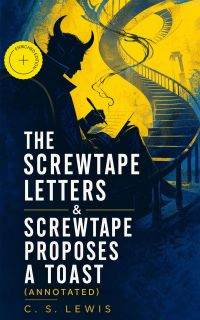
THE SCREWTAPE LETTERS & SCREWTAPE PROPOSES A TOAST (Annotated)C. S. Lewis5h 6m4.4 (471K)$2 · $0.00
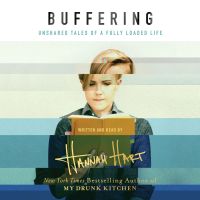
BufferingHannah Hart5h 55m4.4 (12.4K)$24 · $0.00

The Office BFFsJenna Fischer, Angela Kinsey8h 26m4.3 (45.4K)$26 · $0.00

The Collected Stories of Dorothy ParkerDorothy Parker8h 36m4.3 (13.6K)$1 · $0.00
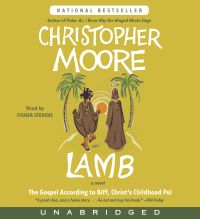
LambChristopher Moore15h 22m4.3 (211.3K)$33 · $0.00
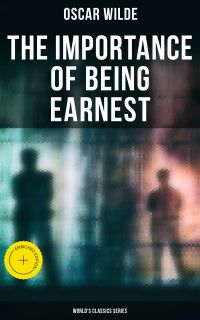
The Importance of Being Earnest (World's Classics Series)Oscar Wilde4h 10m4.3 (467.3K)$1.99 · $0.00

#IMomSoHardKristin Hensley, Jen Smedley7h 19m4.3 (7.3K)$24 · $0.00
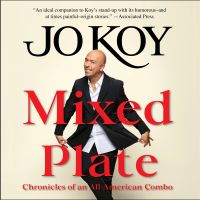
Mixed PlateJo Koy8h 18m4.3 (7.1K)$26 · $0.00

Over the TopJonathan Van Ness5h 50m4.3 (87.3K)$24 · $0.00
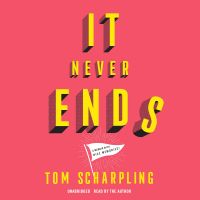
It Never EndsTom Scharpling8h 53m4.4 (2.3K)$20 · $0.00
More Tales of the CityArmistead Maupin8h 23m4.3 (22.6K)$26 · $0.00
You may also like
The Good CompanionsJ. B. Priestley27h 34m4.1 (1.5K)$0.99 · $0.00
The Days of Anna MadrigalArmistead Maupin7h 13m4.2 (18K)$24 · $0.00
David CopperfieldCharles Dickens83h 19m4.2 (313.8K)$1.99 · $0.00
DublinersJames Joyce8h 24m4.0 (230K)$1 · $0.00
The Harvard Fiction Classics in 20 Volumes (Complete Collection)Henry James, George Eliot, Henry Fielding, Laurence Sterne, Jane Austen, Walter Scott, William Makepeace Thackeray, Charles Dickens, Nathaniel Hawthorne, Washington Irving, Edgar Allan Poe, Francis Bret Harte, Mark Twain, Edward Everett Hale, Victor Hugo, Honoré Balzac, George Sand, Alfred de Musset, Alphonse Daudet, Guy de Maupassant, Johann Wolfgang Goethe, Gottfried Keller, Theodor Storm, Theodor Fontane, Leo Tolstoy, Fyodor Dostoevsky, Ivan Turgenev, Juan Valera, Bjørnstjerne Bjørnson, Alexander L. Kielland384h 16m4.2 (264)$1.99 · $0.00
Al Jaffee's Mad LifeMary-Lou Weisman6h 41m4.1 (318)$24 · $0.00

Personal Memoirs of U. S. GrantUlysses S. Grant30h 36m4.4 (18.1K)$2 · $0.00

The Garden Party and Other StoriesKatherine Mansfield7h4.0 (14.8K)$23
KippsH. G. Wells10h 54m3.6 (2.2K)$1 · $0.00
WringerJerry Spinelli4h 37m3.9 (35K)$20 · $0.00

The History of Mr. PollyH. G. Wells7h 53m3.8 (4.4K)$23

Coming up for airGeorge Orwell8h 29m3.9 (26.7K)$4 · $0.00
The Life and Opinions of Tristram Shandy, GentlemanLaurence Sterne18h 56m3.9 (40.8K)Free
Trying to Save Piggy SneedIrving, John11h 58m3.7 (8.6K)Free

Belinda (Annotated)Maria Edgeworth21h 17m3.7 (4K)$2 · $0.00
The Way of All FleshSamuel Butler17h 38m3.8 (12.7K)$2 · $0.00
The Life & Times of Mark Twain - 4 Biographical Works in One EditionMark Twain84h 48m$1.99 · $0.00

DUBLINERS (Modern Classics Series) (Annotated)James Joyce8h 47m4.4 (12)$0.99 · $0.00

Sube CaneBellamy Partridge8h 30m$1 · $0.00
Charles Dickens: His Life and WorkStephen Butler Leacock9h 52m3.9 (28)$2 · $0.00