
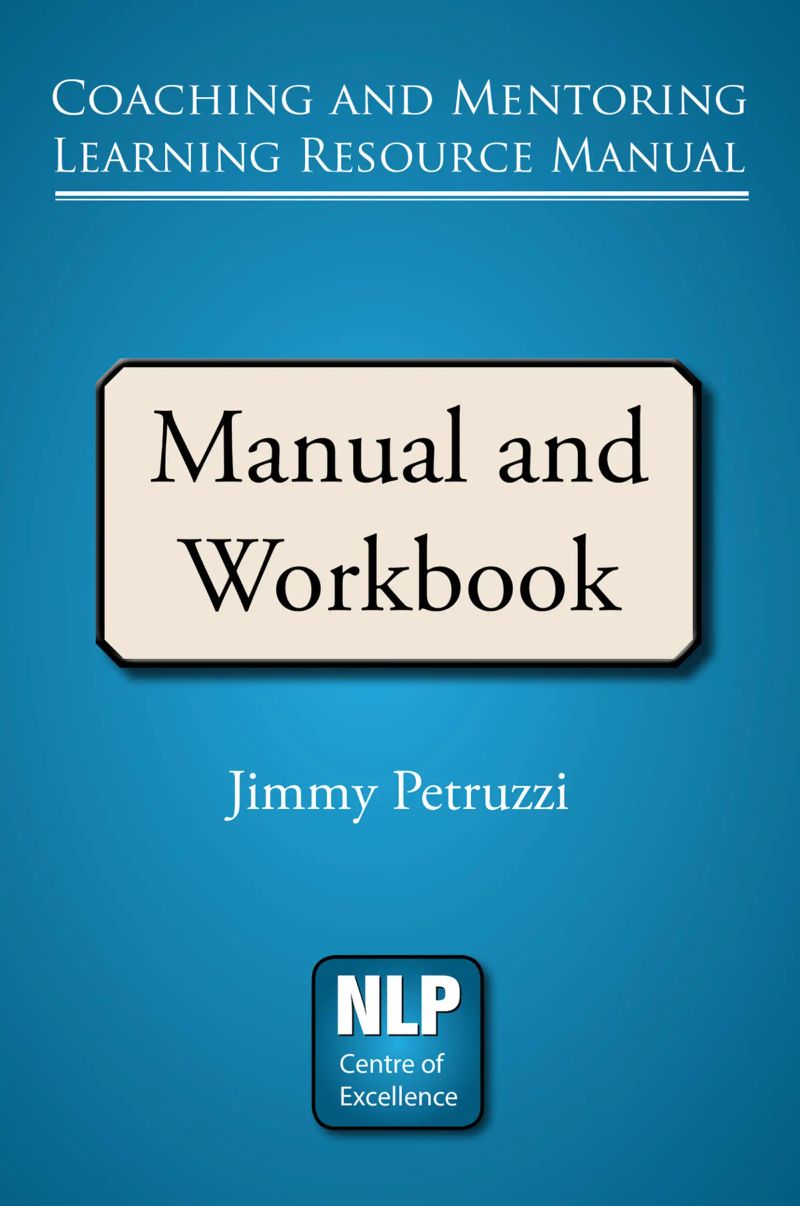
Coaching and Mentoring Resource Manual
By Jimmy Petruzzi


Length3h 46m
About this audiobook
Widely recognised as a leading practical resource on coaching and mentoring, The Coaching and Mentoring Learning Resource Manual by Jimmy Petruzzi combines an understanding of coaching and mentoring principles, skills, attitudes and behaviours, along with practical guidance and a comprehensive tool kit for coaches and mentors.
A pragmatic and passionate learning resource that establishes the many benefits of coaching and mentoring in order to create a working environment for individuals and organizations to ensure that both fulfil their full potential.
Whether you are an existing trainer, teacher, coach, mentor, leader of manager, or if you are studying to become a coach or mentor. This manual helps to reinforce existing skills, and learn and adapt new skills.
The Coaching and Mentoring Learning Resource Manual is interactive, with exercises that adhere to specific Coaching and Mentoring assessment criteria.
Audiobook details
GenreBusiness and Economics
Length3 hrs 46 mins
Narrated byListen with 1,000+ voices
FormateBook with Audio
Publish dateOct 14, 2012
LanguageEnglish
Table of contents
1AC 1.1: The Skills, Principles and Practice of Effective Management Coaching and Mentoring
2The Purpose of Coaching and Mentoring Within an Organisational Context
3• Exercise:
4The Skills, Behaviours, Attitudes, Beliefs and Values of an Effective Coach or Mentor
5Coaching
Show all chaptersShow less
6• Exercise:
7Mentoring
8• Exercise:
9How does coaching and mentoring compare to therapy and counselling?
10Organisational Context – Vision, Mission, Size and Structure and readiness for Coaching and Mentoring
11Organisational Vision and Policy
12Organisational Mission and Strategy
13Organisational Size and Structure
14Organisational Culture including Management Style
15• Exercise:
16Individual and Organisational Benefits of Coaching and Mentoring
17• Exercise
18• Read online/take notes, or download: The Costs and Benefits of Coaching and Mentoring
19AC 1.3 Alternative Strategies for Developing and Supporting Employees, Including Different Training Strategies
20• Checklist
21Exercise: Cost and benefits and utility in developing particular knowledge and skills.
22Informal Learning Opportunities: Coaching and Mentoring in the “Corridor”
23Exercise:
24Corporate Objectives and the Contribution of Coaching and Mentoring to their achievement
25The Wake Up Call
26AC 1.2 Organisational, Operational and Individual Barriers to forming a Coaching and Mentoring Culture – and what to do about them.
27• Exercise:
28• Extra reading recommended
29Organisational Barriers and Strategies to Overcome Them.
30• Summary Box: Organisational Barriers and Strategies to Fix These
31Operational Barriers and Strategies to Overcome them.
32• Exercise:
33Individual Barriers and Strategies to Overcome them.
34Techniques for Programme Monitoring, Review and Evaluation.
35AC 2.1 Different Perspectives on Mentoring and Coaching
36Contracting and Agreeing the Coaching Process and Framework
37• Exercise:
38Organisational Context of Coaching
39Senior Manager Buy-In
40Other Related Policies and Procedures
41Different Models of Learning Style and Preference
42• Extra reading recommended
43The Knowledge, Skills and Behaviours of an Effective Coach and Mentor.
44Build rapport or relationship
45Focused listening
46Effective questioning
47• Exercise:
48Constructive feedback
49• Exercise:
50Models of Coaching and Mentoring able to Contribute to Performance Improvement.
More from Jimmy Petruzzi

Never Split the DifferenceChris Voss, Tahl Raz8h 7m4.4 (277.7K)$26 · $0.00
The Intelligent Investor Rev Ed.Benjamin Graham17h 48m4.3 (191.5K)$40 · $0.00
The Hard Thing About Hard ThingsBen Horowitz7h 57m4.2 (134.3K)$26 · $0.00
Boundaries for LeadersHenry Cloud7h 36m4.3 (3.6K)$26 · $0.00

Not Everything Counts but Everything Matters: The powerful and inspirational new book about leadership and achieving success from the visionary multi-premiership winning Panthers coachIvan Cleary6h 1m4.6 (680)$24 · $0.00
BuildTony Fadell11h 5m4.5 (14.3K)$8 · $0.00
The Joys Of CompoundingGautam Baid17h 34m4.5 (2.5K)$18 · $0.00
Basic EconomicsThomas Sowell18h 32m4.5 (29.3K)$28 · $0.00

Poor Charlie’s AlmanackGrover Gardener, Charles T. Munger13h 9m4.5 (24.7K)$18 · $0.00

The Ambuja StoryNarotam Sekhsaria13h 59m4.5 (830)$33 · $0.00

The Secret Door to SuccessFlorence Scovel Shinn2h 25m4.5 (2.1K)$1.20 · $0.00

This Is Going to HurtAdam Kay5h 47m4.4 (444.7K)$24 · $0.00

Big TrustShadé Zahrai, Fayçal Sekkouah8h 36m4.6 (406)$26 · $0.00
The Intelligent Investor Third EditionBenjamin Graham, Jason Zweig20h4.4 (156.6K)$46 · $0.00

Bottle of LiesKatherine Eban14h 25m4.4 (12K)$33 · $0.00

The Antiracist Business BookTrudi Lebrón6h 10m4.6 (275)$17 · $0.00
The FormulaJoshua Robinson, Jonathan Clegg10h 41m4.4 (6.9K)$29 · $0.00
Let Them LeadJohn U. Bacon7h 10m4.5 (1.4K)$24 · $0.00

Secrets of the Millionaire MindT. Harv Eker5h 11m4.4 (301.4K)$24 · $0.00

The Person You Mean to BeDolly Chugh9h 6m4.4 (7.2K)$29 · $0.00
You may also like
Warrior MindsetMichael J. Asken1h 16m4.4 (1K)$6 · $0.00

The Science of Getting RichWallace D. Wattles2h 4m4.2 (64.7K)$1 · $0.00
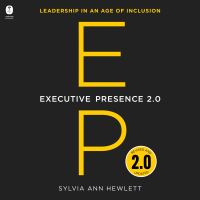
Executive Presence 2.0Sylvia Ann Hewlett9h 10m3.5 (2.6K)$29 · $0.00

Magic WordsJonah Berger6h 54m3.9 (2.6K)$24 · $0.00

The Invisible Hand of the Market: The Theory of Moral Sentiments + The Wealth of NationsAdam Smith59h 8m4.2 (1.6K)$2 · $0.00
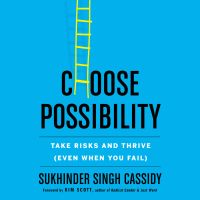
Choose PossibilitySukhinder Singh Cassidy7h 33m4.0 (774)$26 · $0.00

I Buy Healthy Food and Then Order Pizza - How to Plan Meals for the Person You Actually AreMax Paradox7h 34m$7.70 · $0.00

One Hundred Best Books (Annotated)John Cowper Powys3h 16m3.7 (136)$2 · $0.00

Should I Take the Buyout?Imad Muratspahic3h 56m$13 · $0.00
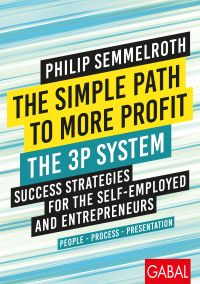
The Simple Path to More Profit: The 3P SystemPhilip Semmelroth59m4.8 (20)$0.00 · $0.00

I Have an Employee Who Always Has a Reason Why It Can’t Be Done - How to Set Clear Expectations, Hold People Accountable, and Have Difficult Conversations Without Micromanaging, Starting a War of Nerves, or Doing Everything for Someone ElseMax Paradox5h 9m$7.70 · $0.00

VIRGINIA DMV Permit Study GuideLUCAS CRANE9h 13m$11.50 · $0.00
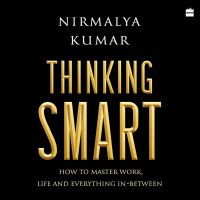
Thinking SmartNirmalya Kumar7h 22m4.0 (31)$24 · $0.00

The Brutal Truth About Happiness - It Was Never the Goal. It Was the Marketing.Max Paradox5h 46m$7.70 · $0.00
The Nonverbal CommunicatorMade for Success6h 27m$20
The Story Theater MethodDoug Stevenson1h 57m4.3 (170)$10

The TeacherJacob Abbott10h 7m2.6 (15)$2 · $0.00
Innovation CultureChristian Buchholz, Rainer Krumm1h 56m$10 · $0.00
Charming Your Way to the TopMichael Levine6h 35m3.0 (86)$14

The Metaphysical Elements of EthicsImmanuel Kant2h 50m4.0 (65)$2 · $0.00