
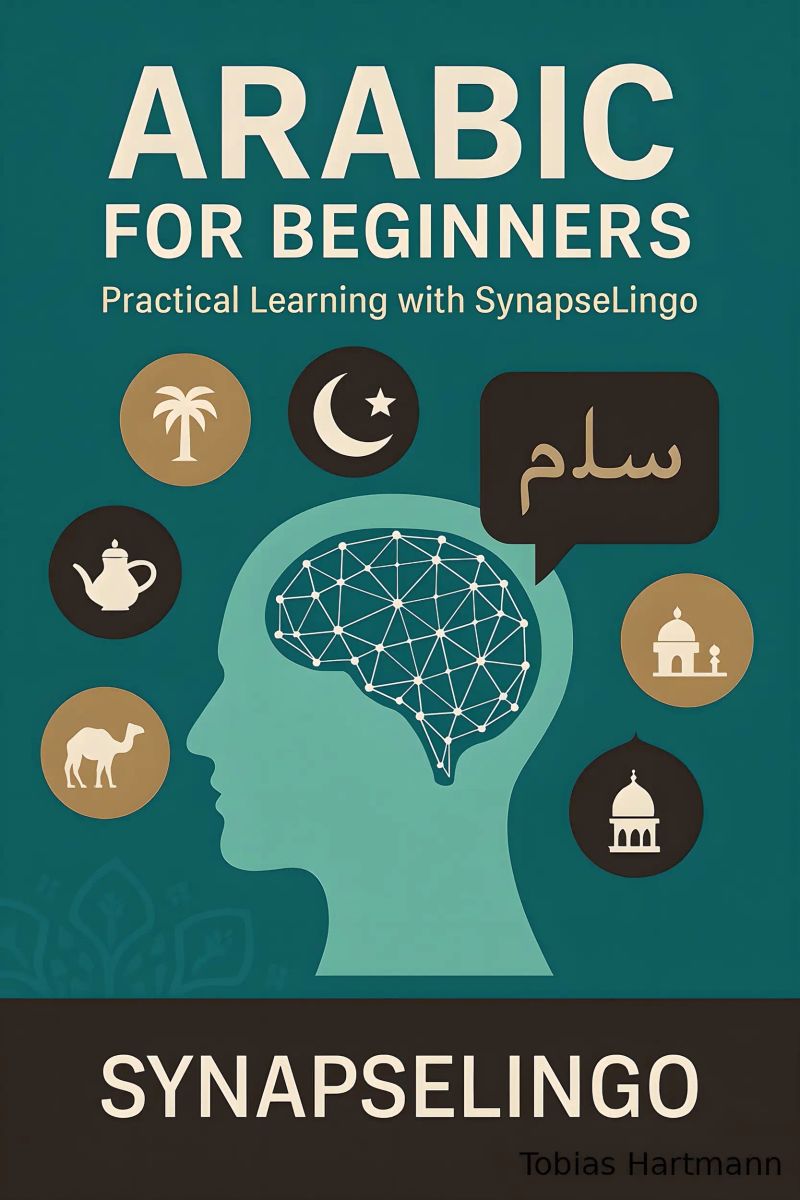
Arabic for Beginners
Practical Learning with SynapseLingoBy Tobias Hartmann, Synapse Lingo AI Tools (human-supervised)


Length1h 58m
About this audiobook
E-book with audio access and learning software via link.This practical starter course is your clear path into Arabic—designed for English-speaking learners. Begin with the essential sounds and accurate pronunciation, then progress step by step through high-frequency words, must-know phrases, and short dialogues for everyday life, travel, and family. Each unit follows a simple, repeatable structure: a brief explanation in English, a compact vocabulary list (Arabic script + transliteration), a sample dialogue, pronunciation tips, mini-exercises, and a quick review to lock in what you’ve learned.Arabic grammar is explained in plain language: word order, personal pronouns, question forms, gender and plurals, and the most useful tenses—kept practical with no jargon and easy-to-remember rules. Culture notes help you use Arabic respectfully and authentically, including greetings, politeness formulas, and a friendly overview of Modern Standard Arabic vs. dialects.Perfect for self-study at A1–A2 level, the course provides clear learning goals, time-planning tips, checklists, and short end-of-chapter checks to keep you motivated. Visual highlights make Arabic terms stand out so you can recognize them quickly in context. Whether you’re preparing for a trip, connecting with Arabic speakers, or exploring a new language, this book guides you to your first conversations—structured, motivating, and practical from page one.SynapseLingo’s approach is learning-smart: small steps, frequent review, and language you can use right away. This e-book was developed with AI-assisted tools and subsequently editorially reviewed to ensure the highest learning quality.
Audiobook details
GenreOther, General Fiction
Length1 hr 58 mins
Narrated byListen with 1,000+ voices
FormateBook with Audio
Publish dateOct 17, 2025
LanguageEnglish
Table of contents
1Lesson 1: Arabic Have: have = عند (ʿind) — from I have to they have
2Lesson 2: To Be in Arabic: يكون (yakūn) Made Easy
3Lesson 3: Go = يذهب (yadhhab): Fun Arabic Conjugation in Minutes
4Lesson 4: English to Arabic: can = يستطيع (yastaṭīʿ)
5Lesson 5: Learn Arabic Make vs Do: يصنع (yasna') vs يفعل (yafʿal) — Speak it, nail it!
Show all chaptersShow less
6Lesson 6: Arabic Past Tense: I had — كان لديّ (kāna ladayya)
7Lesson 7: English–Arabic Past: “I was” → كنت (kuntu)
8Lesson 8: Arabic Past: I went — ذهبتُ (dhahabtu)
9Lesson 9: English–Arabic Past Tense: I made = صنعت (sana'tu)
10Lesson 10: I will have سيكون لديّ (sayakūnu ladayya): Arabic Future “Have” Made Easy
11Lesson 11: English–Arabic Future Tense: I will be — سأكون (sa'akūn)
12Lesson 12: English–Arabic Future Tense: I will go سأذهب (sa'adhhab)
13Lesson 13: Learn Arabic Future Tense: I will do — سأفعل (sa'afʿalu)
14Lesson 14: Arabic for Travelers: 'Is there...?' هل هناك ...؟ (hal hunāka ...?) & 'Where is...?' أين ...؟ (ayn ...?)
15Lesson 15: Is there ...? in Arabic — Learn هل هناك ...؟ (hal hunāka ...?) fast
16Lesson 16: English to Arabic: May I ...? = هل يمكنني ...؟ (hal yumkinuni ...?)
17Lesson 17: English to Arabic: I need ... = أحتاج ... (aḥtāju ...)
18Lesson 18: Learn Arabic Fast: Where is ...? = أين ...؟ (ʾayn ...?)
19Lesson 19: Arabic Quick Win: What is ...? = ما هو ...؟ (ma huwa ...?)
20Lesson 20: English–Arabic: How much does ... cost? بكم ...؟ (bi-kam ...?)
21Lesson 21: Learn English–Arabic: I would like ... = أود ... (awaddu ...) — Polite Requests Fast
22Lesson 22: Arabic Made Easy: Can you ... ? = هل تستطيع ...؟ (hal tastatīʿ ...?)
23Lesson 23: Can you ... ? in Arabic — هل يمكنك ...؟ (hal yumkinuka ...?)
24About the Author
25Stay in Touch
Series

Ukrainian for BeginnersTobias Hartmann, Synapse Lingo AI Tools (human-supervised)1h 59m$5
Vietnamese for BeginnersTobias Hartmann, Synapse Lingo AI Tools (human-supervised)1h 45m$5
Turkish for BeginnersTobias Hartmann, Synapse Lingo AI Tools (human-supervised)1h 44m$5
Thai for BeginnersTobias Hartmann, Synapse Lingo AI Tools (human-supervised)1h 59m$5
Tagalog for BeginnersTobias Hartmann, Synapse Lingo AI Tools (human-supervised)1h 46m$5
Tamil for BeginnersTobias Hartmann, Synapse Lingo AI Tools (human-supervised)2h 1m$5
Swahili for BeginnersTobias Hartmann, Synapse Lingo AI Tools (human-supervised)1h 41m$5
Swedish for BeginnersTobias Hartmann, Synapse Lingo AI Tools (human-supervised)1h 49m$5
Slovak for BeginnersTobias Hartmann, Synapse Lingo AI Tools (human-supervised)1h 43m$5
Romanian for BeginnersTobias Hartmann, Synapse Lingo AI Tools (human-supervised)1h 49m$5
Portuguese for BeginnersTobias Hartmann, Synapse Lingo AI Tools (human-supervised)1h 46m5.0 (1)$5
Polish for BeginnersTobias Hartmann, Synapse Lingo AI Tools (human-supervised)1h 46m$5
Norwegian for BeginnersTobias Hartmann, Synapse Lingo AI Tools (human-supervised)1h 43m$5
Dutch for BeginnersTobias Hartmann, Synapse Lingo AI Tools (human-supervised)1h 43m$5
Nepali for BeginnersTobias Hartmann, Synapse Lingo AI Tools (human-supervised)1h 59m$5
Malay for BeginnersTobias Hartmann, Synapse Lingo AI Tools (human-supervised)1h 45m$5
Kazakh for BeginnersTobias Hartmann, Synapse Lingo AI Tools (human-supervised)2h 3m$5
Croatian for BeginnersTobias Hartmann, Synapse Lingo AI Tools (human-supervised)1h 43m$5
Finnish for BeginnersTobias Hartmann, Synapse Lingo AI Tools (human-supervised)1h 42m$5
Spanish for BeginnersTobias Hartmann, Synapse Lingo AI Tools (human-supervised)1h 52m$5
Mere ChristianityC. S. Lewis7h 7m4.4 (519.7K)$24 · $0.00

Her Daily BreadKate Wood12h 57m4.6 (153)$33 · $0.00
The Holy Bible - 1 SamuelKing James2h 13m4.8 (1.6K)$3 · $0.00
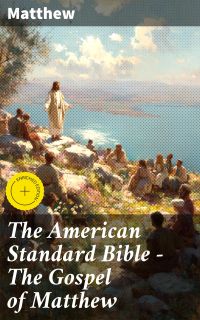
The American Standard Bible — The Gospel of MatthewMatthew3h 56m4.7 (3K)$2 · $0.00
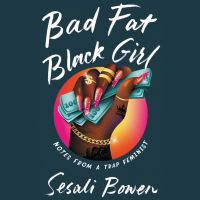
Bad Fat Black GirlSesali Bowen6h 32m4.7 (2.8K)$24 · $0.00
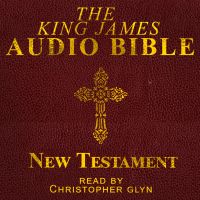
The King James Audio Bible New Testament CompleteChristopher Glyn20h 2m4.7 (2.6K)$12 · $0.00
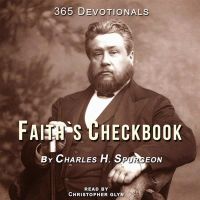
Faiths CheckbookCharles Spurgeon12h 44m4.7 (3.2K)$11 · $0.00
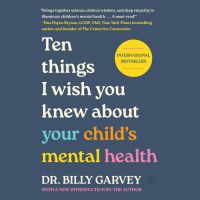
Ten Things I Wish You Knew About Your Child's Mental HealthDr. Billy Garvey4h 53m4.7 (2.4K)$20 · $0.00
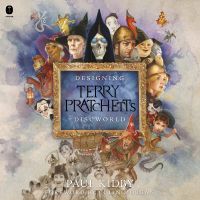
Designing Terry Pratchett’s DiscworldPaul Kidby3h 52m4.7 (343)$20 · $0.00
The Chosen Book OneAmanda Jenkins, Kristen Hendricks, Dallas Jenkins3h 8m4.6 (4.9K)$10 · $0.00
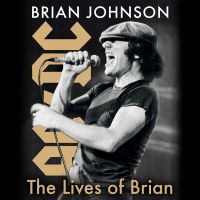
The Lives of BrianBrian Johnson9h 45m4.6 (3.5K)$29 · $0.00
Expository Thoughts on the Gospel of LukeJ.C. Ryle27h 13m4.7 (536)$18 · $0.00
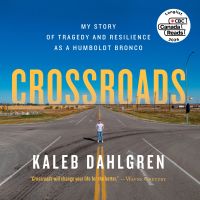
CrossroadsKaleb Dahlgren7h 56m4.6 (4.9K)$26 · $0.00

Across the RiverKent Babb11h 40m4.6 (927)$29 · $0.00
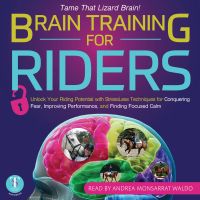
Brain Training for RidersAndrea Monsarrat Waldo5h 56m4.7 (550)$19 · $0.00

My Effin' LifeGeddy Lee17h 11m4.6 (13.1K)$40 · $0.00
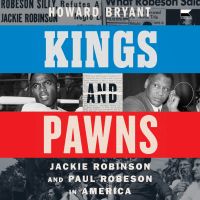
Kings and PawnsHoward Bryant10h 9m4.6 (678)$29 · $0.00

The Elementia Chronicles #2: The New OrderSean Fay Wolfe11h 17m4.6 (841)$29 · $0.00
The ActsLuke2h 55m4.6 (19.7K)$12 · $0.00
New Testament - Easy NavigationWorld English Bible19h 35m4.6 (1.3K)$1.30 · $0.00

WhistlerAnn Patchett10h 45m4.6 (4.6K)$29 · $0.00
Demon CopperheadBarbara Kingsolver21h 3m4.5 (949.4K)$46 · $0.00

To Kill a MockingbirdHarper Lee12h 18m4.5 (7.4M)$29 · $0.00
Remarkably Bright CreaturesShelby Van Pelt11h 17m4.4 (1.7M)$29 · $0.00
Cast in BloodMichelle Sagara16h 35m4.6 (607)$33 · $0.00
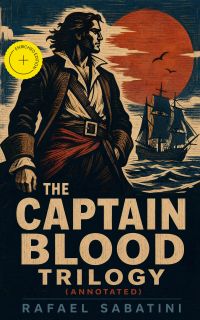
The Captain Blood Trilogy (Annotated)Rafael Sabatini29h 20m4.6 (1K)$3 · $0.00
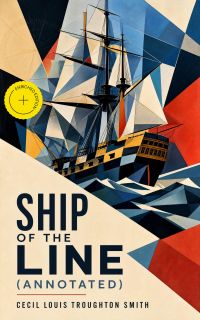
Ship of the Line (Annotated)Cecil Louis Troughton Smith11h 13m4.6 (1K)$2 · $0.00
The George Orwell CollectionGeorge Orwell24h 46m4.5 (14.4K)$12 · $0.00
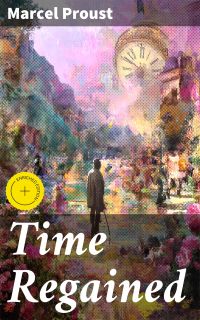
Time RegainedMarcel Proust15h 38m4.5 (9.2K)$2 · $0.00

Driving ForceElle James4h 58m4.6 (407)$20 · $0.00

When God Calls the HeartBrian Bird, Michelle Cox3h 24m4.6 (439)$10 · $0.00

Five Little IndiansMichelle Good10h 34m4.5 (64.5K)$29 · $0.00

Lolth's WarriorR. A. Salvatore13h 20m4.6 (2.4K)$33 · $0.00
The Things We Cannot SayKelly Rimmer13h 48m4.5 (359.1K)$33 · $0.00

The Love Songs of W.E.B. Du BoisHonoree Fanonne Jeffers29h 49m4.5 (58K)$8 · $0.00
Going PostalTerry Pratchett11h 23m4.5 (189.9K)$29 · $0.00

Glen AffricKarine Giebel22h 51m4.5 (3.2K)$46 · $0.00
The Book Of NegroesLawrence Hill15h 45m4.5 (107.3K)$33 · $0.00

Anne of Green GablesL. M. Montgomery11h 1m4.5 (1.2M)$2.30 · $0.00

Lieutenant Hornblower (Annotated)C. S. Forester11h 41m4.5 (2.9K)$2 · $0.00
You may also like
Day Trading AttentionGary Vaynerchuk8h 25m4.3 (1.8K)$28 · $0.00

The Hidden Power of AI for Financial GrowthNora V. Halden3h 33m5.0 (1)$2.30 · $0.00
How to Make $10K/Month with Enablement & Automation (2025 Edition)Gus Gonzalez33m5.0 (12) Only with Ultra
From Model Building to MLOpsNadia Ferreiro13h 33m$65
Introduction manual to S&OPCristina Peña1h 34m4.4 (15)$23 · $0.00
PYTHON UNLOCKEDTheo Vantage3h 20m$10
RepluggedSatnam Bains13h 47m$14 · $0.00
Ship Machine Learning Web Apps with PythonNathan Jansen8h 26m$5

The Golden BitcoinMichael A. Duniec6h 43m5.0 (1)$14.99 · $0.00
AI: From the Breakroom to the BoardroomMatthew Fischer3h 8m4.5 (132)$14.99
Final Cut Pro 12 User HanbookPaula J. Melancon6h 46m$17.50
Optimal Design and Control MathHenrik Solberg14h 48m$90
CLAUDE CODE MASTERY 2026Smart Alden6h 5m$8.50 · $0.00
Practical SQL; Query & Manage DatabaseStephen Hart5h 56m$7 · $0.00
Deep Learning on the JVMSofia Halloran7h 31m$5 · $0.00
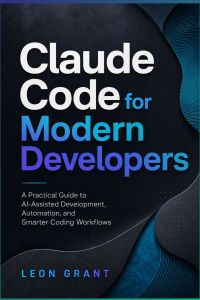
Claude Code for Modern DevelopersLeon Grant8h 21m$6.50 · $0.00
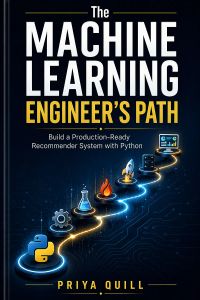
The Machine Learning Engineer's PathPriya Quill7h 34m$5
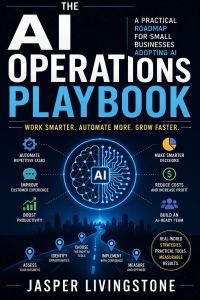
The AI Operations PlaybookJasper Livingstone5h 17m$11.50 · $0.00

The Definitive Guide To The World's Leading Artificial IntelligenceKael Novera6h 51m$8 · $0.00
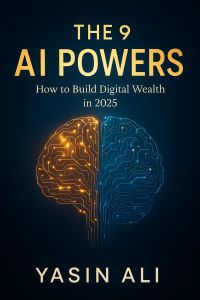
The 9 AI Powers: How to Build Digital Wealth in 2025Yasin Ali 1h 41m4.7 (12) Only with Ultra