
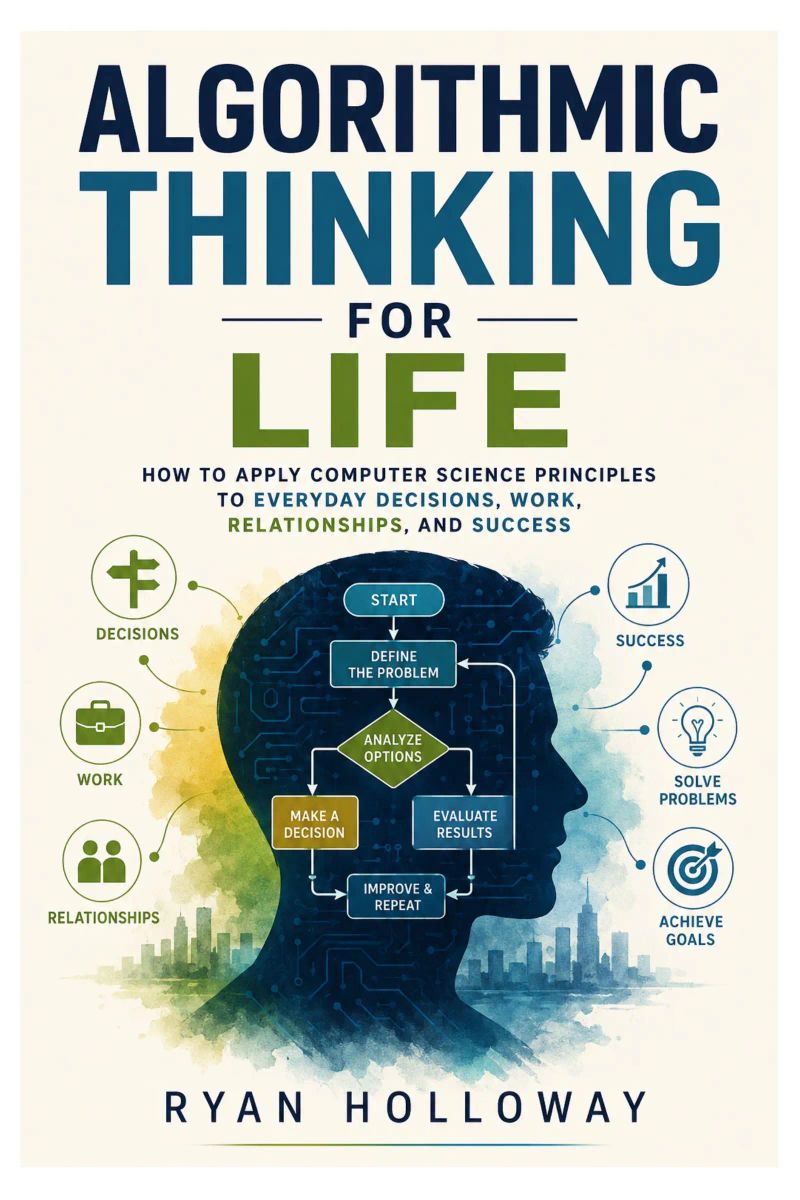
ALGORITHMIC THINKING FOR LIFE
HOW TO APPLY COMPUTER SCIENCE PRINCIPLES TO EVERYDAY DECISIONS, WORK, RELATIONSHIPS, AND SUCCESSBy Ryan Holloway


Length10h 20m
About this audiobook
Unlock the power of computer science to make better everyday decisions.
Algorithmic Thinking for Life transforms complex programming concepts into practical tools for solving real-life challenges. Discover how to break down overwhelming problems, recognize patterns, build better habits, optimize your time, make smarter decisions, and create systems that lead to lasting success.
Whether you're a student, professional, entrepreneur, leader, or lifelong learner, this practical guide will help you think more clearly, solve problems with confidence, and design a life driven by purpose instead of chance. Through simple explanations, actionable frameworks, and hands-on exercises, you'll learn how to apply algorithmic thinking to your career, finances, relationships, productivity, and personal growth.
Audiobook details
GenreTechnology, Self-Help
Length10 hrs 20 mins
Narrated byListen with 1,000+ voices
FormateBook with Audio
Publish dateJul 15, 2026
LanguageEnglish
Table of contents
1Chapter 1: What Is Algorithmic Thinking?
2Chapter 2: Breaking Big Problems Into Smaller Steps
3Chapter 3: Pattern Recognition: Seeing What Keeps Repeating
4Chapter 4: Abstraction: Focusing on What Really Matters
5Chapter 5: Decision Trees: Making Better Choices With Clear Paths
Show all chaptersShow less
6Chapter 6: If-Then Logic: Building Personal Rules That Work
7Chapter 7: Loops and Habits: Repeating What Moves You Forward
8Chapter 8: Debugging Your Life: Finding and Fixing What Is Not Working
9Chapter 9: Optimization: Getting Better Results With Less Waste
10Chapter 10: Prioritization and Sorting: Deciding What Comes First
11Chapter 11: Search Strategies: Finding Answers, Opportunities, and Direction
12Chapter 12: Data-Driven Living: Using Evidence Without Losing Yourself
13Chapter 13: Systems Thinking: Understanding How Everything Connects
14Chapter 14: Relationships, Communication, and Human Algorithms
15Introduction: Why Life Needs Better Thinking Systems
16Chapter 1: What Is Algorithmic Thinking?
17Understanding Algorithms Beyond Computers
18Why Everyday Life Is Full of Hidden Algorithms
19The Difference Between Random Action and Structured Thinking
20How Computer Science Can Improve Human Decisions
21The Benefits of Thinking in Steps, Systems, and Patterns
22Common Misunderstandings About Algorithmic Thinking
23A Simple Framework for Applying Algorithms to Life
24Chapter Reflection
25Chapter 2: Breaking Big Problems Into Smaller Steps
26The Power of Decomposition
27 Why Large Problems Feel Overwhelming
28Turning Confusion Into Clear Subtasks
29How Programmers Solve Complex Problems
30Applying Decomposition to Work, Goals, and Personal Life
31Breaking Down Emotional and Relationship Challenges
32Creating Step-by-Step Action Plans
33Practice Exercise: Decompose a Current Life Problem
34Step 1: Name the Big Problem
35Step 2: Describe Why It Feels Big
36Step 3: List Everything Inside the Problem
37Step 4: Group Similar Parts Together
38Step 5: Choose One Group to Start With
39Step 6: Break That Group Into Small Actions
40Step 7: Put the Actions in Order
41Step 8: Choose Your First Step
42Step 9: Review After Taking Action
43Example Completed Exercise
44Chapter Reflection
45Chapter 3: Pattern Recognition: Seeing What Keeps Repeating
46Why Repeated Problems Often Have Repeated Causes
47Spotting Patterns in Habits, Money, Work, and Relationships
48Patterns in Habits
49Patterns in Money
50Patterns in Work

Hands of TimeRebecca Struthers8h 8m4.4 (1.3K)$26 · $0.00
Never Lost AgainBill Kilday10h 1m4.4 (805)$29 · $0.00

How the Internet HappenedBrian McCullough13h 28m4.3 (2.7K)$23 · $0.00

Collected Writings of Nikola TeslaNikola Tesla, Thomas Commerford Martin21h 50m4.3 (1.7K)$1 · $0.00

Just AspireAjai Chowdhry9h 13m4.4 (260)$29 · $0.00

The Little Book of AliensAdam Frank8h 20m4.3 (1.3K)$26 · $0.00

The inventions, researches and writings of Nikola Tesla (Annotated)Thomas Commerford Martin16h 59m4.3 (1.3K)$2 · $0.00

KargilV.P. Malik15h 18m4.3 (2K)$24 · $0.00

Experiments with Alternating CurrentsNikola Tesla9h 16m4.3 (874)$1.99 · $0.00

Fire on the HorizonTom Shroder, John Konrad8h 23m4.3 (858)$26 · $0.00

The Smell of Kerosene (Annotated)National Aeronautics and Space Administration, Donald L. Mallick, Peter W. Merlin11h 32m4.3 (523)$2 · $0.00

The Boy Who Harnessed the WindWilliam Kamkwamba, Bryan Mealer10h 5m4.2 (78.9K)$29 · $0.00

Across the Airless WildsEarl Swift10h 8m4.3 (1.3K)$29 · $0.00

Console WarsBlake J. Harris20h 41m4.2 (13.7K)$46 · $0.00

Improvised Munitions HandbookU.S. Department of Defense4h 49m4.3 (1.6K)$0.99 · $0.00

Escaping GravityLori Garver10h 54m4.2 (2.2K)$20 · $0.00

Wireless WarsJonathan Pelson8h 2m4.3 (418)$20 · $0.00

Let There Be WaterSeth M. Siegel8h 36m4.2 (2.3K)$20 · $0.00

The PerfectionistsSimon Winchester11h 46m4.2 (9.9K)$29 · $0.00
Rethinking NarcissismDr. Craig Malkin6h 7m4.2 (3.4K)$24 · $0.00
Learning to PrayJames Martin13h 24m4.5 (3.4K)$33 · $0.00

The Happiest Man on EarthEddie Jaku3h 48m4.6 (178K)$7 · $0.00

Finding MeViola Davis9h 15m4.6 (256.4K)$29 · $0.00

Spiritual AnatomyDaaji Kamlesh D. Patel9h 47m4.7 (319)$29 · $0.00

The Dangerous Truth about Today’s MarijuanaLaura Stack CSP, MBA9h 57m4.7 (385)$20 · $0.00

The Gospel according to Spiritualism (Translated)Allan Kardec14h 39m4.6 (3.9K)$5.70 · $0.00

Birdie & HarlowTaylor Wolfe7h 50m4.6 (6.5K)$26 · $0.00

CrossroadsKaleb Dahlgren7h 56m4.6 (4.9K)$26 · $0.00

Life on the BridgeKaelynn Partlow5h 40m4.6 (1.1K)$24 · $0.00

Keep Your Love OnDanny Silk9h 4m4.6 (8.1K)$10 · $0.00

The Tao of Joy Every DayDerek Lin10h 24m4.6 (762)$20 · $0.00
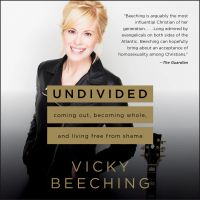
UndividedVicky Beeching9h 2m4.6 (1.3K)$29 · $0.00

HE CAN WHO THINKS HE CAN & OTHER BOOKS ON SUCCESSOrison Swett Marden5h 54m4.6 (1.2K)$1.99 · $0.00
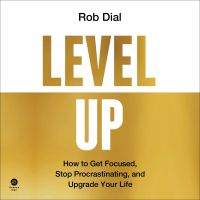
Level UpRob Dial7h 42m4.6 (3.3K)$26 · $0.00

Burn the HaystackJennie Young, PhD9h 30m4.6 (543)$29 · $0.00

ACRES OF DIAMONDS: Our Every-day Opportunities (Wisdom & Empowerment Series) (Annotated)Russell Conwell2h 26m4.6 (1K)$2 · $0.00

Good InsideBecky Kennedy9h 55m4.5 (59.3K)$29 · $0.00

The Lost VoiceGreta Morgan8h 30m4.7 (285)$26 · $0.00

Stripped DownBunnie Xo8h 25m4.5 (32.9K)$26 · $0.00

UnthinkableJamie Raskin15h 8m4.5 (9.3K)$8 · $0.00
You may also like

As a Man ThinkethJames Allen54m4.3 (134.1K)$1.20 · $0.00

MillenneagramHannah Paasch6h 8m3.9 (2.2K)$24 · $0.00

The Book of MeditationsJames Allen6h 43m4.2 (345)$4.50 · $0.00

Thought VibrationWilliam Walker Atkinson3h 15m4.3 (3.3K)$1.99 · $0.00

The Revealing WordCharles Fillmore8h 12m4.6 (454)$2 · $0.00

Hello, HabitsFumio Sasaki7h 16m3.8 (8.5K)$17

As a Man thinkethJames Allen42m4.2 (117.2K)$2 · $0.00
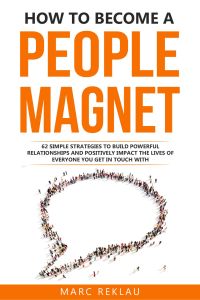
How to Become a People MagnetMarc Reklau2h 27m4.0 (3.5K) Only with Ultra
HE CAN WHO THINKS HE CAN & OTHER BOOKS ON SUCCESSOrison Swett Marden5h 54m4.6 (1.2K)$1.99 · $0.00

Own the Day, Own Your LifeAubrey Marcus11h 5m4.1 (18.6K)$29 · $0.00

I Decide Who Pushes My ButtonsKarin Kuschik6h 46m4.3 (2.3K)$24 · $0.00

A Year of MiraclesMarianne Williamson6h 36m4.5 (2.4K)$24 · $0.00
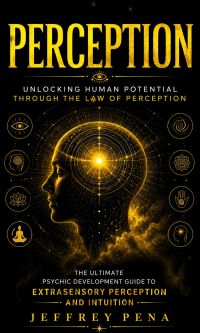
Perception: Unlocking Human Potential Through the Law of Perception (The Ultimate Psychic Development Guide to Extrasensory Perception and Intuition)Jeffrey Pena2h 46m$3.50 · $0.00
Leading from the Edge of the InsideJim Moats6h 7m$25

Trillionaire MindJony Peixoto10h 13m$15 · $0.00
Optimal OutcomesJennifer Goldman-Wetzler5h 58m3.9 (245)$24 · $0.00

Self Realization: Journey to Self Discovery and Spiritual Guide for Self Transformation (Practical Tools for Self-Care, Emotional Healing, and Self-Realization)David Hoerr1h 1m$3.40 · $0.00
Life Questions, Spiritual AnswersAdrian Tanase19h 6m$23 · $0.00

IBS-Friendly Cookbook for BeginnersEloise Quinn5h 21m$10

How to control your DestinyAnthony Norvell7h 21m4.5 (34)$5.10 · $0.00