
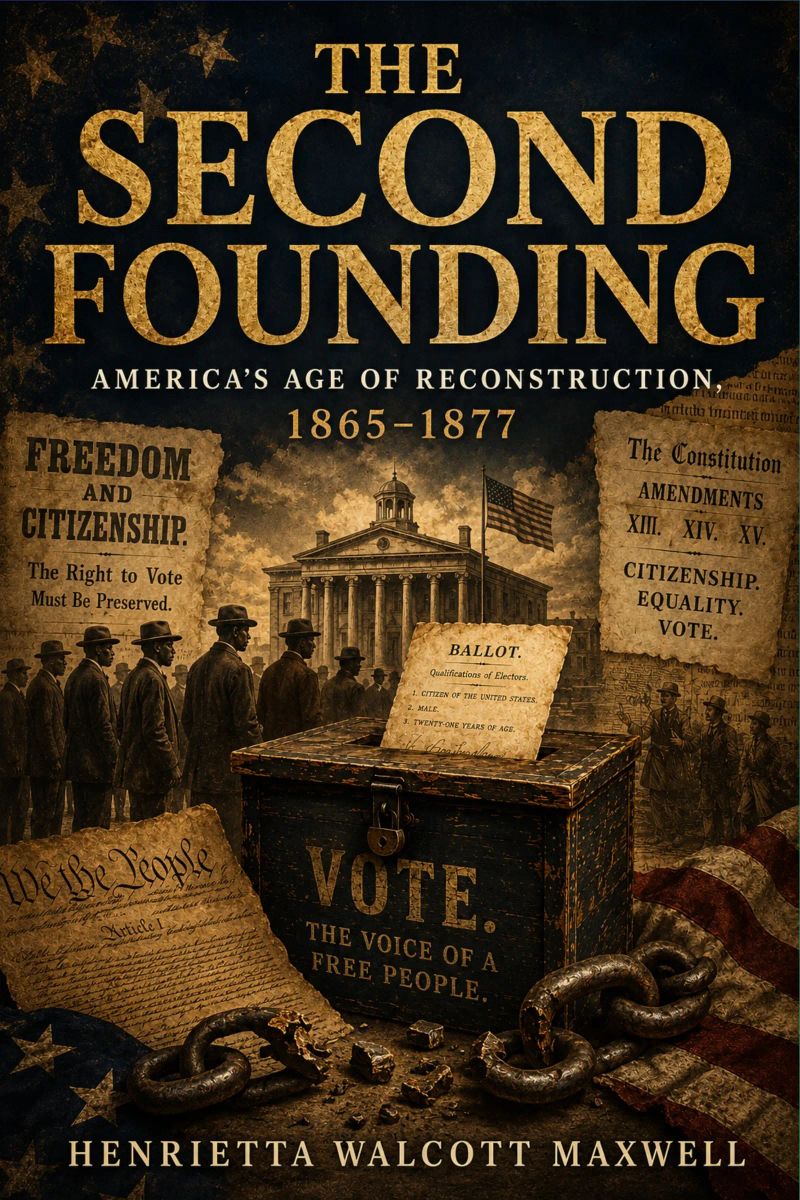
THE SECOND FOUNDING
America's Age of Reconstruction, 1865–1877By Henrietta Walcott Maxwell


Length6h 5m
About this audiobook
The complete narrative history of Reconstruction, 1865-1877 — the Fourteenth Amendment, Black political power, the Freedmen's Bureau, and the counterrevolution that buried America's unfinished revolution.
On January 1, 1863, the crowd at Camp Saxton, South Carolina — a contraband camp on the old Smith Plantation at Port Royal — erupted when the Emancipation Proclamation was read aloud. Old men and women born into bondage began to sing "My Country 'Tis of Thee," and Thomas Wentworth Higginson, commanding the First South Carolina Volunteers, the first Black regiment in the Union Army, could not make them stop. What came next was the most revolutionary period in American history, and the nation abandoned it.
Henrietta Walcott Maxwell traces Reconstruction's full arc: from Andrew Johnson's 13,500 pardons that restored Confederate land while 40,000 freedpeople farmed Sea Island plots under Sherman's Special Field Order No. 15, through the Radical Republicans' constitutional revolution — Thaddeus Stevens, Charles Sumner, the Fourteenth Amendment, and the Fifteenth Amendment — to the Redeemer counterrevolution and the Compromise of 1877 that handed the South back to the men who had tried to destroy the Union.
Inside this Reconstruction history:
• The promise denied — how Andrew Johnson issued 13,500 pardons in 1865, restored confiscated land to former Confederates, and gave the former ruling class the two years it needed to reestablish control before Congress could act (Chapter 3)
• The Black Codes — Mississippi's vagrancy law that criminalized unemployment and handed convicted men to employers for up to a year; South Carolina's code that renamed enslaved people "servants" while preserving every mechanism of plantation labor (Chapter 4)
• Thaddeus Stevens's arithmetic — his September 1865 proposal to confiscate Confederate estates over 500 acres, give 40 acres to each freedman family, and sell the remainder for $4 billion in school funding — and why it failed (Chapter 5)
• Black political power — South Carolina's constitutional convention of 76 Black delegates out of 124, Robert Brown Elliott educated in England, Francis Cardozo educated at Glasgow; Mississippi registering 60,167 Black voters against 46,636 white in 1867 (Chapters 9, 7)
• The Fourteenth Amendment's long sleep — from the Slaughterhouse Cases (1873) and Plessy v. Ferguson (1896) gutting its text, to Thurgood Marshall reaching for its equal protection clause in Brown v. Board (1954) (Chapter 6)
• The historians' reckoning — from William Dunning's "negro domination" myth to W.E.B. Du Bois's 1935 demolition in Black Reconstruction to Eric Foner's 1988 synthesis — how America forgot and remembered (Chapter 23)
The Reconstruction Amendments — the Thirteenth, Fourteenth, and Fifteenth — survived the Redeemer counterrevolution as "sleeping giants," available to every generation willing to use them. The freedpeople built churches, schools, and mutual aid societies in a dozen years; those institutions outlasted Jim Crow and became the organizational infrastructure of the civil rights movement. Reconstruction was America's unfinished revolution. Its work is still unfinished.
For readers of Eric Foner's RECONSTRUCTION and Henry Louis Gates Jr.'s STONY THE ROAD.
Audiobook details
GenreHistory
Length6 hrs 5 mins
Narrated byListen with 1,000+ voices
FormateBook with Audio
Publish dateJun 1, 2026
LanguageEnglish
Table of contents
1Introduction
2Prologue: The Promise of Freedom
3PART ONE: THE YEAR OF JUBILEE (1865)
4Chapter 1: Emancipation's Morning — The Freed People and the New World
5Chapter 2: The Freedmen's Bureau — Federal Power and the New Order
Mostrar todos os capítulosVer menos
6Chapter 3: Presidential Reconstruction — Andrew Johnson's Betrayal
7Chapter 4: Black Codes — The South's Attempt to Restore Bondage
8PART TWO: CONGRESSIONAL RECONSTRUCTION (1866–1870)
9Chapter 5: Radical Republicans — Stevens, Sumner, and the Revolutionary Program
10Chapter 6: The Fourteenth Amendment — Citizenship and Equal Protection
11Chapter 7: The Reconstruction Acts of 1867 — Military Occupation and Political Reorganization
12Chapter 8: The Fifteenth Amendment — The Right to Vote
13PART THREE: THE RECONSTRUCTED SOUTH (1868–1873)
14Chapter 9: Black Political Power — Legislators, Senators, and Governors
15Chapter 10: Reconstruction Governments — Achievements and Achievements
16Chapter 11: The Ku Klux Klan — Terror and the White Counterrevolution
17Chapter 12: Grant and Enforcement — Federal Power and Its Limits
18PART FOUR: FREEDOM AND ITS MEANINGS (1865–1877)
19Chapter 13: Forty Acres — Land, Labor, and the Promise Denied
20Chapter 14: The Schools of Freedom — Black Education in the New South
21Chapter 15: The Black Church — Institution, Community, and Resistance
22Chapter 16: Women in Reconstruction — Race, Gender, and Political Life
23PART FIVE: THE END OF RECONSTRUCTION (1873–1877)
24Chapter 17: The Panic of 1873 — Economic Collapse and Political Realignment
25Chapter 18: Redeemers — Massacre, Terror, and the Counterrevolution
26Chapter 19: The Disputed Election of 1876 — Democracy's Crisis
27Chapter 20: The Compromise of 1877 — The Betrayal of Black America
28PART SIX: LEGACIES (1877–PRESENT)
29Chapter 21: Jim Crow — The Architecture of Racial Subordination
30Chapter 22: What Reconstruction Achieved — The Permanent Gains
31Chapter 23: The Historians' Reconstruction — From Dunning to Du Bois and Beyond
32Chapter 24: The Second Reconstruction — Civil Rights and the Unfinished Work
33Epilogue: The Unfinished Revolution
34Acknowledgments
35Selected Bibliography
36About the Author
More from Henrietta Walcott Maxwell

A Brief History of IntelligenceMax S. Bennett12h 18m4.6 (6.6K)$29 · $0.00

The Daughter of AuschwitzTova Friedman, Malcolm Brabant7h 54m4.6 (16.7K)$26 · $0.00

Lily's PromiseLily Ebert, Dov Forman8h 54m4.6 (16.1K)$29 · $0.00
On Democracies and Death CultsDouglas Murray10h 38m4.6 (6.5K)$29 · $0.00

Across the RiverKent Babb11h 40m4.6 (927)$29 · $0.00

Balcony Over Jerusalem: A Middle East Memoir - Israel, Palestine and BeyondJohn Lyons12h 37m4.6 (1.4K)$33 · $0.00

BeyondStephen Walker15h 39m4.6 (3.2K)$33 · $0.00
Kings and PawnsHoward Bryant10h 9m4.6 (678)$29 · $0.00

No EscapeNury Turkel9h 30m4.6 (809)$28 · $0.00

Jubal Stone: U.S. Marshal: Blood Trail To Hell: A Western Adventure NovelCasey Nash3h 42m4.6 (3.2K)$18 · $0.00

Fall and RiseMitchell Zuckoff17h 23m4.6 (9.8K)$40 · $0.00
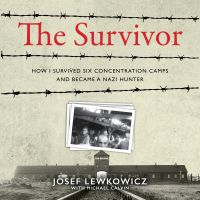
The SurvivorJosef Lewkowicz, Michael Calvin9h 22m4.6 (2.5K)$29 · $0.00

Always FaithfulThomas Schueman, Zainullah Zaki12h 12m4.6 (977)$29 · $0.00

The State of Society in France Before the Revolution of 1789 (Annotated)Alexis de Tocqueville17h 25m4.6 (1.2K)$2 · $0.00

All the Gallant MenDonald Stratton, Ken Gire5h 55m4.6 (11.8K)$24 · $0.00
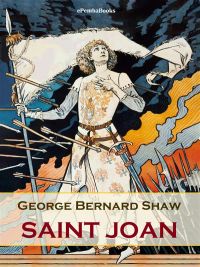
Saint Joan (Annotated)George Bernard Shaw6h 20m4.6 (1.2K)$1.20 · $0.00
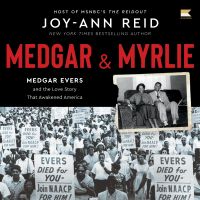
Medgar and MyrlieJoy-Ann Reid10h 52m4.5 (27.8K)$29 · $0.00
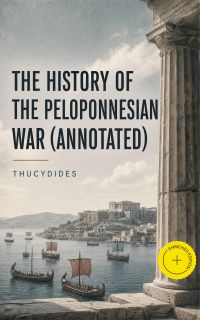
The History of the Peloponnesian War (Annotated)Thucydides24h 3m4.6 (1.1K)$2 · $0.00

Where the Birds Never SingJack Sacco10h 31m4.6 (3.8K)$29 · $0.00

Serviceman J: The Untold Story of an NZSAS SoldierJamie Pennell5h 51m4.6 (452)$24 · $0.00
You may also like
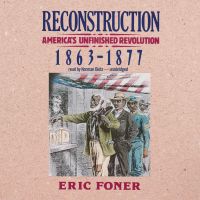
ReconstructionEric Foner30h 45m4.4 (10K)$30
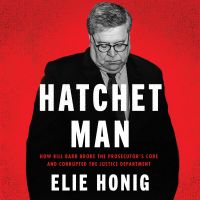
Hatchet ManElie Honig8h 21m4.3 (2.1K)$26 · $0.00
Lies My Therapist Told MeGreg E. Gifford9h 3m4.6 (503)$29 · $0.00
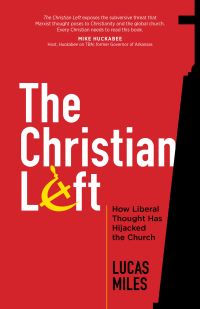
The Christian LeftLucas Miles7h 25m4.3 (615)$10 · $0.00
The Wake-Up CallJohn Micklethwait, Adrian Wooldridge4h 28m3.9 (1.7K)$20 · $0.00

The Future of NutritionT. Colin Campbell PhD11h 6m4.2 (1.2K)$20
The Rise and Fall of the Confederate Government (Vol. 1&2) (Annotated)Jefferson Davis65h 17m4.6 (1.2K)$2 · $0.00

The Jewish State (Annotated)Theodor Herzl5h 13m3.9 (3.2K)$2 · $0.00
Christianity and WokenessOwen Strachan7h 59m4.3 (1.2K)$20

The Future of the Catholic Church with Pope FrancisGarry Wills8h 25m3.7 (317)$20 · $0.00

The Critical Period of American HistoryJohn Fiske8h 55m4.0 (276)$1 · $0.00

The Patch That Broke UsAUDREY CAMERON4h 31m$6.50 · $0.00

The Patch He Gave HerRae Halloway7h 37m$5
Disunion and Restoration in TennesseeJohn Randolph Neal2h 33m$2.30

The JewsHilaire Belloc8h 27m4.1 (156)$2.30

A Nation like No OtherNewt Gingrich7h 58m4.0 (225)$17 · $0.00

The Last MagazineMichael Hastings9h 10m3.5 (1K)$23 · $0.00
Open Letter to President McKinley by Colored People of MassachusettsColored National League24m$1 · $0.00
Constitution of the Fiji IslandsRepublic of the Fiji Islands4h 49m$2 · $0.00

The Marylebone Penny Readings and Their CriticsHenry Taylor18m$2 · $0.00