

The brazilian CFIA model as a mechanism for enhancing protection and respect for socio-economic rights
By Marina Martins Martes


Length10h 40m
About this audiobook
This research evaluates whether the new model of investment agreement developed by Brazil (CFIA) is a mechanism for enhancing protection and respect for social and economic rights. The research starts by exploring the origins of investment treaties, their development and main characteristics. It examines why investment treaties and socio-economic rights are related, by mapping cases in which investment treaties have already impaired the protection of such rights. The research then analyzes how these two issues shall be jointly handled. It considers international organizations? initiatives to regulate business and human rights and investment treaties? frameworks that foster sustainable development, as well as new investment agreements? models developed by different countries, and then suggests criteria for evaluating whether an investment treaty is adequate from the socio-economic rights standpoint. Finally, this research investigates the CFIA model, brings a brief historical overview, evaluates CFIAs? wording, and examines how some CFIAs? institutional mechanisms consider corporate social responsibility issues. In conclusion, this research asserts that the CFIA model can be a mechanism for enhancing protection and respect for socio-economic rights, but some concerns (particularly related to safeguarding States? regulatory space and providing for stronger obligations to investors and States to protect human rights) need to be addressed.
Audiobook details
GenrePolitics and Government
Length10 hrs 40 mins
Narrated byListen with 1,000+ voices
FormateBook with Audio
Publish dateSep 28, 2023
LanguageEnglish
Table of contents
1AGRADECIMENTOS
2PRELIMINARY NOTES ON METHODOLOGY
31. METHODOLOGICAL CUTTINGS
42. RESEARCH METHODS: 2.1. CASE ANALYSIS
52.2. CFIA MODEL EVALUATION
Mostrar todos os capítulosVer menos
62.3. INTERVIEWS
7INTRODUCTION
81. THE PURPOSE OF INVESTMENT AGREEMENTS
91.1. A BRIEF HISTORICAL OVERVIEW OF FOREIGN INVESTMENT LAW
101.2. INVESTMENT AGREEMENTS’ MOST COMMON PROVISIONS
111.2.1. EXPROPRIATION
121.2.2. NATIONAL TREATMENT
131.2.3. MOST FAVORED NATION
141.2.4. FAIR AND EQUITABLE TREATMENT (FET)
151.2.5. FULL PROTECTION AND SECURITY (FPS)
161.2.6. UMBRELLA CLAUSE
171.2.7. DISPUTE SETTLEMENT
181.2.8. EMERGENCY, NECESSITY AND PUBLIC ORDER
191.3. WHAT IS THE PURPOSE OF INVESTMENT AGREEMENTS?
202. THE RELATION BETWEEN SOCIO-ECONOMIC RIGHTS AND INVESTMENT AGREEMENTS
212.1. WHAT ARE SOCIAL AND ECONOMIC RIGHTS?
222.2. HOW FDI MAY AFFECT SOCIO-ECONOMIC RIGHTS?
232.2.1. REVIEW OF THE RELEVANT LITERATURE
242.2.2. CASE ANALYSIS
252.2.2.1 PHILIP MORRIS V. URUGUAY
262.2.2.2. BEAR CREEK MINING V. PERU
272.2.2.2. COPPER MESA V. ECUADOR
282.2.2.3. CRYSTALLEX V. VENEZUELA
292.2.2.4. GOLD RESERVE V. VENEZUELA
302.2.2.5. TECMED V. MEXICO
312.2.2.6. ARGENTINIAN CASES ON WATER SECTOR
322.2.2.7. ARGENTINIAN CASES ON ELECTRICITY SECTOR
332.2.2.8. ARGENTINIAN CASES ON GAS SECTOR
342.2.2.9. URBASER V. ARGENTINA
352.2.2.10. PRELIMINARY CONCLUSION
362.3. INVESTMENT AND HUMAN RIGHTS ARE COMPLEMENTARY AND REINFORCING MATTERS
373. HOW TO PROMOTE PROTECTION AND RESPECT FOR SOCIO-ECONOMIC RIGHTS UNDER INVESTMENT AGREEMENTS?
383.1. INTERNATIONAL INSTRUMENTS ON BUSINESS AND HUMAN RIGHTS, CSR, AND RESPONSIBLE BUSINESS CONDUCT
393.1.1. UN GUIDING PRINCIPLES ON BUSINESS AND HR
403.1.2. OECD GUIDELINES FOR MULTINATIONAL ENTERPRISES
413.1.3. CORPORATE RESPONSIBILITY
423.1.4. HOW CAN STATES ENHANCE CORPORATE SOCIAL RESPONSIBILITY?
433.1.5. THE DRAFT TREATY ON BUSINESS AND HUMAN RIGHTS
443.2. HOW THE INVESTMENT SYSTEM IS BEING REDESIGNED?
453.2.1. UNCTAD’S INVESTMENT POLICY FRAMEWORK FOR SUSTAINABLE DEVELOPMENT
463.2.2. NEW INVESTMENT AGREEMENT MODELS
473.2.2.1 SCOPE
483.2.2.2. NATIONAL TREATMENT AND MOST FAVORED NATION
493.2.2.3. EXPROPRIATION
503.2.2.4. FET AND FPS STANDARDS

KrantikariSanjeev Sanyal11h 44m4.6 (1.3K)$16 · $0.00

Unbroken Bonds of BattleJohnny Joey Jones8h 31m4.6 (2.6K)$8 · $0.00
On Democracies and Death CultsDouglas Murray10h 38m4.6 (6.5K)$29 · $0.00

Balcony Over Jerusalem: A Middle East Memoir - Israel, Palestine and BeyondJohn Lyons12h 37m4.6 (1.4K)$33 · $0.00
RiggedMollie Hemingway12h 48m4.6 (4.2K)$23 · $0.00
SledgehammerDavid Friedman8h 21m4.7 (589)$26 · $0.00
Citizenship in a Republic (Annotated)Theodore Roosevelt2h 44m4.6 (1.4K)$2 · $0.00
No EscapeNury Turkel9h 30m4.6 (809)$28 · $0.00

Always FaithfulThomas Schueman, Zainullah Zaki12h 12m4.6 (977)$29 · $0.00
UnthinkableJamie Raskin15h 8m4.5 (9.3K)$8 · $0.00

My Fourth Time, We DrownedSally Hayden13h 59m4.6 (2.9K)$23 · $0.00
A Revolution of Common SenseScott Jennings9h 29m4.6 (528)$29 · $0.00
Statement From the Dock at the Rivonia TrialNelson Mandela2h 18m4.6 (1.3K)$1 · $0.00
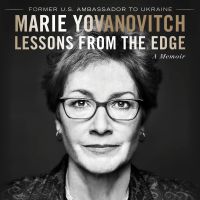
Lessons from the EdgeMarie Yovanovitch17h 11m4.5 (5.9K)$40 · $0.00
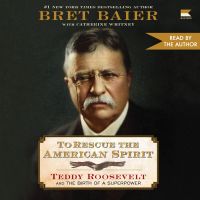
To Rescue the American SpiritBret Baier10h 12m4.5 (2.7K)$8 · $0.00
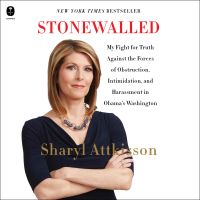
StonewalledSharyl Attkisson15h 19m4.5 (4.3K)$33 · $0.00
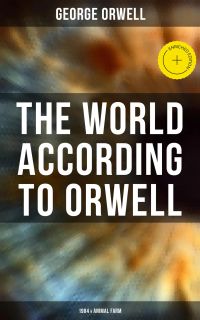
The World According to Orwell: 1984 & Animal FarmGeorge Orwell15h 38m4.6 (1.1K)$0.99 · $0.00
Basic EconomicsThomas Sowell18h 32m4.5 (29.3K)$28 · $0.00
To Rescue the RepublicBret Baier, Catherine Whitney11h 42m4.5 (8.6K)$29 · $0.00
Modern WarriorsPete Hegseth7h 10m4.5 (4.7K)$24 · $0.00
You may also like
The Humane EconomyWayne Pacelle12h 17m4.3 (579)$29 · $0.00
Rhode Island Life & Health Insurance Exam Study Guide 2026/2027Corinne Ashbeck18h 9m$27

The Senior-Friendly Guide to ExcelWalter Hemsley3h 37m$6

Animal NeuteringHilário Dos Santos49m$10 · $0.00

How to Plan a Baby Shower in a Hurry- Quick Tips and IdeasAurora Brooks1h 2m$3.50 · $0.00

Social Security for Future GenerationsJohn A. Turner, Serena E. McCarthy9h 4m$15

The Building Association Raises the Repair Fund, and I Raise My Blood Pressure - How to Read Your Building's Budget, Ask Questions About Repairs, and Take Part in Building Decisions Without Voting Based Solely on the Latest Argument at the Owners' MeMax Paradox6h 47m$7.60
Social Rights and DutiesLeslie Stephen13h 16m$0.99 · $0.00
The Electricity Bill Looks Like a Ransom Note - How to Cut Household Energy Use, Find the Biggest Power Hogs, and Save Money Without Sitting in the Dark Wearing Three SweatersMax Paradox4h 56m$7.70
Maine Cosmetology Written and Practical Exam Prep 2026/2027Solenne Marbury19h 15m$28

Nebraska Real Estate Licensing Exam Workbook 2026/2027Marguerite Ostrander15h 57m$30
Mississippi Community Health Worker Certification Study Guide 2026/2027Imara Kestwick13h 21m$25

Oregon Journeyman & Master Plumber Exam Workbook 2026/2027Garrick Pellowe14h 54m$30
Constitution of the PhilippinesConstitutional Commission19m4.3 (126)$1.99 · $0.00
Kansas Cosmetology Written and Practical Exam Prep 2026/2027Solenne Marbury17h 58m$28
Virginia Cosmetology Written and Practical Exam Prep 2026/2027Solenne Marbury17h 46m$28
Nebraska RBT Certification Exam Prep 2026/2027Mireille Oyelaran16h 42m$22

Texas Real Estate Licensing Exam Workbook 2026/2027Marguerite Ostrander15h 36m4.8 (15)$30
Cash Building StrategiesAnthony Ekanem1h 12m$5 · $0.00

Organic Burr GherkinMárcio Pereira54m$12 · $0.00