

I'm Coming Home from the Hospital, but My Home Hasn't Read the Discharge Instructions - How to Prepare Your Home, Arrange Help and Everyday Responsibilities After Hospitalization, and Follow the Agreed Care Plan Without Pretending to Be Fully Indepen
By Max Paradox


Length6h 40m
About this audiobook
The hospital says you can go home. Your family hears, "Everything is back to normal." Your laundry basket agrees. Your recovery plan has a few objections.
Coming home after hospitalization should feel like a victory. Unfortunately, your front door opens onto a world where nobody has coordinated the groceries, the medical appointments, the household chores, or the relatives who keep saying, "Call me if you need anything."
The hospital has provided discharge instructions. Your home, apparently, has declined to read them.
In I'm Coming Home from the Hospital, but My Home Hasn't Read the Discharge Instructions, Max Paradox tackles the surprisingly complicated business of returning to everyday life after a hospital stay. With sharp observational humor, practical explanations, and genuine respect for the challenges of recovery, he shows how to organize the support you actually need without pretending to be completely independent before you're ready.
Because being discharged doesn't automatically mean being fully recovered. And managing to make a sandwich doesn't necessarily mean you're ready to resume responsibility for the entire household.
This entertaining, down-to-earth guide explores how to:
Prepare your home for your current abilities and limitations without turning it into an expensive medical equipment showroom.
Translate discharge instructions into practical arrangements, confirmed appointments, and clear responsibilities.
Replace vague promises of help with realistic commitments that people can actually keep.
Redistribute cooking, cleaning, shopping, and everyday responsibilities without creating an exhausted family operations manager.
Organize necessary medicines, supplies, and equipment according to verified professional instructions.
Arrange appropriate meals, transport, follow-up care, and professional assistance.
Communicate concerns clearly and recognize when medical questions belong with qualified healthcare professionals.
Handle the paperwork, financial pressures, family disagreements, and unexpected complications that don't disappear when you leave hospital.
Protect caregivers from unsustainable demands while respecting the recovering person's dignity and choices.
Recognize when existing arrangements need changing, additional support is necessary, or a different care setting should be considered.
You'll also meet the familiar characters who make post-hospital life unexpectedly interesting: the relative who considers themselves a medical expert after watching three videos, the helper who promises absolutely anything but never confirms a time, and the household appliance that continues demanding attention despite your excellent medical reasons for ignoring it.
The humor is aimed at absurd situations, unrealistic expectations, and organizational chaos, never at the person who needs care.
This book is for people returning home after hospitalization, their partners, relatives, friends, and anyone helping to coordinate everyday support. It does not replace individualized medical advice or professional care. Instead, it helps you understand the practical work surrounding that care, ask better questions, and make arrangements suited to real people with real limitations.
There are no magical recovery deadlines, compulsory displays of heroism, or promises that a color-coded schedule will solve every problem.
There is something considerably more useful: a realistic way to bring everyday life, necessary assistance, and your agreed care plan into the same home.
You don't need to prove you can do everything alone. You need arrangements that work while you recover.
And if the washing machine has objections, it can submit them in writing.
This publication was prepared using tools that support the creative process, including artificial intelligence solutions. The final concept, structure and editing are the responsibility of the author.
Audiobook details
GenreHealth and Wellness, Self-Help
Length6 hrs 40 mins
Narrated byListen with 1,000+ voices
FormateBook with Audio
Publish dateOct 27, 2026
LanguageEnglish
Table of contents
1INTRO
2Chapter 1 - Discharged Doesn't Mean Fully Recovered: The Difference Nobody Explains to Your Household
3Chapter 2 - Your Home Was Perfectly Fine Yesterday. Why Has It Become an Obstacle Course?
4Chapter 3 - The Discharge Instructions Tell You What to Do. They Don't Tell You Who's Going to Do It
5Chapter 4 - "Call If You Need Anything": The Most Generous Offer Nobody Knows How to Use
Mostrar todos os capítulosVer menos
6Chapter 5 - The Household Chores Didn't Get Sick Leave. Time to Rewrite Their Job Descriptions
7Chapter 6 - Feeling Better on Tuesday Doesn't Mean You Should Do Everything Before Wednesday
8Chapter 7 - Everything Is on the List. So Why Is Nothing Where You Need It?
9Chapter 8 - The Family Medical Committee Has Convened. Unfortunately, Nobody Invited Your Doctor
10Chapter 9 - The Medicine Cabinet Has Opinions. Unfortunately, It Isn't a Pharmacist
11Chapter 10 - "Something Isn't Right" Is Important. Here's How to Explain What You Mean
12Chapter 11 - Dinner Won't Cook Itself, and Dietary Instructions Don't Do the Grocery Shopping
13Chapter 12 - The Nurse Doesn't Live in Your Spare Room, and the Physiotherapist Isn't on Call for Everything
14Chapter 13 - A Follow-Up Appointment Is Not Teleportation: Getting There, Getting Seen, and Getting Home
15Chapter 14 - You're Out of the Hospital. The Paperwork Has Requested an Extension
16Chapter 15 - The Plan Was Perfect. Unfortunately, Real Life Declined the Invitation
17Chapter 16 - The Caregiver Is Also a Human Being. Please Stop Looking for the Charging Cable
18Chapter 17 - When Home Is No Longer Enough: The Conversation Nobody Wants to Have
19Chapter 18 - Your Care Plan Is Not a Museum Exhibit: Update It When Circumstances Change
20Chapter 19 - Chaos Doesn't Knock. It Quietly Moves Back Into the House
21Chapter 20 - Coming Home to Your Life, Not Taking an Exam in Independence

AI Is Doing More and More for Me, and I've Kind of Forgotten How to Do Things Myself - How to Use Artificial Intelligence While Still Thinking for Yourself, Checking the Results, and Not Outsourcing Your SkillsMax Paradox6h 10m$7.60

Kupiłem Kurs i Najwyraźniej Sam Zakup Miał Mnie Czegoś Nauczyć - Jak przestać kolekcjonować kursy, webinary i materiały „na później”, wybierać jedno źródło i naprawdę wykorzystywać to, za co już zapłaciłeśMax Paradox6h 3m$7.60

Mam Dobry Zespół, Który Jest Po Prostu Zmęczony - Jak zarządzać przeciążeniem, ustalać priorytety i odbudowywać tempo pracy bez motywacyjnych przemówień o dawaniu z siebie 120 procentMax Paradox5h 49m$7.60

I Forgave, But My Mind Is Still Hearing the Case - How to Work Through Resentment After Conflict, Tell Remembering Apart from Ongoing Punishment, and Figure Out What You Need to Truly Move ForwardMax Paradox6h 42m$7.60

Choruję Przewlekle, Ale Mój Kalendarz Nadal Udaje, Że Jestem Zdrowy - Jak planować pracę, obowiązki i odpoczynek przy zmiennej sprawności bez układania każdego tygodnia dla swojej najlepszej wersji z ostatnich pięciu latMax Paradox6h 9m$7.60

I Took Over Someone Else's Project and Nobody Knows What's Going On - How to Quickly Regain Control of Tasks, Decisions, and Risks When the Documentation Mostly Says "Ask Tomek"Max Paradox6h 29m$7.60

I Have an Insurance Policy, But I Don't Know What Happens When Something Actually Goes Wrong - How to Prepare Your Documents, File a Claim, and Navigate the Insurance Process Without Having to Learn Everything After Your First ProblemMax Paradox6h 34m$7.60

Wybaczyłem, Ale w Głowie Nadal Prowadzę Sprawę - Jak pracować z urazą po konflikcie, odróżnić pamięć od ciągłego karania i ustalić, czego potrzebujesz, żeby naprawdę ruszyć dalejMax Paradox6h 14m$7.60

Zgodziłem Się na Termin, Którego Od Początku Nie Dało Się Dotrzymać - Jak realistycznie estymować pracę, komunikować ryzyko i renegocjować daty zanim ambitny plan stanie się weekendem w ExceluMax Paradox6h 5m$7.60

I Have an Idea, but No One's Backing It - How to Build Internal Alliances, Show the Benefits, and Move an Idea Through an Organization Without Political AcrobaticsMax Paradox6h 19m$7.60

Adopcja Psa Brzmiała Prościej na Zdjęciach ze Schroniska - Jak przygotować dom, budżet i codzienność na zwierzę, dać mu czas na adaptację i nie oczekiwać gotowego przyjaciela w pierwszą sobotęMax Paradox6h$7.60

AI Robi Za Mnie Coraz Więcej i Trochę Przestałem Umieć Sam - Jak korzystać ze sztucznej inteligencji tak, żeby nadal ćwiczyć własne myślenie, sprawdzać efekty i nie oddać kompetencji w outsourcingMax Paradox5h 58m$7.60

Adopting a Dog Seemed Easier in the Shelter Photos - How to Prepare Your Home, Budget, and Everyday Life for a Pet, Give Them Time to Adjust, and Not Expect a Ready-Made Best Friend by the First SaturdayMax Paradox6h 27m$7.60

Mam Polisę, Ale Nie Wiem, Co Się Dzieje, Gdy Naprawdę Coś Się Stanie - Jak przygotować dokumenty, zgłosić szkodę i przejść przez proces ubezpieczeniowy bez uczenia się wszystkiego dopiero po pierwszym problemieMax Paradox6h$7.60

Nie Chcę Być Menedżerem, Żeby Zarabiać Więcej - Jak rozwijać karierę ekspercką, negocjować wartość i budować wpływ bez obowiązkowego awansu na stanowisko z większą liczbą spotkańMax Paradox6h 19m$7.60

I Have a New Role, but an Old Professional Identity - How to Move from Doer to Leader, Expert to Strategist, or Specialist to Business Partner Without Clinging to Old HabitsMax Paradox6h 44m$7.60

I'm Chronically Ill, but My Calendar Still Pretends I'm Healthy - How to Plan Work, Responsibilities, and Rest When Your Capacity Fluctuates Without Scheduling Every Week for the Best Version of Yourself from Five Years AgoMax Paradox6h 46m$7.60

Rehab Ended with an Exercise Sheet - How to Fit Your Prescribed Rehabilitation Plan into an Ordinary Week, Arrange Transportation and Support, and Talk to Your Specialist About Difficulties Without Collecting Unfinished RecommendationsMax Paradox6h 44m$7.60

Wracam ze Szpitala, a Dom Nie Przeczytał Wypisu - Jak przygotować mieszkanie, pomoc i codzienne obowiązki po hospitalizacji oraz realizować uzgodniony plan opieki bez udawania pełnej samodzielności od pierwszego wieczoruMax Paradox6h 33m$7.60

My Results Are in Three Portals, and Five Different People Are Treating Me - How to Organize Medical Records, Medication Lists, and Recommendations from Different Specialists and Share Important Information Without Becoming the Courier of Your Own MeMax Paradox6h 28m$7.60

Your Body Already KnowsNidhi Pandya Bhanshali9h 7m4.7 (360)$16 · $0.00

The Dangerous Truth about Today’s MarijuanaLaura Stack CSP, MBA9h 57m4.7 (385)$20 · $0.00

Hour of the HeartIrvin D. Yalom, Benjamin Yalom8h 19m4.6 (2.3K)$26 · $0.00

The Yoga Sutras of PatanjaliPatanjali4h 8m4.5 (18.5K)$6 · $0.00

The Lost VoiceGreta Morgan8h 30m4.7 (285)$26 · $0.00

Healthy Kids, Happy KidsElisa Song14h 18m4.6 (760)$33 · $0.00

Eat It!Jordan Syatt, Michael Vacanti4h 40m4.6 (1.5K)$20 · $0.00

Consent Laid BareChanel Contos7h 11m4.5 (1.7K)$24 · $0.00

How to Make Disease DisappearRangan Chatterjee5h 26m4.5 (3.5K)$24 · $0.00

The Complete Herbal (Annotated)Nicholas Culpeper29h 8m4.5 (1.4K)$2 · $0.00

A Plague Upon Our HouseScott W. Atlas MD10h 37m4.5 (3.4K)$20 · $0.00

The Cancer CodeDr. Jason Fung10h 48m4.5 (5.3K)$29 · $0.00

The Gift of TherapyIrvin Yalom7h 39m4.5 (38.8K)$26 · $0.00

EarlySarah DiGregorio9h 47m4.5 (1.3K)$29 · $0.00

Bottle of LiesKatherine Eban14h 25m4.4 (12K)$33 · $0.00
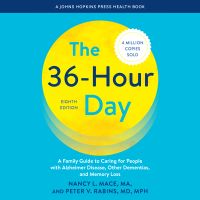
The 36-Hour DayNancy L. Mace, Peter V. Rabins17h 13m4.4 (9.2K)$28 · $0.00

FlooredSara Reardon10h 36m4.5 (1K)$29 · $0.00

Radical RemissionKelly A. Turner9h 26m4.4 (8.1K)$29 · $0.00

The Sinatra SolutionStephen T. Sinatra MD9h4.5 (899)$20 · $0.00

The Songaminute ManSimon McDermott6h 12m4.5 (280)$24 · $0.00
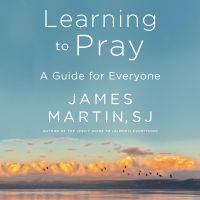
Learning to PrayJames Martin13h 24m4.5 (3.4K)$33 · $0.00

Truth Without ApologyAcharya Prashant6h 41m4.8 (2.2K)$18 · $0.00

Autism Out Loud: the instant New York Times Bestseller. Moving Stories and Parenting Lessons Learned from Three Mothers of Children with AutismKate Swenson, Carrie Cariello, Adrian Wood8h 41m4.8 (2.1K)$26 · $0.00

The StepsSylvester Stallone9h 4m4.8 (635)$29 · $0.00

Swayam Ki AwaazPrem Rawat8h 34m4.7 (1.1K)$26 · $0.00

Forever BoyKate Swenson9h 27m4.7 (5K)$29 · $0.00

You Are Worth ItKyle Carpenter, Don Yaeger8h 53m4.7 (4.8K)$29 · $0.00

The Happiest Man on EarthEddie Jaku3h 48m4.6 (178K)$7 · $0.00

Finding MeViola Davis9h 15m4.6 (256.4K)$29 · $0.00

Spiritual AnatomyDaaji Kamlesh D. Patel9h 47m4.7 (319)$29 · $0.00
The Dangerous Truth about Today’s MarijuanaLaura Stack CSP, MBA9h 57m4.7 (385)$20 · $0.00

The Gospel according to Spiritualism (Translated)Allan Kardec14h 39m4.6 (3.9K)$5.70 · $0.00

Birdie & HarlowTaylor Wolfe7h 50m4.6 (6.5K)$26 · $0.00

CrossroadsKaleb Dahlgren7h 56m4.6 (4.9K)$26 · $0.00

Life on the BridgeKaelynn Partlow5h 40m4.6 (1.1K)$24 · $0.00

Keep Your Love OnDanny Silk9h 4m4.6 (8.1K)$10 · $0.00

The Tao of Joy Every DayDerek Lin10h 24m4.6 (762)$20 · $0.00

UndividedVicky Beeching9h 2m4.6 (1.3K)$29 · $0.00

HE CAN WHO THINKS HE CAN & OTHER BOOKS ON SUCCESSOrison Swett Marden5h 54m4.6 (1.2K)$1.99 · $0.00
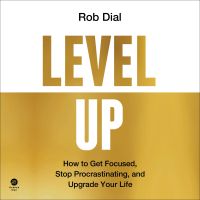
Level UpRob Dial7h 42m4.6 (3.3K)$26 · $0.00
You may also like

Prayers & Promises for MothersBroadStreet Publishing Group LLC1h 28m4.7 (1.3K)$10 · $0.00

The Dance of IntimacyHarriet Lerner2h 52m4.2 (14.5K)$18 · $0.00

Ignore It!Catherine Pearlman PhD, LCSW5h 51m3.9 (1.4K)$20 · $0.00
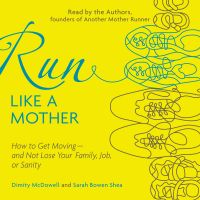
Run Like a MotherDimity McDowell, Sarah Bowen Shea7h 16m4.0 (4K)$17

We’re Parents!Adrian Kulp4h 32m4.3 (2.5K)$15 · $0.00

All Joy and No FunJennifer Senior8h 20m4.0 (14.1K)$26 · $0.00

Things No One Tells You About Being a New ParentAurora Brooks1h 17m$3.50 · $0.00

Hilarious Parenting Fails Every New Parent Can Relate ToAurora Brooks1h 25m$3.50 · $0.00

Secrets to Thrive as a Working MomAurora Brooks1h 16m$3.50 · $0.00

Ways to Ease the Transition into ParenthoodAurora Brooks58m$3.50 · $0.00

Returning to WorkIris T. Marlowe1h 52m$2.30 · $0.00

Strategies for Dealing with New Parent AnxietyAurora Brooks58m$3.50 · $0.00

The Psychology of Smart MoneySara Melo3h 24m5.0 (1)$1.80 · $0.00

Preserving RelationshipsEdivaldo Ascaneo1h 18m$6 · $0.00

Expert Tips for a Smooth Baby Newborn Care JourneyAurora Brooks1h 3m$3.50 · $0.00

Why the Perfect Parenting Style Doesn't ExistAurora Brooks1h$3.50 · $0.00

The Journey of a Working Dad: Celebrating the Wins, Embracing the ChallengesAurora Brooks1h 3m$3.50 · $0.00

Preconception Lifestyle- Habits to Adopt for a Healthy PregnancyAurora Brooks1h 6m$3.50 · $0.00

Life Admin HacksMia Northrop, Dinah Rowe-Roberts9h 49m3.8 (743)$29 · $0.00

Why We Shouldn't Compare Our Parenting to OthersAurora Brooks1h 12m$3.50 · $0.00