
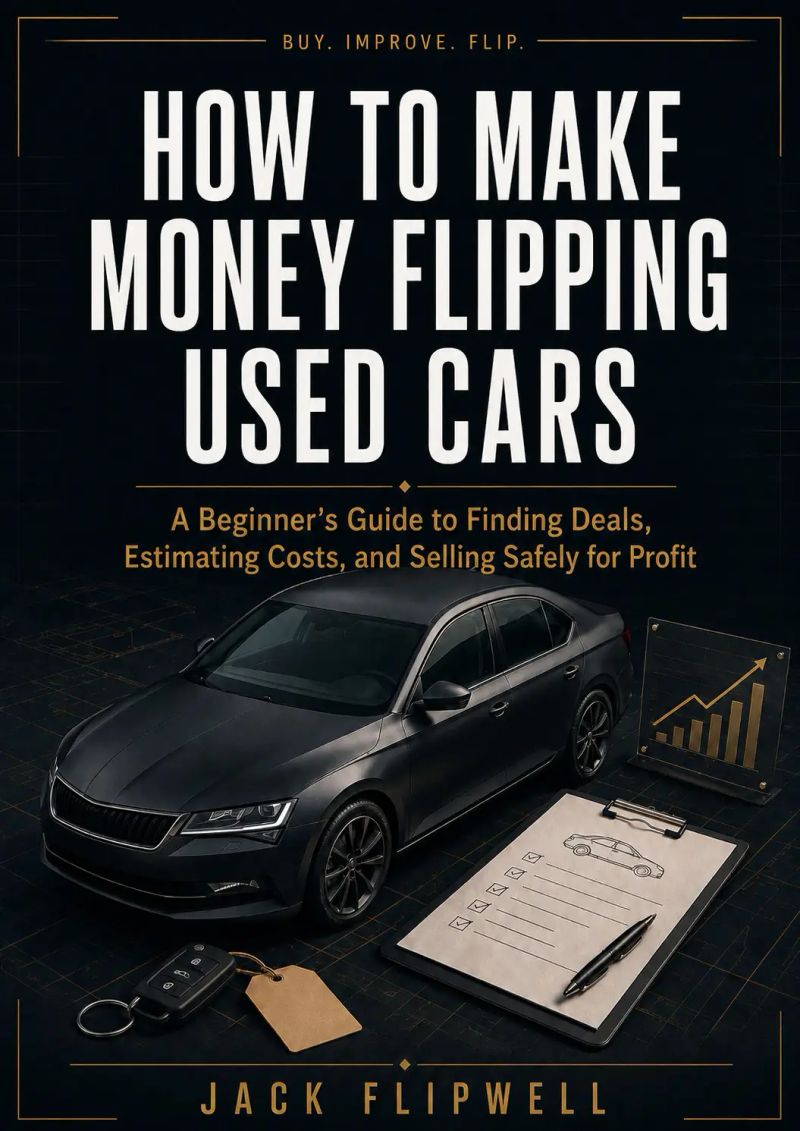
How to Make Money Flipping Used Cars - A Beginner's Guide to Finding Deals, Estimating Costs, and Selling Safely for Profit
By JACK FLIPWELL


Length4h 23m
About this audiobook
Buying a used car below its real market value and reselling it for a profit sounds simple. In practice, one underestimated repair, unclear history, weak paperwork, or a car that sits unsold for two months can wipe out the entire margin.
How to Make Money Flipping Used Cars is a practical guide for beginners who want to understand the complete process of buying, improving, and reselling used cars without relying on luck, hype, or the assumption that every problem will be cheap to fix.
JACK FLIPWELL takes you through the entire flipping cycle, from selecting a market segment to safely handing the vehicle over to its next owner. Instead of promising easy money, the book shows where real margin comes from: accurate valuation, disciplined buying, realistic cost estimates, careful inspection, controlled preparation, and efficient capital rotation.
You will learn why beginners should not start by browsing every type of car on the market. A focused segment allows you to recognize normal prices, desirable specifications, buyer expectations, common faults, and realistic sales times. The better you understand one part of the market, the faster you can identify listings that are genuinely underpriced rather than simply cheap for a reason.
The book explains how to calculate a maximum purchase price before negotiation begins. You will learn how to build a group of genuinely comparable listings, estimate the quick-sale value, adjust for mileage, condition, history, and equipment, and subtract preparation costs, a risk reserve, and the minimum margin required to justify the deal.
You will also learn how to screen cars before driving to see them. The book covers listing analysis, seller questions, vehicle history, service records, photographs, ownership information, and the warning signs that should make you reconsider an inspection. The goal is simple: spend your time on cars that still have a realistic chance of becoming profitable projects.
Detailed inspection chapters show how to examine bodywork, paint, corrosion, underbody condition, tires, wheels, engine behavior, transmission, drivetrain, electronics, and equipment. You will also learn how to conduct a structured test drive without pretending to be a professional mechanic.
The central rule is repeated throughout the book: if you do not know what is causing a problem, you do not yet know what it will cost.
Documentation and formalities receive the same practical treatment. A mechanically excellent car can still be a poor purchase if ownership, registration, insurance, tax, or transaction documents are unclear. Because legal requirements vary by jurisdiction and can change, the book explains what to verify while consistently directing readers to current official sources or qualified advice where specific legal guidance is required.
After purchase, you will learn how to control repair and cosmetic spending. Not every repair adds its full cost to resale value. Sometimes a major repair simply restores normal condition, while inexpensive cleaning, presentation, or cosmetic improvement can produce a stronger commercial effect. The objective is not perfection. It is to spend where the money improves safety, value, buyer confidence, or speed of sale.
The book then explains how to create photographs and a listing that make the car easy to understand without overselling it. You will learn how to describe servicing, equipment, history, and known faults accurately, how to establish an asking price and internal target, and how to interpret the market's response once the advertisement is live.
Negotiation is treated as a financial decision rather than a contest. You will see why a smaller margin achieved quickly can outperform a larger theoretical margin that takes months to realize. You will learn when to defend your price, when to make a controlled concession, and when releasing capital is more valuable than fighting for the final amount.
The guide also covers safe payment verification, transaction documents, handover procedures, personal-data removal, and the records that should be retained after the vehicle leaves. You will learn how to reduce the risk of post-sale disputes through accurate representation, documented repairs, clear communication, and a structured response when a buyer reports a problem.
Later chapters turn individual flips into a repeatable business process. You will learn how to identify dead stock, measure capital rotation, review actual results against forecasts, build multiple sources of deals, track free capital, maintain reserves, and scale only when the numbers prove that the existing process is stable.
This publication was prepared with the assistance of tools that support the creative process, including artificial intelligence-based solutions. The final concept, structure, and editing belong to the author.
Audiobook details
GenreBusiness and Economics
Length4 hrs 23 mins
Narrated byListen with 1,000+ voices
FormateBook with Audio
Publish dateSep 25, 2026
LanguageEnglish
Table of contents
1How to Make Money Flipping Used Cars
2INTRO
3Chapter 1 - Choose Your Segment Before You Spend a Dollar
4Chapter 2 - Learn to Value the Car Before You Start Negotiating
5Chapter 3 - Check the Vehicle History Before You Drive to See It
Mostrar todos os capítulosVer menos
6Chapter 4 - Body and Underbody: Separate Cosmetic Flaws from Expensive Risk
7Chapter 5 - Engine and Drivetrain: Find Expensive Problems Before You Buy
8Chapter 6 - Electronics and the Test Drive: Check the Car in Real Conditions
9Chapter 7 - Documents and Formalities: Do Not Buy a Problem a Workshop Cannot Fix
10Chapter 8 - Repair and Cosmetic Costs: Spend Only Where You Add Value
11Chapter 9 - Build a Listing That Sells the Car Without Overselling It
12Chapter 10 - Negotiate the Sale Without Sacrificing Margin or Trapping Your Capital
13Chapter 11 - Payment and Handover: Close the Deal Without Creating New Risk
14Chapter 12 - Post-Sale Complaints: Reduce the Risk Before a Problem Appears
15Chapter 13 - Dead Stock and Capital Rotation: Know When to Stop Waiting for the Perfect Buyer
16Chapter 14 - Build a Repeatable Process: From the First Listing to the Next Purchase
17Chapter 15 - Scale Only When the Numbers Prove You Are Ready
18Chapter 16 - Build Sources of Deals Instead of Waiting for a Random Bargain
19Chapter 17 - Measure the Real Result: Profit, Rotation, and Capital That Actually Works
20Chapter 18 - Your First 30 Days: Prepare for the First Purchase Without Rushing
21Chapter 19 - Learn to Walk Away: Red Flags and Deals You Do Not Need
22Chapter 20 - From Opportunity to Cash: Your Complete Used-Car Flipping System

How to Make Money Flipping Watches - How to Spot Valuable Models, Avoid Fakes, and Resell with ConfidenceJACK FLIPWELL5h 45m$7.70 · $0.00

Jak zarabiać na ubraniach z drugiej ręki - Jak wyszukiwać, fotografować, wyceniać i sprzedawać używaną modę w internecieJACK FLIPWELL4h 49m$7.70 · $0.00
How to Make Money Flipping Collectibles - How to Find Undervalued Toys, Sets, Cards, and Limited-Edition ItemsJACK FLIPWELL6h 30m$7.70 · $0.00

Jak zarabiać na przedmiotach kolekcjonerskich - Jak znajdować niedoszacowane zabawki, zestawy, karty i limitowane przedmiotyJACK FLIPWELL5h 5m$7.70 · $0.00

Jak zarabiać na kupowaniu i sprzedaży zegarków - Jak rozpoznawać wartościowe modele, unikać podróbek i sprzedawać z odpowiednią marżąJACK FLIPWELL4h 56m$7.70 · $0.00
How to Make Money Flipping iPhones - A Practical Guide to Buying Below Market Value, Spotting Defects, and Reselling for ProfitJACK FLIPWELL5h 17m$7.70 · $0.00

Jak zarabiać na kupnie, odnawianiu i sprzedaży łodzi - Jak oceniać kadłub, silnik i instalacje, kontrolować koszty renowacji oraz sprzedawać w sezonieJACK FLIPWELL2h 7m$7.70 · $0.00
How to Make Money Flipping Boats - How to Assess Hulls, Engines, and Systems, Control Renovation Costs, and Sell in SeasonJACK FLIPWELL2h 1m$7.70 · $0.00

Jak zarabiać na kupnie, odnawianiu i sprzedaży kamperów oraz przyczep kempingowych - Jak oceniać konstrukcję i instalacje, planować opłacalne renowacje oraz bezpiecznie sprzedawaćJACK FLIPWELL2h 5m$7.70 · $0.00

How to Make Money Flipping Motorhomes and Travel Trailers - How to Assess Structure and Systems, Plan Profitable Renovations, and Resell SafelyJACK FLIPWELL2h 2m$7.70 · $0.00
How to Make Money Flipping Used Construction Machinery - How to Verify Mechanical Condition, Work History, Transport Costs, and Resale PotentialJACK FLIPWELL2h 5m$7.70 · $0.00
How to Make Money Flipping Motorcycles and Scooters - How to Assess Mechanical Condition, Estimate Repair Costs, Manage Risk, and Resell for ProfitJACK FLIPWELL8h 9m$7.70 · $0.00

Jak zarabiać na kupnie, naprawie i sprzedaży motocykli oraz skuterów - Jak oceniać stan techniczny, szacować koszty napraw, ograniczać ryzyko i sprzedawać z zyskiemJACK FLIPWELL7h 58m$7.70 · $0.00

Jak zarabiać na kupnie i sprzedaży używanych maszyn budowlanych - Jak weryfikować stan techniczny, historię pracy, koszty transportu i potencjał odsprzedażyJACK FLIPWELL2h 5m$7.70 · $0.00

Jak zarabiać na kupnie i sprzedaży używanych książek - Jak rozpoznawać wartościowe wydania, oceniać stan, tworzyć opłacalne zestawy i sprzedawać właściwym czytelnikomJACK FLIPWELL8h 32m$7.70 · $0.00
How to Make Money Flipping Used Restaurant Equipment - How to Assess Equipment, Transport and Repair Costs, and Resell to Local BusinessesJACK FLIPWELL1h 57m$7.70 · $0.00

Jak zarabiać na kupnie i sprzedaży używanego wyposażenia gastronomicznego - Jak oceniać urządzenia, koszty transportu i napraw oraz sprzedawać wyposażenie lokalnym firmomJACK FLIPWELL2h$7.70 · $0.00

Jak zarabiać na kupnie i sprzedaży sprzętu turystycznego oraz kempingowego - Jak wybierać markowy ekwipunek, sprawdzać jego stan, kompletować zestawy i wykorzystywać sezonowy popytJACK FLIPWELL8h 24m$7.80 · $0.00
How to Make Money Flipping Fishing Gear - How to Evaluate Rods, Reels, and Accessories, Build Complete Kits, and Resell for ProfitJACK FLIPWELL6h 41m$7.80 · $0.00
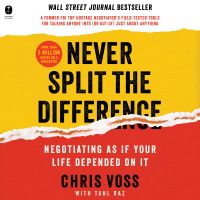
Never Split the DifferenceChris Voss, Tahl Raz8h 7m4.4 (277.7K)$26 · $0.00
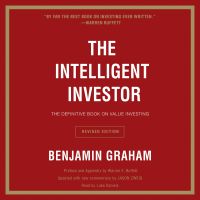
The Intelligent Investor Rev Ed.Benjamin Graham17h 48m4.3 (191.5K)$40 · $0.00
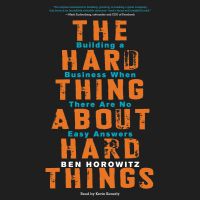
The Hard Thing About Hard ThingsBen Horowitz7h 57m4.2 (134.3K)$26 · $0.00
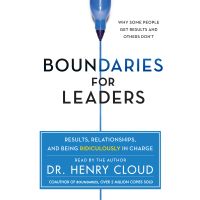
Boundaries for LeadersHenry Cloud7h 36m4.3 (3.6K)$26 · $0.00

Not Everything Counts but Everything Matters: The powerful and inspirational new book about leadership and achieving success from the visionary multi-premiership winning Panthers coachIvan Cleary6h 1m4.6 (680)$24 · $0.00
BuildTony Fadell11h 5m4.5 (14.3K)$8 · $0.00
The Joys Of CompoundingGautam Baid17h 34m4.5 (2.5K)$18 · $0.00
Basic EconomicsThomas Sowell18h 32m4.5 (29.3K)$28 · $0.00

Poor Charlie’s AlmanackGrover Gardener, Charles T. Munger13h 9m4.5 (24.7K)$18 · $0.00

The Ambuja StoryNarotam Sekhsaria13h 59m4.5 (830)$33 · $0.00

The Secret Door to SuccessFlorence Scovel Shinn2h 25m4.5 (2.1K)$1.20 · $0.00

This Is Going to HurtAdam Kay5h 47m4.4 (444.7K)$24 · $0.00

Big TrustShadé Zahrai, Fayçal Sekkouah8h 36m4.6 (406)$26 · $0.00
The Intelligent Investor Third EditionBenjamin Graham, Jason Zweig20h4.4 (156.6K)$46 · $0.00

Bottle of LiesKatherine Eban14h 25m4.4 (12K)$33 · $0.00

The Antiracist Business BookTrudi Lebrón6h 10m4.6 (275)$17 · $0.00
The FormulaJoshua Robinson, Jonathan Clegg10h 41m4.4 (6.9K)$29 · $0.00

Let Them LeadJohn U. Bacon7h 10m4.5 (1.4K)$24 · $0.00

Secrets of the Millionaire MindT. Harv Eker5h 11m4.4 (301.4K)$24 · $0.00
The Person You Mean to BeDolly Chugh9h 6m4.4 (7.2K)$29 · $0.00
You may also like

The Mystery of the Yellow RoomGaston Leroux8h 19m3.8 (18.2K)$2.30

The Middle Temple MurderJ. S. Fletcher8h 25m3.9 (1.1K)$2 · $0.00

Dead Man's FollyAgatha Christie6h 2m4.0 (50K)$24 · $0.00

The Sign of the FourArthur Conan Doyle4h 35m4.0 (386.4K)$1 · $0.00

Have His CarcaseDorothy L. Sayers15h 40m4.2 (21.9K)$2 · $0.00

The Murder on the LinksAgatha Christie7h 21m4.0 (162.2K)$17

Holiday BuzzCleo Coyle10h 11m4.2 (7.8K)$23

The Door with Seven LocksEdgar Wallace7h 9m3.7 (1.6K)$2.30 · $0.00

Seven DeadJ. Jefferson Farjeon7h 9m3.6 (1.5K)$2 · $0.00

Excursion to TindariAndrea Camilleri6h 30m4.1 (9.6K)$14

The Murder on the Links (British Mystery Classic)Agatha Christie8h 43m4.0 (146.2K)$1.99 · $0.00

Information Products Creation and MarketingAnthony Ekanem48m$5 · $0.00
Whodunit Murder Mysteries: 15 Books in One EditionE. Phillips Oppenheim110h4.0 (17)$1.99 · $0.00

Murder at the Grand Alpine HotelLucy Foley, Agatha Christie9h 15m4.0 (630)$29 · $0.00

London Murder MysteriesFreeman Wills Crofts32h 53m4.2 (17)$1.99 · $0.00

The Report on Unidentified Flying ObjectsEdward J. Ruppelt14h 59m4.0 (944)$2 · $0.00

P.-C. Lee: Complete Collection (All 24 Detective Stories in One Volume)Edgar Wallace8h 41m3.8 (59)$1.99 · $0.00

DETECTIVE CALEB SWEETWATER MYSTERIES (Thriller Trilogy)Anna Katharine Green29h 13m4.3 (12)$1.99 · $0.00

Get Rid of House SmellsImad Muratspahic4h 14m$12 · $0.00

BRITISH MYSTERIES Boxed Set: 350+ Thriller Novels, Murder Mysteries & True Crime StoriesAgatha Christie, Edgar Wallace, Arthur Conan Doyle, Wilkie Collins, R. Austin Freeman, H. C. McNeile, G. K. Chesterton, Arthur Morrison, Ernest Bramah, Victor L. Whitechurch, Thomas W. Hanshew, E. W. Hornung, J. S. Fletcher, Rober Barr, Frank Froest, C. N. Williamson, A. M. Williamson, Isabel Ostander1075h 42m$2 · $0.00