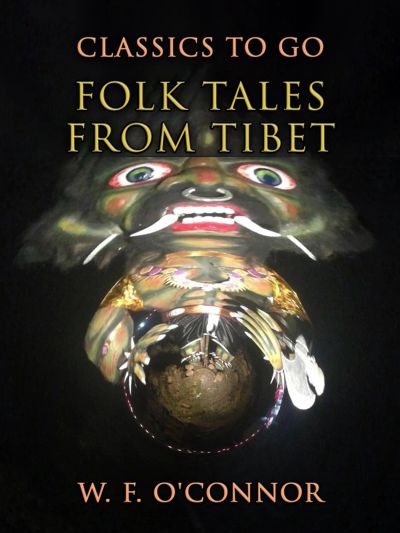
W. F. O'Connor was a British diplomat and writer whose fascination with the cultures and narratives of Central Asia led him to preserve and share traditional Tibetan folklore with Western audiences at a time when such stories were largely inaccessible beyond their native region. His career in the British foreign service gave him unique access to a world that few outsiders of his era had the opportunity to encounter firsthand, and through his literary work, he became a cultural bridge between distant traditions and a curious Western readership. By compiling and translating Tibetan folk tales, O'Connor offered more than just storytelling—he conveyed the values, humor, and moral imagination of a people often misrepresented or overlooked in colonial discourse. These tales, with their blend of spiritual insight, wit, and universal human themes, continue to resonate today, offering a counterpoint to the fast-paced, digitally mediated world and reminding readers of the enduring power of oral traditions. In an age increasingly interested in decolonizing narratives and valuing indigenous voices, his work invites both appreciation and critical reflection. Readers who are intrigued by world folklore, cultural heritage, and the deeper meanings behind traditional storytelling will find O'Connor’s collection both engaging and thought-provoking.