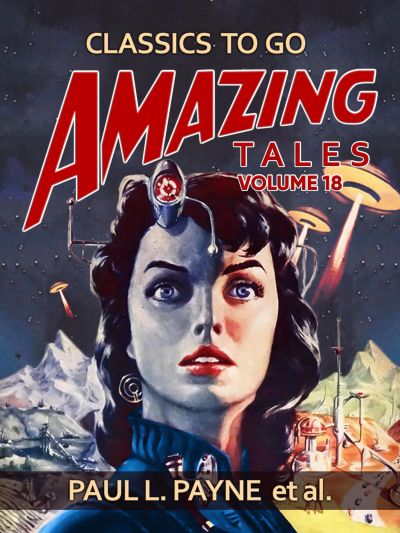
Paul L. Payne, a luminary in the realm of speculative fiction, was born in 1923 in the bustling city of Chicago. His early years were marked by the Great Depression, an era that profoundly influenced his imaginative storytelling. Payne's literary journey began in the post-World War II period, a time when the world was ripe for new ideas and radical thinking. He quickly became known for his vivid imagination and ability to weave intricate narratives that challenged the status quo. A master of blending science fiction with social commentary, Payne's works often explored themes of technological advancement, human evolution, and the ethical dilemmas of scientific progress. His stories were not just entertaining but also thought-provoking, prompting readers to reflect on the potential futures of humanity. Payne was a controversial figure, often pushing the boundaries of conventional thought. His outspoken views on censorship and freedom of expression made him a target for criticism, yet they also garnered him a dedicated following. He was a vocal advocate for the rights of writers and artists, believing that creativity should never be stifled by societal norms or government regulations. His influence on contemporary writers is undeniable. Authors such as Ursula K. Le Guin and Philip K. Dick have cited Payne as an inspiration, particularly praising his ability to merge complex scientific ideas with deeply human stories. Payne's revolutionary ideas about the intersection of technology and society continue to resonate, making him a timeless figure in the literary world. Despite his passing in 1987, Paul L. Payne's legacy endures, reminding us of the power of speculative fiction to not only entertain but also to challenge and inspire.