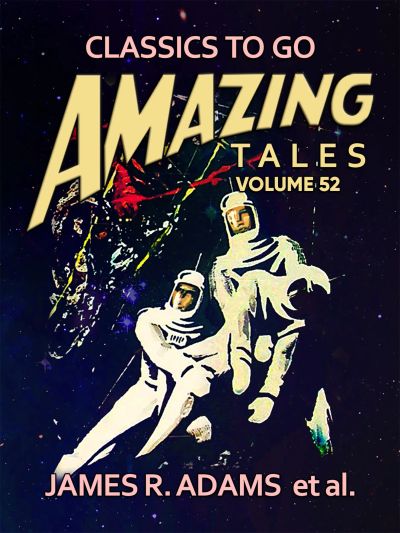
James R. Adams, born in 1947 in Chicago, Illinois, emerged as a seminal figure in speculative fiction during the late 20th century. His works, often characterized by their intricate world-building and philosophical depth, have left an indelible mark on the genre. Adams' early life was steeped in the cultural upheavals of the 1960s, which profoundly influenced his writing. He attended the University of Chicago, where he studied literature and philosophy, fostering a lifelong fascination with existentialism and the human condition. Adams' literary career took off in the 1970s, a period marked by rapid technological advancements and societal shifts. He deftly wove these elements into his narratives, exploring themes of artificial intelligence, dystopian futures, and the ethical implications of scientific progress. His ability to foresee and critically engage with future technological trends earned him a reputation as a visionary. Controversy was never far from Adams' career. His outspoken critiques of government surveillance and corporate overreach, often embedded within his fiction, sparked heated debates. Some critics accused him of being overly pessimistic, while others lauded his cautionary tales as necessary wake-up calls. Adams' influence extends to a new generation of writers who cite his work as a major inspiration. His revolutionary ideas about the intersection of humanity and technology continue to resonate, making him a pivotal figure in the ongoing dialogue about our digital future. Through his compelling storytelling and thought-provoking themes, James R. Adams remains a beacon for those who seek to understand the complexities of the modern world.