

We Share a Life and Have Separate Accounts. Now What? - How to Choose a System for Shared Expenses, Savings, and Money of Our Own Without Creating a Household Ministry of Finance
By Max Paradox


Length6h 2m
About this audiobook
Two bank accounts. One shared life. And somehow, every bill has become a relationship negotiation.
You pay the rent. Your partner buys the groceries. You both contribute to household expenses, save for the future, and occasionally wonder why the other person seems to have more money left over. Everything should be straightforward. After all, you're responsible adults.
Then somebody suggests splitting a major purchase, and suddenly you're negotiating like two governments with conflicting economic policies.
Welcome to the surprisingly complicated world of sharing a life while keeping your finances separate.
In We Share a Life and Have Separate Accounts. Now What?, Max Paradox tackles a familiar relationship dilemma with practical advice, sharp observations, and the kind of humor that makes uncomfortable financial conversations a little easier to survive.
How do you manage money together without surrendering your financial independence?
Should you divide every expense fifty-fifty? Contribute according to your incomes? Share particular bills? Open a dedicated household account? And what happens when one of you earns significantly more, loses a job, or wants to buy something the other considers spectacularly unnecessary?
This book helps you move beyond vague promises, silent assumptions, and the dangerous financial strategy known as "We'll figure it out later."
You'll discover how to identify the expenses you genuinely share, choose a contribution system that reflects your circumstances, and organize payments so the money arrives before the bills do.
You'll also learn to distinguish household necessities from personal preferences, preserve spending freedom without concealing important financial information, and create savings arrangements for foreseeable expenses, emergencies, and shared ambitions.
But money is never just mathematics.
A disagreement about a purchase can reveal different expectations about fairness, responsibility, security, or independence. A delayed reimbursement can become a surprisingly personal argument. And one partner can end up managing every financial detail while the other insists, quite sincerely, that they always pay their share.
Max Paradox explores these situations without turning either partner into the villain.
The book also addresses more difficult circumstances: lending money to someone you love, contributing to a home owned by your partner, discovering undisclosed debt, dealing with financial noncooperation, and making responsible decisions when your household can no longer afford its previous commitments.
Throughout its twenty chapters, the emphasis remains on realistic choices, understandable agreements, and methods that work outside the fantasy world where incomes never change and nothing unexpected ever breaks.
You don't need identical salaries, matching spending habits, or access to each other's every transaction.
You need a shared understanding of the responsibilities you've accepted, enough transparency to make informed decisions, and room for both people to remain financially independent.
This is a practical, humorous guide for couples who want to manage their money more thoughtfully without turning dinner into a budget hearing or appointing a permanent household finance minister.
Because sharing your life should involve cooperation, trust, and occasional financial conversations.
It shouldn't require submitting an expense authorization form every time someone buys a slightly expensive yogurt.
This publication was prepared using tools that support the creative process, including artificial intelligence solutions. The final concept, structure and editing are the responsibility of the author.
Audiobook details
GenreBusiness and Economics, Self-Help
Length6 hrs 2 mins
Narrated byListen with 1,000+ voices
FormateBook with Audio
Publish dateOct 28, 2026
LanguageEnglish
Table of contents
1INTRO
2Chapter 1 - Two Bank Accounts, One Household, and a Suspicious Number of Invisible Bills
3Chapter 2 - Your Financial Common Sense Is Someone Else's Complete Nonsense
4Chapter 3 - Fifty-Fifty Sounds Fair Until One Person Can't Afford Their Half
5Chapter 4 - We'll Settle Up Later: The Financial Arrangement Powered Entirely by Wishful Thinking
Show all chaptersShow less
6Chapter 5 - Shared Expense or Personal Indulgence? Drawing the Line Without Starting a Domestic Border War
7Chapter 6 - My Money, My Decision: Keeping Financial Independence Without Keeping Financial Secrets
8Chapter 7 - Can We Talk About Money? Preferably Without Ruining the Entire Evening
9Chapter 8 - The Unpaid Job of Remembering Everything: Who Actually Manages Your Household Money?
10Chapter 9 - Two Paychecks, One Payment System: Making the Money Arrive Before the Bills
11Chapter 10 - We're Saving Together, but for What? Giving Future Money Three Different Jobs
12Chapter 11 - Before You Click Buy Now: Making Big Purchases Without Buying a Bigger Argument
13Chapter 12 - Raises, Reduced Hours, and Missing Paychecks: When Your Income Changes but the Bills Don't
14Chapter 13 - Can You Lend Me Some Money? How to Help Your Partner Without Becoming Their Debt Collector
15Chapter 14 - We Live Here Together, but Whose House Is It? Love, Mortgages, and the Fine Print
16Chapter 15 - The Debt You Didn't Know About: What Happens When Financial Trust Breaks
17Chapter 16 - I Want a Financial Plan, You Want Me to Stop Talking: When Your Partner Refuses to Cooperate
18Chapter 17 - When the Budget Says No: Surviving a Financial Crunch Without Turning on Each Other
19Chapter 18 - The Budget Works, So Why Keep Checking? Maintaining Financial Peace Without Weekly Committee Meetings
20Chapter 19 - The Warning Signs Nobody Wants to See: Catching Financial Trouble Before It Moves Back In
21Chapter 20 - No Household Ministry Required: Two Accounts, Shared Direction, and the Freedom to Get On with Life

AI Is Doing More and More for Me, and I've Kind of Forgotten How to Do Things Myself - How to Use Artificial Intelligence While Still Thinking for Yourself, Checking the Results, and Not Outsourcing Your SkillsMax Paradox6h 10m$7.60

Kupiłem Kurs i Najwyraźniej Sam Zakup Miał Mnie Czegoś Nauczyć - Jak przestać kolekcjonować kursy, webinary i materiały „na później”, wybierać jedno źródło i naprawdę wykorzystywać to, za co już zapłaciłeśMax Paradox6h 3m$7.60

Mam Dobry Zespół, Który Jest Po Prostu Zmęczony - Jak zarządzać przeciążeniem, ustalać priorytety i odbudowywać tempo pracy bez motywacyjnych przemówień o dawaniu z siebie 120 procentMax Paradox5h 49m$7.60

I Forgave, But My Mind Is Still Hearing the Case - How to Work Through Resentment After Conflict, Tell Remembering Apart from Ongoing Punishment, and Figure Out What You Need to Truly Move ForwardMax Paradox6h 42m$7.60

Choruję Przewlekle, Ale Mój Kalendarz Nadal Udaje, Że Jestem Zdrowy - Jak planować pracę, obowiązki i odpoczynek przy zmiennej sprawności bez układania każdego tygodnia dla swojej najlepszej wersji z ostatnich pięciu latMax Paradox6h 9m$7.60

I Took Over Someone Else's Project and Nobody Knows What's Going On - How to Quickly Regain Control of Tasks, Decisions, and Risks When the Documentation Mostly Says "Ask Tomek"Max Paradox6h 29m$7.60

I Have an Insurance Policy, But I Don't Know What Happens When Something Actually Goes Wrong - How to Prepare Your Documents, File a Claim, and Navigate the Insurance Process Without Having to Learn Everything After Your First ProblemMax Paradox6h 34m$7.60

Wybaczyłem, Ale w Głowie Nadal Prowadzę Sprawę - Jak pracować z urazą po konflikcie, odróżnić pamięć od ciągłego karania i ustalić, czego potrzebujesz, żeby naprawdę ruszyć dalejMax Paradox6h 14m$7.60

Zgodziłem Się na Termin, Którego Od Początku Nie Dało Się Dotrzymać - Jak realistycznie estymować pracę, komunikować ryzyko i renegocjować daty zanim ambitny plan stanie się weekendem w ExceluMax Paradox6h 5m$7.60

I Have an Idea, but No One's Backing It - How to Build Internal Alliances, Show the Benefits, and Move an Idea Through an Organization Without Political AcrobaticsMax Paradox6h 19m$7.60

Adopcja Psa Brzmiała Prościej na Zdjęciach ze Schroniska - Jak przygotować dom, budżet i codzienność na zwierzę, dać mu czas na adaptację i nie oczekiwać gotowego przyjaciela w pierwszą sobotęMax Paradox6h$7.60

AI Robi Za Mnie Coraz Więcej i Trochę Przestałem Umieć Sam - Jak korzystać ze sztucznej inteligencji tak, żeby nadal ćwiczyć własne myślenie, sprawdzać efekty i nie oddać kompetencji w outsourcingMax Paradox5h 58m$7.60

Adopting a Dog Seemed Easier in the Shelter Photos - How to Prepare Your Home, Budget, and Everyday Life for a Pet, Give Them Time to Adjust, and Not Expect a Ready-Made Best Friend by the First SaturdayMax Paradox6h 27m$7.60

Mam Polisę, Ale Nie Wiem, Co Się Dzieje, Gdy Naprawdę Coś Się Stanie - Jak przygotować dokumenty, zgłosić szkodę i przejść przez proces ubezpieczeniowy bez uczenia się wszystkiego dopiero po pierwszym problemieMax Paradox6h$7.60

Nie Chcę Być Menedżerem, Żeby Zarabiać Więcej - Jak rozwijać karierę ekspercką, negocjować wartość i budować wpływ bez obowiązkowego awansu na stanowisko z większą liczbą spotkańMax Paradox6h 19m$7.60

I Have a New Role, but an Old Professional Identity - How to Move from Doer to Leader, Expert to Strategist, or Specialist to Business Partner Without Clinging to Old HabitsMax Paradox6h 44m$7.60

I'm Chronically Ill, but My Calendar Still Pretends I'm Healthy - How to Plan Work, Responsibilities, and Rest When Your Capacity Fluctuates Without Scheduling Every Week for the Best Version of Yourself from Five Years AgoMax Paradox6h 46m$7.60

Rehab Ended with an Exercise Sheet - How to Fit Your Prescribed Rehabilitation Plan into an Ordinary Week, Arrange Transportation and Support, and Talk to Your Specialist About Difficulties Without Collecting Unfinished RecommendationsMax Paradox6h 44m$7.60

Wracam ze Szpitala, a Dom Nie Przeczytał Wypisu - Jak przygotować mieszkanie, pomoc i codzienne obowiązki po hospitalizacji oraz realizować uzgodniony plan opieki bez udawania pełnej samodzielności od pierwszego wieczoruMax Paradox6h 33m$7.60

My Results Are in Three Portals, and Five Different People Are Treating Me - How to Organize Medical Records, Medication Lists, and Recommendations from Different Specialists and Share Important Information Without Becoming the Courier of Your Own MeMax Paradox6h 28m$7.60

Never Split the DifferenceChris Voss, Tahl Raz8h 7m4.4 (277.7K)$26 · $0.00

The Intelligent Investor Rev Ed.Benjamin Graham17h 48m4.3 (191.5K)$40 · $0.00

The Hard Thing About Hard ThingsBen Horowitz7h 57m4.2 (134.3K)$26 · $0.00

Boundaries for LeadersHenry Cloud7h 36m4.3 (3.6K)$26 · $0.00
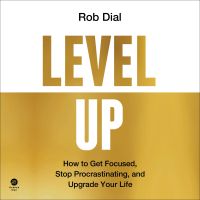
Level UpRob Dial7h 42m4.6 (3.3K)$26 · $0.00

Eat It!Jordan Syatt, Michael Vacanti4h 40m4.6 (1.5K)$20 · $0.00

Progress and Poverty, Volumes I and II (Annotated)Henry George19h 21m4.6 (574)$1.99 · $0.00

Not Everything Counts but Everything Matters: The powerful and inspirational new book about leadership and achieving success from the visionary multi-premiership winning Panthers coachIvan Cleary6h 1m4.6 (680)$24 · $0.00

BuildTony Fadell11h 5m4.5 (14.3K)$8 · $0.00

The Joys Of CompoundingGautam Baid17h 34m4.5 (2.5K)$18 · $0.00
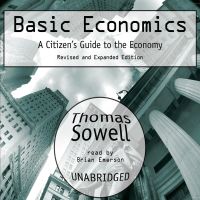
Basic EconomicsThomas Sowell18h 32m4.5 (29.3K)$28 · $0.00

Poor Charlie’s AlmanackGrover Gardener, Charles T. Munger13h 9m4.5 (24.7K)$18 · $0.00

The Ambuja StoryNarotam Sekhsaria13h 59m4.5 (830)$33 · $0.00

The Secret Door to SuccessFlorence Scovel Shinn2h 25m4.5 (2.1K)$1.20 · $0.00

This Is Going to HurtAdam Kay5h 47m4.4 (444.7K)$24 · $0.00

Big TrustShadé Zahrai, Fayçal Sekkouah8h 36m4.6 (406)$26 · $0.00

The Intelligent Investor Third EditionBenjamin Graham, Jason Zweig20h4.4 (156.6K)$46 · $0.00

Bottle of LiesKatherine Eban14h 25m4.4 (12K)$33 · $0.00

The Antiracist Business BookTrudi Lebrón6h 10m4.6 (275)$17 · $0.00

The FormulaJoshua Robinson, Jonathan Clegg10h 41m4.4 (6.9K)$29 · $0.00
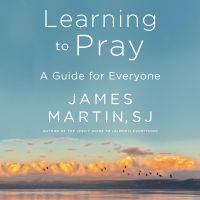
Learning to PrayJames Martin13h 24m4.5 (3.4K)$33 · $0.00

Truth Without ApologyAcharya Prashant6h 41m4.8 (2.2K)$18 · $0.00

Autism Out Loud: the instant New York Times Bestseller. Moving Stories and Parenting Lessons Learned from Three Mothers of Children with AutismKate Swenson, Carrie Cariello, Adrian Wood8h 41m4.8 (2.1K)$26 · $0.00

The StepsSylvester Stallone9h 4m4.8 (635)$29 · $0.00

Swayam Ki AwaazPrem Rawat8h 34m4.7 (1.1K)$26 · $0.00

Forever BoyKate Swenson9h 27m4.7 (5K)$29 · $0.00

You Are Worth ItKyle Carpenter, Don Yaeger8h 53m4.7 (4.8K)$29 · $0.00

The Happiest Man on EarthEddie Jaku3h 48m4.6 (178K)$7 · $0.00

Finding MeViola Davis9h 15m4.6 (256.4K)$29 · $0.00

Spiritual AnatomyDaaji Kamlesh D. Patel9h 47m4.7 (319)$29 · $0.00

The Dangerous Truth about Today’s MarijuanaLaura Stack CSP, MBA9h 57m4.7 (385)$20 · $0.00

The Gospel according to Spiritualism (Translated)Allan Kardec14h 39m4.6 (3.9K)$5.70 · $0.00

Birdie & HarlowTaylor Wolfe7h 50m4.6 (6.5K)$26 · $0.00

CrossroadsKaleb Dahlgren7h 56m4.6 (4.9K)$26 · $0.00

Life on the BridgeKaelynn Partlow5h 40m4.6 (1.1K)$24 · $0.00

Keep Your Love OnDanny Silk9h 4m4.6 (8.1K)$10 · $0.00

The Tao of Joy Every DayDerek Lin10h 24m4.6 (762)$20 · $0.00

UndividedVicky Beeching9h 2m4.6 (1.3K)$29 · $0.00

HE CAN WHO THINKS HE CAN & OTHER BOOKS ON SUCCESSOrison Swett Marden5h 54m4.6 (1.2K)$1.99 · $0.00
Level UpRob Dial7h 42m4.6 (3.3K)$26 · $0.00
You may also like

KAMA SUTRA (Annotated)Richard Francis Burton7h 57m3.7 (26.7K)$2 · $0.00

The Family ClauseJonas Hassen Khemiri10h3.9 (4.5K)$20 · $0.00

The Art of Talking with ChildrenRebecca Rolland12h 29m4.1 (442)$29 · $0.00

ANNA KARENINA – Two Unabridged Translations in One Premium Edition (World Classics Series) (Annotated)Leo Tolstoy86h 35m4.2 (779.7K)$2 · $0.00

Bogie & BacallWilliam J. Mann27h 34m4.0 (1K)$53 · $0.00

13 Things Mentally Strong Parents Don't DoAmy Morin10h 10m4.2 (4.7K)$29 · $0.00

How to Analyze People on SightElsie Benedict7h 10m3.6 (2.7K)$1.20 · $0.00

Live WireKelly Ripa9h 59m4.1 (18.5K)$29 · $0.00

WOMEN & ECONOMICSCharlotte Perkins Gilman8h 19m3.6 (326)$1.99 · $0.00

My Child Is Quiet and I Don't Want to Fix Them - How to Support a Calm, Shy, or Introverted Child, Build Their Confidence, and Stop Pushing Them to Be the Life of the PartyMax Paradox6h 32m$7.60 · $0.00

The Working Mom's Guide to Raising Successful KidsAurora Brooks1h 30m$3.50 · $0.00

Narcissism: Understanding Narcissism and the Mindset of Toxic People (A Healing Guide to Breaking Free From Toxic Family Patterns and Rediscovering Your True Self)Matt g, James Kearney3h 24m$15 · $0.00

Living Trusts, Wills & Estate Planning for SeniorsKenneth C. Spears6h 17m4.7 (116)$6

I Got Promoted, but My Paycheck Didn't Get the Memo - How to Talk About Money After Taking On More Responsibility, Set Expectations, and Avoid Accepting a New Role Just for a More Impressive Email SignatureMax Paradox6h 48m$7.70 · $0.00

How to Protect Your Child from Online Hate and CyberbullyingMax Paradox7h 1m$7.80 · $0.00

My Parents Don't Have a Financial Plan for Their Later Years - How to Talk About Income, Expenses, Documents, and Future Support Without Taking Away Their Independence or Pretending the Issue Doesn't ExistMax Paradox6h 17m$7.70 · $0.00

Pocket Money Disappears in 24 Hours - How to Teach Your Child to Plan Spending, Save, and Make Money Decisions Without Turning Every Penny into an Economics LectureMax Paradox6h 35m$7.70 · $0.00

How To Win Friends And Manipulate PeopleGeorge Mladenov5h 33m4.1 (155)$24 · $0.00

My Parents Still Treat Me Like a Child - How to Be an Adult Even at Family DinnerMax Paradox7h 33m$7.80 · $0.00

My In-Laws Are Taking Over - How to Set Boundaries Before They Start Choosing Your CurtainsMax Paradox7h 20m$7.80 · $0.00