
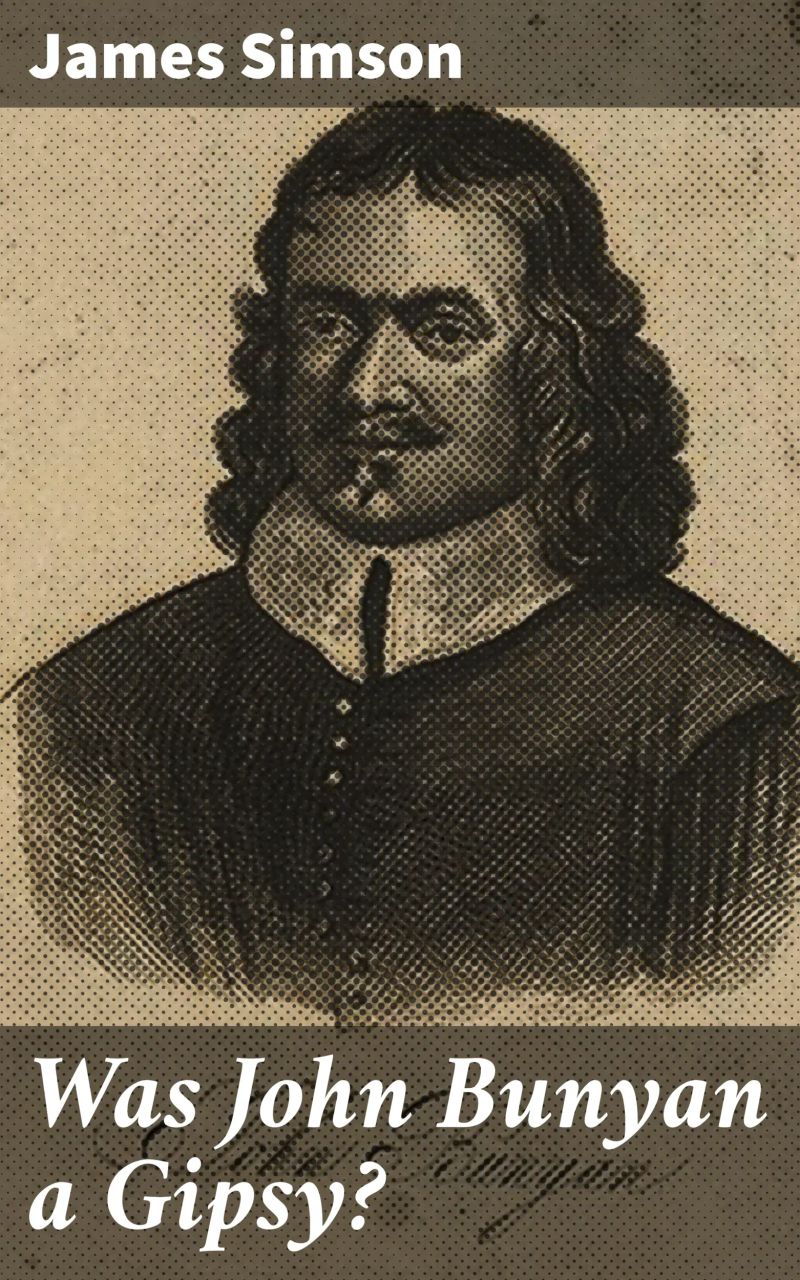
Was John Bunyan a Gipsy?
Unraveling the Ancestry of a Literary IconBy James Simson


Length1h 37m
About this audiobook
In "Was John Bunyan a Gipsy?", James Simson offers a profound investigation into the life and identity of the famed 17th-century author John Bunyan, best known for his seminal work, "The Pilgrim's Progress." Through meticulous research and an engaging narrative style, Simson examines historical records, literary texts, and contemporary interpretations to probe the possible Romani heritage of Bunyan. The book weaves together biography, cultural history, and literary criticism, situating Bunyan within the broader context of societal attitudes toward outsiders in his time, thereby framing the inquiry in relation to the narratives of belonging and identity. James Simson, a renowned scholar in British literature and cultural history, brings a personal passion for exploring marginalized voices in literary canon. His academic background, enriched by studies in Romani culture and 17th-century English literature, underpins this work, revealing fascinating parallels between Bunyan'Äôs spiritual journey and the experiences of those labeled as 'Äúother.'Äù Simson's engagement with Bunyan's context highlights the socio-political landscapes that may have influenced the author's perspective and writing. This compelling exploration is essential for readers interested in literary history and the complexities of identity. Simson'Äôs work not only illuminates Bunyan'Äôs legacy but also challenges readers to reconsider historical narratives, making it a vital contribution to both literary and cultural studies.
Audiobook details
GenreLiterary Classics
Length1 hr 37 mins
Narrated byListen with 1,000+ voices
FormateBook with Audio
Publish dateMay 19, 2021
LanguageEnglish
Table of contents
1Introduction
7SECOND EDITION.
2PREFACE.
8NOTICES OF THE BRITISH PRESS.: THE ENGLISH UNIVERSITIES AND JOHN BUNYAN, AND THE ENCYCLOPÆDIA BRITANNICA AND THE GIPSIES.
3I. [9]
9CHARLES WATERTON, Naturalist.
4II. [11b]
10AMERICAN EDITION OF 1878, WITH APPENDIX.: CONTENTS.
5III. [13]
11FOOTNOTES.
Show all chaptersShow less
6IV. [17]
More from James Simson
To Kill a MockingbirdHarper Lee12h 18m4.5 (7.4M)$29 · $0.00

These Precious DaysAnn Patchett11h 14m4.5 (45.2K)$29 · $0.00
The Great Gatsby: Original 1925 Edition (An F. Scott Fitzgerald Classic NovelFrancis Scott Fitzgerald4h 45m4.6 (9.3K)$18 · $0.00
TWELFTH NIGHTWilliam Shakespeare, Sidney Lee16h 38m4.6 (2.8K)$1.99 · $0.00
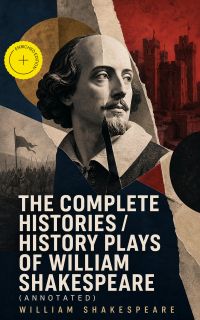
The Complete Histories / History Plays of William Shakespeare (Annotated)William Shakespeare29h 42m4.6 (2.3K)$0.99 · $0.00
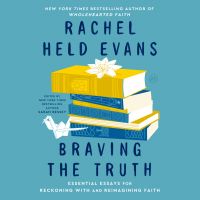
Braving the TruthRachel Held Evans11h 31m4.7 (359)$29 · $0.00

The Old Man and the Sea (Annotated)Ernest Hemingway4h 27m4.6 (1.4K)$2 · $0.00
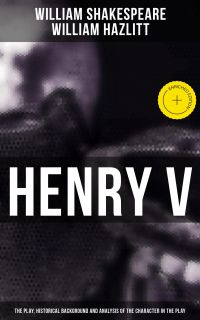
Henry V (The Play, Historical Background and Analysis of the Character in the Play)William Shakespeare, William Hazlitt8h 50m4.6 (1.3K)$1.99 · $0.00
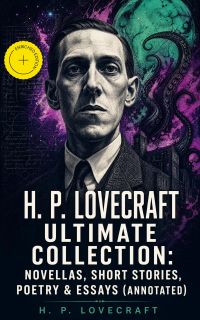
H. P. LOVECRAFT Ultimate Collection: Novellas, Short Stories, Poetry & Essays (Annotated)H. P. Lovecraft12h 28m4.6 (2.3K)$2 · $0.00
Time RegainedMarcel Proust16h 8m4.5 (10.6K)$1.99 · $0.00
The Mis-Education of the NegroCarter Goodwin Woodson4h 32m4.5 (28.4K)$10 · $0.00
TORAH - Bilingual Edition: English/Hebrew (Annotated)Max Margolis, JPS28h 26m4.6 (1K)$2 · $0.00

Betty Crocker picture cooky bookBetty Crocker, Inc. General Mills2h 13m4.5 (6.5K)$1 · $0.00
The Complete Tales of Beatrix PotterBeatrix Potter3h 36m4.5 (75K)$3 · $0.00
Anne of Green GablesL. M. Montgomery11h 1m4.5 (1.2M)$2.30 · $0.00
Crime and Punishment (The Unabridged Garnett Translation) (Annotated)Fyodor Dostoevsky24h 25m4.5 (15.4K)$0.99 · $0.00

The North American IndianEdward S. Curtis, Frederick Webb Hodge6h4.5 (1.2K)$2 · $0.00
The Picture of Dorian Gray: The Uncensored 13 Chapter Version + The Revised 20 Chapter Version (Annotated)Oscar Wilde16h 12m4.5 (2.8K)$0.99 · $0.00
Grimoire Of The Everyday WitchIsadora Lys / Virginia Santos5h 35m4.5 (3.9K)$9 · $0.00
Winnie-the-PoohAlan Alexander Milne2h 52m4.5 (401.1K)$3 · $0.00
You may also like

FrantumagliaElena Ferrante13h 50m4.1 (3.7K)$23

Studies In Classic American LiteratureD. H. Lawrence6h 51m4.1 (1.5K)$2.30
The Blithedale RomanceNathaniel Hawthorne7h 32m3.6 (9.8K)$6 · $0.00
Is Shakespeare Dead?Mark Twain2h 21m3.9 (1.5K)$1 · $0.00
Lives of the ArtistsKathleen Krull2h 2m4.0 (662)$13

Australia DayStan Grant8h 32m4.2 (2.1K)$26 · $0.00
Little GodsMeng Jin9h 30m3.7 (5.6K)$29 · $0.00
THE AUTOBIOGRAPHY OF ALICE B. TOKLAS (American Classics Series)Gertrude Stein11h 11m3.5 (27.1K)$1.99 · $0.00
The Library of Lost DollhousesElise Hooper9h 42m3.9 (7K)$8 · $0.00

Why They MarchedSusan Ware9h 12m4.1 (1.4K)$20
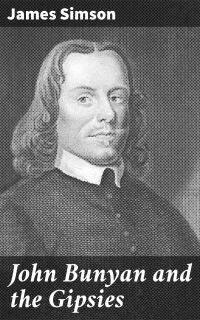
John Bunyan and the GipsiesJames Simson1h 43m$2 · $0.00

Jefferson on RaceAnnette Gordon-Reed, Thomas Jefferson14h 43m$27
Finding Your RootsHenry Louis Gates Jr.14h 48m4.2 (139)$20 · $0.00

Pioneer Imprints from Fifty StatesRoger J. Trienens, Library of Congress3h 1m$2 · $0.00
Captain PaulAlexandre Dumas6h 33m3.7 (284)$1.20 · $0.00
He That Will Not When He MayMrs. Oliphant17h 48m3.7 (246)$2.30 · $0.00

The lady of the basement flatMrs. George de Horne Vaizey8h 40m3.9 (75)$2.30 · $0.00
The Key to the Brontë WorksJohn Malham-Dembleby6h 2m$1 · $0.00

Normal SecretsWalter F. Kern6h 17m$20
Shakspere & TypographyWilliam Blades51m$2 · $0.00