
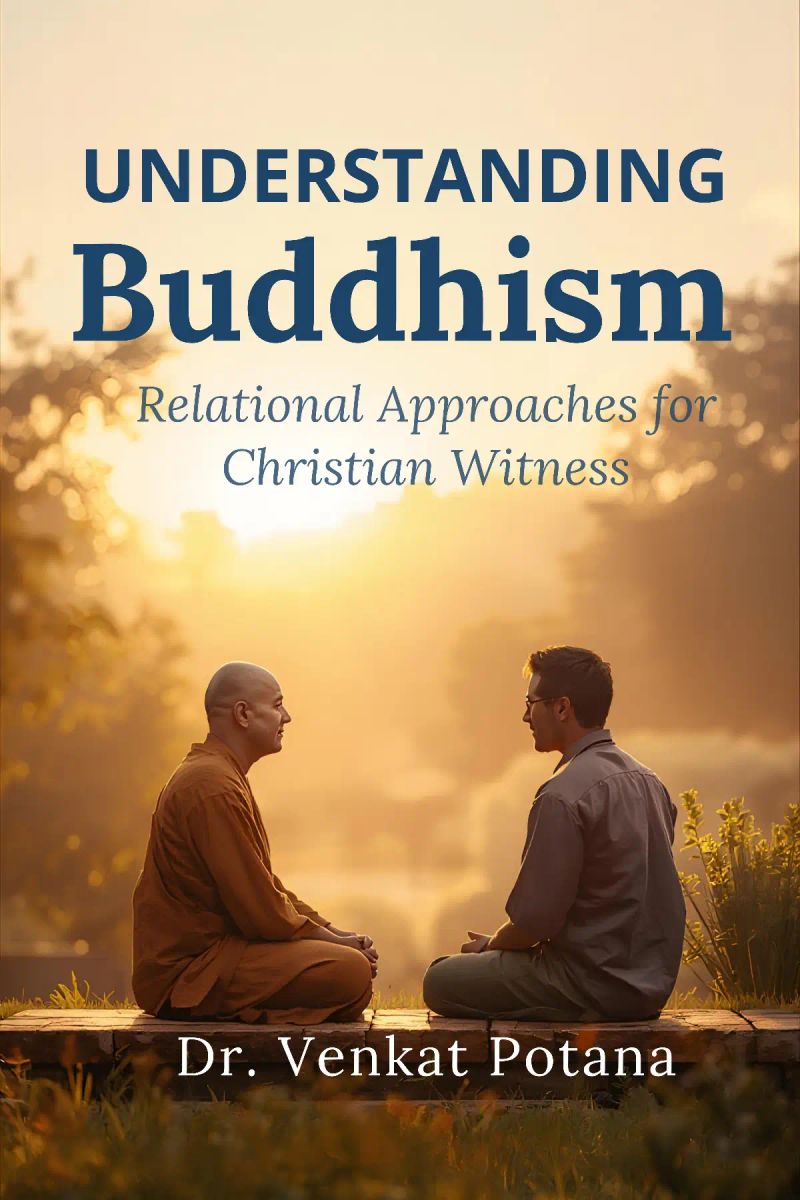
Understanding Buddhism: Relational Approaches for Christian Witness
By Dr. Venkat Potana


Length3h 44m
About this audiobook
"I write as a scholar shaped by Buddhist philosophy and long engagement with interreligious dialogue. This book stands out through its careful listening, intellectual honesty, and deep respect for Buddhist lived experience. It presents Christianity with clarity that feels steady, thoughtful, and grounded.
What distinguishes this work is the author’s posture. Buddhism is engaged as a living tradition shaped by peace, discipline, and moral seriousness. From that place of understanding, Jesus is introduced with warmth and restraint, allowing faith to be encountered as relationship rather than persuasion.
This book carries quiet confidence and spiritual maturity. It invites reflection, honors freedom, and trusts the power of love to communicate truth. It offers a meaningful contribution for readers seeking thoughtful and respectful engagement between Buddhism and Christianity.”
Dr. Elias Kronfeldt
Audiobook details
GenreSpirituality and Religion
Length3 hrs 44 mins
Narrated byListen with 1,000+ voices
FormateBook with Audio
Publish dateAug 15, 2020
LanguageEnglish
Table of contents
1Introduction
2Foreword
3Chapter 1: Understanding Buddhism—Its Origins and Core Beliefs
4Why Understanding Buddhism Matters Today
5Siddhartha Gautama
Show all chaptersShow less
6The Central Question of Buddhism
7The Four Noble Truths Explained Simply
8The Eightfold Path
9Enlightenment and Nirvana
10Karma and Reincarnation
11What Buddhism Is and What It Is Not
12Chapter Summary
13Chapter 2: How Buddhism Thinks About Life, Suffering, and Hope
14Life as It Is: Why Suffering Stands at the Center
15Desire and Attachment: How Buddhism Explains the Human Problem
16Moral Order Without God: Karma and Responsibility
17Rebirth and the Hope of Release: Understanding Continuity and Freedom
18Equality and Simplicity: Why Buddhism Rejected Caste and Ritual Hierarchy
19Teaching Emphasis: The Path Stands Open to Every Person
20Why Buddhism Does Not Focus on God
21Chapter 3: Relating to Buddhists—Building Trust Before Sharing Christ
22Why Relationship Comes Before Witness
23Beginning With Silence and Reflection:
24Respecting Buddhist Spirituality Without Compromise
25Compassion (Karuna) as Lived Witness
26Service Before Speech
27Friendship Before Theology
28Community-Centered Relationships
29Avoiding Argument, Pressure, and Confrontation
30Trust as a Long-Term Process
31Love as the Mark of Christian Witness
32Chapter Summary: Walking Faithfully Without Rushing
33Chapter 4: Sharing Jesus with Buddhists—Peace, Grace, and Living Hope
34From Relational Trust to Spiritual Invitation
35Speaking of Peace in a Buddhist Frame of Reference
36Jesus as the Giver of Lasting Peace
37Grace and the Limits of Self-Effort
38Forgiveness and Karma: Two Moral Visions
39Personal God vs Impersonal Enlightenment
40Scripture Meditation as a Bridge
41Prayer and Spiritual Discernment
42Power Encounter Approached Humbly and Biblically
43Holding the Invitation Without Pressure
44Chapter Summary: Pointing Gently Toward Living Hope
45Love as the Final Witness
46Conclusion: Faithful Presence in a Shared World
47About the Book
48Dedication
49Epigraph
50Preface
1 Samuel: The Rise of the KingdomDr. Venkat Potana 4h 43m$2.99
Ruth: A Story of Faithfulness and RedemptionDr. Venkat Potana 7h 16m$2.99
Judges: The Cycle of Rebellion and RedemptionDr. Venkat Potana 6h 16m$2.99
Joshua: Entering the Promised LandDr. Venkat Potana 6h 46m$2.99
Deuteronomy: Remembering God’s CovenantDr. Venkat Potana 4h 12m$2.99
Numbers: The Journey Through the Wilderness Dr. Venkat Potana 3h 25m$2.99
Leviticus: The Call to Holiness Dr. Venkat Potana 6h 13m$2.99
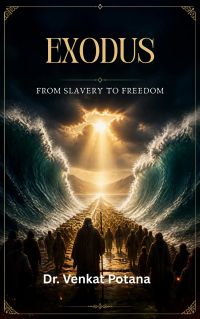
Exodus: From Slavery to FreedomDr. Venkat Potana 5h 4m$2.99
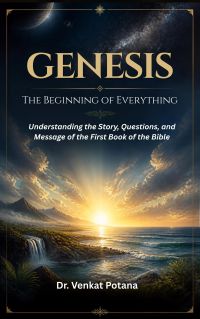
Genesis: The Beginning of Everything— Understanding the Story, Questions, and MessageDr. Venkat Potana 4h 25m$2.99
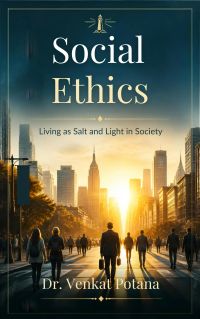
Social Ethics: Living as Salt and Light in SocietyDr. Venkat Potana 5h 5m$2.99

Biblical Christian Ethics: A Foundation for Christian LivingDr. Venkat Potana 4h 34m$2.99

Sexual Ethics: God's Design for Marriage, Sexuality, and GenderDr. Venkat Potana 6h 17m$2.99

Bioethics: A Christian Response to Life and Medical Issues Dr. Venkat Potana 5h 23m$2.99
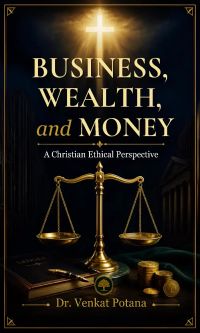
Business, Wealth, and Money: A Christian Ethical PerspectiveDr. Venkat Potana 6h 23m$2.99
Digital Ethics: Following Christ in the Digital AgeDr. Venkat Potana 6h 16m$2.99
Knowing God The Attributes of God for Everyday ChristiansDr. Venkat Potana 5h 38m$2.99
Political and Civic Ethics A Christian Perspective Dr. Venkat Potana 6h 5m$2.99

Marriage and Family Ethics: A Christian Perspective Dr. Venkat Potana6h 24m$2.99

Environmental Ethics: Caring for God's CreationDr. Venkat Potana 5h 56m$2.99
Kingdom Ethics for Ministry and the ChurchDr. Venkat Potana 5h 18m$2.99

Loved BabySarah Philpott4h 51m4.8 (1.4K)$10 · $0.00
The QuranAllah23h 7m4.7 (136.1K)$1 · $0.00

The Secret of the RosaryLouis de Montfort6h 1m4.7 (16K)$2 · $0.00

The Holy Qur-an: Text, Translation and CommentaryAbdullah Yusuf Ali22h 16m4.7 (133K)$1 · $0.00

All of Grace (Annotated)Charles Spurgeon5h 1m4.7 (1.3K)$1.99 · $0.00

Steps to ChristEllen G. White3h 12m4.7 (13.8K)$2 · $0.00
The Doctrine and Selected CovenantsJoseph Smith13h 53m4.7 (10.4K)$1.99 · $0.00

Sinners in the Hands of an Angry God & Other Sermons (Annotated)Jonathan Edwards7h 51m4.7 (1.5K)$2 · $0.00
Swayam Ki AwaazPrem Rawat8h 34m4.7 (1.1K)$26 · $0.00

Behind the BadgeAdam Davis10h 18m4.7 (2.7K)$10 · $0.00
The New Human Revolution, vol. 1Daisaku Ikeda7h 46m4.7 (669)$12 · $0.00

You Are Worth ItKyle Carpenter, Don Yaeger8h 53m4.7 (4.8K)$29 · $0.00

Praying GraceDavid A. Holland3h 2m4.7 (658)$10 · $0.00

Evidence Not SeenDarlene Deibler Rose11h 11m4.6 (11.9K)$29 · $0.00

The Christ KeyChad Bird, Chad Bird7h 33m4.7 (592)$17.40 · $0.00

He and IGabrielle Bossis10h 12m4.7 (554)$17 · $0.00
Your Body Already KnowsNidhi Pandya Bhanshali9h 7m4.7 (360)$16 · $0.00

The Complete WorksFlorence Scovel Shinn7h 59m4.6 (6.6K)$2 · $0.00
Driven by EternityJohn Bevere3h 50m4.6 (3.2K)$10 · $0.00
Spiritual AnatomyDaaji Kamlesh D. Patel9h 47m4.7 (319)$29 · $0.00
You may also like
A Buddhist Bible (Annotated)Dwight Goddard8h 47m4.4 (1.7K)$2 · $0.00
Hatha Yoga PradipikaYoga Swami3h 39m4.3 (4.3K)$3.50 · $0.00
The Greatest SecretRhonda Byrne6h 20m4.0 (10.5K)$24 · $0.00

PragmatismWilliam James5h 41m4.0 (6.6K)$1.20 · $0.00
The Artist's Guide to Grant WritingGigi Rosenberg5h 39m4.3 (269)Free
How We BreakVincent Deary11h 9m4.2 (257)$25
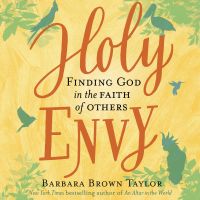
Holy EnvyBarbara Brown Taylor7h 26m4.4 (9.4K)$24 · $0.00
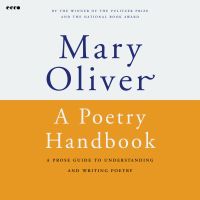
A Poetry HandbookMary Oliver3h 33m4.3 (11.9K)$18 · $0.00

The End of ChristendomMalcolm Muggeridge1h 53m4.2 (967)$10
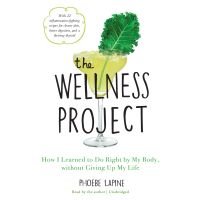
The Wellness ProjectPhoebe Lapine7h 34m3.9 (2.4K)$20 · $0.00

The Silent Sound of EckankarZachary L. Ashford9h 24m$4.10 · $0.00

Your Best ShotAshley Koff, RD9h 8m4.1 (32)$29 · $0.00

Light on the Path and Through the Gates of GoldMabel Collins4h 31m4.3 (194)$2 · $0.00

NINJA CREAMI PROTEIN RECIPE COOKBOOKYvonne Stanton3h 5m$9.50 · $0.00
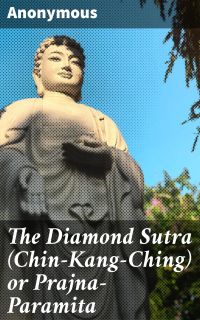
The Diamond Sutra (Chin-Kang-Ching) or Prajna-ParamitaAnonymous3h 24m$1 · $0.00
Guided Meditation for Greater AwarenessCristian Tuerk22m$13 · $0.00

NOKTANIN SONSUZLUGU 1 - Lütfi Filiz Lütfi Filiz 17h 14m4.3 (44)Free
Key to Self-Realization: Paramahansa Yogananda Collection (Annotated)Paramahansa Yogananda22h 50m$2 · $0.00

The Science of Being Well: Health from a New Thought Perspective (Classic Unabridged Edition) (Annotated)Wallace D. Wattles3h 28m3.9 (796)$1.99 · $0.00
WHAT IS ART? & WHEREIN IS TRUTH IN ART? (Meditations on Aesthetics & Literature) (Annotated)Leo Tolstoy20h 48m4.5 (153)$1.99 · $0.00