
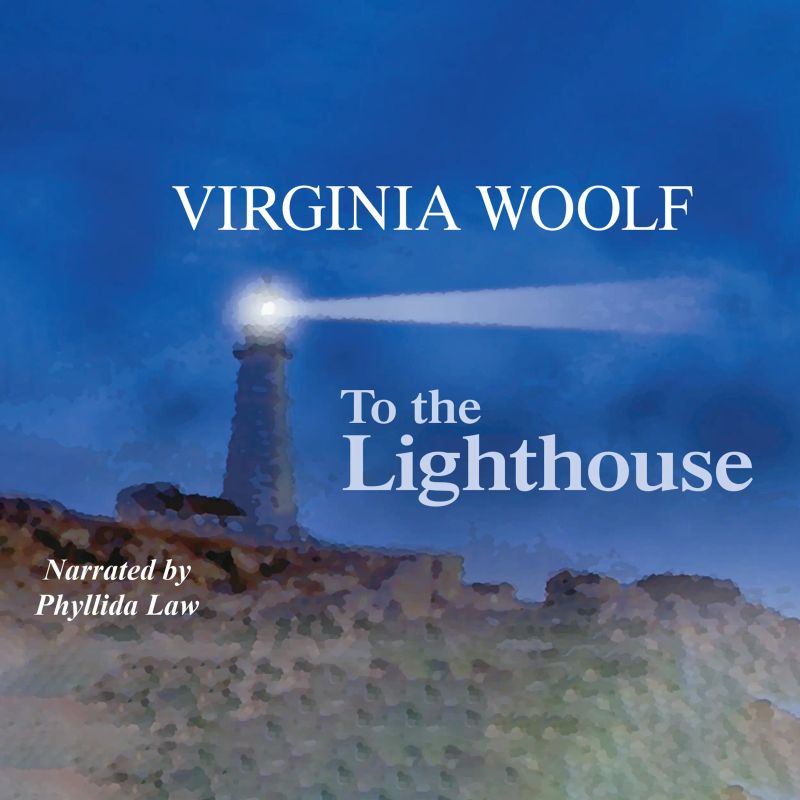
Length7h 36m
About this audiobook
To the Lighthouse is at once a vivid impressionist depiction of a family holiday and a meditation on a marriage, on parenthood and childhood, on grief, tyranny, and bitterness.
Its use of stream of consciousness, reminiscence, and shifting perspectives gives the novel an intimate, poetic essence, and at the time of publication in 1927 it represented an utter rejection of Victorian and Edwardian literary values.
Audiobook details
Rating★★★★ 4.0 (243.5K)
Includes Goodreads, LibraryThing, Amazon
GenreGeneral Fiction
Length7 hrs 36 mins
Narrated byPhyllida Law
FormatAudiobook
Publish dateNov 1, 2010
LanguageEnglish
More from Virginia Woolf
Jacob's RoomVirginia Woolf6h 56m3.7 (22.3K)$17
Mrs. Dalloway in Bond Street & Other StoriesVirginia Woolf2h 6m3.8 (1.3K)$15
Jacob’s RoomVirginia Woolf6h 2m3.6 (18.5K)$14
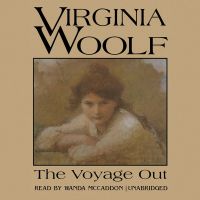
The Voyage OutVirginia Woolf13h 24m3.8 (15.5K)$25
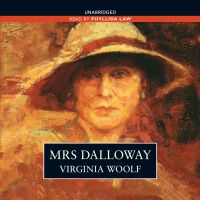
Mrs. DallowayVirginia Woolf7h 25m4.1 (346.3K)$20
Mrs DallowayVirginia Woolf7h 2m3.9 (426K)$17
Mrs. DallowayVirginia Woolf7h 22m3.9 (422K)$17
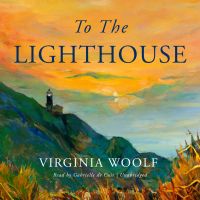
To the LighthouseVirginia Woolf9h 37m4.0 (262.7K)$20
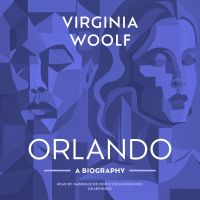
OrlandoVirginia Woolf10h 9m4.1 (328.3K)$25
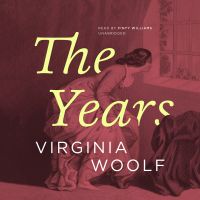
The YearsVirginia Woolf13h 31m3.9 (7K)$23
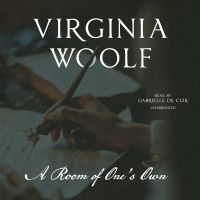
A Room of One's OwnVirginia Woolf5h 5m4.3 (326.8K)$20
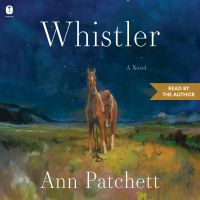
WhistlerAnn Patchett10h 45m4.6 (4.6K)$29 · $0.00
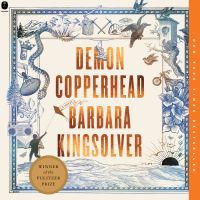
Demon CopperheadBarbara Kingsolver21h 3m4.5 (949.4K)$46 · $0.00
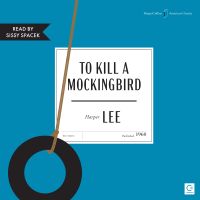
To Kill a MockingbirdHarper Lee12h 18m4.5 (7.4M)$29 · $0.00
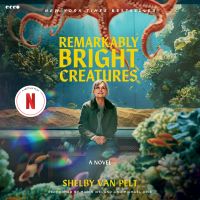
Remarkably Bright CreaturesShelby Van Pelt11h 17m4.4 (1.7M)$29 · $0.00
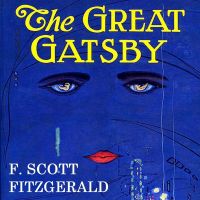
The Great Gatsby: Original 1925 Edition (An F. Scott Fitzgerald Classic NovelFrancis Scott Fitzgerald4h 45m4.6 (9.3K)$18 · $0.00
Something Like LoveBeverly Jenkins10h 21m4.6 (2.7K)$29 · $0.00
Black History CollectionFrederick Douglass, Harriet Ann Jacobs, Booker T. Washington, W.E.B. Du Bois27h 9m4.6 (2.6K)$18 · $0.00
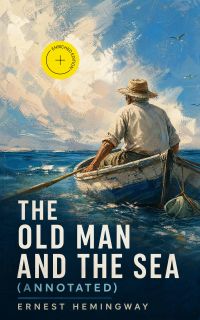
The Old Man and the Sea (Annotated)Ernest Hemingway4h 27m4.6 (1.4K)$2 · $0.00
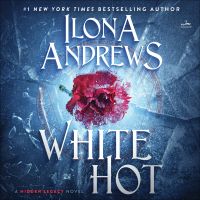
White HotIlona Andrews13h 18m4.5 (136.9K)$5 · $0.00
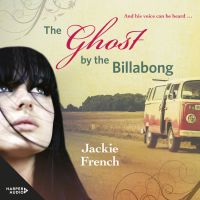
The Ghost by the Billabong (The Matilda Saga, #5)Jackie French14h 58m4.6 (773)$33 · $0.00
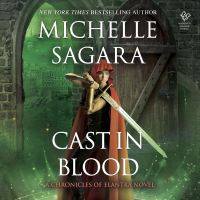
Cast in BloodMichelle Sagara16h 35m4.6 (607)$33 · $0.00
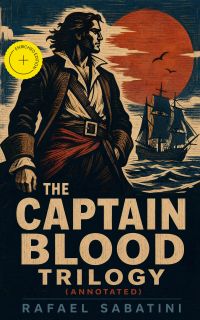
The Captain Blood Trilogy (Annotated)Rafael Sabatini29h 20m4.6 (1K)$3 · $0.00
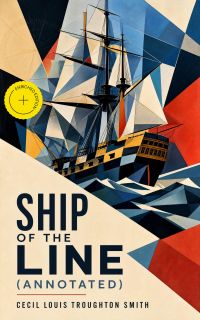
Ship of the Line (Annotated)Cecil Louis Troughton Smith11h 13m4.6 (1K)$2 · $0.00
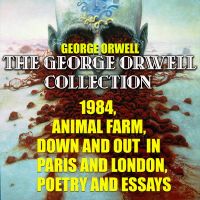
The George Orwell CollectionGeorge Orwell24h 46m4.5 (14.4K)$12 · $0.00
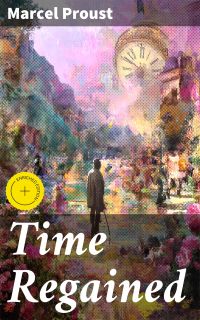
Time RegainedMarcel Proust15h 38m4.5 (9.2K)$2 · $0.00
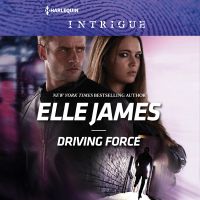
Driving ForceElle James4h 58m4.6 (407)$20 · $0.00
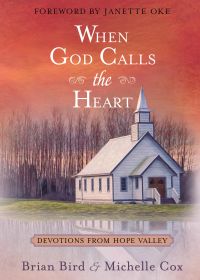
When God Calls the HeartBrian Bird, Michelle Cox3h 24m4.6 (439)$10 · $0.00
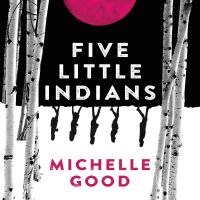
Five Little IndiansMichelle Good10h 34m4.5 (64.5K)$29 · $0.00
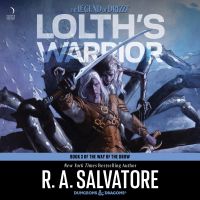
Lolth's WarriorR. A. Salvatore13h 20m4.6 (2.4K)$33 · $0.00
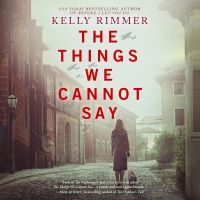
The Things We Cannot SayKelly Rimmer13h 48m4.5 (359.1K)$33 · $0.00
You may also like
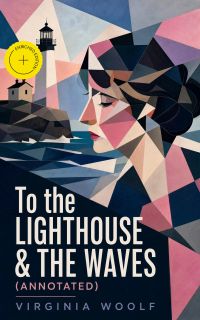
To the Lighthouse & The Waves (Annotated)Virginia Woolf16h 28m4.3 (1.7K)$2 · $0.00
RequeeningAmanda Moore1h 57m4.1 (252)$16 · $0.00
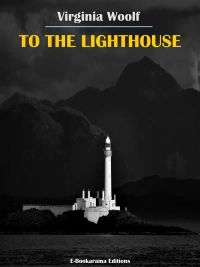
To the LighthouseVirginia Woolf7h 16m4.0 (270.4K)$21 · $0.00
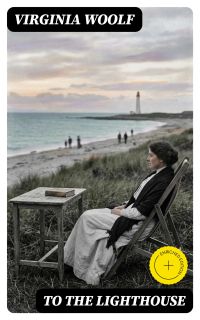
To the LighthouseVirginia Woolf8h 42m4.0 (260.1K)$2 · $0.00
The Waves & To the LighthouseVirginia Woolf16h 25m4.2 (2.1K)$1.99 · $0.00
The Complete Poetry of Dylan Thomas (Annotated)Dylan Thomas4h 53m4.7 (1.2K)$2.99 · $0.00
To the LighthouseVirginia Woolf7h 57m4.0 (263.2K)$6 · $0.00
The Complete Poetry of Emily DickinsonEmily Dickinson17h 40m4.4 (114.7K)$1 · $0.00
TO THE LIGHTHOUSEVirginia Woolf8h 28m4.0 (260.4K)$1 · $0.00
To The LighthouseVirginia Woolf7h 24m4.0 (282.5K)$3.50 · $0.00
DearlyMargaret Atwood1h 47m4.0 (20K)$16 · $0.00
Lydia Cassatt Reading the Morning PaperHarriet Scott Chessman3h 44m3.7 (2.8K)$20 · $0.00
THE WAVESVirginia Woolf9h 35m4.2 (72.4K)$1 · $0.00
The Poems of LeopardiGiacomo Leopardi3h 9m4.5 (3.6K)$2 · $0.00
UlyssesJames Joyce30h 47m3.9 (179K)$2.30 · $0.00
MRS. DALLOWAYVirginia Woolf8h 29m4.0 (432.5K)$2.99 · $0.00
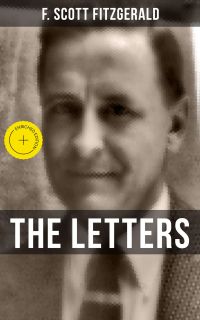
THE LETTERS OF F. SCOTT FITZGERALDF. Scott Fitzgerald22h 23m4.2 (710)$1.99 · $0.00
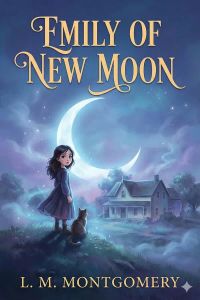
Emily of New MoonL. M. Montgomery12h 23m4.3 (56.5K)$2.30 · $0.00
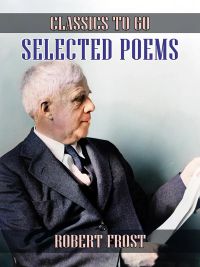
Selected PoemsRobert Frost2h 6m4.2 (10.5K)$2.30
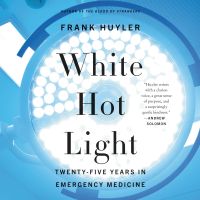
White Hot LightFrank Huyler6h 3m4.2 (1.1K)$24 · $0.00