
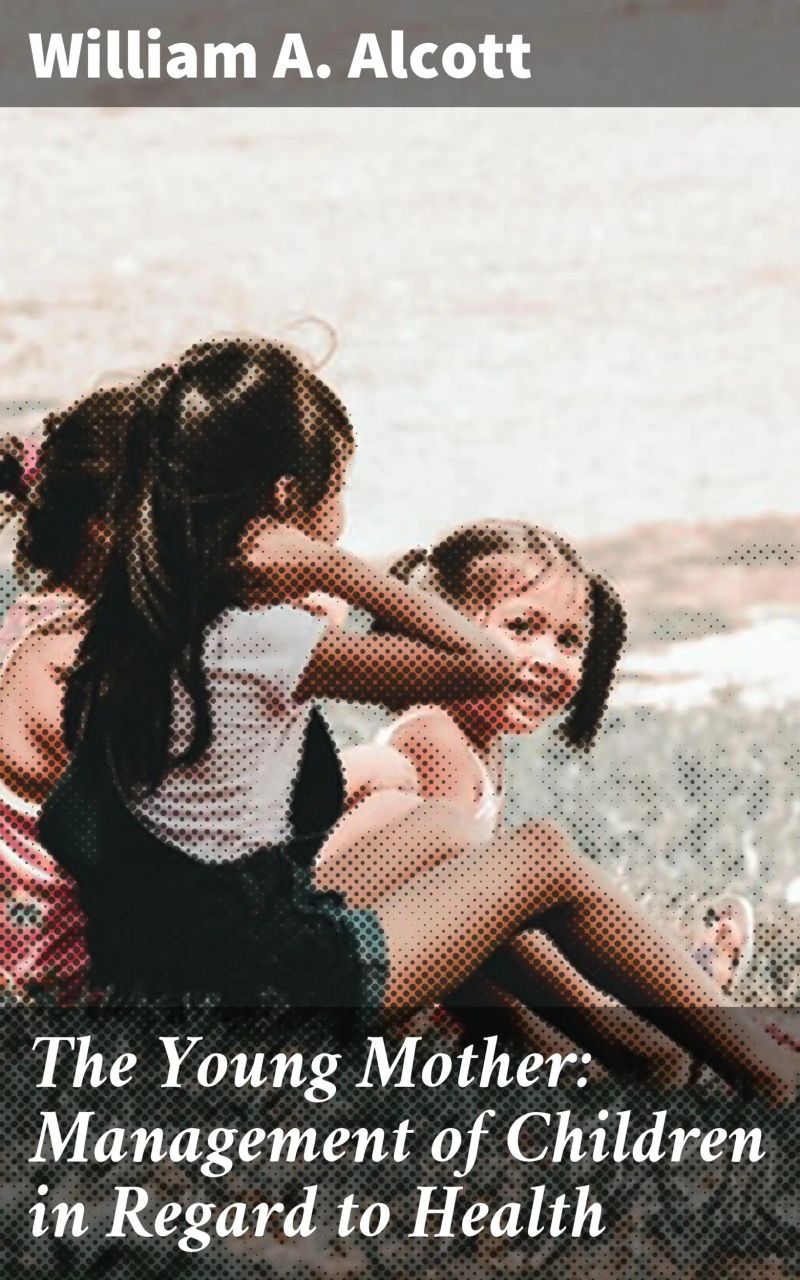
The Young Mother: Management of Children in Regard to Health
Essential Childcare Practices for 19th Century MothersBy William A. Alcott


Length6h 49m
About this audiobook
In "The Young Mother: Management of Children in Regard to Health," William A. Alcott presents a comprehensive guide tailored for mothers seeking to foster the health and well-being of their children. Written in the mid-19th century, Alcott's prose balances a conversational tone with meticulous attention to detail, showcasing an early understanding of child care that bridges practical advice with emerging medical knowledge. Engagingly structured, the text delves into various topics, such as diet, hygiene, and developmental milestones, establishing a foundational perspective in the realm of maternal health literature during a period when such discourse was becoming increasingly relevant. William A. Alcott, a prominent figure in the Transcendentalist movement, was not only a physician but also an advocate for education and health reform. His experiences as a medical practitioner and his commitment to progressive ideals undoubtedly informed his approach to parenting and health within the family unit. Alcott's holistic view of health emphasizes the moral and spiritual dimensions of child-rearing, reflecting the era's growing emphasis on preventative care and the nurturing role of mothers. This book is a pivotal read for contemporary parents, educators, and health professionals interested in historical perspectives on child management. Alcott'Äôs insights provide an enduring framework that transcends time, urging readers to consider not only the physical health of children but also their emotional and moral upbringing. "The Young Mother" remains a valuable resource for those invested in developing a compassionate and informed approach to parenting.
Audiobook details
GenreHealth and Wellness
Length6 hrs 49 mins
Narrated byListen with 1,000+ voices
FormateBook with Audio
Publish dateDec 4, 2019
LanguageEnglish
Table of contents
1Introduction
26SEC. 2. Conduct of the Mother.
2CHAPTER XX. ABUSES.
27SEC. 3. Nursing—how often.
3PREFACE.
28SEC. 4. Quantity of Food.
4THE YOUNG MOTHER.
29SEC. 5. How long should milk be the only food.
5CHAPTER I.: THE NURSERY.
30SEC. 6. On Feeding before Teething.
Show all chaptersShow less
6CHAPTER II.: TEMPERATURE.
31SEC. 7. From Teething to Weaning.
7CHAPTER III.: VENTILATION.
32SEC. 8. During the process of Weaning.
8CHAPTER IV.
33SEC. 9. Food subsequently to Weaning.
9THE CHILD'S DRESS
34SEC. 10. Remarks on Fruit.
10SEC. 1. Swathing the Body.
35SEC. 11. Confectionary.
11SEC. 2. Form of the Dress.
36SEC. 12. Pastry.
12SEC. 3. Material.
37SEC. 13. Crude or Raw Substances.
13SEC. 4. Quantity.
38CHAPTER VIII.: DRINKS.
14SEC. 5. Caps.
39CHAPTER IX.: GIVING MEDICINE.
15SEC. 6. Hats and Bonnets.
40CHAPTER X.
16SEC. 7. Covering for the Feet.
41EXERCISE.
17SEC. 8. Pins.
42SEC. 1. Rocking in the Cradle.
18SEC. 9. Remaining Wet.
43SEC. 2. Carrying in the Arms.
19SEC. 10. Remarks on the Dress of Boys.
44SEC. 3. Creeping.
20SEC. 11. On the Dress of Girls.
45SEC. 4. Walking.
21CHAPTER V.: CLEANLINESS.
46SEC. 5. Riding in Carriages.
22CHAPTER VI.: ON BATHING.
47SEC. 6. Riding on Horseback.
23CHAPTER VII.
48CHAPTER XI.: AMUSEMENTS.
24FOOD.
49CHAPTER XII.: CRYING.
25SEC. 1. General Principles.
50CHAPTER XIII.: LAUGHING.

The Yoga Sutras of PatanjaliPatanjali4h 8m4.5 (18.5K)$6 · $0.00

The Lost VoiceGreta Morgan8h 30m4.7 (285)$26 · $0.00
Healthy Kids, Happy KidsElisa Song14h 18m4.6 (760)$33 · $0.00
Eat It!Jordan Syatt, Michael Vacanti4h 40m4.6 (1.5K)$20 · $0.00
Consent Laid BareChanel Contos7h 11m4.5 (1.7K)$24 · $0.00
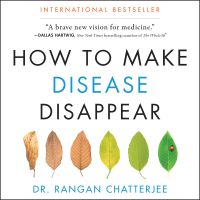
How to Make Disease DisappearRangan Chatterjee5h 26m4.5 (3.5K)$24 · $0.00

The Complete Herbal (Annotated)Nicholas Culpeper29h 8m4.5 (1.4K)$2 · $0.00

A Plague Upon Our HouseScott W. Atlas MD10h 37m4.5 (3.4K)$20 · $0.00

The Cancer CodeDr. Jason Fung10h 48m4.5 (5.3K)$29 · $0.00

The Gift of TherapyIrvin Yalom7h 39m4.5 (38.8K)$26 · $0.00

EarlySarah DiGregorio9h 47m4.5 (1.3K)$29 · $0.00
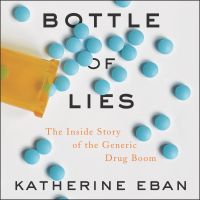
Bottle of LiesKatherine Eban14h 25m4.4 (12K)$33 · $0.00
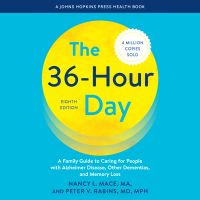
The 36-Hour DayNancy L. Mace, Peter V. Rabins17h 13m4.4 (9.2K)$28 · $0.00

FlooredSara Reardon10h 36m4.5 (1K)$29 · $0.00

Radical RemissionKelly A. Turner9h 26m4.4 (8.1K)$29 · $0.00
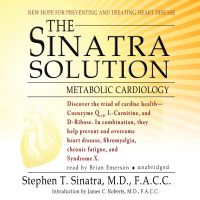
The Sinatra SolutionStephen T. Sinatra MD9h4.5 (899)$20 · $0.00

The Songaminute ManSimon McDermott6h 12m4.5 (280)$24 · $0.00
Sometimes BrilliantLarry Brilliant12h 27m4.5 (954)$29 · $0.00

Live Your LifeAmanda Kloots, Anna Kloots10h 54m4.4 (13.7K)$29 · $0.00

All in Her HeadElizabeth Comen13h 25m4.4 (18.2K)$33 · $0.00
You may also like
Fancy Nancy and the Wedding of the CenturyJane O'Connor8m4.3 (1.6K)$4 · $0.00

Emile, or On EducationJean-Jacques Rousseau26h 3m3.9 (8.2K)$2 · $0.00

Flight BehaviorBarbara Kingsolver16h 56m4.0 (142.7K)$40 · $0.00

Sunshine StateSarah Gerard10h 4m3.6 (2.3K)$29 · $0.00
An Effective LifeStephen R. Covey54m3.8 (2.1K)$10 · $0.00
Managing ExpectationsMinnie Driver6h 49m4.2 (8K)$24 · $0.00

Parents and ChildrenCharlotte Mason9h 20m4.4 (883)$2 · $0.00

The Blessing of a B MinusWendy Mogel PhD8h 18m4.3 (1.7K)$17 · $0.00

Georgia O'KeeffeRoxana Robinson29h 13m4.2 (2K)$30
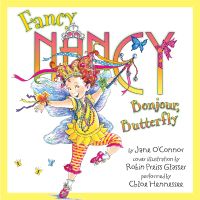
Fancy Nancy: Bonjour, ButterflyJane O'Connor, Robin Preiss Glasser6m4.3 (8.2K)$4 · $0.00

The Berenstain Bears' New PupJan Berenstain, Stan Berenstain5m4.1 (2.1K)$4 · $0.00
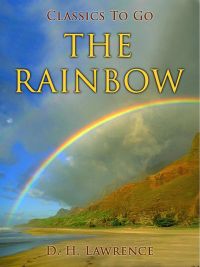
The RainbowD. H. Lawrence21h 5m3.9 (27.1K)$2.30

The Montessori MethodMaria Montessori13h 3m4.3 (2.4K)$2.30

Heidi (Illustrated Edition) (Annotated)Johanna Spyri7h 2m$2 · $0.00

Tokology : A book for every womanAlice B. Stockham11h 26m$1 · $0.00

The Complete Novels of D. H. Lawrence (Annotated)D. H. Lawrence211h 16m$2 · $0.00

Over the Hills and Far AwayMatthew Dennison5h 59m3.6 (560)$20 · $0.00

Original stories from real lifeMary Wollstonecraft2h 57m3.5 (70)$1 · $0.00
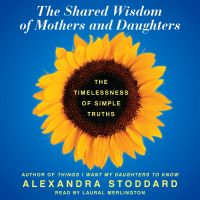
The Shared Wisdom of Mothers and DaughtersAlexandra Stoddard4h 30m3.9 (159)$20 · $0.00

Bat and the Business of FerretsElana K. Arnold2h 37m4.4 (195)$18 · $0.00