

Original stories from real life
With conversations, calculated to regulate the affections, and form the mind to truth and goodnessBy Mary Wollstonecraft


Length2h 57m
About this audiobook
In "Original Stories from Real Life," Mary Wollstonecraft penates a series of perceptive and didactic tales that blend moral instruction with a deep empathy for the human experience. The book, targeting a young audience, is structured to impart ethical lessons through relatable characters and everyday scenarios, reflecting Enlightenment ideals while pushing against the prevailing sentimentalism of her time. Wollstonecraft'Äôs prose exhibits clarity and elegance, revealing her commitment to educating children and advocating for women'Äôs rights, emphasizing the importance of both rational thought and emotional depth in moral education. Mary Wollstonecraft, a pioneering feminist philosopher and advocate for women's education, draws from her own tumultuous life experiences, including her struggles against societal norms that limited women'Äôs roles. Her background as a governess, combined with her extensive reading and experiences with the injustices of the patriarchal society, profoundly influenced her writing. These stories emerged not just as children'Äôs literature but as a vehicle for feminist thought, positioning women as rational beings worthy of education and respect. Readers who seek to engage with foundational feminist literature will find "Original Stories from Real Life" enriching and relevant. Wollstonecraft's vivid narratives and ethical reflections resonate today, encouraging critical thought and empathy, making this work essential for anyone interested in the intersections of education, morality, and women's rights.
Audiobook details
Rating★★★ 3.5 (70)
Includes Goodreads
GenreLiterary Classics, General Fiction
Length2 hrs 57 mins
Narrated byListen with 1,000+ voices
FormateBook with Audio
Publish dateNov 5, 2021
LanguageEnglish
Table of contents
1PREFACE.
2INTRODUCTION.
3CHAP. I. The Treatment of Animals.—The Ant.—The Bee.—Goodness.—The Lark’s Nest.—The Asses.
4CHAP. II The Treatment of Animals.—The Difference between them and Man.—Parental Affection of a Dog.—Brutality punished.
5CHAP. III. The treatment of Animals.—The Story of crazy Robin.—The Man confined in the Bastille.
Show all chaptersShow less
6CHAP. IV. Anger.—History of Jane Fretful.
7CHAP. V. Lying.—Honour.—Truth.—Small Duties.—History of Lady Sly and Mrs. Trueman.
8CHAP. VI. Anger.—Folly produces Self-contempt, and the Neglect of others.
9CHAP. VII. Virtue the Soul of Beauty.—The Tulip and the Rose.—The Nightingale.—External Ornaments.—Characters.
10CHAP. VIII. Summer Evening’s Amusement.—The Arrival of a Family of Haymakers.—Ridicule of personal Defects censured.—A Storm.—The Fear of Death.—The Cottage of honest Jack, the shipwrecked Sailor.—The History of Jack, and his faithful Dog Pompey.
11CHAP. IX. The Inconveniences of immoderate Indulgence.
12CHAP. X. The Danger of Delay.—Description of a Mansion-house in Ruins.—The History of Charles Townley.
13CHAP. XI. Dress.—A Character.—Remarks on Mrs. Trueman’s Manner of dressing.—Trifling Omissions undermine Affection.
14CHAP. XII. Behaviour to Servants.—True Dignity of Character.
15CHAP. XIII. Employment.—Idleness produces Misery.—The Cultivation of the Fancy raises us above the Vulgar, extends our Happiness, and leads to Virtue.
16CHAP. XIV. Innocent Amusements.—Description of a Welsh Castle.—History of a Welsh Harper.—A tyrannical Landlord.—Family Pride.
17CHAP. XV. Prayer.—A Moon-light Scene.—Resignation.
18CHAP. XVI. The Benefits arising from Devotion.—The History of the Village School-mistress.—Fatal Effects of Inattention to Expences, in the History of Mr. Lofty.
19CHAP. XVII. The Benefits arising from Devotion.—The History of the Village School-mistress concluded.
20CHAP. XVIII. Visit to the School-mistress.—True and false Pride.
21CHAP. XIX. Charity.—The History of Peggy and her Family.—The Sailor’s Widow.
22CHAP. XX. Visit to Mrs. Trueman.—The Use of Accomplishments.—Virtue the Soul of all.
23CHAP. XXI. The Benefit of bodily Pain.—Fortitude the Basis of Virtue.—The Folly of Irresolution.
24CHAP. XXII. Journey to London.
25CHAP. XXIII. Charity.—Shopping.—The distressed Stationer.—Mischievous Consequences of delaying Payment.
26CHAP. XXIV. Visit to a poor Family in London.—Idleness the Parent of Vice.—Prodigality and Generosity incompatible.—The Pleasures of Benevolence.—True and false Motives for saving.
27CHAP. XXV. Mrs. Mason’s farewell Advice to her young Friends.
More from Mary Wollstonecraft
A Vindication of the Rights of Woman (A Feminist Masterpiece)Mary Wollstonecraft11h 9m4.0 (73.1K)$1.99 · $0.00

Letters Written During a Short Residence in Sweden, Norway, and Denmark (Annotated)Mary Wollstonecraft6h 47m4.0 (3K)$1.99 · $0.00

A Vindication of the Rights of Woman (a feminist literature classic)Mary Wollstonecraft10h 52m4.1 (36.9K)$1 · $0.00

Mary: A FictionMary Wollstonecraft3h 55m3.3 (799)$2 · $0.00

Mary Wollstonecraft's Original StoriesMary Wollstonecraft2h 4m3.9 (96)$2 · $0.00

Thoughts on the Education of DaughtersMary Wollstonecraft3h 13m3.4 (119)$2 · $0.00

Maria - The Wrongs of Woman (Annotated)Mary Wollstonecraft6h 37m3.5 (1.9K)$0.99 · $0.00

Mary (Annotated)Mary Wollstonecraft4h 14m4.1 (10)$0.99 · $0.00

Verteidigung der Rechte der FrauMary Wollstonecraft11h 10m4.1 (94.4K)$2 · $0.00
A Vindication of the Rights of Woman (a feminist literature classic)Mary Wollstonecraft9h 32m4.1 (90.6K)$2 · $0.00

Letters Written During a Short Residence in Sweden, Norway, and Denmark (Annotated)Mary Wollstonecraft7h 7m3.8 (1.5K)$0.99 · $0.00

To Kill a MockingbirdHarper Lee12h 18m4.5 (7.4M)$29 · $0.00

These Precious DaysAnn Patchett11h 14m4.5 (45.2K)$29 · $0.00

The Complete Histories / History Plays of William Shakespeare (Annotated)William Shakespeare29h 42m4.6 (2.3K)$0.99 · $0.00
Braving the TruthRachel Held Evans11h 31m4.7 (359)$29 · $0.00

The Old Man and the Sea (Annotated)Ernest Hemingway4h 27m4.6 (1.4K)$2 · $0.00
Henry V (The Play, Historical Background and Analysis of the Character in the Play)William Shakespeare, William Hazlitt8h 50m4.6 (1.3K)$1.99 · $0.00
H. P. LOVECRAFT Ultimate Collection: Novellas, Short Stories, Poetry & Essays (Annotated)H. P. Lovecraft12h 28m4.6 (2.3K)$2 · $0.00
Time RegainedMarcel Proust16h 8m4.5 (10.6K)$1.99 · $0.00
The Mis-Education of the NegroCarter Goodwin Woodson4h 32m4.5 (28.4K)$10 · $0.00

TORAH - Bilingual Edition: English/Hebrew (Annotated)Max Margolis, JPS28h 26m4.6 (1K)$2 · $0.00

Betty Crocker picture cooky bookBetty Crocker, Inc. General Mills2h 13m4.5 (6.5K)$1 · $0.00
The Complete Tales of Beatrix PotterBeatrix Potter3h 36m4.5 (75K)$3 · $0.00
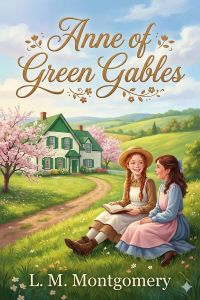
Anne of Green GablesL. M. Montgomery11h 1m4.5 (1.2M)$2.30 · $0.00

Crime and Punishment (The Unabridged Garnett Translation) (Annotated)Fyodor Dostoevsky24h 25m4.5 (15.4K)$0.99 · $0.00

The North American IndianEdward S. Curtis, Frederick Webb Hodge6h4.5 (1.2K)$2 · $0.00

The Picture of Dorian Gray: The Uncensored 13 Chapter Version + The Revised 20 Chapter Version (Annotated)Oscar Wilde16h 12m4.5 (2.8K)$0.99 · $0.00
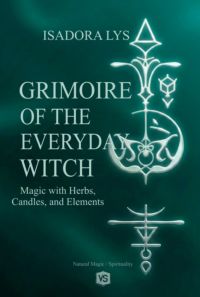
Grimoire Of The Everyday WitchIsadora Lys / Virginia Santos5h 35m4.5 (3.9K)$9 · $0.00
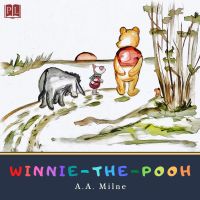
Winnie-the-PoohAlan Alexander Milne2h 52m4.5 (401.1K)$3 · $0.00

Sitting PrettyRebekah Taussig7h 33m4.5 (18.9K)$26 · $0.00

The Poetic Edda & The Prose EddaSnorri Sturluson, Saemund Sigfusson9h 34m4.5 (4K)$1 · $0.00
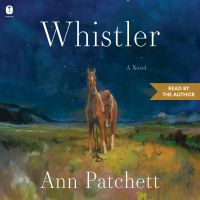
WhistlerAnn Patchett10h 45m4.6 (4.6K)$29 · $0.00
Demon CopperheadBarbara Kingsolver21h 3m4.5 (949.4K)$46 · $0.00
To Kill a MockingbirdHarper Lee12h 18m4.5 (7.4M)$29 · $0.00
Remarkably Bright CreaturesShelby Van Pelt11h 17m4.4 (1.7M)$29 · $0.00
The Old Man and the Sea (Annotated)Ernest Hemingway4h 27m4.6 (1.4K)$2 · $0.00

White HotIlona Andrews13h 18m4.5 (136.9K)$5 · $0.00

The Ghost by the Billabong (The Matilda Saga, #5)Jackie French14h 58m4.6 (773)$33 · $0.00
Cast in BloodMichelle Sagara16h 35m4.6 (607)$33 · $0.00
The Captain Blood Trilogy (Annotated)Rafael Sabatini29h 20m4.6 (1K)$3 · $0.00
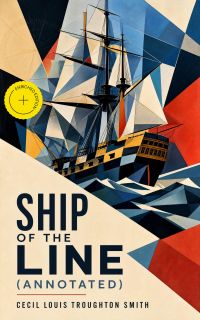
Ship of the Line (Annotated)Cecil Louis Troughton Smith11h 13m4.6 (1K)$2 · $0.00
The George Orwell CollectionGeorge Orwell24h 46m4.5 (14.4K)$12 · $0.00

ShivajiRanjit Desai25h 13m4.6 (3.1K)$24 · $0.00
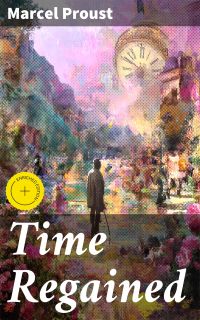
Time RegainedMarcel Proust15h 38m4.5 (9.2K)$2 · $0.00

Driving ForceElle James4h 58m4.6 (407)$20 · $0.00

When God Calls the HeartBrian Bird, Michelle Cox3h 24m4.6 (439)$10 · $0.00

Five Little IndiansMichelle Good10h 34m4.5 (64.5K)$29 · $0.00
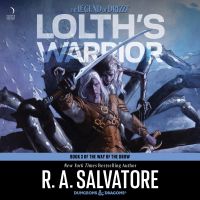
Lolth's WarriorR. A. Salvatore13h 20m4.6 (2.4K)$33 · $0.00
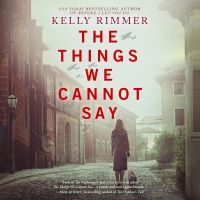
The Things We Cannot SayKelly Rimmer13h 48m4.5 (359.1K)$33 · $0.00

The Love Songs of W.E.B. Du BoisHonoree Fanonne Jeffers29h 49m4.5 (58K)$8 · $0.00
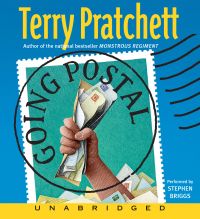
Going PostalTerry Pratchett11h 23m4.5 (189.9K)$29 · $0.00
You may also like
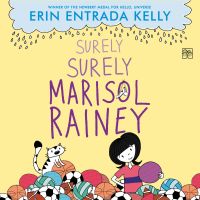
Surely Surely Marisol RaineyErin Entrada Kelly1h 43m4.3 (551)$16 · $0.00
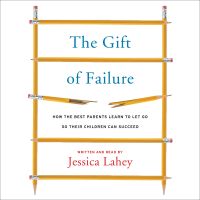
The Gift of FailureJessica Lahey7h 47m4.2 (11.6K)$26 · $0.00
Maybe Maybe Marisol RaineyErin Entrada Kelly1h 39m4.1 (2.1K)$16 · $0.00

Sinister Street, Vol 1Compton MacKenzie17h 5m3.9 (2K)$2.30

The Secret Garden (Unabridged)Francis Hodgson Burnett10h 9m4.3 (1.4M)$1 · $0.00
Splat the Cat: Splat the Cat Sings FlatRob Scotton6m4.1 (7.8K)$4 · $0.00
Fancy Nancy and the Wedding of the CenturyJane O'Connor8m4.3 (1.6K)$4 · $0.00

Confident Parents, Confident KidsJennifer S. Miller M.Ed5h 49m4.2 (329)$17 · $0.00

The Secret Garden & A Little Princess (Annotated)Francis Hodgson Burnett17h 32m4.4 (2.1K)$2 · $0.00
Go Ask AliAli Wentworth3h 53m3.8 (2.2K)$20 · $0.00

Heidi (Illustrated Edition) (Annotated)Johanna Spyri7h 2m$2 · $0.00

Ask Arizona CollectionHighlights for Children11h 19m$20

The Four Epochs of Woman's Life; A Study in HygieneAnna M. Galbraith5h 42m$2 · $0.00
The Truth About Baby Milestones- Debunking Common MythsAurora Brooks1h 18m$3.50 · $0.00

Raising a Puppy You'll Be Proud OfClaire Bennett6h 21m$9

Signs You're Overparenting Your ChildAurora Brooks1h 15m$3.50 · $0.00

Plums for MonthsZaji Cox2h 47m4.5 (11)$15
How to Build a Strong Parent-Child BondAurora Brooks1h 22m$3.50 · $0.00
Notes on a BananaDavid Leite11h 59m3.8 (878)$29 · $0.00
Responsive FeedingMelanie Potock MA, CCC-SLP6h 51m4.6 (190)$17 · $0.00