
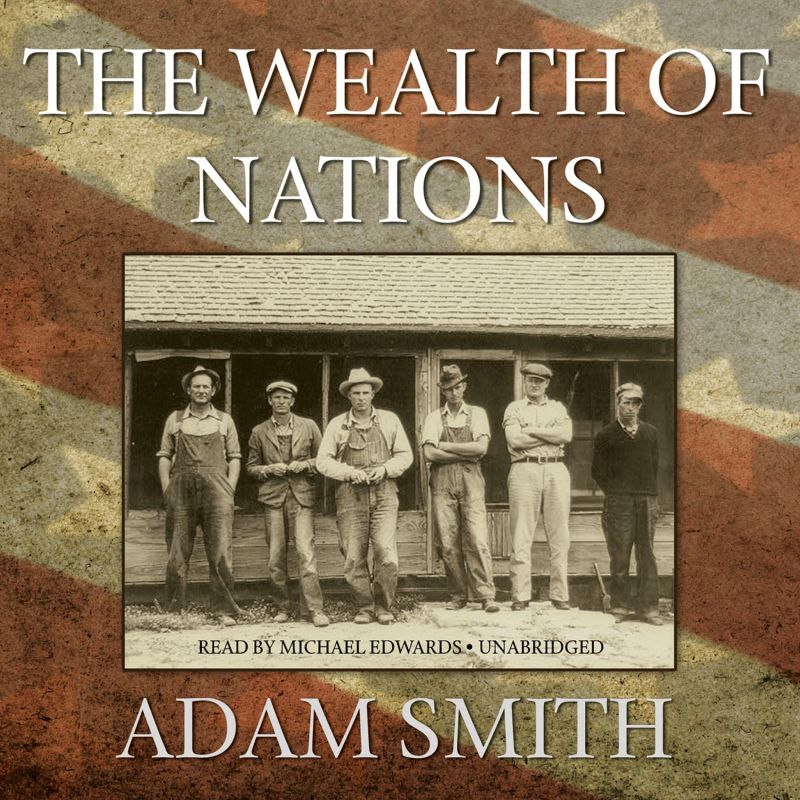
Length35h 13m
About this audiobook
First published in 1776, this work is the classic statement of economic liberalism or the policy of laissez-faire and is widely considered on of the hundred greatest books of all time. Several fundamental principles or “axioms” were introduced in this work, including the division of labor, supply and demand, and free market capitalism as some of the most obvious. Smith’s political economy is primarily individualistic: self-interest is the incentive for economic action. However, he shows that universal pursuit of self-interest contributes to the public interest, a concept probably best encapsulated by John F. Kennedy when he remarked, “a rising tide raises all boats.”
Audiobook details
Rating★★★★ 4.1 (124.1K)
Includes Goodreads, Amazon, LibraryThing, StoryGraph
GenreBusiness and Economics
Length35 hrs 13 mins
Narrated byMichael Edwards
FormatAudiobook
Publish dateDec 6, 2010
LanguageEnglish
Never Split the DifferenceChris Voss, Tahl Raz8h 7m4.4 (277.7K)$26 · $0.00
The Intelligent Investor Rev Ed.Benjamin Graham17h 48m4.3 (191.5K)$40 · $0.00
The Hard Thing About Hard ThingsBen Horowitz7h 57m4.2 (134.3K)$26 · $0.00
Boundaries for LeadersHenry Cloud7h 36m4.3 (3.6K)$26 · $0.00

Not Everything Counts but Everything Matters: The powerful and inspirational new book about leadership and achieving success from the visionary multi-premiership winning Panthers coachIvan Cleary6h 1m4.6 (680)$24 · $0.00
BuildTony Fadell11h 5m4.5 (14.3K)$8 · $0.00
The Joys Of CompoundingGautam Baid17h 34m4.5 (2.5K)$18 · $0.00
Basic EconomicsThomas Sowell18h 32m4.5 (29.3K)$28 · $0.00

Poor Charlie’s AlmanackGrover Gardener, Charles T. Munger13h 9m4.5 (24.7K)$18 · $0.00

The Ambuja StoryNarotam Sekhsaria13h 59m4.5 (830)$33 · $0.00

The Secret Door to SuccessFlorence Scovel Shinn2h 25m4.5 (2.1K)$1.20 · $0.00

This Is Going to HurtAdam Kay5h 47m4.4 (444.7K)$24 · $0.00

Big TrustShadé Zahrai, Fayçal Sekkouah8h 36m4.6 (406)$26 · $0.00
The Intelligent Investor Third EditionBenjamin Graham, Jason Zweig20h4.4 (156.6K)$46 · $0.00

Bottle of LiesKatherine Eban14h 25m4.4 (12K)$33 · $0.00

The Antiracist Business BookTrudi Lebrón6h 10m4.6 (275)$17 · $0.00

The FormulaJoshua Robinson, Jonathan Clegg10h 41m4.4 (6.9K)$29 · $0.00

Let Them LeadJohn U. Bacon7h 10m4.5 (1.4K)$24 · $0.00
Secrets of the Millionaire MindT. Harv Eker5h 11m4.4 (301.4K)$24 · $0.00
The Person You Mean to BeDolly Chugh9h 6m4.4 (7.2K)$29 · $0.00
You may also like
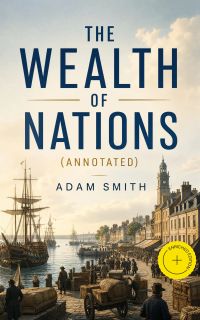
The Wealth of Nations (Annotated)Adam Smith42h 48m4.2 (35.4K)$2 · $0.00
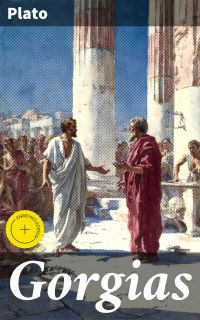
GorgiasPlato7h 47m4.2 (29.3K)$2 · $0.00
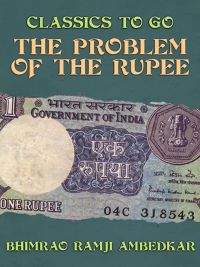
The Problem Of The RupeeBhimrao Ramji Ambedkar12h 8m4.3 (462)$2.30
The Founding Fathers’ Guide to the ConstitutionBrion McClanahan PhD6h 32m4.1 (897)$20
Cities and the Wealth of NationsJane Jacobs10h 31m4.3 (895)$20 · $0.00
The Three Sources and Three Component Parts of MarxismVladimir Lenin17m4.2 (1.2K)$2 · $0.00

The Wealth of NationsAdam Smith41h 55m4.1 (40.9K)$3.50 · $0.00

The Constitution of the United States of AmericaVarious70h 42m4.5 (46.3K)$1 · $0.00
The Proletarian Revolution and the Renegade KautskyVladimir Lenin4h 34m4.3 (1K)$1.99 · $0.00

The State and RevolutionVladimir lenin4h 10m4.3 (19.8K)$4 · $0.00
The Suppression Of The African Slave Trade To The United States Of AmericaW. E. B. Du Bois12h 54m4.2 (1.6K)$2.30
The Constitution of the United States and The Declaration of IndependenceDelegates of The Constitutional Convention1h 7m4.6 (12.3K)Free

Second State of the Union AddressJohn Tyler1h 40m$2 · $0.00
Speculations from Political EconomyCharles Baron Clarke2h 14m$2 · $0.00

The Stones of ParisBenjamin Ellis Martin, Charlotte M. Martin14h 59m4.0 (12)$1.99 · $0.00

A manual on the origin and development of WashingtonH. Paul Caemmerer8h 8m$2 · $0.00

Saigon at the Turn of the MillenniumKlaus H. Carl1h 35m$8 · $0.00
On Classical EconomicsThomas Sowell7h 27m3.9 (249)$23

Second State of the Union AddressMillard Fillmore1h 31m$2 · $0.00

On the Lady Chapel in Chester CathedralGeorge Becher Blomfield43m$1 · $0.00