
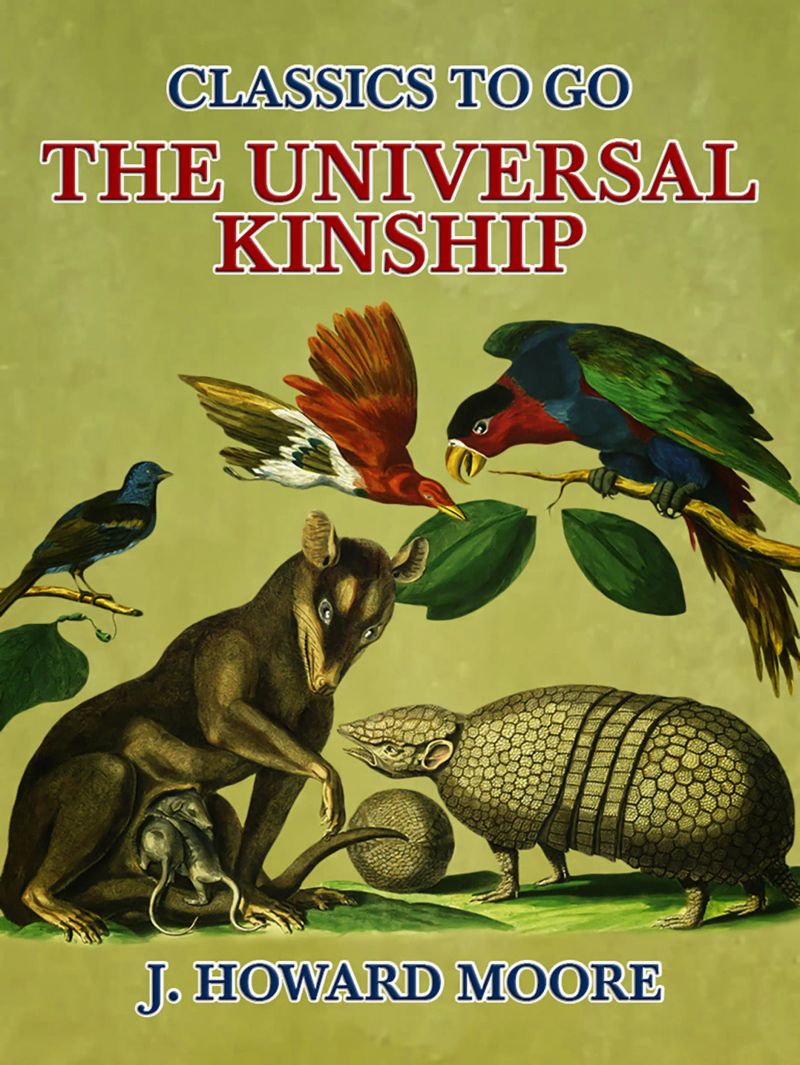


Length9h 10m
About this audiobook
The Universal Kinship is a 1906 book by American zoologist, philosopher, educator and socialist J. Howard Moore. In the book, Moore advocated for a secular sentiocentric philosophy, called the "Universal Kinship", which mandated the ethical consideration and treatment of all sentient beings based on Darwinian principles of shared evolutionary kinship, and a universal application of the Golden Rule; a direct challenge to anthropocentric hierarchies and ethics. The book was endorsed by Henry S. Salt, Mark Twain and Jack London.
Audiobook details
GenrePsychology
Length9 hrs 10 mins
Narrated byListen with 1,000+ voices
FormateBook with Audio
Publish dateJul 24, 2020
LanguageEnglish
Table of contents
1Preface
2The Physical Kinship
3The Physical Kinship
4I. Man an Animal.
5II. Man a Vertebrate.
Show all chaptersShow less
6III. Man a Mammal.
7IV. Man a Primate.
8V. Recapitulation.
9VI. The Meaning of Homology.
10VII. The Earth an Evolution.
11VIII. The Factors of Organic Evolution.
12IX. The Evidences of Organic Evolution.
13X. The Genealogy of Animals.
14XI. Conclusion.
15The Psychical Kinship
16The Psychical Kinship
17I. The Conflict of Science and Tradition.
18II. Evidences of Psychical Evolution.
19III. The Common-sense View.
20IV. The Elements of Human and Non-human Mind Compared.
21V. Conclusion.
22The Ethical Kinship
23The Ethical Kinship
24I. Human Nature a Product of the Jungle.
25II. EGOISM AND ALTRUISM.
26III. The Ethics of the Savage.
27IV. The Ethics of the Ancient.
28V. Modern Ethics.
29VI. The Ethics of Human Beings Toward Non-human Beings.
30VII. The Origin of Provincialism.
31VIII. Universal Ethics.
32IX. The Psychology of Altruism.
33X. Anthropocentric Ethics.
34XI. Ethical Implications of Evolution.
35XII. Conclusion.
Series
What to Make of a LifeJim Collins13h 31m4.4 (794)$33 · $0.00

I Am The StormJanice Dean9h4.6 (1.5K)$8 · $0.00

On Democracies and Death CultsDouglas Murray10h 38m4.6 (6.5K)$29 · $0.00

TerraformPropaganda5h 39m4.7 (594)$24 · $0.00

Southern Horrors: Lynch Law in All Its Phases (Annotated)Ida B. Wells-Barnett2h 44m4.6 (1.3K)$2 · $0.00
Hour of the HeartIrvin D. Yalom, Benjamin Yalom8h 19m4.6 (2.3K)$26 · $0.00
Braving the TruthRachel Held Evans11h 31m4.7 (359)$29 · $0.00
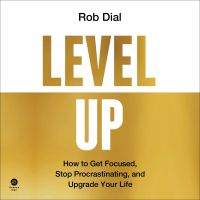
Level UpRob Dial7h 42m4.6 (3.3K)$26 · $0.00

As a JewSarah Hurwitz8h 36m4.6 (1.2K)$26 · $0.00

Saint Joan (Annotated)George Bernard Shaw6h 20m4.6 (1.2K)$1.20 · $0.00

Burn the HaystackJennie Young, PhD9h 30m4.6 (543)$29 · $0.00

Woman and the New Race (Annotated)Margaret Sanger6h 30m4.6 (1K)$0.99 · $0.00
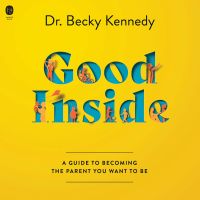
Good InsideBecky Kennedy9h 55m4.5 (59.3K)$29 · $0.00

The Mis-Education of the NegroCarter Godwin Woodson5h 4m4.5 (29.4K)$1.20 · $0.00

Du Bois: EssaysW.E.B. Du Bois6h 22m4.6 (1.5K)$1 · $0.00

The North American Indian (Illustrated Edition)Edward S. Curtis, Frederick Webb Hodge5h 59m4.6 (1.4K)$2 · $0.00

Valley of the BirdtailAndrew Stobo Sniderman, Douglas Sanderson10h 1m4.6 (2.4K)$29 · $0.00
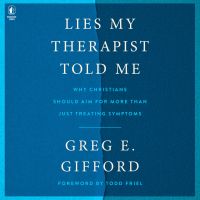
Lies My Therapist Told MeGreg E. Gifford9h 3m4.6 (503)$29 · $0.00

Disturbed in Their NestsAlephonsion Deng, Judy A. Bernstein11h 22m4.6 (595)$23 · $0.00
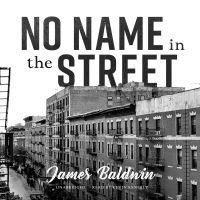
No Name in the StreetJames Baldwin5h4.5 (8.5K)$20 · $0.00
You may also like
WomanNatalie Angier18h 41m4.1 (5.4K)$30 · $0.00
Inquire WithinIn-Q2h 18m4.6 (993)$16 · $0.00

Elizabeth and Her German GardenElizabeth Von Arnim5h 5m3.9 (11.1K)$2.30 · $0.00
How to EatThich Nhat Hanh1h 12m4.3 (7.8K)$15 · $0.00

The Pleasures of LifeSir John Lubbock7h 53m3.9 (1.4K)$2 · $0.00

Meet the FrugalwoodsElizabeth Willard Thames5h 41m3.8 (17.1K)$24 · $0.00

CaneJean Toomer4h 39m4.0 (15.4K)$21 · $0.00
Vincent van GoghVictoria Charles3h 16m4.1 (334)$16 · $0.00
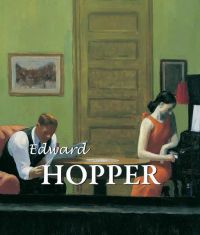
Edward HopperGerry Souter4h 40m4.2 (373)$16 · $0.00
The Pig Who Sang to the MoonJeffrey Moussaieff Masson7h 10m4.1 (1.5K)$22
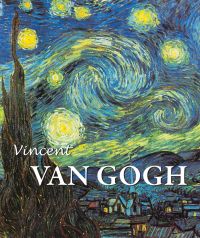
Vincent van GoghVictoria Charles3h 22m4.2 (292)$16 · $0.00
How To Live Your LifeRuskin Bond57m4.4 (956)$11 · $0.00
How to SmileThich Nhat Hanh1h 28m4.4 (925)$10 · $0.00

Social Justice ParentingTraci Baxley6h 56m4.3 (1K)$24 · $0.00
Eight Pillars of ProsperityJames Allen3h 42m4.4 (1.2K)$2.30 · $0.00
Frugal living TipsLuna Z. Rainstorm7h 10m$6.40 · $0.00
In This TogetherMarianne E. Krasny7h 37m4.4 (23)$17
Little Essays of Love and VirtueHavelock Ellis1h 34m3.3 (18)$1 · $0.00
The Greatest Works of Ralph Waldo Emerson (Annotated)Ralph Waldo Emerson37h 22m$2 · $0.00
Learning and Teaching While WhiteJenna Chandler-Ward, Elizabeth Denevi6h 56m4.6 (46)$17 · $0.00