
Audio only
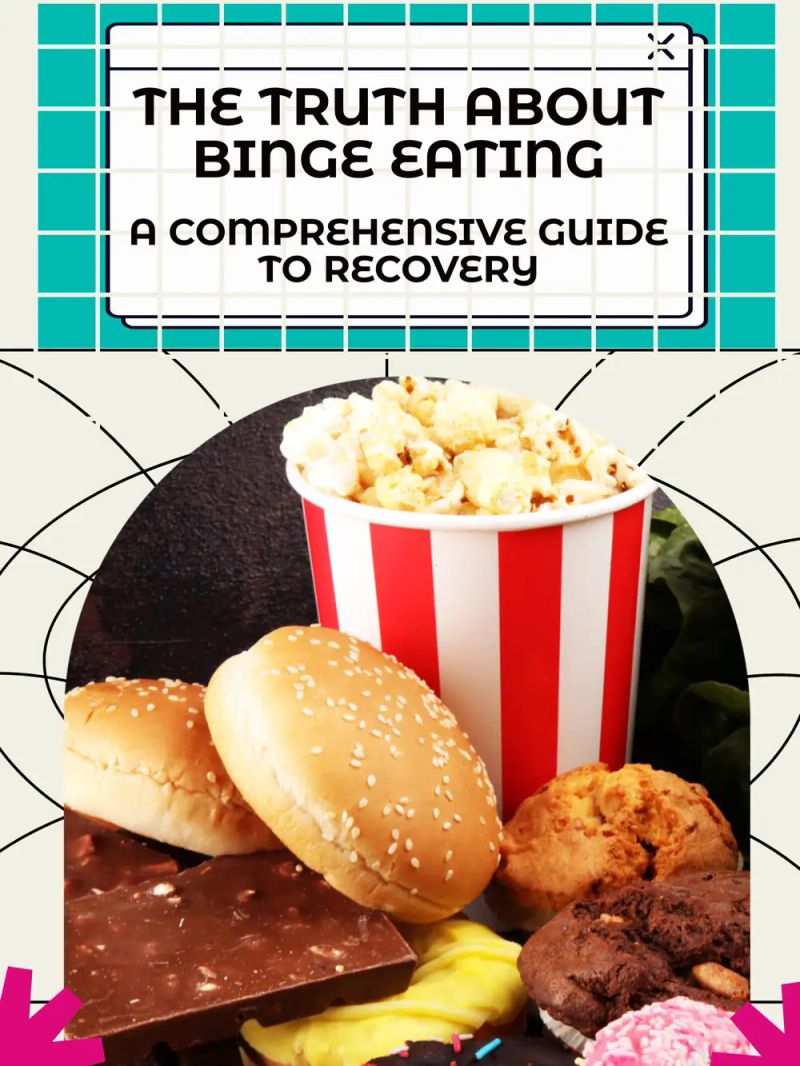
The Truth About Binge Eating
A Comprehensive Guide to RecoveryBy Chef Emilia Santos


Length4h 23m
About this audiobook
Binge Eating Disorder (BED) is a serious eating disorder characterized by recurrent episodes of consuming large quantities of food, often quickly and to the point of discomfort. These episodes are marked by a lack of control over eating during the binge and are often followed by feelings of guilt, shame, and distress. Unlike other eating disorders, such as bulimia nervosa, individuals with BED do not regularly engage in compensatory behaviors like purging. BED affects people of all ages, genders, and backgrounds, making it a widespread and pressing issue.
The exact cause of BED is not fully understood, but it is believed to result from a combination of genetic, biological, psychological, and environmental factors. Individuals with a family history of eating disorders, depression, or substance abuse are at a higher risk of developing BED. Psychological factors, such as low self-esteem, body dissatisfaction, and difficulty coping with emotions, can also contribute to the onset of the disorder. Additionally, societal pressures and cultural norms surrounding body image and diet can exacerbate the risk of BED.
The health consequences of BED are significant and can impact both physical and mental well-being. Physically, individuals with BED are at an increased risk of obesity, type 2 diabetes, high blood pressure, and heart disease. The disorder can also lead to gastrointestinal problems and chronic pain. Mentally, BED is often associated with depression, anxiety, and other mood disorders. The cycle of binge eating and the subsequent emotional distress can create a vicious cycle that is challenging to break without professional help.
Recognizing the signs and symptoms of BED is crucial for early intervention and treatment. Common signs include eating large amounts of food in a short period, eating when not physically hungry, eating alone due to embarrassment, and feeling out of control during a binge. It's also important to note the emotional aftermath, such as feelings of guilt, shame, and depression. If you or someone you know exhibits these signs, it is essential to seek help from a healthcare professional.
Audiobook details
GenrePsychology, Health and Wellness
Length4 hrs 23 mins
Narrated byListen with 1,000+ voices
FormateBook with Audio
Publish dateOct 14, 2026
LanguageEnglish
Table of contents
1Have Questions / Comments?
2Get Free Stuff
31. What Binge Eating Really Is
42. How Binge Eating Differs from Other Disorders
53. The Hidden Causes: Genetics, Environment, and Emotion
Show all chaptersShow less
64. Spotting the Signs and Getting a Diagnosis
75. The Heavy Toll on Your Body and Mind
86. Shame, Guilt, and the Emotional Storm
97. Why You Eat When You're Not Hungry
108. Breaking the Binge Cycle: Triggers and Warning Signs
119. Rewiring Your Brain with Therapy That Works
1210. How to Eat Without Losing Control
1311. Building a Healthier Relationship with Food
1412. Moving Your Body Without Overdoing It
1513. Practical Coping Skills for Stress and Cravings
1614. Healing Your Body Image from the Inside Out
1715. How Friends and Family Can Really Help
1816. Your Recovery Plan That Prevents Relapse
1917. Staying Strong for Life After Binge Eating
20Frequently Asked Questions About Binge Eating and Recovery
21More Answers to Questions About Binge Eating and Recovery
22Common Myths About Binge Eating and Recovery
23Common Myths
More from Chef Emilia Santos


What to Make of a LifeJim Collins13h 31m4.4 (794)$33 · $0.00

Black AF HistoryMichael Harriot15h 43m4.7 (14.6K)$33 · $0.00

Bad Fat Black GirlSesali Bowen6h 32m4.7 (2.8K)$24 · $0.00

Invisible StormJason Kander6h 48m4.7 (3.2K)$24 · $0.00

I Am The StormJanice Dean9h4.6 (1.5K)$8 · $0.00

On Democracies and Death CultsDouglas Murray10h 38m4.6 (6.5K)$29 · $0.00

TerraformPropaganda5h 39m4.7 (594)$24 · $0.00

Southern Horrors: Lynch Law in All Its Phases (Annotated)Ida B. Wells-Barnett2h 44m4.6 (1.3K)$2 · $0.00
Hour of the HeartIrvin D. Yalom, Benjamin Yalom8h 19m4.6 (2.3K)$26 · $0.00
Braving the TruthRachel Held Evans11h 31m4.7 (359)$29 · $0.00
Level UpRob Dial7h 42m4.6 (3.3K)$26 · $0.00

As a JewSarah Hurwitz8h 36m4.6 (1.2K)$26 · $0.00

Saint Joan (Annotated)George Bernard Shaw6h 20m4.6 (1.2K)$1.20 · $0.00

Burn the HaystackJennie Young, PhD9h 30m4.6 (543)$29 · $0.00

Woman and the New Race (Annotated)Margaret Sanger6h 30m4.6 (1K)$1.99 · $0.00

Good InsideBecky Kennedy9h 55m4.5 (59.3K)$29 · $0.00

The Mis-Education of the NegroCarter Godwin Woodson5h 4m4.5 (29.4K)$1.20 · $0.00

Du Bois: EssaysW.E.B. Du Bois6h 22m4.6 (1.5K)$1 · $0.00

The North American Indian (Illustrated Edition)Edward S. Curtis, Frederick Webb Hodge5h 59m4.6 (1.4K)$2 · $0.00

Valley of the BirdtailAndrew Stobo Sniderman, Douglas Sanderson10h 1m4.6 (2.4K)$29 · $0.00

The Dangerous Truth about Today’s MarijuanaLaura Stack CSP, MBA9h 57m4.7 (385)$20 · $0.00
Hour of the HeartIrvin D. Yalom, Benjamin Yalom8h 19m4.6 (2.3K)$26 · $0.00

The Yoga Sutras of PatanjaliPatanjali4h 8m4.5 (18.5K)$6 · $0.00
The Lost VoiceGreta Morgan8h 30m4.7 (285)$26 · $0.00

Healthy Kids, Happy KidsElisa Song14h 18m4.6 (760)$33 · $0.00
Eat It!Jordan Syatt, Michael Vacanti4h 40m4.6 (1.5K)$20 · $0.00

Consent Laid BareChanel Contos7h 11m4.5 (1.7K)$24 · $0.00
How to Make Disease DisappearRangan Chatterjee5h 26m4.5 (3.5K)$24 · $0.00

The Complete Herbal (Annotated)Nicholas Culpeper29h 8m4.5 (1.4K)$2 · $0.00

A Plague Upon Our HouseScott W. Atlas MD10h 37m4.5 (3.4K)$20 · $0.00

The Cancer CodeDr. Jason Fung10h 48m4.5 (5.3K)$29 · $0.00

The Gift of TherapyIrvin Yalom7h 39m4.5 (38.8K)$26 · $0.00

EarlySarah DiGregorio9h 47m4.5 (1.3K)$29 · $0.00

Bottle of LiesKatherine Eban14h 25m4.4 (12K)$33 · $0.00
The 36-Hour DayNancy L. Mace, Peter V. Rabins17h 13m4.4 (9.2K)$28 · $0.00

FlooredSara Reardon10h 36m4.5 (1K)$29 · $0.00
Radical RemissionKelly A. Turner9h 26m4.4 (8.1K)$29 · $0.00
The Sinatra SolutionStephen T. Sinatra MD9h4.5 (899)$20 · $0.00

The Songaminute ManSimon McDermott6h 12m4.5 (280)$24 · $0.00
Sometimes BrilliantLarry Brilliant12h 27m4.5 (954)$29 · $0.00
You may also like
How to Own Your Own MindNapoleon Hill7h 45m4.2 (3.5K)$20

Studies in WordsC. S. Lewis8h 30m4.3 (1.7K)$1 · $0.00
I’m Not Lazy, I’m Waiting for Motivation - Why Doing Nothing Feels Like a Full-Time JobMax Paradox2h 19m$7.70 · $0.00
How to Stop Being Afraid of the FutureMax Paradox6h 15m$7.70 · $0.00

I Keep Saving Things “for Later” - How to Stop Building a Digital Warehouse You'll Never RevisitMax Paradox6h 50m$7.70 · $0.00

The Mathematical Works of Lewis CarrollLewis Carroll7h 30m4.3 (42)$1.99 · $0.00
The Fraud in the Mirror - How You Learned to Distrust Every Win - and What It Costs YouMax Paradox6h 27m$7.70 · $0.00
How to Break the Spiral of Online GamblingMax Paradox5h 42m$7.70 · $0.00
How to Become a WriterArnold Bennett9h 14m3.7 (197)$1.99 · $0.00

Everyone Thinks They’re a Good Driver - The Absurd Psychology of Traffic, Ego, and Losing Your Mind at 60 mphMax Paradox4h 22m$7.70 · $0.00
How to Become a WriterArnold Bennett9h 14m3.7 (197)$1.99 · $0.00
Everyone Thinks They’re a Good Driver - The Absurd Psychology of Traffic, Ego, and Losing Your Mind at 60 mphMax Paradox4h 22m$7.70 · $0.00
I Keep Checking Email After Hours - How to Get Your Evenings Back and Discover the Company Will Survive Until MorningMax Paradox6h 26m$7.70 · $0.00
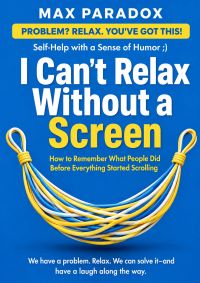
I Can't Relax Without a Screen - How to Remember What People Did Before Everything Started ScrollingMax Paradox7h 22m$7.70 · $0.00

Designer DrugsWillow R. Stone3h 57m$4 · $0.00
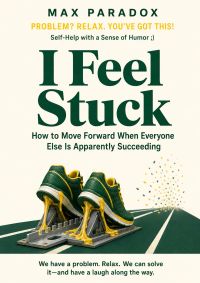
I Feel Stuck - How to Move Forward When Everyone Else Is Apparently SucceedingMax Paradox6h 15m$7.70 · $0.00

A Color NotationA. H. Munsell3h 46m3.4 (28)$1 · $0.00
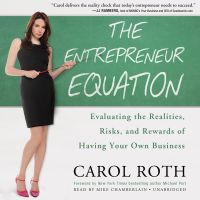
The Entrepreneur EquationCarol Roth9h 38m4.0 (358)$20

The Power of ProspectingMade for Success, Tom Hopkins9h 17m4.1 (89)$20
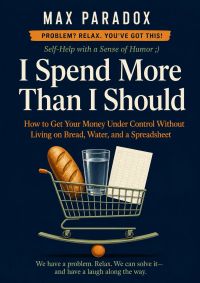
I Spend More Than I Should - How to Get Your Money Under Control Without Living on Bread, Water, and a SpreadsheetMax Paradox6h 30m$7.70 · $0.00