
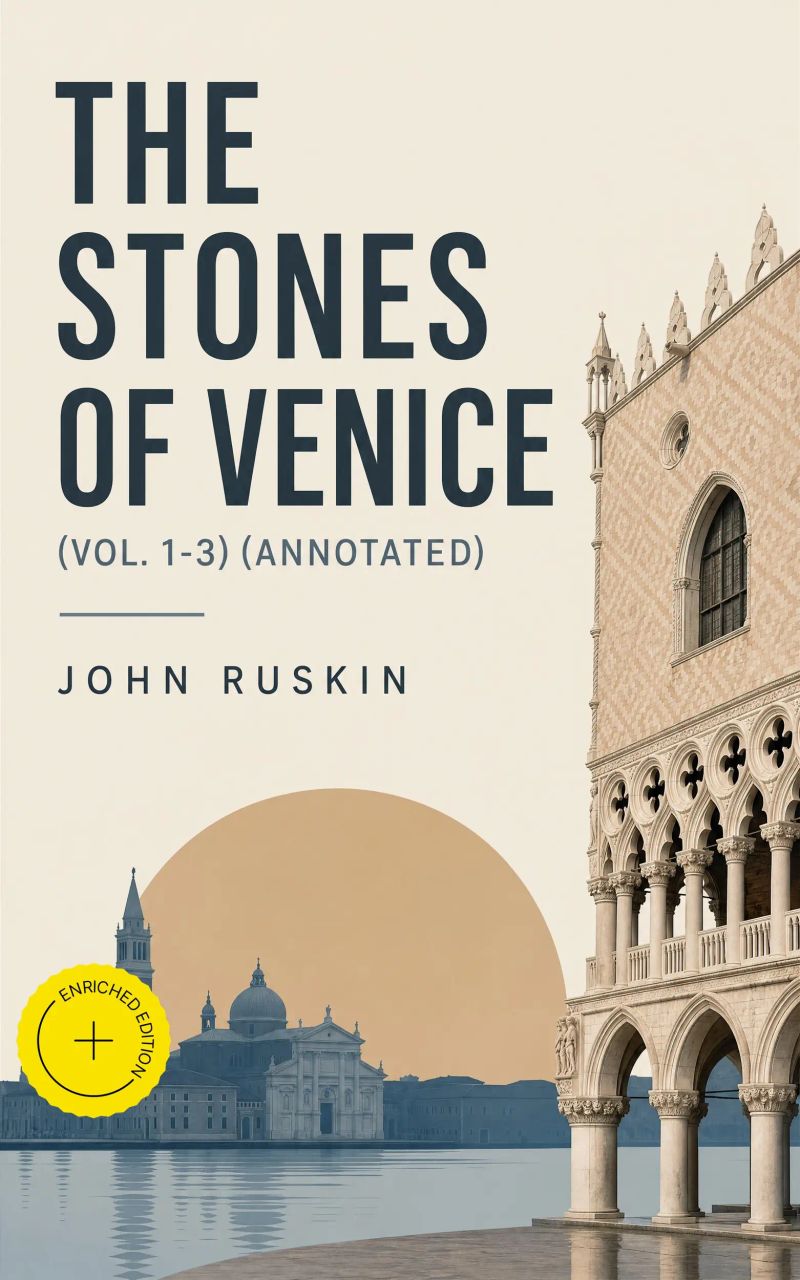
The Stones of Venice (Vol. 1-3) (Annotated)
Enriched Edition. Study of Venetian ArchitectureBy John Ruskin


Length49h 52m
About this audiobook
In The Stones of Venice, John Ruskin offers far more than an architectural survey of the city's Byzantine, Gothic, and Renaissance monuments; he constructs a moral history in stone. Across three volumes, his prose moves between meticulous observation, lyrical description, and prophetic cultural criticism. Written within the Victorian context of industrial expansion and aesthetic debate, the work argues that architecture embodies the spiritual and social condition of a people, with Venetian Gothic representing artistic vitality, communal freedom, and truthful craftsmanship. Ruskin, one of the nineteenth century's most influential art critics and social thinkers, brought to the book his deep training in drawing, geology, and close visual analysis, as well as his Protestant moral seriousness. His repeated travels to Venice furnished him with firsthand study of buildings, carvings, and urban decay. The work reflects his resistance to mechanized production and his conviction that art must be judged by ethical as well as formal standards. This book is recommended to readers interested in architecture, art history, Victorian thought, or the cultural meaning of cities. It remains indispensable for understanding Venice and Ruskin's enduring vision of art as a measure of civilization.
This enriched edition has been carefully crafted to add value to your reading experience.
- A succinct Introduction situates the work's timeless appeal and themes.
- The Synopsis outlines the central plot, highlighting key developments without spoiling critical twists.
- A detailed Historical Context immerses you in the era's events and influences that shaped the writing.
- An Author Biography reveals milestones in the author's life, illuminating the personal insights behind the text.
- A thorough Analysis dissects symbols, motifs, and character arcs to unearth underlying meanings.
- Reflection questions prompt you to engage personally with the work's messages, connecting them to modern life.
- Hand‐picked Memorable Quotes shine a spotlight on moments of literary brilliance.
- Interactive footnotes clarify unusual references, historical allusions, and archaic phrases for an effortless, more informed read.
Audiobook details
Rating★★★★ 4.2 (2.1K)
Includes Goodreads, LibraryThing, Amazon, StoryGraph
GenreOther
Length49 hrs 52 mins
Narrated byListen with 1,000+ voices
FormateBook with Audio
Publish dateJul 9, 2021
LanguageEnglish
Table of contents
1Modern Painters (Vol. 1-5) (Annotated)
2Introduction
3Synopsis
4Historical Context
5Author Biography
Show all chaptersShow less
6Volume 1
7PREFACE.
8CHAPTER I. THE QUARRY.
9CHAPTER II. THE VIRTUES OF ARCHITECTURE.
10CHAPTER III. THE SIX DIVISIONS OF ARCHITECTURE.
11CHAPTER IV. THE WALL BASE.
12CHAPTER V. THE WALL VEIL.
13CHAPTER VI. THE WALL CORNICE.
14CHAPTER VII. THE PIER BASE.
15CHAPTER VIII. THE SHAFT.
16CHAPTER IX. THE CAPITAL.
17CHAPTER X. THE ARCH LINE.
18CHAPTER XI. THE ARCH MASONRY.
19CHAPTER XII. THE ARCH LOAD.
20CHAPTER XIII. THE ROOF.
21CHAPTER XIV. THE ROOF CORNICE.
22CHAPTER XV. THE BUTTRESS.
23CHAPTER XVI. FORM OF APERTURE.
24CHAPTER XVII. FILLING OF APERTURE.
25CHAPTER XVIII. PROTECTION OF APERTURE.
26CHAPTER XIX. SUPERIMPOSITION.
27CHAPTER XX. THE MATERIAL OF ORNAMENT.
28CHAPTER XXI. TREATMENT OF ORNAMENT.
29CHAPTER XXII. THE ANGLE.
30CHAPTER XXIII. THE EDGE AND FILLET.
31CHAPTER XXIV. THE ROLL AND RECESS.
32CHAPTER XXV. THE BASE.
33CHAPTER XXVI. THE WALL VEIL AND SHAFT.
34CHAPTER XXVII. THE CORNICE AND CAPITAL.
35CHAPTER XXVIII. THE ARCHIVOLT AND APERTURE.
36CHAPTER XXIX. THE ROOF.
37CHAPTER XXX. THE VESTIBULE.
38APPENDIX. (pt. 1)
39APPENDIX. (pt. 2)
40Volume 2
41FIRST, OR BYZANTINE, PERIOD.
42CHAPTER I. THE THRONE.
43CHAPTER II. TORCELLO.
44CHAPTER III. MURANO.
45CHAPTER IV. ST. MARK’S. (pt. 1)
46CHAPTER IV. ST. MARK’S. (pt. 2)
47CHAPTER V. BYZANTINE PALACES.
48SECOND, OR GOTHIC, PERIOD.
49CHAPTER VI. THE NATURE OF GOTHIC. (pt. 1)
50CHAPTER VI. THE NATURE OF GOTHIC. (pt. 2)
More from John Ruskin
Modern PaintersJohn Ruskin77h 25m4.1 (1.7K)$1.99 · $0.00
The Stones of VeniceJohn Ruskin49h 48m4.1 (3.4K)$1.99 · $0.00

Sesame and LiliesJohn Ruskin4h 31m3.8 (621)$2 · $0.00

Luonto ja ihminenJohn Ruskin6h 4m$2 · $0.00
Ariadne Florentina: Six Lectures on Wood and Metal EngravingJohn Ruskin5h 54m4.0 (44)$2 · $0.00
The Two PathsJohn Ruskin6h 29m4.0 (237)$2 · $0.00
Frondes Agrestes: Readings in 'Modern Painters'John Ruskin3h 47m$2 · $0.00

Mornings in FlorenceJohn Ruskin5h 55m4.0 (162)$1 · $0.00

The Poetry of ArchitectureJohn Ruskin7h 25m3.8 (132)$2 · $0.00
Giotto and his works in PaduaJohn Ruskin4h 3m4.2 (61)$2 · $0.00
Modern Painters (Vol. 1-5) (Annotated)John Ruskin77h 4m$2 · $0.00
The King of the Golden River (Illustrated) (Annotated)John Ruskin2h 42m3.9 (6.8K)$2 · $0.00
Giotto and his works in PaduaJohn Ruskin4h 10m4.2 (73)$1 · $0.00
Ariadne Florentina: Six Lectures on Wood and Metal EngravingJohn Ruskin3h 19m3.9 (43)$1 · $0.00
The Elements of PerspectiveJohn Ruskin3h 47m$1 · $0.00
Time and Tide by Weare and TyneJohn Ruskin4h 55m$2 · $0.00

Love's Meinie: Three Lectures on Greek and English BirdsJohn Ruskin4h 41m3.6 (22)$2 · $0.00
Modern Painters (Summarized Edition)John Ruskin16h 13m$2

The Poetry of ArchitectureJohn Ruskin7h 59m3.7 (46)$2 · $0.00
Mere ChristianityC. S. Lewis7h 7m4.4 (519.7K)$24 · $0.00

Her Daily BreadKate Wood12h 57m4.6 (153)$33 · $0.00
The Holy Bible - 1 SamuelKing James2h 13m4.8 (1.6K)$3 · $0.00

The American Standard Bible — The Gospel of MatthewMatthew3h 56m4.7 (3K)$2 · $0.00

Bad Fat Black GirlSesali Bowen6h 32m4.7 (2.8K)$24 · $0.00
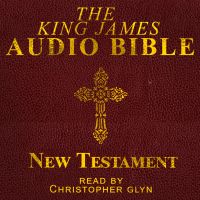
The King James Audio Bible New Testament CompleteChristopher Glyn20h 2m4.7 (2.6K)$12 · $0.00
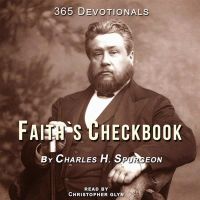
Faiths CheckbookCharles Spurgeon12h 44m4.7 (3.2K)$11 · $0.00

Ten Things I Wish You Knew About Your Child's Mental HealthDr. Billy Garvey4h 53m4.7 (2.4K)$20 · $0.00

Designing Terry Pratchett’s DiscworldPaul Kidby3h 52m4.7 (343)$20 · $0.00
The Chosen Book OneAmanda Jenkins, Kristen Hendricks, Dallas Jenkins3h 8m4.6 (4.9K)$10 · $0.00
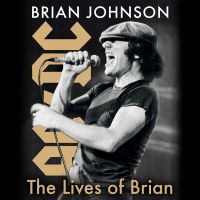
The Lives of BrianBrian Johnson9h 45m4.6 (3.5K)$29 · $0.00
Expository Thoughts on the Gospel of LukeJ.C. Ryle27h 13m4.7 (536)$18 · $0.00

CrossroadsKaleb Dahlgren7h 56m4.6 (4.9K)$26 · $0.00

Across the RiverKent Babb11h 40m4.6 (927)$29 · $0.00

Brain Training for RidersAndrea Monsarrat Waldo5h 56m4.7 (550)$19 · $0.00

My Effin' LifeGeddy Lee17h 11m4.6 (13.1K)$40 · $0.00

Kings and PawnsHoward Bryant10h 9m4.6 (678)$29 · $0.00

The Elementia Chronicles #2: The New OrderSean Fay Wolfe11h 17m4.6 (841)$29 · $0.00
The ActsLuke2h 55m4.6 (19.7K)$12 · $0.00

New Testament - Easy NavigationWorld English Bible19h 35m4.6 (1.3K)$1.30 · $0.00
You may also like
The Hour between Dog and WolfJohn Coates10h 30m4.0 (3.2K)$20
The Greatest Works of Thomas PaineThomas Paine78h 22m4.4 (2.4K)$1.99 · $0.00

The PatchChris Turner14h 1m4.3 (260)$23 · $0.00

Natural RivalsJohn Clayton9h 45m4.1 (476)$20

Notes on the State of VirginiaThomas Jefferson11h 48m3.7 (1K)$2 · $0.00

Tender Buttons – Objects, Food, Rooms (Verse and Prose Collection)Gertrude Stein1h 57m3.7 (8.4K)$1.99 · $0.00

Thomas Jefferson: Notes on the State of Virginia (Annotated)Thomas Jefferson12h 6m3.7 (1.1K)$2 · $0.00

The History of Naval Warfare 1660-1783Alfred Thayer Mahan21h 6m4.1 (3K)$1.99 · $0.00
Aristotle in 90 MinutesPaul Strathern1h 16m3.6 (3.6K)$7

How to Think Seriously about the PlanetRoger Scruton10h 26m4.0 (600)$23 · $0.00

The World of Millinery: 5 Classic Books on Hat CraftsmanshipHarry Inwards, Watson Smith, John Thomson, Gene Allen Martin, United States Tariff Commission14h 54m4.5 (12)$0.99 · $0.00

Environmental OverkillDixy Lee Ray7h 17m3.7 (79)$17

The Cumberland RoadArcher Butler Hulbert1h 55m4.1 (18)$1 · $0.00

Windsor CastleEdward Thomas12m$1 · $0.00

Birds of Empire, Birds of Nation. A History of Science, Economy, and Conservation in United States- Colombia RelationsCamilo Quintero Toro10h 16m$8 · $0.00
Fourth State of the Union AddressTheodore Roosevelt1h 58m$2 · $0.00
Cork: Its Origin and Industrial UsesGilbert Erwin Stecher1h 16m$2 · $0.00
Thoughts on the Proposed Inclosure of Waltham (commonly called Epping) and Hainault ForestsThomas Street36m$2 · $0.00

Englisch lernen Audio – The Lake DistrictOwen Connors51m$17

A Brief History of Forestry (Annotated)B. E. Fernow14h 20m$0.99 · $0.00