
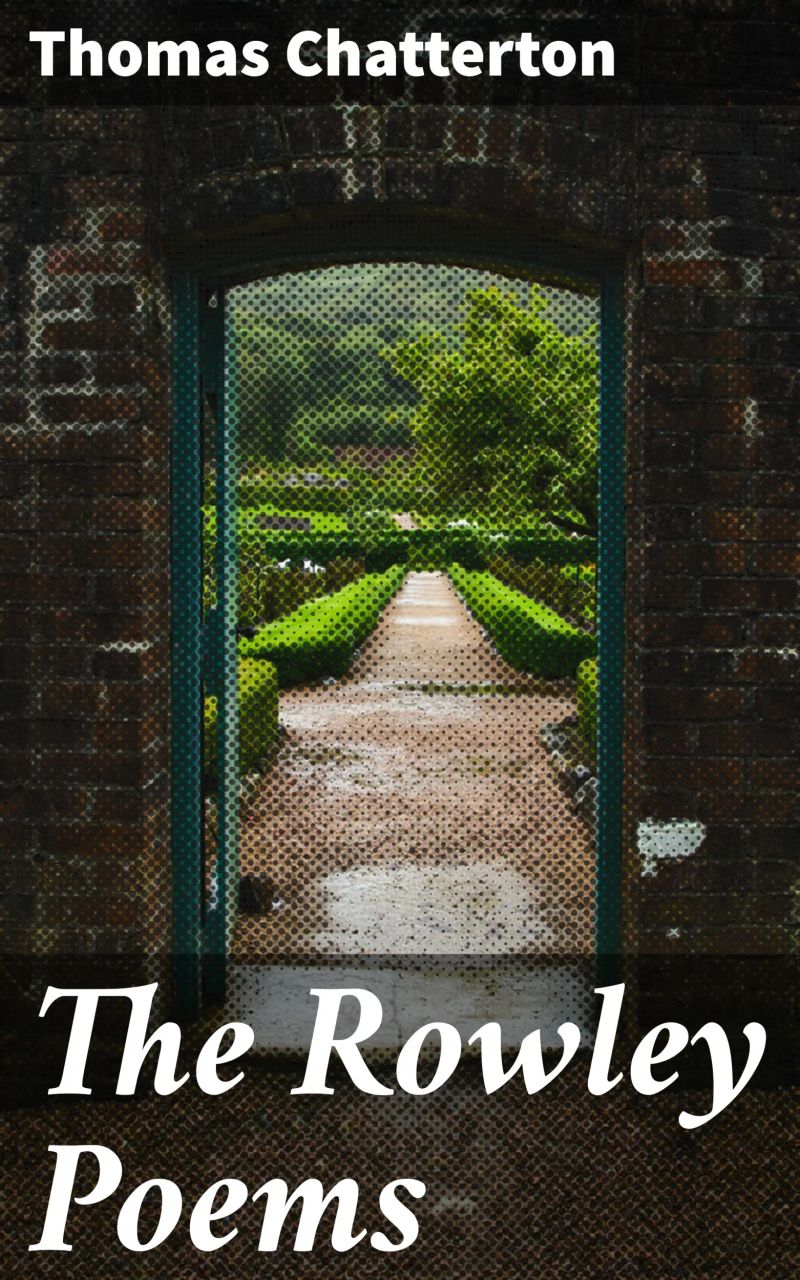
The Rowley Poems
Forging Literary Authenticity: Exploring 18th Century Hoaxes and Medieval PoetryBy Thomas Chatterton


Length8h 12m
About this audiobook
Thomas Chatterton's "The Rowley Poems" is a masterful collection that showcases the author's pioneering use of medieval English poetic forms and themes. Written in the late 18th century, these poems are attributed to the fictional 15th-century monk Thomas Rowley, blending authentic archival language with Chatterton's own innovative style. The literary context of the work is steeped in the Romantic movement that sought to revive and celebrate the past, reflecting a yearning for authenticity amidst an era marked by burgeoning modernity. Chatterton'Äôs remarkable invention of Rowley's voice creates a tapestry of historical and imaginative elements that challenge the boundaries of authorship and authenticity in literature. Chatterton, known as a precocious literary talent, was born in 1752 in Bristol, England. His early exposure to literature and history, coupled with his experiences as a poor, struggling poet, deeply informed his creative output. Chatterton's desire to reconcile his own contemporary struggles with a nostalgic past is palpable in these poems, positioning him as a significant figure in both the Romantic tradition and the evolution of English poetry. Recommended for scholars and enthusiasts of both Romantic poetry and literary forgeries, "The Rowley Poems" invites readers to explore the intricate interplay of history and imagination. This collection not only dazzles with its linguistic beauty but also provokes contemplation on the nature of originality and the role of the artist within a historical framework.
Audiobook details
Rating★★★★ 4.1 (37)
Includes LibraryThing, Goodreads, Amazon
GenrePoetry
Length8 hrs 12 mins
Narrated byListen with 1,000+ voices
FormateBook with Audio
Publish dateNov 29, 2019
LanguageEnglish
Table of contents
1CONTENTS.: EDITOR'S INTRODUCTION
2EDITOR'S INTRODUCTION.
3II. THE VALUE OF ROWLEY'S POEMS—PHILOLOGICAL AND LITERARY
4III. BIBLIOGRAPHY.
5IV. NOTE ON THE TEXT.
Show all chaptersShow less
6V. NOTES.
7VI. APPENDIX.
8POEMS,
9POEMS,
10THE CONTENTS OF THIS VOLUME.
11PREFACE.
12INTRODUCTORY ACCOUNT: ELINOURE AND JUGA.
13ADVERTISEMENT.
14ECLOGUE THE SECOND.
15ECLOGUE THE THIRD.
16ELINOURE AND JUGA.
17TO JOHNE LADGATE.
18SONGE TO ÆLLA, LORDE OF THE CASTEL OF BRYSTOWE YNNE DAIES OF YORE.
19THE TOURNAMENT.: ENTER AN HERAWDE.
20BRISTOWE TRAGEDIE:
21ÆLLA:: [ALSOE BEFORE THE DUKE OF NORFOLCK, JOHAN HOWARD.]
22PERSONNES REPRESENTEDD.
23EPISTLE TO MASTRE CANYNGE ON ÆLLA.
24LETTER TO THE DYGNE MASTRE CANYNGE.
25ENTRODUCTIONNE.
26ÆLLA.
27ÆLLA, BIRTHA.: ÆLLA.
28ÆLLA, BIRTHA, CELMONDE, MYNSTRELLES.
29CELMONDE.: ÆLLA.
30ÆLLA, BIRTHA, CELMONDE, MESSENGERE.: MESSENGERE.
31ÆLLA, BIRTHA.: BIRTHA.
32ÆLLA, BIRTHA, CELMONDE
33MAGNUS.: MESSENGERE.
34MAGNUS, HURRA, ARMIE, SECONDE MESSENGERRE.
35SECONDE MESSENGERRE.
36ÆLLA.
37FYRSTE DANE.
38CELMONDE, SERVITOURE.: CELMONDE.
39BRYSTOWE.: BIRTHA, EGWINA.
40BIRTHA, EGWINA, MYNSTRELLES.: MYNSTRELLES SONGE.
41CELMONDE, SERVYTOURE.
42CELMONDE.
43CELMONDE, BIRTHA.: BIRTHA.
44A WODE.: HURRA, DANES.
45ANODHER PARTE OF THE WOODE.: CELMONDE, BIRTHA.
46CELMONDE, BIRTHA, HURRA, DANES.: HURRA.
47AT BRYSTOWE.: ÆLLA AND SERVITOURES.
48ÆLLA, EGWINA.: EGWINA.
49ÆLLA, EGWINA, SERVYTOURE.: SERVYTOURE.
50ÆLLA, EGWINA, SERVYTOURE, COERNYKE.: ÆLLA.
The Complete Poetry (The Classic Illustrated Edition)Samuel Taylor Coleridge26h 23m4.6 (1.3K)$1.99 · $0.00

The Weary Blues (Annotated)Langston Hughes2h 13m4.5 (4.6K)$2 · $0.00
The Complete Poetical Works of Edgar Allan Poe (Illustrated)Edgar Allan Poe18h 27m4.5 (4.2K)$2 · $0.00
The Complete Poetry (Annotated)Oscar Wilde6h 44m4.5 (15.5K)$2 · $0.00
Saundarya LahariUnknown Author3h 16m4.6 (256)$18 · $0.00

The Mesnevi (Annotated)Maulana Jalal al-Din Rumi18h 41m4.5 (4.2K)$2 · $0.00
Songs of a SourdoughRobert W. Service2h 13m4.5 (13.6K)$1 · $0.00
Little Flower of Jesus (Annotated)Thérèse of Lisieux5h 4m4.5 (1.4K)$1.99 · $0.00
The Poems of LeopardiGiacomo Leopardi3h 9m4.5 (3.6K)$2 · $0.00
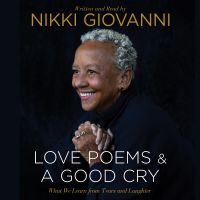
Nikki Giovanni: Love Poems & A Good CryNikki Giovanni2h 44m4.6 (405)$18 · $0.00
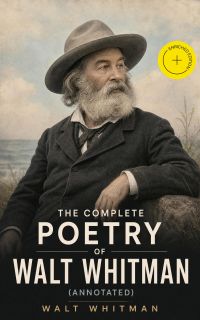
The Complete Poetry of Walt Whitman (Annotated)Walt Whitman19h 58m4.5 (4.2K)$1.99 · $0.00
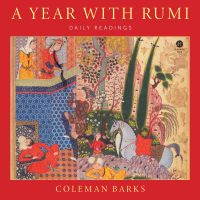
A Year with RumiColeman Barks5h 56m4.5 (2.6K)$24 · $0.00
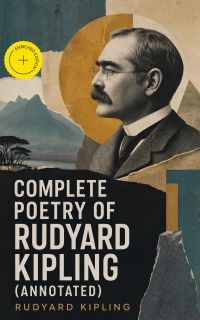
Complete Poetry of Rudyard Kipling (Annotated)Rudyard Kipling22h 50m4.5 (2.6K)$3.99 · $0.00
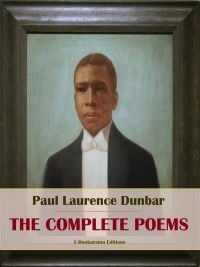
The Complete PoemsPaul Laurence Dunbar12h 40m4.5 (1.5K)$21 · $0.00
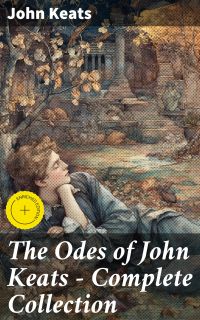
The Odes of John Keats - Complete CollectionJohn Keats22h 16m4.5 (1.3K)$1 · $0.00
SonnetsWilliam Shakespeare2h 39m4.4 (128.3K)$3 · $0.00
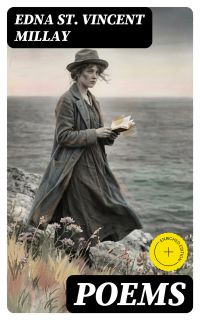
PoemsEdna St. Vincent Millay2h 39m4.5 (1.3K)$2 · $0.00
PoemsW. B. Yeats5h 6m4.4 (46.9K)$1 · $0.00
Metamorphoses (Annotated)Ovid28h 37m4.3 (80.8K)$2 · $0.00
THE FLOWERS OF EVILCharles Baudelaire2h 24m4.3 (94.6K)$1 · $0.00
You may also like
A High Five for Glenn BurkePhil Bildner4h 49m4.3 (3K)$15
Being FrankDonna Earnhardt9m4.2 (827)$5 · $0.00
Enough As She IsRachel Simmons8h 56m4.2 (1.7K)$29 · $0.00

Absolution - a false start to The Great Gatsby (Annotated)F. Scott Fitzgerald2h 24m4.0 (1.5K)$2 · $0.00

The FinancierTheodore Dreiser21h 9m4.2 (9.7K)$21 · $0.00
PenrodBooth Tarkington6h 21m4.0 (3K)$17
No Longer Human. Confessions Of A Faulty ManOsamu Dazai3h 3m4.2 (290.3K)$5 · $0.00
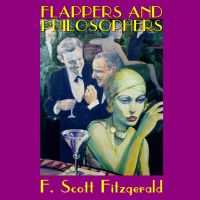
Flappers and PhilosophersF. Scott Fitzgerald6h 50m4.0 (4.6K)$17
The Curmudgeon’s Guide to Getting AheadCharles Murray3h 10m3.9 (2.4K)$14
Now Is Not the Time to PanicKevin Wilson6h 12m3.8 (82.6K)$24 · $0.00
The Royal WeRoddy Bottum9h 14m4.2 (276)$23
A Rogue's LifeWilkie Collins5h 12m3.9 (1.4K)$2.30
Symptoms of Being HumanJeff Garvin7h 48m4.2 (25.9K)$26 · $0.00
The Long Hard Road Out of HellMarilyn Manson, Neil Strauss9h4.1 (39.7K)$29 · $0.00

A Narrative of the Captivity and Adventures of John TannerJohn Tanner5h 40m4.2 (285)$1 · $0.00
The GameNeil Strauss9h 28m3.8 (159.6K)$29 · $0.00
The Stark Munro LettersSir Arthur Conan Doyle8h3.7 (1.6K)$2.30

Secret HistorianJustin Spring17h 2m4.1 (2.4K)$28 · $0.00
PygmalionGeorge Bernard Shaw4h 21m3.9 (118.9K)$3 · $0.00
PollockDonald Wigal6h 53m4.2 (38)$18 · $0.00