
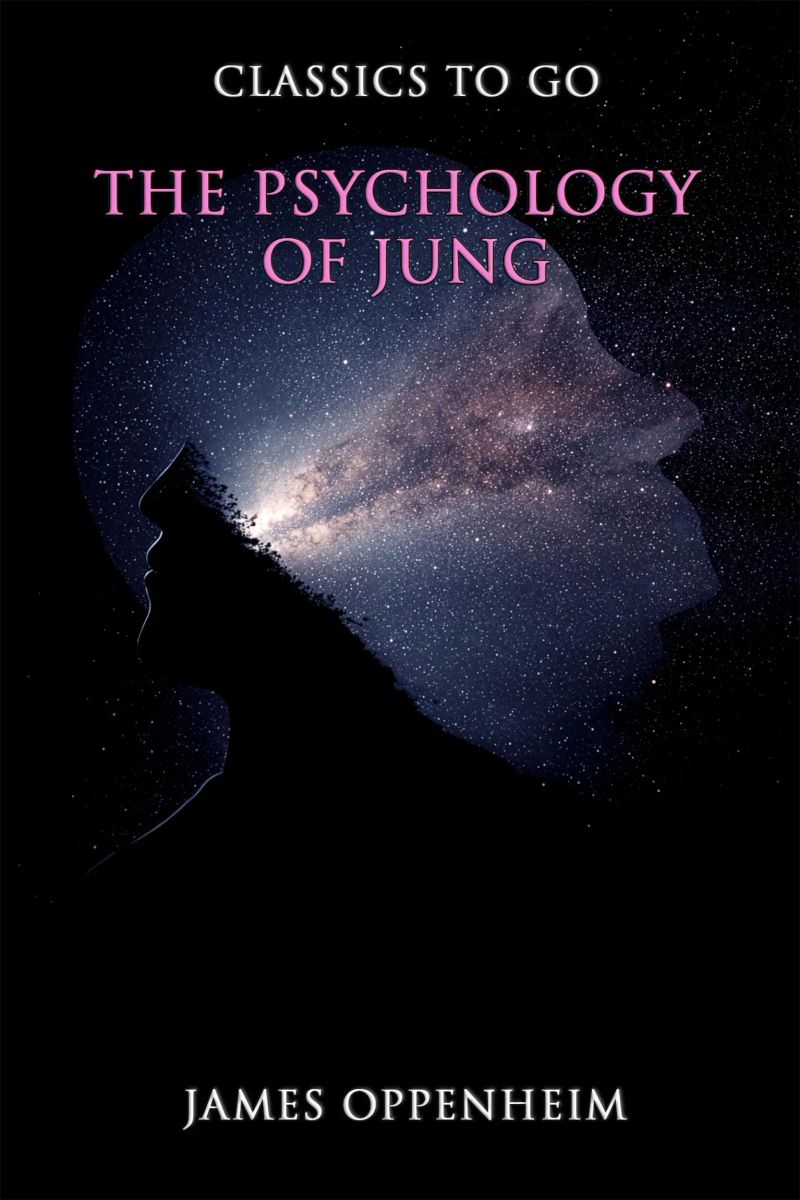
The Psychology Of Jung
Restored Classics to Go EditionBy James Oppenheim


Length1h 34m
About this audiobook
This edition has been fully restored with modern typesetting, custom cover design. "The Psychology of Jung," edited by E. Haldeman-Julius, provides a rich exploration of the evolution of psychological thought through the lens of Carl Jung's theories. The text contrasts traditional medicine and religion's limitations in addressing mental health with the breakthroughs initiated by Freud's psychoanalysis. It highlights how Jung synthesized ideas from both Freud and Adler, making a pivotal contribution to psychology's future. Jung's approach invites readers to explore the intricacies of the human psyche, advocating for a deeper understanding of mental and spiritual well-being.
Freud's theories explore the tension between individual instincts and societal norms. He suggests that repressed desires form the unconscious mind, manifesting in symptoms or dreams that reveal hidden truths. The psychoanalytic journey involves confronting and sublimating these repressed impulses, with the Oedipus complex being central to understanding human sexuality and psychological struggles. This underscores the complex interplay between primal desires and societal morality, suggesting that true mental health involves integrating these aspects of identity.
Adler, diverging from Freud, introduces the "will-to-power," proposing that feelings of inferiority drive individuals to seek dominance, particularly in personal relationships. This inferiority complex, often rooted in physical conditions, fuels a quest for power, manifesting in social dynamics, including the Oedipus complex. Adler's theory suggests that both genders contend with inferiority, driving them to assert themselves in hyper-masculine ways, reflecting Nietzsche's philosophical influence.
Jung's exploration of psychological types delineates the extraverted and introverted natures, exemplified by figures like Roosevelt and Nietzsche. His theory of the four functions—thinking, feeling, intuition, and sensation—illustrates personality types and the potential for conflict and neurosis from one-sided development. The narrative reflects broader societal struggles between power and love, emphasizing individuation and harmony. The text encourages readers to engage with Jung's foundational works, such as "Papers in Analytical Psychology" and "The Psychology of the Unconscious," to further their journey toward self-discovery and understanding of Jungian psychology.
Audiobook details
GenrePsychology
Length1 hr 34 mins
Narrated byListen with 1,000+ voices
FormateBook with Audio
Publish dateFeb 1, 2026
LanguageEnglish
Table of contents
1CONTENTS.
2I. THE PSYCHOLOGY OF THE FUTURE.
3II. THE SEXUAL THEORY.
4III. WILL-TO-POWER.
5IV. THE BREAK BETWEEN FREUD AND JUNG.
Show all chaptersShow less
6V. THE INTROVERT VS. THE EXTRAVERT.
7VI. TYPES.
8VII. THE CONFLICT AND ITS SOLUTION.
9VIII. NOTE.
10Transcriber’s Note

What to Make of a LifeJim Collins13h 31m4.4 (794)$33 · $0.00

Invisible StormJason Kander6h 48m4.7 (3.2K)$24 · $0.00

I Am The StormJanice Dean9h4.6 (1.5K)$8 · $0.00

On Democracies and Death CultsDouglas Murray10h 38m4.6 (6.5K)$29 · $0.00

TerraformPropaganda5h 39m4.7 (594)$24 · $0.00

Southern Horrors: Lynch Law in All Its Phases (Annotated)Ida B. Wells-Barnett2h 44m4.6 (1.3K)$2 · $0.00

Hour of the HeartIrvin D. Yalom, Benjamin Yalom8h 19m4.6 (2.3K)$26 · $0.00

Braving the TruthRachel Held Evans11h 31m4.7 (359)$29 · $0.00
Level UpRob Dial7h 42m4.6 (3.3K)$26 · $0.00

As a JewSarah Hurwitz8h 36m4.6 (1.2K)$26 · $0.00

Saint Joan (Annotated)George Bernard Shaw6h 20m4.6 (1.2K)$1.20 · $0.00

Burn the HaystackJennie Young, PhD9h 30m4.6 (543)$29 · $0.00

Woman and the New Race (Annotated)Margaret Sanger6h 30m4.6 (1K)$1.99 · $0.00

Good InsideBecky Kennedy9h 55m4.5 (59.3K)$29 · $0.00
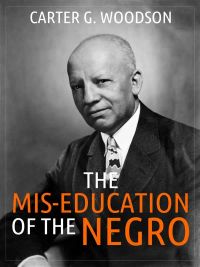
The Mis-Education of the NegroCarter Godwin Woodson5h 4m4.5 (29.4K)$1.20 · $0.00

Du Bois: EssaysW.E.B. Du Bois6h 22m4.6 (1.5K)$1 · $0.00

The North American Indian (Illustrated Edition)Edward S. Curtis, Frederick Webb Hodge5h 59m4.6 (1.4K)$2 · $0.00

Valley of the BirdtailAndrew Stobo Sniderman, Douglas Sanderson10h 1m4.6 (2.4K)$29 · $0.00

Lies My Therapist Told MeGreg E. Gifford9h 3m4.6 (503)$29 · $0.00

Disturbed in Their NestsAlephonsion Deng, Judy A. Bernstein11h 22m4.6 (595)$23 · $0.00
You may also like

Boundaries of the Soul, Revised and UpdatedJune Singer18h 39m4.2 (1.1K)$30 · $0.00
Inner WorkRobert A. Johnson8h 16m4.4 (6.9K)$26 · $0.00

Feeling Is The SecretNeville Goddard44m4.5 (10.2K)$2 · $0.00

Palmistry for AllCheiro4h 20m3.9 (1.5K)Free

A General Introduction to Psychoanalysis & Dream Psychology (Psychoanalysis for Beginners)Sigmund Freud24h 49m4.0 (15K)$1.99 · $0.00
The Collected Works of Sigmund FreudSigmund Freud92h 34m4.3 (722)$1.99 · $0.00

Psychology of The Unconscious (Annotated)Carl Gustav Jung22h 3m4.2 (3.1K)$2 · $0.00
On dreamsSigmund Freud2h 26m3.9 (3.7K)$1 · $0.00
Care of the SoulThomas Moore3h 3m4.2 (22.8K)$18 · $0.00

The Law and The PromiseNeville Goddard3h 43m4.5 (1.2K)$4.70 · $0.00

Vajra-chhediká, the "Kin Kong King," or Diamond SútraAnonymous56m4.3 (5.7K)$2 · $0.00

The Master Key SystemCharles F.8h 48m4.3 (13.4K)$3.50 · $0.00

Jung's Archetypes ExplainedImad Muratspahic3h 18m$7.30 · $0.00
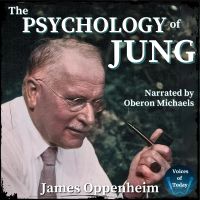
The Psychology of JungJames Oppenheim1h 38m$15

Sacred FurySelena D'arden5h 26m$9 · $0.00

The Theory of Psychoanalysis (Summarized Edition)C. G. Jung2h 46m3.9 (245)$2

Embracing True ProsperityCynthia L. Wall LCSW1h 22m$15

Letting Go Of AngerYOGESH SHARDA55m$4 · $0.00

Oníric ControlLeon Prado/ Luis Santos4h 43m$7 · $0.00

JAY SHETTYBetty S. Keating51m$8.50 · $0.00