
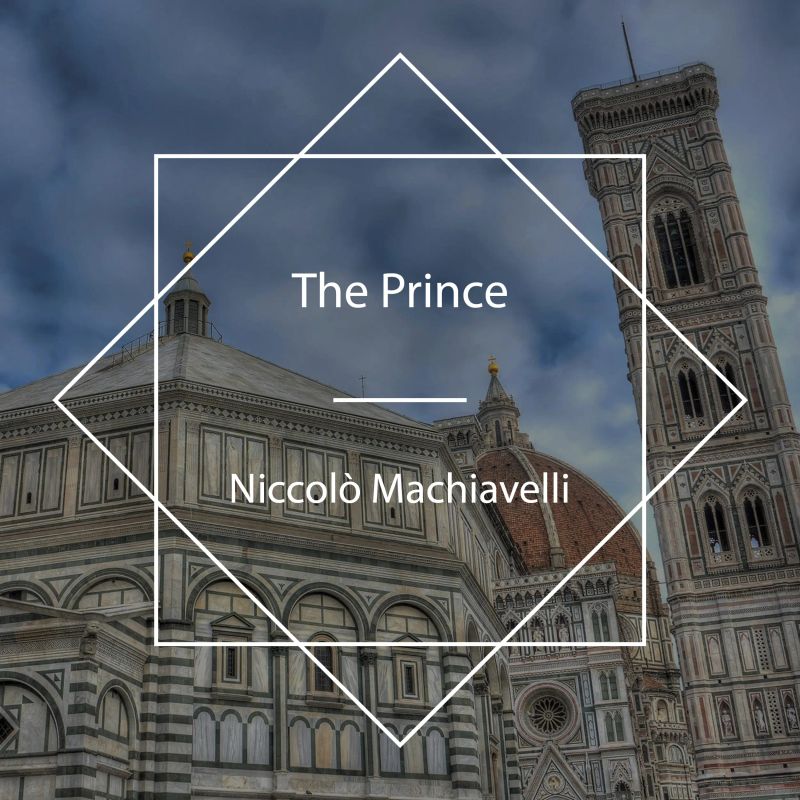
Length5h 46m
About this audiobook
The Prince (Italian: Il Principe) is a political treatise by the Italian diplomat, historian and political theorist Niccolò Machiavelli. The descriptions within The Prince have the general theme of accepting that ends of princes, such as glory, and indeed survival, can justify the use of immoral means to achieve those ends. Machiavelli needs to be looked at as he really was. Hence: Can Machiavelli, who makes the following observations, be Machiavellian as we understand the disparaging term? 1. So it is that to know the nature of a people, one need be a Prince; to know the nature of a Prince, one need to be of the people. 2. If a Prince is not given to vices that make him hated, it is unsusal for his subjects to show their affection for him. 3. Opportunity made Moses, Cyrus, Romulus, Theseus, and others; their virtue domi-nated the opportunity, making their homelands noble and happy. Armed prophets win; the disarmed lose. 4. Without faith and religion, man achieves power but not glory. 5. Prominent citizens want to command and oppress; the populace only wants to be free of oppression. 6. A Prince needs a friendly populace; otherwise in diversity there is no hope. 7. A Prince, who rules as a man of valor, avoids disasters, 8. Nations based on mercenary forces will never be solid or secure. 9. Mercenaries are dangerous because of their cowardice 10. There are two ways to fight: one with laws, the other with force. The first is rightly man's way; the second, the way of beasts.
Audiobook details
GenrePolitics and Government
Length5 hrs 46 mins
Narrated byNiccolò Machiavelli
FormatAudiobook
Publish dateApr 28, 2021
LanguageEnglish
Table of contents
1Front matter
8Chapter 17-18
2Chapter 1-3
9Chapter 19
3Chapter 4-6
10Chapter 20-22
4Chapter 7-8
11Chapter 23-26
5Chapter 9-11
12Appendix 1
Show all chaptersShow less
6Chapter 12-13
13The Life of Castruccio Castracani of Lucca (Part one)
7Chapter 14-16
14The Life of Castruccio Castracani of Lucca (part two)
MotherlandJulia Ioffe17h 52m4.7 (2.5K)$40 · $0.00
HostageEli Sharabi5h 25m4.6 (10.8K)$24 · $0.00
KrantikariSanjeev Sanyal11h 44m4.6 (1.3K)$16 · $0.00

Unbroken Bonds of BattleJohnny Joey Jones8h 31m4.6 (2.6K)$8 · $0.00
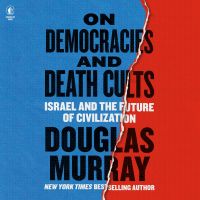
On Democracies and Death CultsDouglas Murray10h 38m4.6 (6.5K)$29 · $0.00
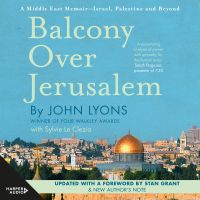
Balcony Over Jerusalem: A Middle East Memoir - Israel, Palestine and BeyondJohn Lyons12h 37m4.6 (1.4K)$33 · $0.00
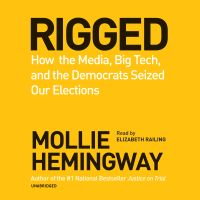
RiggedMollie Hemingway12h 48m4.6 (4.2K)$23 · $0.00
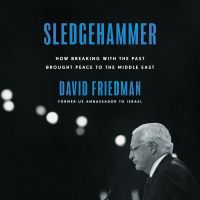
SledgehammerDavid Friedman8h 21m4.7 (589)$26 · $0.00
Citizenship in a Republic (Annotated)Theodore Roosevelt2h 44m4.6 (1.4K)$2 · $0.00
No EscapeNury Turkel9h 30m4.6 (809)$28 · $0.00

Always FaithfulThomas Schueman, Zainullah Zaki12h 12m4.6 (977)$29 · $0.00
UnthinkableJamie Raskin15h 8m4.5 (9.3K)$8 · $0.00
My Fourth Time, We DrownedSally Hayden13h 59m4.6 (2.9K)$23 · $0.00
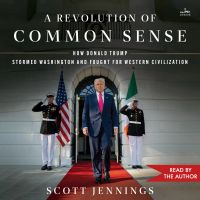
A Revolution of Common SenseScott Jennings9h 29m4.6 (528)$29 · $0.00
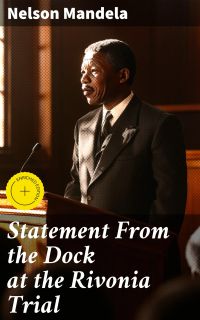
Statement From the Dock at the Rivonia TrialNelson Mandela2h 18m4.6 (1.3K)$1 · $0.00

Lessons from the EdgeMarie Yovanovitch17h 11m4.5 (5.9K)$40 · $0.00
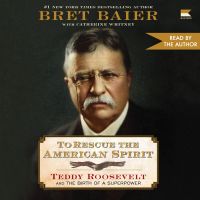
To Rescue the American SpiritBret Baier10h 12m4.5 (2.7K)$8 · $0.00

StonewalledSharyl Attkisson15h 19m4.5 (4.3K)$33 · $0.00
The World According to Orwell: 1984 & Animal FarmGeorge Orwell15h 42m4.6 (1.1K)$1 · $0.00
Basic EconomicsThomas Sowell18h 32m4.5 (29.3K)$28 · $0.00
You may also like
The PrinceNicolo Machiavelli5h 19m4.0 (461.4K)$7 · $0.00
Niccolò Machiavelli: The PrinceNiccolò Machiavelli3h 40m4.0 (453K)$12 · $0.00
The PrinceNiccolò Machiavelli4h 32m4.1 (423.6K)$12
The PrinceNicolo Machiavelli5h 12m4.0 (686.7K)Free
The Black TulipAlexandre Dumas8h 38m4.0 (57.1K)$1.20 · $0.00
The PrinceNiccolo Machiavelli5h 3m3.9 (446.2K)$7 · $0.00
The PrinceNiccolò Machiavelli5h 10m4.0 (440.8K)$2.30
CleopatraJacob Abbott6h 23m3.8 (3.7K)$6 · $0.00
King Richard IIIWilliam Shakespeare3h 18m4.1 (79.7K)$2.30
Hadji MuradLeo Tolstoy5h 14m4.0 (19.3K)$3 · $0.00
The Three Edwards (Annotated)Thomas Bertram Costain19h 33m4.1 (1.2K)$1.99 · $0.00
The Prince + The Art of War (2 Unabridged Machiavellian Masterpieces)Niccolò Machiavelli6h 55m4.2 (5K)$2 · $0.00
Henry VI, Part 3William Shakespeare2h 55m3.9 (19.2K)$15
Conspiracy of Catiline and the Jurgurthine WarSallust7h 24m4.0 (3.6K)$1 · $0.00
Julius CaesarWilliam Shakespeare2h 34m4.0 (281.5K)$1.80 · $0.00
Henry VI, Part 2William Shakespeare3h 1m3.8 (19.5K)$15
The Prince (Summarized Edition)Niccolò Machiavelli1h 58m$2
The Justice of the DukeRaphael Sabatini9h 47m3.7 (199)$2 · $0.00
Ali PachaAlexandre Dumas4h 50m3.3 (180)$1.20 · $0.00
The Prince + The Art of War (2 Unabridged Machiavellian Masterpieces)Niccolò Machiavelli7h 51m$1 · $0.00