
Audio only


Length5h 18m
About this audiobook
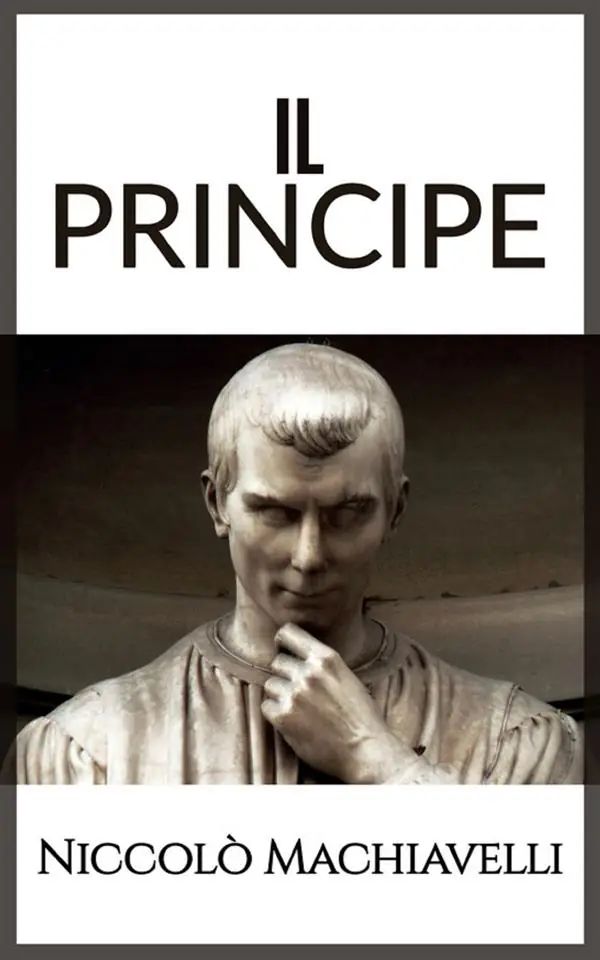
The Prince, by Niccolo Machiavelli, is a 16th-century political treatise. The Prince is sometimes claimed to be one of the first works of modern philosophy, especially modern political philosophy, in which the effective truth is taken to be more important than any abstract ideal. It was also in direct conflict with the dominant Catholic and scholastic doctrines of the time concerning politics and ethics. The Prince has the general theme of accepting that the aims of princes—such as glory and survival—can justify the use of immoral means to achieve those ends. Although it is relatively short, the treatise is the most remembered of Machiavelli's works and the one most responsible for bringing the word "Machiavellian" into usage as a pejorative. It even contributed to the modern negative connotations of the words "politics" and "politician" in western countries. In terms of subject matter it overlaps with the much longer Discourses on Livy, which was written a few years later. Machiavelli emphasized the need for realism, as opposed to idealism. Along with this, he stresses the difference between human-beings and animals since "there are two ways of contending, one in accordance with the laws, the other by force; the first of which is proper to men, the second to beast". In The Prince he does not explain what he thinks the best ethical or political goals are, except the control of one's own fortune, as opposed to waiting to see what chance brings. Machiavelli took it for granted that would-be leaders naturally aim at glory or honor. He associated these goals with a need for "virtue" and "prudence" in a leader, and saw such virtues as essential to good politics and indeed the common good. That great men should develop and use their virtue and prudence was a traditional theme of advice to Christian princes.
Audiobook details
GenreLiterary Classics, General Fiction
Length5 hrs 18 mins
Narrated byListen with 1,000+ voices
FormateBook with Audio
Publish dateAug 31, 2017
LanguageEnglish
Table of contents
1INTRODUCTION
2YOUTH — Aet. 1-25—1469-94
3OFFICE — Aet. 25-43—1494-1512
4LITERATURE AND DEATH — Aet. 43-58—1512-27
5THE MAN AND HIS WORKS
Show all chaptersShow less
6DEDICATION
7CHAPTER I — HOW MANY KINDS OF PRINCIPALITIES THERE ARE, AND BY WHAT MEANS THEY ARE ACQUIRED
8CHAPTER II — CONCERNING HEREDITARY PRINCIPALITIES
9CHAPTER III — CONCERNING MIXED PRINCIPALITIES
10CHAPTER IV — WHY THE KINGDOM OF DARIUS, CONQUERED BY ALEXANDER, DID NOT REBEL AGAINST THE SUCCESSORS OF ALEXANDER AT HIS DEATH
11CHAPTER V — CONCERNING THE WAY TO GOVERN CITIES OR PRINCIPALITIES WHICH LIVED UNDER THEIR OWN LAWS BEFORE THEY WERE ANNEXED
12CHAPTER VI — CONCERNING NEW PRINCIPALITIES WHICH ARE ACQUIRED BY ONE'S OWN ARMS AND ABILITY
13CHAPTER VII — CONCERNING NEW PRINCIPALITIES WHICH ARE ACQUIRED EITHER BY THE ARMS OF OTHERS OR BY GOOD FORTUNE
14CHAPTER VIII — CONCERNING THOSE WHO HAVE OBTAINED A PRINCIPALITY BY WICKEDNESS
15CHAPTER IX — CONCERNING A CIVIL PRINCIPALITY
16CHAPTER X — CONCERNING THE WAY IN WHICH THE STRENGTH OF ALL PRINCIPALITIES OUGHT TO BE MEASURED
17CHAPTER XI — CONCERNING ECCLESIASTICAL PRINCIPALITIES
18CHAPTER XII — HOW MANY KINDS OF SOLDIERY THERE ARE, AND CONCERNING MERCENARIES
19CHAPTER XIII — CONCERNING AUXILIARIES, MIXED SOLDIERY, AND ONE'S OWN
20CHAPTER XIV — THAT WHICH CONCERNS A PRINCE ON THE SUBJECT OF THE ART OF WAR
21CHAPTER XV — CONCERNING THINGS FOR WHICH MEN, AND ESPECIALLY PRINCES, ARE PRAISED OR BLAMED
22CHAPTER XVI — CONCERNING LIBERALITY AND MEANNESS
23CHAPTER XVII — CONCERNING CRUELTY AND CLEMENCY, AND WHETHER IT IS BETTER TO BE LOVED THAN FEARED
24CHAPTER XVIII(*) — CONCERNING THE WAY IN WHICH PRINCES SHOULD KEEP FAITH
25CHAPTER XIX — THAT ONE SHOULD AVOID BEING DESPISED AND HATED
26CHAPTER XX — ARE FORTRESSES, AND MANY OTHER THINGS TO WHICH PRINCES OFTEN RESORT, ADVANTAGEOUS OR HURTFUL?
27CHAPTER XXI — HOW A PRINCE SHOULD CONDUCT HIMSELF SO AS TO GAIN RENOWN
28CHAPTER XXII — CONCERNING THE SECRETARIES OF PRINCES
29CHAPTER XXIII — HOW FLATTERERS SHOULD BE AVOIDED
30CHAPTER XXIV — WHY THE PRINCES OF ITALY HAVE LOST THEIR STATES
31CHAPTER XXV — WHAT FORTUNE CAN EFFECT IN HUMAN AFFAIRS AND HOW TO WITHSTAND HER
32CHAPTER XXVI — AN EXHORTATION TO LIBERATE ITALY FROM THE BARBARIANS
33DESCRIPTION OF THE METHODS ADOPTED BY THE DUKE VALENTINO WHEN MURDERING VITELLOZZO VITELLI, OLIVEROTTO DA FERMO, THE SIGNOR PAGOLO, AND THE DUKE DI GRAVINA ORSINI BY NICOLO MACHIAVELLI
34THE LIFE OF CASTRUCCIO CASTRACANI OF LUCCA WRITTEN BY NICOLO MACHIAVELLI And sent to his friends ZANOBI BUONDELMONTI And LUIGI ALAMANNI CASTRUCCIO CASTRACANI 1284-1328
More from Niccolò Machiavelli

The Art of WarNiccolò Machiavelli7h 15m4.0 (11.9K)$21 · $0.00
O Príncipe (Traduzido)Niccolò Machiavelli5h 5m4.1 (40.1K)$4.60 · $0.00
Der Fürst (Übersetzt)Niccolò Machiavelli5h 31m4.0 (411.5K)$4.60 · $0.00
Il PrincipeNiccolò Machiavelli5h 5m4.0 (455.7K)$4.60 · $0.00
El Príncipe (Traducido)Niccolò Machiavelli5h 7m4.0 (423.7K)$4.60 · $0.00
Le Prince (Traduit)Niccolò Machiavelli5h 21m4.0 (424.7K)$4.60 · $0.00

La mandragola - La Clizia - BelfagorNiccolò Machiavelli3h 6m4.1 (1.4K)$2.30 · $0.00
Il Principe (capitoli scelti) (Audio-eBook)Niccolò Machiavelli58m4.6 (15)$5.70 · $0.00

Il principeNiccolò Machiavelli3h 9m3.9 (431.5K)$1.70 · $0.00
Dell'arte della guerraNiccolò Machiavelli6h 56m4.1 (13.2K)$1.70 · $0.00

To Kill a MockingbirdHarper Lee12h 18m4.5 (7.4M)$29 · $0.00

These Precious DaysAnn Patchett11h 14m4.5 (45.2K)$29 · $0.00
The Great Gatsby: Original 1925 Edition (An F. Scott Fitzgerald Classic NovelFrancis Scott Fitzgerald4h 45m4.6 (9.3K)$18 · $0.00
TWELFTH NIGHTWilliam Shakespeare, Sidney Lee16h 38m4.6 (2.8K)$1.99 · $0.00
The Complete Histories / History Plays of William Shakespeare (Annotated)William Shakespeare29h 42m4.6 (2.3K)$0.99 · $0.00

Braving the TruthRachel Held Evans11h 31m4.7 (359)$29 · $0.00

The Old Man and the Sea (Annotated)Ernest Hemingway4h 27m4.6 (1.4K)$2 · $0.00

Henry V (The Play, Historical Background and Analysis of the Character in the Play)William Shakespeare, William Hazlitt8h 50m4.6 (1.3K)$1.99 · $0.00
H. P. LOVECRAFT Ultimate Collection: Novellas, Short Stories, Poetry & Essays (Annotated)H. P. Lovecraft12h 28m4.6 (2.3K)$2 · $0.00
Time RegainedMarcel Proust16h 8m4.5 (10.6K)$1.99 · $0.00
The Mis-Education of the NegroCarter Goodwin Woodson4h 32m4.5 (28.4K)$10 · $0.00

TORAH - Bilingual Edition: English/Hebrew (Annotated)Max Margolis, JPS28h 26m4.6 (1K)$2 · $0.00

Betty Crocker picture cooky bookBetty Crocker, Inc. General Mills2h 13m4.5 (6.5K)$1 · $0.00

The Complete Tales of Beatrix PotterBeatrix Potter3h 36m4.5 (75K)$3 · $0.00

Anne of Green GablesL. M. Montgomery11h 1m4.5 (1.2M)$2.30 · $0.00
Crime and Punishment (The Unabridged Garnett Translation) (Annotated)Fyodor Dostoevsky24h 25m4.5 (15.4K)$0.99 · $0.00

The North American IndianEdward S. Curtis, Frederick Webb Hodge6h4.5 (1.2K)$2 · $0.00

The Picture of Dorian Gray: The Uncensored 13 Chapter Version + The Revised 20 Chapter Version (Annotated)Oscar Wilde16h 12m4.5 (2.8K)$0.99 · $0.00

Grimoire Of The Everyday WitchIsadora Lys / Virginia Santos5h 35m4.5 (3.9K)$9 · $0.00

Winnie-the-PoohAlan Alexander Milne2h 52m4.5 (401.1K)$3 · $0.00

WhistlerAnn Patchett10h 45m4.6 (4.6K)$29 · $0.00

Demon CopperheadBarbara Kingsolver21h 3m4.5 (949.4K)$46 · $0.00
To Kill a MockingbirdHarper Lee12h 18m4.5 (7.4M)$29 · $0.00

Remarkably Bright CreaturesShelby Van Pelt11h 17m4.4 (1.7M)$29 · $0.00
Something Like LoveBeverly Jenkins10h 21m4.6 (2.7K)$29 · $0.00
Black History CollectionFrederick Douglass, Harriet Ann Jacobs, Booker T. Washington, W.E.B. Du Bois27h 9m4.6 (2.6K)$18 · $0.00
The Old Man and the Sea (Annotated)Ernest Hemingway4h 27m4.6 (1.4K)$2 · $0.00

White HotIlona Andrews13h 18m4.5 (136.9K)$5 · $0.00

The Ghost by the Billabong (The Matilda Saga, #5)Jackie French14h 58m4.6 (773)$33 · $0.00
Cast in BloodMichelle Sagara16h 35m4.6 (607)$33 · $0.00
The Captain Blood Trilogy (Annotated)Rafael Sabatini29h 20m4.6 (1K)$3 · $0.00
Ship of the Line (Annotated)Cecil Louis Troughton Smith11h 13m4.6 (1K)$2 · $0.00
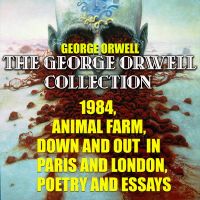
The George Orwell CollectionGeorge Orwell24h 46m4.5 (14.4K)$12 · $0.00
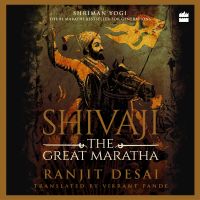
ShivajiRanjit Desai25h 13m4.6 (3.1K)$24 · $0.00
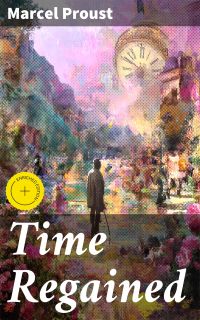
Time RegainedMarcel Proust15h 38m4.5 (9.2K)$2 · $0.00

Driving ForceElle James4h 58m4.6 (407)$20 · $0.00

When God Calls the HeartBrian Bird, Michelle Cox3h 24m4.6 (439)$10 · $0.00

Five Little IndiansMichelle Good10h 34m4.5 (64.5K)$29 · $0.00
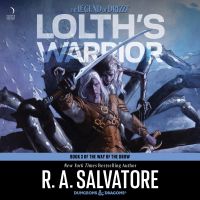
Lolth's WarriorR. A. Salvatore13h 20m4.6 (2.4K)$33 · $0.00

The Things We Cannot SayKelly Rimmer13h 48m4.5 (359.1K)$33 · $0.00