



Length15h 13m
About this audiobook
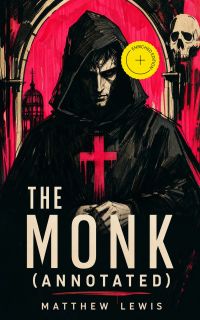
Matthew Lewis's novel "The Monk" stands as a seminal work of Gothic literature, intricately weaving themes of forbidden desire, morality, and the supernatural. Published in 1796, this provocative text employs a compelling narrative style that blends the sensational with the philosophical, challenging the austere conventions of its time. Through the tragic descent of Ambrosio, a pious monk entangled in lust and ultimately in demonic influence, Lewis critiques the hypocrisy of religious institutions while exploring the darker facets of human nature, illustrated through vivid imagery and psychological depth. Matthew Lewis, a figure emblematic of the Romantic literary movement, wrote "The Monk" during a period marked by burgeoning ideas about individual freedom and the subconscious. His own life experiences, including the exposure to radical political ideas and the exploration of contemporary philosophical debates, arguably influenced his critical examination of religious dogma and moral hypocrisy. Despite facing significant controversy for its explicit content during its release, Lewis's deep engagement with gothic themes foreshadowed future literary explorations of the macabre and the human psyche. This audacious novel is highly recommended for readers interested in the intersection of horror, morality, and the historical turbulence of the late 18th century. "The Monk" not only offers a thrilling literary experience but also serves as a crucial commentary on the societal constraints of its era, making it an essential read for anyone captivated by the complexities of human nature and the implications of desire.
Audiobook details
Rating★★★★ 4.0 (93.6K)
Includes Goodreads, LibraryThing, StoryGraph, Amazon
GenreHorror
Length15 hrs 13 mins
Narrated byListen with 1,000+ voices
FormateBook with Audio
Publish dateNov 13, 2022
LanguageEnglish
Table of contents
1The Monk
10Chapter II
2Preface
11Chapter III
3Advertisement
12Chapter IV
4Volume I
13Volume III
5Chapter I
14Chapter I
Show all chaptersShow less
6Chapter II
15Chapter II
7Chapter III
16Chapter III
8Volume II
17Chapter IV
9Chapter I
18Chapter V
More from Matthew Lewis
DRACULA (Annotated)Bram Stoker17h 56m4.5 (6.9K)$0.99 · $0.00
Treasure Island (Adventure Classic with Illustrations)Robert Louis Stevenson8h 50m4.5 (11.2K)$1.99 · $0.00
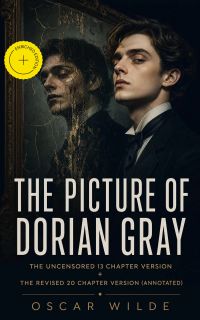
The Picture of Dorian Gray: The Uncensored 13 Chapter Version + The Revised 20 Chapter Version (Annotated)Oscar Wilde16h 12m4.5 (2.8K)$0.99 · $0.00
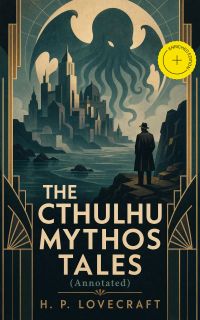
THE CTHULHU MYTHOS TALES (Annotated)H. P. Lovecraft22h 46m4.5 (16.9K)$2 · $0.00
The Undead PoolKim Harrison16h 13m4.4 (34.6K)$33 · $0.00
Glacier's EdgeR. A. Salvatore13h 44m4.5 (3.4K)$33 · $0.00
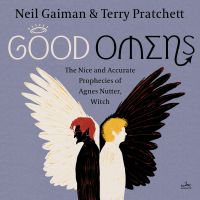
Good OmensNeil Gaiman, Terry Pratchett12h 33m4.4 (1.1M)$33 · $0.00
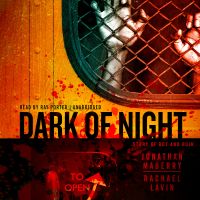
Dark of NightJonathan Maberry, Rachael Lavin4h 59m4.4 (3.8K)$20 · $0.00
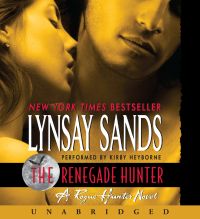
The Renegade HunterLynsay Sands10h 7m4.4 (17.3K)$29 · $0.00
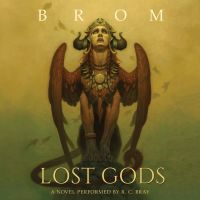
Lost GodsBrom14h 50m4.4 (18.5K)$33 · $0.00
Jane Eyre (Unabridged)Charlotte Brontë22h 9m4.3 (2.6M)$1.99 · $0.00
The AccusedJana DeLeon6h 32m4.4 (3.9K)$12 · $0.00
Corpus HermeticumHermes Trismegistus3h 43m4.4 (8.6K)$7 · $0.00
LambChristopher Moore15h 22m4.3 (211.3K)$33 · $0.00
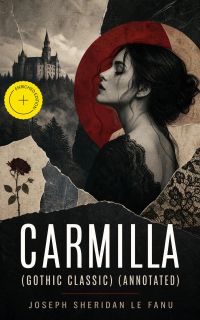
CARMILLA (Gothic Classic) (Annotated)Joseph Sheridan Le Fanu4h 2m4.4 (1K)$0.99 · $0.00
The ExorcistWilliam Peter Blatty12h 52m4.3 (285.9K)$8 · $0.00

Lost ValleyWalt Browning7h 47m4.3 (5.4K)$20 · $0.00
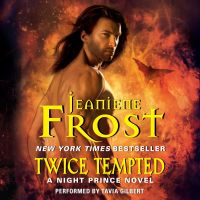
Twice TemptedJeaniene Frost8h 17m4.3 (54.8K)$26 · $0.00
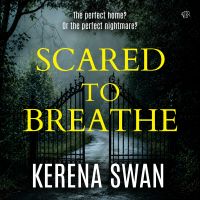
Scared to BreatheKerena Swan10h 56m4.4 (1.7K)$13.60 · $0.00
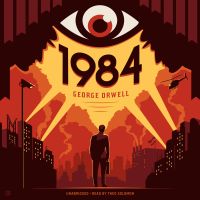
1984George Orwell12h 18m4.3 (6M)$25 · $0.00
You may also like
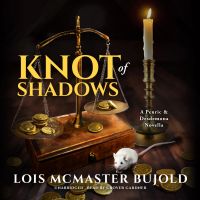
Knot of ShadowsLois McMaster Bujold3h 37m4.3 (7.1K)$15
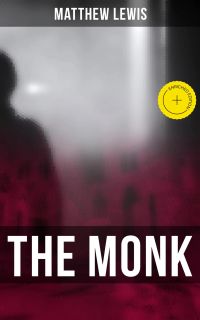
THE MONKMatthew Lewis16h 6m3.9 (66.9K)$1.99 · $0.00
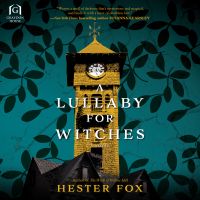
A Lullaby for WitchesHester Fox9h 53m3.8 (12.1K)$29 · $0.00
The MagicianW. Somerset Maugham7h 20m3.8 (6.6K)$17
When Things Get DarkBenjamin Percy, others, Josh Malerman, Ellen Datlow, Joyce Carol Oates, Seanan McGuire, Elizabeth Hand, various authors11h 55m3.9 (3.3K)$23 · $0.00
The PrestigeChristopher Priest12h 16m4.1 (30.3K)$23 · $0.00
Twice TemptedJeaniene Frost8h 17m4.3 (54.8K)$26 · $0.00
The Picture of Dorian GrayOscar Wilde7h 44m4.2 (2.1M)$17
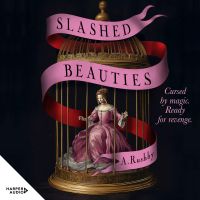
Slashed Beauties: the new feminist historical fantasy novel, perfect for readers of Leigh Bardugo, Sarah Penner, Deborah Harkness and lovers of dark fantasyA. Rushby13h 2m3.7 (1.7K)$33 · $0.00
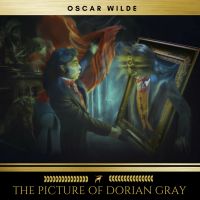
The Picture Of Dorian GrayOscar Wilde9h 25m4.2 (2.2M)$5 · $0.00
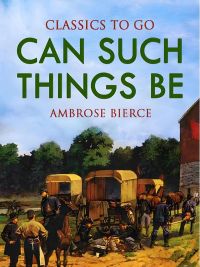
Can Such Things Be?Ambrose Bierce6h 35m3.9 (1.5K)$2.30
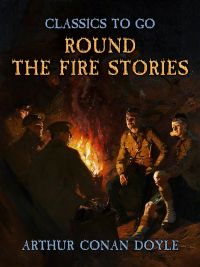
Round the Fire StoriesArthur Conan Doyle10h 48m4.1 (302)$2.30
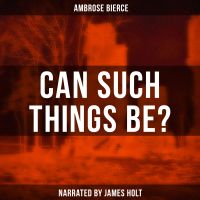
Can Such Things Be?Ambrose Bierce7h 36m3.8 (1.7K)$6.50 · $0.00
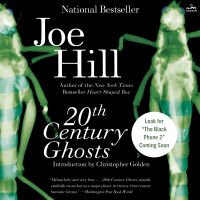
20th Century GhostsJoe Hill12h 11m4.1 (64.9K)$29 · $0.00
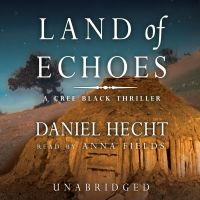
Land of EchoesDaniel Hecht15h 58m3.8 (1.6K)$28
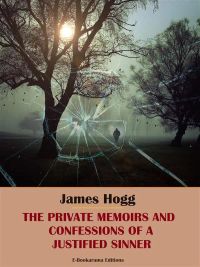
The Private Memoirs and Confessions of a Justified SinnerJames Hogg8h 44m3.9 (14.3K)$1.20 · $0.00
The Facts of MidlifeRobyn Peterman4h 49m4.5 (7.2K)$15
A Stir of EchoesRichard Matheson6h 45m4.0 (16.7K)$14 · $0.00
Unholy GhostsStacia Kane11h 12m3.8 (19.9K)$21
The Woman Who Wouldn’t DieColin Cotterill7h 42m4.2 (3.6K)$20