
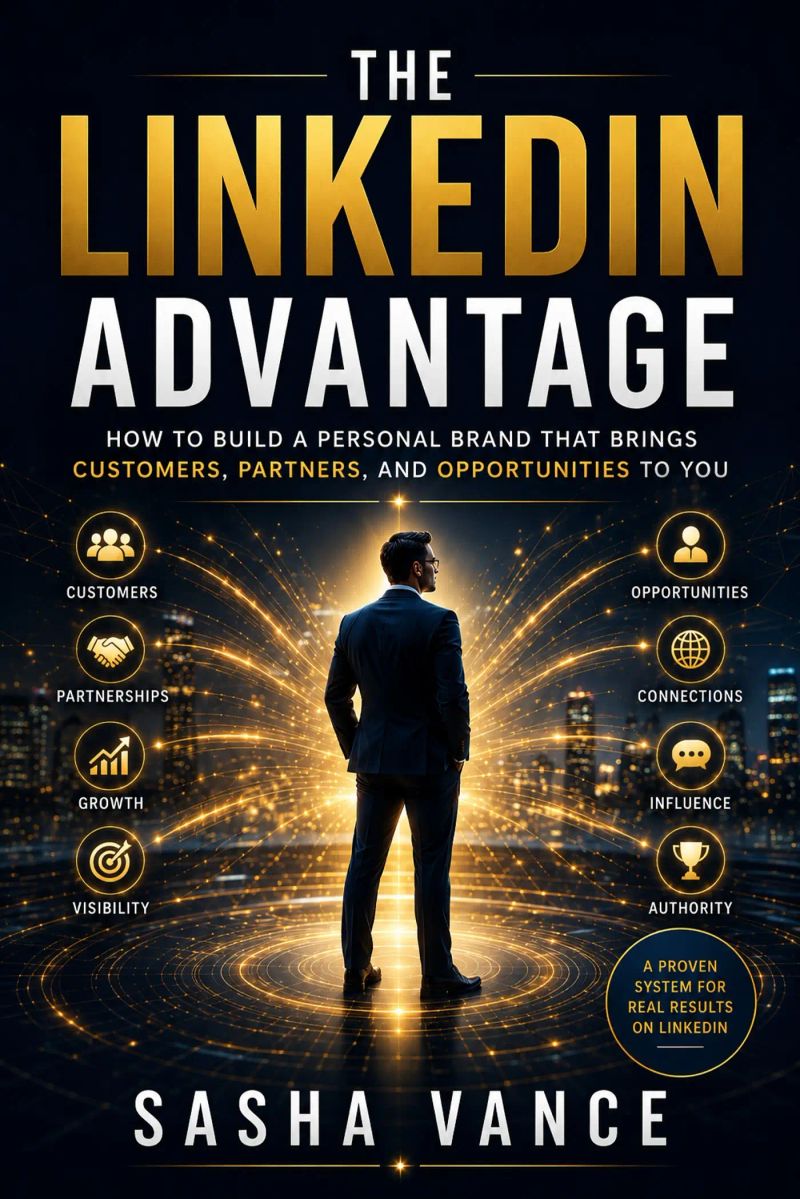
The LinkedIn Advantage
How to Build a Personal Brand That Brings Customers, Partners, and Opportunities to YouBy Sasha Vance


Length8h 14m
About this audiobook
The LinkedIn advantage for consultants and freelancers: how to build a personal brand on LinkedIn, write a profile that does sales work, and turn a small B2B audience into qualified inbound leads and revenue in 2026.
In March 2024 a fractional CFO named Daniel Reyes sent Sasha Vance a one-line message: "I've been posting on LinkedIn for six months and I have nothing to show for it." Two hundred eighty-three followers. Ninety-one posts. Zero qualified leads. Six months later, after he stopped writing for the algorithm, Daniel had closed three engagements worth $186,000 in combined annual contract value — on fewer than half the posts. This is the working manual behind that turnaround.
Written by a consultant who has built businesses on LinkedIn for nine years, this is a LinkedIn marketing book for the professional who has actual work to do. It treats LinkedIn as a sales platform with a content interface bolted on, not a follower-count game. You will learn LinkedIn lead generation that produces traceable outcomes: a discovery call that becomes a contract, a quiet DM from a stranger who has read your stuff for a year. The book covers your profile, headline, and About section, a posting cadence you can sustain for years, comments as a distribution engine, cold DM outreach without being a spammer, and the sales conversation that starts in the DMs.
Inside this LinkedIn marketing and personal branding book:
The profile that sells while you sleep — Turn the storefront (banner, headline, About, Featured) into a quiet salesperson; one 20-minute banner change tripled a client's conversation rate
The headline that earns the click — Four real headlines dissected, and why "Open to Opportunities" and "Founder & CEO of [just you]" quietly cost you $20,000-a-month buyers
An About section that reads like a person wrote it — Open with who you serve, describe the shape of the engagement, and use negative selection instead of AI-generated "ecosystem" filler
The first 200 followers — Two weeks of fifteen to twenty manual, specific connection requests to build a starter audience by name, not engagement pods or follow-back games
Comments as the quiet distribution engine — How borrowed distribution from ten to twenty creators turned one copywriter's inbound from zero to three qualified inquiries a week
DM outreach and the sales conversation — Three to five DMs a week off a named list of fifty buyers, and how to move a promising thread to a discovery call instead of letting it peter out
Measuring what matters and a 30-day starter plan — Track conversation quality, not likes, plus a profile audit checklist, sample posts, and a month-by-month companion for year one
This is not a guide to growing your follower count or becoming a thought leader. It is a LinkedIn for business playbook for the consultant, freelancer, or professional services firm who wants a small, specific audience of people who already half-trust you by the time they reach out. Do the work for six months and the conversations in your inbox get better; do it for three years and you have an asset that produces inbound business for as long as you tend it.
For readers of Wayne Breitbarth's The Power Formula for LinkedIn Success and William Arruda's Own Your Brand on LinkedIn.
Audiobook details
GenreBusiness and Economics
Length8 hrs 14 mins
Narrated byListen with 1,000+ voices
FormateBook with Audio
LanguageEnglish
Table of contents
1Introduction — Why LinkedIn Is the Only Platform Where Business Actually Happens
2Chapter 1 — The LinkedIn Trap: Why Most Professionals Waste Their Time on It
3Chapter 2 — Your Profile as the Quiet Salesperson Working While You Sleep
4Chapter 3 — The Headline That Earns the Click (and the Three That Don’t)
5Chapter 4 — The About Section That Reads Like a Person Wrote It
Show all chaptersShow less
6Chapter 5 — The Posting Cadence That Builds an Audience Without Burning You Out
7Chapter 6 — Five Post Formats That Actually Work in 2026
8Chapter 7 — The First 200 Followers: How to Build a Starter Audience
9Chapter 8 — Writing Posts That Get Read, Shared, and Remembered
10Chapter 9 — Comments as the Quiet Distribution Engine
11Chapter 10 — DM Outreach Without Being a Spammer
12Chapter 11 — The Sales Conversation That Starts in the DMs
13Chapter 12 — Building a Newsletter That Funnels Off the Platform
14Chapter 13 — Using LinkedIn Live, Audio Events, and Articles Strategically
15Chapter 14 — The Three Worst Habits of Bad LinkedIn Creators
16Chapter 15 — Dealing With Trolls, Critics, and the Occasional Public Disagreement
17Chapter 16 — Measuring What Actually Matters (Hint: It’s Not Likes)
18Chapter 17 — Repurposing Your LinkedIn Content Without Sounding Like a Robot
19Chapter 18 — When to Pay for LinkedIn Premium, Sales Navigator, or Recruiter
20Chapter 19 — Building a Content System You Can Sustain for Years
21Chapter 20 — Closing the Loop: Turning Audience Into Pipeline Into Revenue
22Chapter 21 — Case Study: Daniel Reyes, the Fractional CFO Who Stopped Writing for the Algorithm
23Chapter 22 — Case Study: Helena Brandt, the Operations Consultant Who Almost Quit
24Chapter 23 — Case Study: The Three-Person Firm That Wanted to Become Five
25Chapter 24 — Case Study: Tobias Lindqvist and the Year He Posted Almost Nothing
26Chapter 25 — Case Study: Rosa Calderon and the Pivot That Almost Wasn’t
27Chapter 26 — Case Study: Eli Bergmann and the Quiet Years Before the Breakthrough
28Chapter 27 — Case Study: Naomi Iverson and the Industry She Wasn’t From
29Appendix A — The Profile Audit Checklist
30Appendix B — The Fifteen Questions Readers Ask Me Most
31Appendix C — The 30-Day Starter Plan
32Appendix D — Twelve Sample Posts to Study
33Appendix E — Thirty AntiPatterns to Avoid
34Appendix F — A Month-byMonth Companion for Year One
35Appendix G — A Working Glossary
36Appendix H — A Short Reading List
37Appendix I — Eight Sample DM Openers
38Conclusion
39Acknowledgments
40About the Author
More from Sasha Vance
Never Split the DifferenceChris Voss, Tahl Raz8h 7m4.4 (277.7K)$26 · $0.00
The Intelligent Investor Rev Ed.Benjamin Graham17h 48m4.3 (191.5K)$40 · $0.00
The Hard Thing About Hard ThingsBen Horowitz7h 57m4.2 (134.3K)$26 · $0.00
Boundaries for LeadersHenry Cloud7h 36m4.3 (3.6K)$26 · $0.00
The Joys Of CompoundingGautam Baid17h 34m4.5 (2.5K)$18 · $0.00
Basic EconomicsThomas Sowell18h 32m4.5 (29.3K)$28 · $0.00

Poor Charlie’s AlmanackGrover Gardener, Charles T. Munger13h 9m4.5 (24.7K)$18 · $0.00
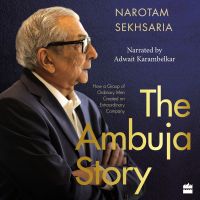
The Ambuja StoryNarotam Sekhsaria13h 59m4.5 (830)$33 · $0.00

The Secret Door to SuccessFlorence Scovel Shinn2h 25m4.5 (2.1K)$1.20 · $0.00

This Is Going to HurtAdam Kay5h 47m4.4 (444.7K)$24 · $0.00

Big TrustShadé Zahrai, Fayçal Sekkouah8h 36m4.6 (406)$26 · $0.00
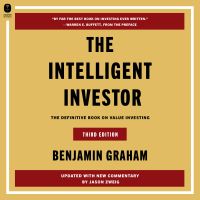
The Intelligent Investor Third EditionBenjamin Graham, Jason Zweig20h4.4 (156.6K)$46 · $0.00

Bottle of LiesKatherine Eban14h 25m4.4 (12K)$33 · $0.00
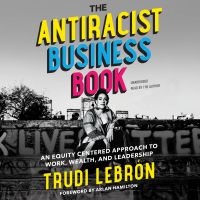
The Antiracist Business BookTrudi Lebrón6h 10m4.6 (275)$17 · $0.00
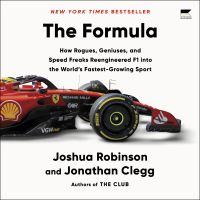
The FormulaJoshua Robinson, Jonathan Clegg10h 41m4.4 (6.9K)$29 · $0.00
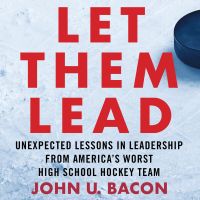
Let Them LeadJohn U. Bacon7h 10m4.5 (1.4K)$24 · $0.00

Secrets of the Millionaire MindT. Harv Eker5h 11m4.4 (301.4K)$24 · $0.00
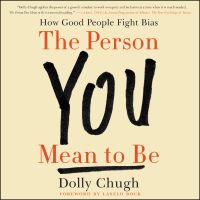
The Person You Mean to BeDolly Chugh9h 6m4.4 (7.2K)$29 · $0.00
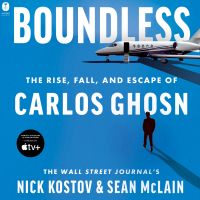
BoundlessNick Kostov, Sean McLain9h 17m4.5 (1.1K)$29 · $0.00
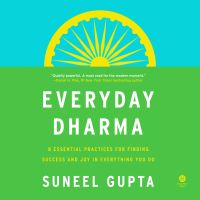
Everyday DharmaSuneel Gupta5h 2m4.5 (761)$20 · $0.00
You may also like
The Art of Money Getting or, Golden Rules for Making MoneyP.T. Barnum1h 17m3.9 (5.9K)$2 · $0.00
How to Speak and Write CorrectlyJoseph Devlin5h 43m3.7 (3.6K)$2 · $0.00
The Elements of Style (Annotated)William Strunk3h 16m4.4 (100.2K)$2 · $0.00
Lord, Teach Us To Pray (Treatise On Prayer)Andrew Murray1h 28m4.4 (3.1K)$2 · $0.00
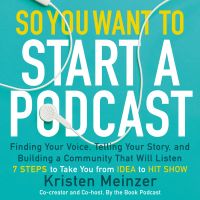
So You Want to Start a PodcastKristen Meinzer4h 57m4.0 (1.6K)$20 · $0.00
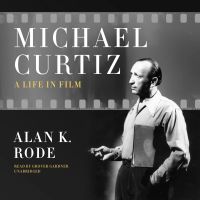
Michael CurtizAlan K. Rode25h 19m4.4 (294)$30
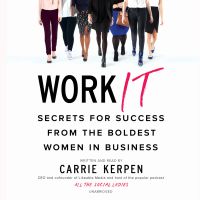
Work ItCarrie Kerpen5h 56m4.1 (408)$20 · $0.00
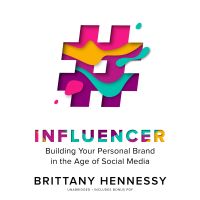
InfluencerBrittany Hennessy4h 31m3.8 (3.6K)$20

Management 101Made for Success8h 4m4.3 (11)$20
Building a Personal Board of AdvisorsAtlAs Pemberton6h 30m$11 · $0.00
Blogging: The Best Little Darn Guide to Starting a Profitable Blog (A Step by Step Guide for How to Start a Money Making Blog and Work From Anywhere)Kevin Blackwelder3h 23m$3.50 · $0.00

Canvas Of LifeSocialuser5m$7 · $0.00
Rembrandt: A short biography5 Minutes, 5 Minute Biographies, George Fritsche6m$1 · $0.00
Verbal Mastery Vocabulary SystemMade for Success7h 23m3.1 (50)$20
James Watt: A short biography5 Minutes, 5 Minute Biographies, George Fritsche5m$1 · $0.00
Kurt Tucholsky: A short biography5 Minutes, 5 Minute Biographies, George Fritsche5m$1 · $0.00
Talks on Writing English. First SeriesArlo Bates6h 31m3.9 (38)$2 · $0.00
Bound by the Bridge KeeperTalia Morvane11h 36m$5
Eft Investing: A Comprehensive Guide to Understanding and Investing in Stable coins (Eft Nlp and Sedona Method Techniques for Anxiety Relief and Confident Presentations)Philip Hutchison1h 53m$3.50 · $0.00

Series 50 Exam Study GuideMarie Peterson8h 46m$10