
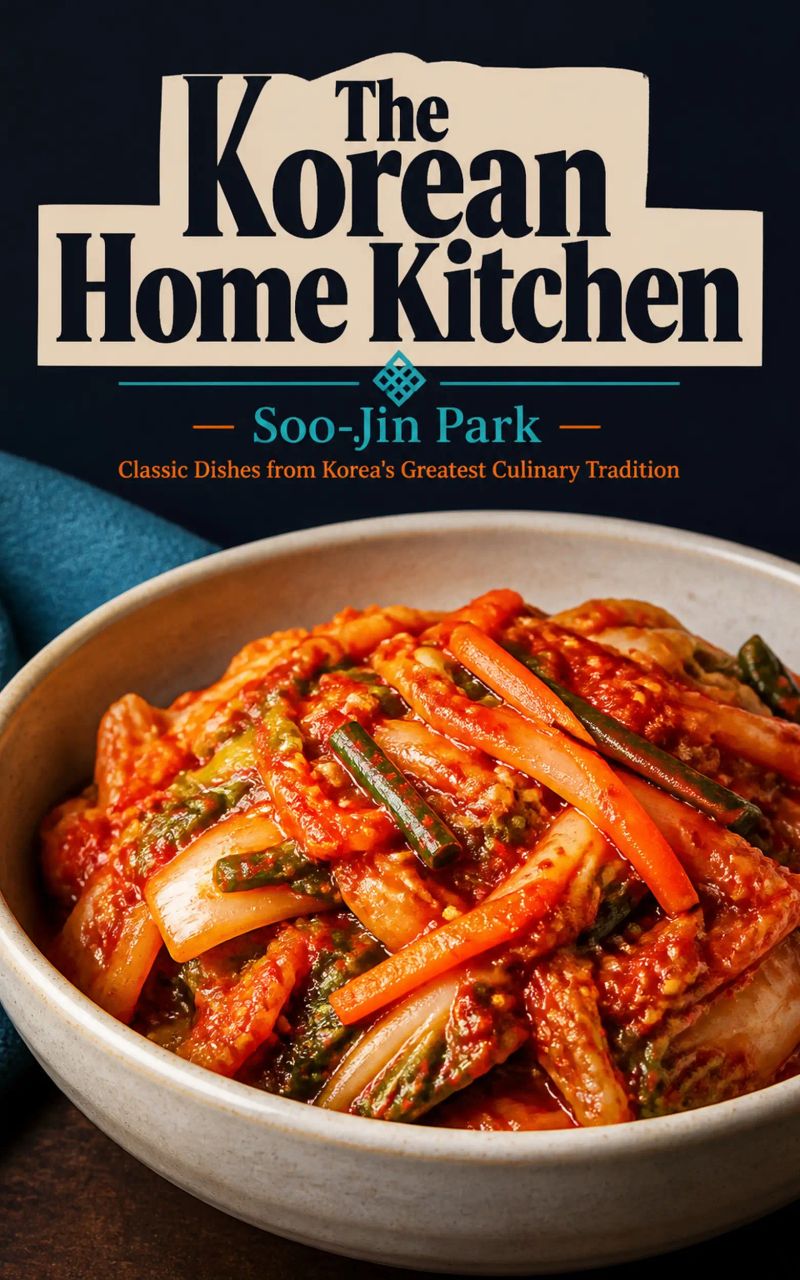
The Korean Home Kitchen
Classic Dishes from Korea's Greatest Culinary TraditionBy Soo-Jin Park


Length4h 20m
About this audiobook
The summer of 2001, a blue Le Creuset pot stained a deeper red each year from the gochujang jjigae bubbling on the stove. But it was the crocks on the balcony that held the real magic.
A dozen kimchi variations. One for each season, she used to say, though summer meant a quick, watery kimchi to be eaten within days.
The process never changes. Salt the cabbage until it bends without breaking. Make the paste. Pack it tight into a jar. Wait.
Do not skip the salting. It is the foundation.
This is a book about the food a Korean household actually eats, written by somebody who learned it standing next to the person making it. It is organised the way a Korean table is organised rather than the way an English-language cookbook usually is.
Banchan, the side dishes at the heart of every meal, come first, because they are what a meal is built from rather than what it is decorated with. Then jjigae and guk — the soups and stews, the gochujang jjigae in that blue pot among them. Then rice, noodles and rice cakes. Then the pancakes, fritters and savoury cakes. Then the grilled and braised dishes: meat, seafood and tofu. And last, kimchi and the other ferments, given a full chapter rather than a sidebar.
Every recipe carries yield, preparation time and cooking time at the top, an ingredient list, a numbered method and a notes section that says what can be substituted and what genuinely cannot.
The notes are where the book earns its keep. They name specific brands where the brand matters and say so when it does not. They tell you where the crunch comes from and which step you are about to rush. They explain that pressing salt flakes between each leaf of a napa cabbage is slow on purpose.
Baechu kimchi makes about a gallon, from one large or two medium cabbages: forty-five minutes of preparation, ten minutes of cooking, two hours of salting and one to two days of fermenting.
For cooks who want Korean home food explained by somebody who still keeps a jar of kkakdugi on the counter and a smaller one of jangajji for when they want something sharp.
Audiobook details
GenreOther
Length4 hrs 20 mins
Narrated byListen with 1,000+ voices
FormateBook with Audio
Publish dateSep 15, 2026
LanguageEnglish
Table of contents
1Dedication
2Introduction
3Before You Start
4Banchan: Side Dishes at the Heart of Every Meal
5Jjigae & Guk: Soups and Stews
Show all chaptersShow less
6Rice, Noodles & Rice Cakes
7Pancakes, Fritters & Savory Cakes
8Grilled & Braised: Meat, Seafood & Tofu
9Kimchi & Ferments
10Conclusion
11The End
12About the Author
13Also by Soo-Jin Park
14Acknowledgements
15A Note from the Author
Mere ChristianityC. S. Lewis7h 7m4.4 (519.7K)$24 · $0.00
Her Daily BreadKate Wood12h 57m4.6 (153)$33 · $0.00
The Holy Bible - 1 SamuelKing James2h 13m4.8 (1.6K)$3 · $0.00

The American Standard Bible — The Gospel of MatthewMatthew3h 56m4.7 (3K)$2 · $0.00

Bad Fat Black GirlSesali Bowen6h 32m4.7 (2.8K)$24 · $0.00

The King James Audio Bible New Testament CompleteChristopher Glyn20h 2m4.7 (2.6K)$12 · $0.00

Faiths CheckbookCharles Spurgeon12h 44m4.7 (3.2K)$11 · $0.00
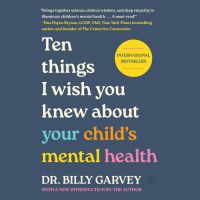
Ten Things I Wish You Knew About Your Child's Mental HealthDr. Billy Garvey4h 53m4.7 (2.4K)$20 · $0.00

Designing Terry Pratchett’s DiscworldPaul Kidby3h 52m4.7 (343)$20 · $0.00
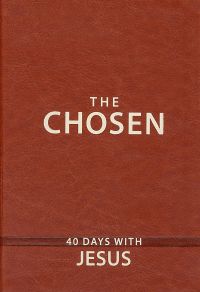
The Chosen Book OneAmanda Jenkins, Kristen Hendricks, Dallas Jenkins3h 8m4.6 (4.9K)$10 · $0.00

The Lives of BrianBrian Johnson9h 45m4.6 (3.5K)$29 · $0.00

Expository Thoughts on the Gospel of LukeJ.C. Ryle27h 13m4.7 (536)$18 · $0.00
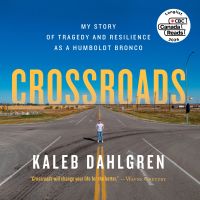
CrossroadsKaleb Dahlgren7h 56m4.6 (4.9K)$26 · $0.00

Across the RiverKent Babb11h 40m4.6 (927)$29 · $0.00

Brain Training for RidersAndrea Monsarrat Waldo5h 56m4.7 (550)$19 · $0.00

My Effin' LifeGeddy Lee17h 11m4.6 (13.1K)$40 · $0.00
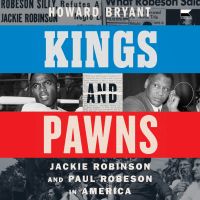
Kings and PawnsHoward Bryant10h 9m4.6 (678)$29 · $0.00

The Elementia Chronicles #2: The New OrderSean Fay Wolfe11h 17m4.6 (841)$29 · $0.00

The ActsLuke2h 55m4.6 (19.7K)$12 · $0.00

New Testament - Easy NavigationWorld English Bible19h 35m4.6 (1.3K)$1.30 · $0.00
You may also like
In a French KitchenSusan Herrmann Loomis8h 57m4.0 (1.1K)$20

The Great EscapeAngus Deaton12h 14m4.0 (3.3K)$20

The International Jewish Cook Book (Annotated)Florence Kreisler Greenbaum14h 41m4.4 (23)$1.99 · $0.00

Learn Spanish for Beginners - Lesson 3Jasmin Voges43m$12 · $0.00

Aunt Caroline's Dixieland RecipesEmma McKinney2h 5m$2.40

Japanese Girls and Women
Revised and Enlarged EditionAlice Mabel Bacon8h 21m4.0 (49)Free

To the American Indian (Annotated)Lucy Thompson8h 10m4.0 (51)$1.99 · $0.00

Baby Milestones- Exploring the Cultural InfluencesAurora Brooks1h 23m$3.50 · $0.00
Why It's Important to Establish Family TraditionsAurora Brooks1h 7m$3.50 · $0.00

Celebrate Chinese FestivalsSuzanne Lauridsen11m$6 · $0.00
Siouan SociologyJames Owen Dorsey1h 44m$2 · $0.00

A Taste of South AfricaNaumann & Göbel Verlag3h 6m4.5 (10)$5 · $0.00

The Sun Dance of the Blackfoot IndiansClark Wissler3h 5m3.8 (14)$1 · $0.00

Aristotle's worksPseud. Aristotle9h 45m3.7 (178)$1 · $0.00

The Aborigines of AustraliaRichard R.N. Sadleir5h 45m$2 · $0.00

Speak Your Mind! 3William Mcpower1h 8m$10 · $0.00
Castes and Tribes of Southern India. Vol. 3 of 7Edgar Thurston16h 53m$2.30

Reminiscences of Scottish Life & CharacterEdward Bannerman Ramsay11h 23m$1 · $0.00
American Cookery: Thanksgiving Menus & Classic RecipesAnonymous1h 37m3.9 (17)$0.99 · $0.00

The Private Life of the RomansHarold Whetstone Johnston9h 37m4.2 (32)$1 · $0.00