


Length4h 33m
About this audiobook
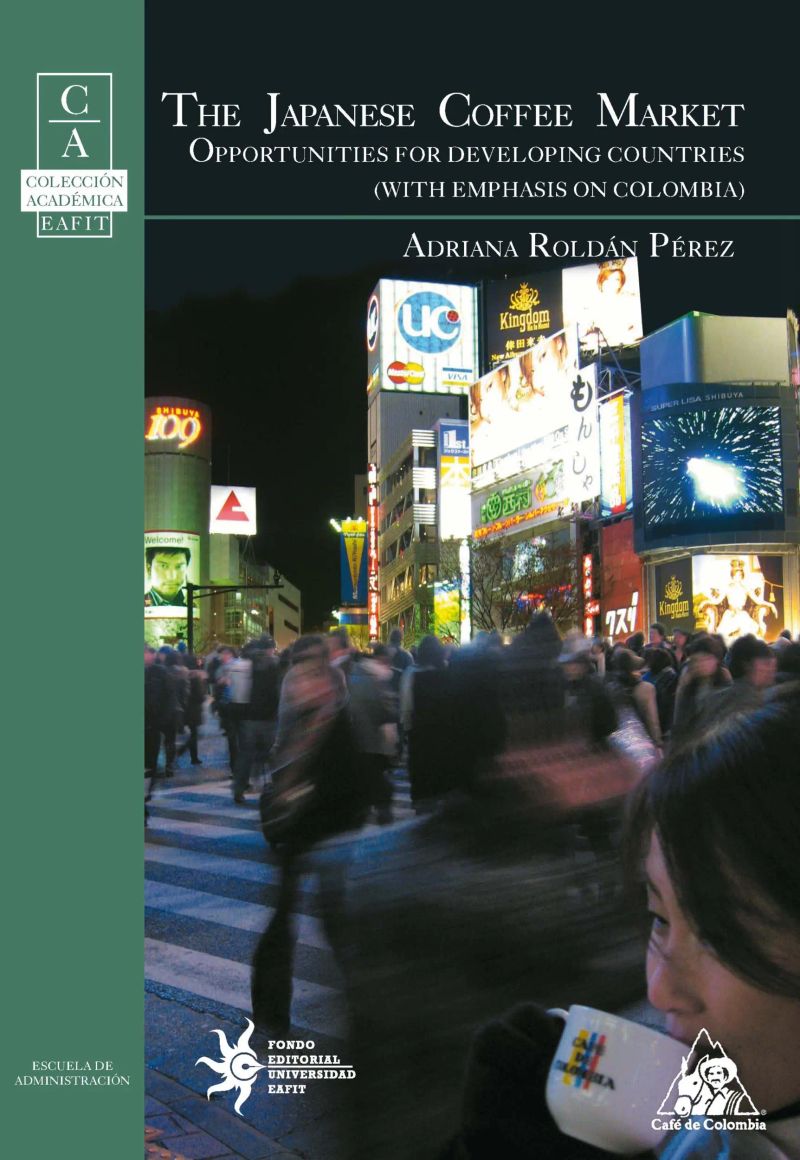
The purpose of this study is to demonstrate that developing countries have been implementing specific strategies to increase their coffee export volume and value to Japan in the last decade. Additionally, it analyzes how the Japanese market is changing the competitive scenario and providing opportunities to the producing countries. Coffee in Japan is mainly supplied by six developing countries; among them, Colombia has special merit because of its solid presence in the Japanese market since 1962, achieved through the National Federation of Coffee Growers of Colombia and the good performance of Colombian coffee in Japan. This country, which was not a traditional coffee consumer, now has become the third largest consumer among importing countries. Furthermore, Japan has positively influenced coffee transformation.
Audiobook details
GenreBusiness and Economics
Length4 hrs 33 mins
Narrated byListen with 1,000+ voices
FormateBook with Audio
Publish dateJan 1, 2008
LanguageEnglish
Table of contents
1ADRIANA ROLDÁN PÉREZ
2ACKNOWLEDGMENTS
3CHAPTER 6. CONCLUSIONS AND
4WEIGHTS, MEASURES AND DEFINITIONS
5ACRONYMS AND ABBREVIATIONS
Show all chaptersShow less
6FOREWORD
7CHAPTER 1. INTRODUCTION
8SECTION 1.2 PREVIOUS RESEARCH
9International Trade Centre, “Coffee an Exporters Guide”, UNCTAD-WTO, 2003. http://www.thecoffeeguide.org.
10SECTION 1.3 RELEVANCE OF THE STUDY AND STRUCTURE
11CHAPTER 2. COFFEE IN JAPAN FROM COLOMBIA AND OTHER DEVELOPING COUNTRIES
12SECTION 2.1 COFFEE IN JAPAN
13SECTION 2.2 COFFEE FROM COLOMBIA AND OTHER DEVELOPING
14COUNTRIES
15SECTION 2.3 METHODOLOGY
16See: appendix 1 Colombia Bilateral trade with Japan.
17CHAPTER 3 OVERVIEW OF COFFEE IN THE
18SECTION 3.1 WORLD COFFEE PRODUCTION
19FIGURE 3 COFFEE PRODUCTION BY REGION 2005/06
20PRODUCTION BY TYPE OF COFFEE
21Ibid, 63.
22STOCKS IN PRODUCING COUNTRIES
23SECTION 3.2 WORLD COFFEE CONSUMPTION
24See: International Trade Centre, “Coffee an Exporters Guide”, UNCTAD-WTO, 2003. http://www.thecoffeeguide.org.
25PER-CAPITA CONSUMPTION
26STOCK IN IMPORTING COUNTRIES
27SECTION 3.3 WORLD COFFEE EXPORTS
28SECTION 3.4 SHARE OF COFFEE IN TOTAL EXPORTS AND REVEALED
29Information from Colombian Administrative Department of National Statistics (DANE). www.dane.gov.co.
30TABLE 8 REVEALED COMPARATIVE ADVANTAGE (RCA) FOR SOME COFFEE EXPORTERS 2001-2005
31SECTION 3.5 THE INTERNATIONAL COFFEE ORGANIZATION
32(ICO) AND COFFEE PRICES
33see: http:// www.ico.org
34See: International Trade Centre, “Coffee an Exporters Guide”, UNCTAD-WTO, 2003. http://www.thecoffeeguide.org.
35Ibid
36CHAPTER 4. ANALYSIS OF JAPANESE
37SECTION 4.1 COFFEE CONSUMPTION TRENDS IN JAPAN
38Data source: AJCA (Kankei Tôkei 2006) Figure by the author
39Japan: –
40FIGURE 10 PERCENTAGE OF FAMILY EXPENSE ON COFFEE AND TEA 1970-2005
41CAFÉ LATTE – CAPPUCCINO – CANNED COFFEE AND OTHER BEVERAGES
42COFFEE PRICES IN JAPAN VS. OTHER COUNTRIES
43See also Appendix 6.
44FIGURE 12 COFFEE CONSUMPTION IN JAPAN PER MARKET SEGMENT 2004
45FIGURE 14 PLACE OF COFFEE CONSUMPTION IN JAPAN 2004
46WAY OF DRINKING
47Ibid: 23.
48SECTION 4.2 THE EXPANSION OF DIFFERENTIATED COFFEES
49GEOGRAPHIC INDICATIONS OF ORIGIN
50SPECIALTY COFFEES

Never Split the DifferenceChris Voss, Tahl Raz8h 7m4.4 (277.7K)$26 · $0.00
The Intelligent Investor Rev Ed.Benjamin Graham17h 48m4.3 (191.5K)$40 · $0.00

The Hard Thing About Hard ThingsBen Horowitz7h 57m4.2 (134.3K)$26 · $0.00

Boundaries for LeadersHenry Cloud7h 36m4.3 (3.6K)$26 · $0.00

Not Everything Counts but Everything Matters: The powerful and inspirational new book about leadership and achieving success from the visionary multi-premiership winning Panthers coachIvan Cleary6h 1m4.6 (680)$24 · $0.00

BuildTony Fadell11h 5m4.5 (14.3K)$8 · $0.00

The Joys Of CompoundingGautam Baid17h 34m4.5 (2.5K)$18 · $0.00
Basic EconomicsThomas Sowell18h 32m4.5 (29.3K)$28 · $0.00

Poor Charlie’s AlmanackGrover Gardener, Charles T. Munger13h 9m4.5 (24.7K)$18 · $0.00
The Ambuja StoryNarotam Sekhsaria13h 59m4.5 (830)$33 · $0.00

The Secret Door to SuccessFlorence Scovel Shinn2h 25m4.5 (2.1K)$1.20 · $0.00

This Is Going to HurtAdam Kay5h 47m4.4 (444.7K)$24 · $0.00

Big TrustShadé Zahrai, Fayçal Sekkouah8h 36m4.6 (406)$26 · $0.00

The Intelligent Investor Third EditionBenjamin Graham, Jason Zweig20h4.4 (156.6K)$46 · $0.00

Bottle of LiesKatherine Eban14h 25m4.4 (12K)$33 · $0.00

The Antiracist Business BookTrudi Lebrón6h 10m4.6 (275)$17 · $0.00

The FormulaJoshua Robinson, Jonathan Clegg10h 41m4.4 (6.9K)$29 · $0.00

Let Them LeadJohn U. Bacon7h 10m4.5 (1.4K)$24 · $0.00

Secrets of the Millionaire MindT. Harv Eker5h 11m4.4 (301.4K)$24 · $0.00

The Person You Mean to BeDolly Chugh9h 6m4.4 (7.2K)$29 · $0.00
You may also like

A Crack in the Edge of the WorldSimon Winchester12h 31m4.0 (10.6K)$33 · $0.00

The Frontier in American HistoryFrederick Jackson Turner11h 38m4.0 (1.4K)Free

A Season on the WindKenn Kaufman8h 40m4.2 (963)$20

The Malay Archipelago (Vol. 1&2) (Annotated)Alfred Russel Wallace25h 28m4.3 (2.2K)$3 · $0.00
SapiensYuval Noah Harari15h 18m4.3 (1.4M) · 1344$33 · $0.00
The Trapper's BibleLivingston, Eustace H18h 52m4.4 (1.2K)Free

The Descent of Man, and Selection in Relation to SexCharles Darwin28h 1m4.1 (6.4K)$1 · $0.00
Lost WorldsPatrick Wyman14h 56m4.3 (104)$33 · $0.00
History of PhoeniciaGeorge Rawlinson17h 40m3.6 (89)$1.99 · $0.00
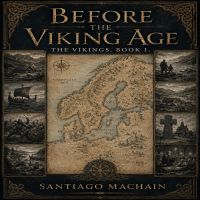
Before the Viking AgeSantiago Machain7h 21m$25 · $0.00
The Imperiled OceanLaura Trethewey7h 19m3.8 (127)$17

The Bark Canoes and Skin Boats of North America (Annotated)Howard Irving Chapelle, Tappan Adney13h 9m4.8 (150)$0.99 · $0.00
A Short History of AfricaRoland Oliver, J. D. Fage9h 29m3.5 (226)$20

The Tonkawa: People Between the Empires of TexasMarcus Calloway4h 31m$6

The Botanist's Bookshelf: 8 Books on Plant IdentificationFrances Theodora Parsons, D. M. Crooks, Leonard Wheeler Kephart, Roy Watling, M. J. Richardson, Robert H. Mohlenbrock, Henry A. Gleason, Wilbur R. Mattoon, C. B. Webster, A. B. Brooks37h 17m$0.99 · $0.00

The Pears of New YorkU. P. Hedrick34h 37m4.6 (11)$1 · $0.00
Fountains in the Sand: Rambles Among the Oases of TunisiaNorman Douglas6h 8m3.5 (87)$2 · $0.00

The Native Races of British North AmericaWilfrid D. Hambly1h 23m$2 · $0.00

Beyond The BrochureCrown Precious8h 24m$9.50 · $0.00

The Tonquin's Wake: Astor's Fur Empire and the Nations of the Lower ColumbiaDaniel R. Whitlock3h 59m$6