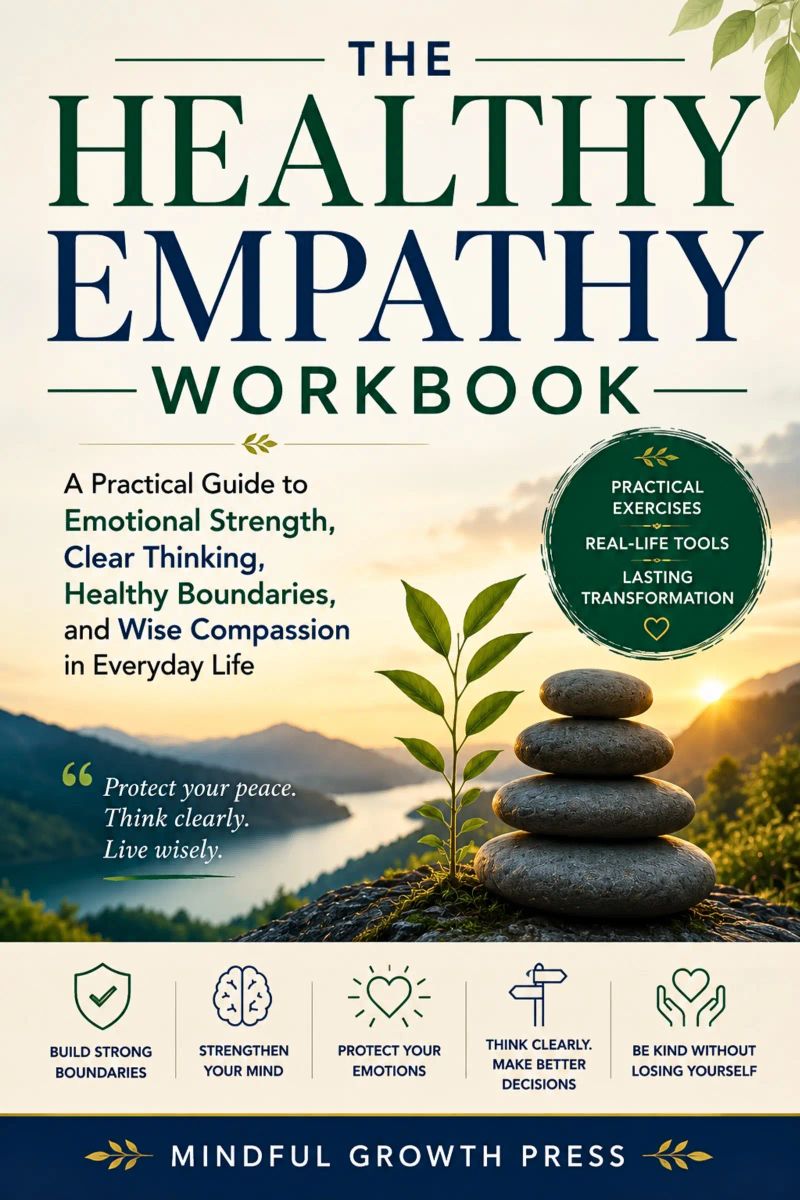
The Healthy Empathy Workbook
A Practical Guide to Emotional Strength, Clear Thinking, Healthy Boundaries, and Wise Compassion in Everyday LifeBy Mindful Growth PressLength7h 11m
About this audiobook
Do you struggle to say no without feeling guilty?
Do you often put other people's needs ahead of your own?
Have you found yourself emotionally drained from constantly helping, fixing, or carrying the burdens of others?
Do you want to be compassionate without sacrificing your peace, energy, and well-being?
If so, this workbook was created for you.
Many caring people fall into patterns of overgiving, people pleasing, emotional exhaustion, and unhealthy relationships. They want to support others, but often lose sight of their own needs, boundaries, and emotional health along the way.
The Healthy Empathy Workbook is a practical, reflection-based guide designed to help you build emotional strength, clear thinking, healthy boundaries, and wise compassion while maintaining kindness and self-respect.
Through guided exercises, reflection prompts, journaling activities, communication scripts, and real-life scenarios, you will learn how to care for others without losing yourself in the process.
Inside This Book, You'll Discover
- How to recognize unhealthy helping patterns
- The difference between caring and carrying
- Practical strategies for setting healthy boundaries
- How to say no without guilt
- Tools for building emotional resilience and emotional strength
- Techniques for improving emotional intelligence and self-awareness
- How to recognize emotional manipulation and unhealthy relationship patterns
- Communication skills for difficult conversations
- Real-life scenarios, reflection exercises, and workbook activities
- Daily habits that support emotional balance and personal growth
This Workbook Is Ideal For
- People seeking people pleasing recovery
- Readers interested in emotional intelligence exercises
- Individuals learning to establish relationship boundaries
- Anyone seeking emotional resilience and personal growth
- Readers looking for practical psychology tools for everyday life
- Those who want healthier relationships without emotional burnout
As you work through these pages, you will develop stronger boundaries, greater emotional awareness, healthier relationship habits, improved decision-making skills, and more confidence in handling emotional pressure.
You do not have to choose between kindness and boundaries.
You can care deeply, protect your peace, and build a healthier, more balanced life.
Start your journey toward healthy empathy, emotional strength, and wise compassion today.
Audiobook details
GenreSelf-Help
Length7 hrs 11 mins
Narrated byListen with 1,000+ voices
FormateBook with Audio
LanguageEnglish
Table of contents
1Introduction
376Emotionally Strong People Still Feel Deeply
2A Practical Guide to Emotional Strength, Clear Thinking, Healthy Boundaries, and Wise Compassion in Everyday Life
377Suppressing Emotions Is Not Strength
3Introduction
378Emotional Awareness Creates Real Strength
4Empathy Is Not the Problem
379Strength Includes Emotional Balance
5Chapter 1
380You Do Not Need to Become Hard to Become Strong
Show all chaptersShow less
6When Kindness Starts Hurting You
381Real-Life Example
7What Healthy Empathy Looks Like
382Learning to Handle Discomfort
8Signs of Healthy Empathy
383Modern Life Encourages Constant Comfort
9Emotional awareness
384Growth Often Feels Uncomfortable
10Respect for boundaries
385Emotional Avoidance Creates Long-Term Problems
11Honest support
386Small Discomfort Builds Strength
12Emotional balance
387The Difference Between Pain and Panic
13Clear thinking
388Real-Life Example
14The Problem With Being “Too Nice”: Example
389Delayed Gratification and Discipline
15The Difference Between Caring and Carrying
390What Delayed Gratification Means
16Caring Looks Like This
391Emotionally Reactive People Often Seek Immediate Relief
17Carrying Looks Like This
392Discipline Creates Emotional Stability
18Why Some People Carry Others
393Emotional Strength Requires Practice
19Childhood Conditioning
394Discipline Builds Self-Respect
20Fear of Conflict
395Short-Term Comfort Often Creates Long-Term Problems
21Desire for Approval
396Real-Life Example
22Fear of Being Seen as Selfish
397Resilience During Hard Times
23Reflection Moment
398Resilient People Still Struggle
24Why Some People Feel Guilty Saying No
399Hard Times Reveal Emotional Habits
25“Good People Always Help”
400Healthy Resilience Includes Support
26Fear of Rejection
401Emotional Recovery Takes Time
27Guilt From Past Experiences
402Resilience Grows Through Experience
28Wanting to Avoid Conflict
403Hope Matters During Hard Times
29The Truth About Saying No
404Real-Life Example
30Simple Boundary Statements
405Emotional Control in Stressful Moments
31How Overhelping Drains Your Energy
406Emotional Control Is Not Emotional Suppression
32Signs You May Be Overhelping
407Stress Reduces Clear Thinking
33Emotional Burnout Is Real
408The Pause Creates Stability
34The Danger of Constant Availability
409Calmness Protects Relationships
35You Cannot Pour From an Empty Cup
410Your Body Affects Your Emotions
36The Difference Between Support and Rescue
411Grounding Techniques Help During Stress
37The Cost of Ignoring Your Own Needs
412Real-Life Example
38Ignoring Yourself Comes With a Cost
413Emotional Strength Is Built Daily
39Self-Neglect Often Looks “Responsible”
414Exercises
40Your Needs Matter Too
415Exercise 1
41Learning to Check In With Yourself
416Exercise 2
42Real-Life Example
417Exercise 3
43You Are Allowed to Protect Your Peace
418Reflection Prompt
44Practical Signs of Healthy Kindness
419“How do I react when life becomes uncomfortable?”
45Exercises
420End-of-Chapter Takeaway
46Exercise 1
421Chapter 11
47Exercise 2
422Healthy Empathy in Relationships
48Exercise 3
423Loving Without Losing Yourself
49Reflection Prompt: “Do I help people from love, fear, guilt, or pressure?”
424Love Should Not Erase You
50End-of-Chapter Takeaway
425Why People Lose Themselves in Relationships
51Chapter 2
426Overgiving Creates Imbalance
52Understanding Emotional Manipulation
427Loving Someone Does Not Mean Losing Boundaries
53The Difference Between Request and Pressure: You feel guilty for having normal needs
428Real-Life Example
54Why Some People Use Victimhood to Avoid Responsibility
429Codependency and Emotional Exhaustion
55What Victimhood Avoidance Can Look Like
430Signs of Codependent Patterns
56The Comfort of Avoiding Responsibility
431Why Codependency Develops
57Compassion Should Not Remove Accountability
432Emotional Exhaustion Happens Slowly
58The Difference Between Support and Enabling
433You Cannot Be Someone Else’s Entire Emotional Foundation
59Real-Life Example
434Emotional Dependence Weakens Both People
60The Fear of Looking Mean
435Real-Life Example
61Why Approval Can Become Addictive
436Healthy Communication
62Nice Is Not the Same as Healthy
437Healthy Communication Requires Honesty
63Why Boundaries Often Feel Uncomfortable at First
438Healthy Communication Includes Listening
64You Are Not Responsible for Everyone’s Reactions
439Clear Communication Reduces Emotional Confusion
65Learning to Pause Before Reacting
440Emotional Reactivity Damages Communication
66Why the Pause Matters
441Calm Conversations Create Healthier Relationships
67What a Healthy Pause Sounds Like
442Real-Life Example
68Questions to Ask Before Saying Yes
443Respecting Mutual Responsibility
69Emotional Awareness Changes Everything
444Mutual Responsibility Means Shared Effort
70Real-Life Scenario
445One-Sided Relationships Become Draining
71Exercises
446Healthy Relationships Require Accountability From Both People
72Exercise 1
447You Are Not Responsible for Fixing Everyone
73Exercise 2
448Mutual Respect Protects Emotional Health
74Exercise 3
449Real-Life Example
75Reflection Prompt: “What emotions make me easiest to control?”
450Choosing Emotionally Healthy Relationships
76End-of-Chapter Takeaway
451Emotionally Healthy People Respect Boundaries
77Chapter 3
452Healthy Relationships Feel Safe
78The Power of Boundaries
453Red Flags Matter
79What Healthy Boundaries Do
454You Cannot Build Healthy Relationships Without Self-Respect
80Boundaries Teach People How to Treat You
455Peace Matters More Than Emotional Drama
81Healthy Relationships Respect Limits
456Real-Life Example
82Real-Life Example
457Healthy Empathy Requires Balance
83Healthy Limits Are Not Cruel
458Exercises
84Boundaries Protect Both People
459Exercise 1
85Saying No Is Not an Attack
460Exercise 2
86Why Some People React Badly to Boundaries
461Exercise 3
87Kindness Without Limits Often Leads to Burnout
462Reflection Prompt
88Boundaries Are a Form of Self-Respect
463“Which relationships leave me emotionally drained?”
89Common Boundary Mistakes
464End-of-Chapter Takeaway
90Overexplaining
465Chapter 12
91Inconsistent Boundaries
466Raising Strong and Responsible Children
92Waiting Until You Explode
467Why Children Need Structure
93Feeling Responsible for Other People’s Emotions
468Structure Creates Stability
94Making Boundaries Sound Like Punishment
469Boundaries Help Children Feel Secure
95How to Say No Without Explaining Too Much
470Discipline Is Not the Same as Harshness
96Short Boundary Responses
471Children Need Guidance More Than Constant Comfort
97Why Long Explanations Create Problems
472Overpermissive Parenting Creates Problems
98Silence Is Sometimes Necessary
473Real-Life Example
99You Can Be Kind and Firm at the Same Time
474Teaching Accountability Early
100Protecting Your Peace Without Feeling Guilty
475Accountability Builds Confidence
101Your Peace Matters
476Children Need Age-Appropriate Responsibility
102What Happens When You Ignore Your Peace
477Avoiding Accountability Weakens Growth
103Peace Requires Protection
478Accountability Teaches Cause and Effect
104The Difference Between Guilt and Wrongdoing
479Healthy Accountability Includes Calm Correction
105Learning to Tolerate Temporary Discomfort
480Mistakes Are Teaching Opportunities
106Real-Life Example
481Real-Life Example
107Boundaries Reveal Relationship Patterns
482The Problem With Overprotection
108You Do Not Need to Be Available All the Time
483Children Need Opportunities to Struggle
109Building Boundary Confidence
484Overprotection Creates Fear of Discomfort
110Exercises
485Constant Rescue Weakens Independence
111Exercise 1
486Discomfort Is Part of Healthy Growth
112Exercise 2
487Emotional Protection Is Different From Overprotection
113Exercise 3
488Real-Life Example
114Reflection Prompt: “What happens in my life when I avoid setting limits?”
489Helping Children Build Resilience
115End-of-Chapter Takeaway
490Resilient Children Learn to Recover
116Chapter 4
491Emotional Strength Develops Through Practice
117Compassion Without Losing Yourself
492Praise Effort, Not Just Outcomes
118Helping Without Becoming Responsible for Everyone
493Children Need Space to Try
119Compassion Does Not Mean Ownership
494Emotional Coaching Matters
120The Weight of Emotional Overresponsibility
495Resilience Requires Patience
121You Are Not Meant to Carry Everyone
496Real-Life Example
122Real-Life Example
497Balancing Love and Discipline
123The Difference Between Support and Rescue
498Love Without Structure Creates Instability
124What Healthy Support Looks Like
499Discipline Without Love Creates Fear
125What Rescue Looks Like
500Healthy Parenting Includes Both Warmth and Guidance
126Why Rescue Can Feel Addictive
501Children Learn More From Example Than Lectures
127The Problem With Constant Rescue
502Calm Leadership Matters
128Knowing When to Step Back
503Consistency Builds Trust
129Signs You May Need to Step Back
504Real-Life Example
130Stepping Back Does Not Mean You Do Not Care
505Preparing Children for Real Life
131The Difference Between Presence and Overinvolvement
506Children Need Emotional Skills for Adulthood
132Real-Life Example
507Comfort Should Not Become the Main Goal
133Why Saving People Can Become Unhealthy
508Strong Children Are Built Through Balanced Parenting
134The Savior Role Becomes Heavy
509Exercises
135Some People Do Not Want Change
510Exercise 1
136Compassion Without Wisdom Becomes Harmful
511Exercise 2
137Healthy Compassion Includes Truth
512Exercise 3
138Learning Emotional Balance
513Reflection Prompt
139What Emotional Balance Looks Like
514“Am I preparing children for life or protecting them from life?”
140You Matter Too
515End-of-Chapter Takeaway
141Learning to Check Your Motives
516Chapter 13
142Emotional Balance Requires Rest
517Making Wise Decisions Under Emotion
143You Are Allowed to Let Adults Be Responsible for Themselves
518Why Strong Emotions Distort Judgment
144Real-Life Scenario
519Emotional Intensity Reduces Clear Thinking
145Exercises
520Anger Changes Perspective
146Exercise 1
521Fear Also Distorts Thinking
147Exercise 2
522Loneliness Can Influence Poor Decisions
148Exercise 3
523Excitement Can Also Create Bad Decisions
149Reflection Prompt
524Emotional Decisions Often Focus on Immediate Relief
150“Am I helping people grow or helping them stay dependent?”
525Real-Life Example
151End-of-Chapter Takeaway
526Slowing Down Before Big Decisions
152Chapter 5
527The Pause Creates Clarity
153Truth Matters More Than Feelings
528Immediate Decisions Are Often Emotional Decisions
154Why Feelings Alone Cannot Guide Every Decision
529You Do Not Need Immediate Answers for Everything
155Emotions Change Quickly
530Slowing Down Prevents Emotional Damage
156Emotional Thinking vs Clear Thinking
531Questions to Ask Before Acting
157Feelings Are Real but Not Always Reliable
532Wise People Create Thinking Space
158The Danger of Emotion-Driven Decisions
533Real-Life Example
159Real-Life Example
534Logic and Emotion Working Together
160The Importance of Facts and Reality
535Emotion Without Logic Creates Impulsiveness
161Why Reality Matters
536Logic Without Emotion Creates Disconnection
162Separating Facts From Stories
537Emotions Provide Information
163Questions That Bring You Back to Reality
538Logic Helps Test Emotional Reactions
164Reality Helps Relationships Stay Healthy
539Balanced Decision-Making Creates Stability
165The Difference Between Validation and Agreement
540Wise Decisions Often Feel Less Dramatic
166Emotional Reactions vs Rational Thinking
541Real-Life Example
167What Emotional Reactivity Looks Like
542Decision-Making Questions That Help
168Rational Thinking Creates Space
543Questions Create Emotional Distance
169Learning to Slow Down
544Helpful Decision Questions
170Real-Life Example
545Long-Term Thinking Matters
171Emotional Maturity Means Handling Discomfort
546Trusted Advice Can Help
172Staying Honest in Difficult Conversations
547Emotional Awareness Protects Decisions
173Why People Avoid Honest Conversations
548Real-Life Example
174Honesty Does Not Require Cruelty
549Avoiding Regret-Based Choices
175Honest Conversations Build Trust
550Temporary Emotions Can Create Permanent Consequences
176Avoiding Truth Creates Internal Stress
551Emotional Relief Is Not Always Wisdom
177Truth Often Creates Freedom
552Regret Often Comes From Lack of Pause
178Learning to Disagree Calmly
553Learn to Separate Urgency From Importance
179Disagreement Does Not Always Mean Disrespect
554Emotional Healing Improves Decision-Making
180Why Calm Disagreement Matters
555Real-Life Example
181Signs of Emotionally Healthy Disagreement
556Wise Decisions Protect Future Peace
182The Need to “Win” Every Argument
557Emotional Maturity Includes Patience
183You Do Not Need to Match Emotional Energy
558Exercises
184Practical Calm Responses
559Exercise 1
185Real-Life Example
560Exercise 2
186You Cannot Control Other People’s Emotions
561Exercise 3
187Exercises
562Reflection Prompt
188Exercise 1
563“What emotions most often control my decisions?”
189Exercise 2
564End-of-Chapter Takeaway
190Exercise 3
565Chapter 14
191Reflection Prompt
566Creating a Balanced Life
192“Do I avoid truth to keep people comfortable?”
567Caring for Others While Caring for Yourself
193End-of-Chapter Takeaway
568Self-Neglect Often Looks Like Kindness
194Chapter 6
569Caring for Yourself Is Not Selfish
195The Fear of Being Called Harsh
570You Cannot Pour From an Empty Place
196Why Many People Stay Silent
571Balance Protects Relationships
197The Emotional Cost of Staying Quiet
572Your Needs Matter Too
198Silence Can Create Dishonest Relationships
573Real-Life Example
199Why Silence Feels Safer
574Mental and Emotional Balance
200Fear of Reactions Keeps People Trapped
575Emotional Overload Happens Gradually
201Real-Life Example
576Signs of Emotional Imbalance
202The Need for Approval
577Emotional Balance Requires Awareness
203Why Approval Feels So Powerful
578Mental Peace Needs Protection
204People-Pleasing Often Comes From Fear
579Constant Emotional Stimulation Creates Fatigue
205Approval-Seeking Creates Emotional Exhaustion
580Emotional Balance Includes Healthy Boundaries
206Not Everyone Will Approve of You
581Real-Life Example
207Healthy People Can Handle Disagreement
582Protecting Your Time and Energy
208Fear of Conflict
583Every Yes Costs Something
209Why Conflict Feels So Uncomfortable
584Overcommitted People Often Feel Emotionally Trapped
210Avoiding Conflict Does Not Always Protect Peace
585Protecting Time Is Part of Emotional Health
211Conflict Can Actually Improve Relationships
586Energy Matters as Much as Time
212The Goal Is Calm Communication, Not Emotional War
587You Are Allowed to Be Selective
213Learning to Tolerate Temporary Discomfort
588Rested People Often Think More Clearly
214Learning to Speak Clearly and Kindly
589Real-Life Example
215Clear Communication Prevents Confusion
590Learning Rest Without Guilt
216Kindness and Honesty Can Exist Together
591Rest Is Not Weakness
217Softness Is Not the Same as Dishonesty
592Productivity Addiction Creates Imbalance
218Tone Matters
593Rest Helps Emotional Recovery
219Direct Communication Reduces Emotional Guessing
594Quiet Time Matters
220Real-Life Example
595You Do Not Need to Earn Basic Rest
221Confidence Without Aggression
596Healthy Rest Is Intentional
222Passive, Aggressive, and Assertive Communication
597Rest and Laziness Are Not the Same Thing
223Passive Communication
598Real-Life Example
224Aggressive Communication
599Building a Stable Inner Life
225Assertive Communication
600A Stable Inner Life Creates Emotional Grounding
226Assertiveness Is Not Rudeness
601Inner Stability Requires Self-Awareness
227Calmness Has Strength
602Your Inner Life Affects Everything Else
228You Do Not Need to Defend Every Boundary
603Healthy Habits Strengthen Inner Stability
229Real-Life Example
604Comparison Destroys Balance
230Emotional Growth Requires Practice
605Inner Stability Requires Emotional Honesty
231Exercises
606Peace Grows Through Consistency
232Exercise 1
607Real-Life Example
233Exercise 2
608Balanced Living Requires Ongoing Adjustment
234Exercise 3
609Exercises
235Reflection Prompt
610Exercise 1
236“What labels am I afraid people will give me?”
611Exercise 2
237End-of-Chapter Takeaway
612Exercise 3
238Chapter 7
613Reflection Prompt
239Personal Responsibility and Accountability
614“What areas of my life are out of balance?”
240Why Accountability Builds Strong People
615End-of-Chapter Takeaway
241Accountability Creates Growth
616Chapter 15
242Emotionally Mature People Accept Responsibility
617Practicing Healthy Empathy Every Day
243Accountability Builds Trust
618Daily Habits for Clear Thinking
244Personal Responsibility Increases Confidence
619Mental Clarity Requires Intentional Habits
245Accountability Helps People Become More Reliable
620Start the Day Calmly
246Real-Life Example
621Slow Down Emotional Reactions
247The Problem With Excuse Culture
622Reduce Constant Mental Noise
248What Excuse Culture Looks Like
623Write Things Down
249Why People Make Excuses
624Protect Your Mind Carefully
250Excuses Prevent Growth
625Real-Life Example
251The Difference Between Explanation and Excuse
626Learning Wise Compassion
252Responsibility Creates Freedom
627Wise Compassion Includes Boundaries
253Blame Feels Easier at First
628Wisdom Protects Compassion From Becoming Harmful
254Real-Life Example
629Compassion Does Not Mean Agreement With Everything
255Taking Ownership of Choices
630Daily Compassion Requires Emotional Awareness
256What Ownership Looks Like
631You Cannot Save Everyone
257Avoiding Responsibility Creates Emotional Weakness
632Healthy Compassion Includes Self-Respect
258Your Choices Shape Your Life
633Real-Life Example
259Ownership Requires Self-Honesty
634Staying Kind Without Being Controlled
260Growth Often Begins With Discomfort
635Kindness Does Not Require Self-Abandonment
261Helping Others Without Removing Consequences
636Guilt Should Not Control Your Life
262Consequences Teach Lessons
637Emotional Manipulation Loses Power When You Recognize It
263Protecting People From Every Consequence Creates Dependence
638Kindness Without Wisdom Leads to Burnout
264Compassion and Accountability Can Exist Together
639Calm Firmness Is Healthy
265The Difference Between Helping and Enabling
640Not Everyone Will Like Your Boundaries
266Real-Life Example
641Real-Life Example
267Learning to Let Adults Face Their Own Choices
642Protecting Peace and Purpose
268Emotional Growth Requires Accountability
643Peace Requires Protection
269Learning From Mistakes
644Purpose Creates Direction
270Mistakes Can Become Teachers
645A Meaningful Life Requires Intentional Choices
271Pride Blocks Learning
646Protect Your Attention
272Healthy People Reflect Honestly
647Inner Peace Matters More Than Constant Approval
273Failure Does Not Define You
648Living Intentionally Reduces Emotional Chaos
274Accountability Without Self-Hatred
649Real-Life Example
275Real-Life Example
650Living With Strength and Humanity
276Accountability Builds Emotional Strength
651Strength and Compassion Can Exist Together
277You Cannot Change What You Refuse to Face
652Humanity Requires Compassion
278Exercises
653Strength Requires Wisdom
279Exercise 1
654Emotional Maturity Is a Lifelong Process
280Exercise
655Small Daily Choices Shape Character
281Exercise 3
656Healthy Empathy Creates Balanced Living
282Reflection Prompt
657Real-Life Example
283“What responsibility have I been avoiding?”
658Exercises
284End-of-Chapter Takeaway
659Exercise 1
285Chapter 8
660Exercise 2
286Recognizing Toxic Compassion
661Exercise 3
287When Good Intentions Cause Harm
662Exercise 4
288Kindness Without Wisdom Can Become Harmful
663Reflection Prompt
289Protecting People From Growth
664“What kind of person do I want to become from this point forward?”
290The Difference Between Relief and Healing
665End-of-Chapter Takeaway
291Some Help Creates Dependence
666BONUSES
292Real-Life Example
667Healthy Empathy in Real Life
293Enabling Destructive Behavior
668Scenario 1
294What Enabling Looks Like
669A Manipulative Friend
295Why People Enable Others
670What Is Happening Here?
296Enabling Often Comes From Emotional Discomfort
671What Emotions Are Involved?
297Compassion Should Not Protect Destruction
672What Would Healthy Empathy Look Like Here?
298Enabling Creates Emotional Exhaustion
673Reflection Questions
299Real-Life Example
674Scenario 2
300The Danger of Constant Excuses
675A Guilt-Based Family Member
301Understanding Pain Is Not the Same as Excusing Harm
676What Is Happening Here?
302Constant Excuses Prevent Accountability
677What Emotions Are Involved?
303Some People Use Sympathy to Avoid Responsibility
678What Would Healthy Empathy Look Like Here?
304Compassion Without Boundaries Creates Burnout
679Reflection Questions
305The Difference Between Understanding and Excusing
680Scenario 3
306Why Some People Refuse to Change
681A Toxic Workplace Situation
307Change Requires Effort
682What Is Happening Here?
308Comfort Can Become a Trap
683What Emotions Are Involved?
309You Cannot Force Growth
684What Would Healthy Empathy Look Like Here?
310Some People Prefer Victimhood Over Responsibility
685Reflection Questions
311Real-Life Example
686Scenario 4
312Compassion With Wisdom
687Social Pressure Online
313Wise Compassion Understands Limits
688What Is Happening Here?
314Compassion Does Not Mean Unlimited Tolerance
689What Emotions Are Involved?
315Wisdom Asks Important Questions
690What Would Healthy Empathy Look Like Here?
316Healthy Compassion Encourages Growth
691Reflection Questions
317You Can Be Compassionate Without Becoming Naive
692Scenario 5
318Real-Life Example
693Helping Someone Who Refuses Responsibility
319Healthy Compassion Protects Everyone
694What Is Happening Here?
320Exercises
695What Emotions Are Involved?
321Exercise 1
696What Would Healthy Empathy Look Like Here?
322Exercise 2
697Reflection Questions
323Exercise 3
698Final Reflection
324Reflection Prompt
699Healthy Boundary Scripts
325“Who benefits when I ignore bad behavior?”
700Scripts for Saying No: Simple and Respectful No Responses
326End-of-Chapter Takeaway
701When Someone Pressures You After You Already Said No
327Chapter 9
702Scripts for Emotional Manipulation: Examples
328Social Pressure and Group Thinking
703Scripts for Family Pressure: Examples
329Why People Follow Crowds
704Scripts for Friendships: Examples
330The Desire to Belong
705Scripts for Work and Professional Situations: Examples
331Group Thinking Creates Emotional Safety
706Scripts for Disagreement: Examples
332Crowds Can Influence Behavior Quickly
707Scripts for Protecting Emotional Peace: Examples
333Why Emotional Pressure Works
708Scripts for Avoiding Overexplaining: Examples
334The Danger of Blind Agreement
709Scripts for Helping Without Enabling: Examples
335Real-Life Example
710Scripts for Protecting Time and Energy: Examples
336The Fear of Standing Alone
711Scripts for Difficult Conversations: Examples
337Why Standing Alone Feels Uncomfortable
712Boundary Reminders
338Some People Silence Themselves Completely
713Practice Exercise
339Emotional Courage Matters
714Personal Boundary Practice
340You Do Not Need Group Approval to Think Clearly
715Final Reflection
341The Cost of Constant Approval-Seeking
71630 Days of Healthy Empathy Practice
342Real-Life Example
717How to Use This Journal
343Online Outrage and Emotional Pressure
718Day 1
344Why Online Spaces Become Emotionally Intense
719Day 2
345Public Approval Becomes Addictive
720Day 3
346Outrage Spreads Quickly
721Day 4
347Emotional Reactions Often Replace Careful Thinking
722Day 5
348Many People Fear Public Judgment
723Day 6
349Emotional Crowds Are Not Always Wise
724Day 7
350Learning to Pause Before Joining Outrage
725Day 8
351Real-Life Example
726Day 9
352Learning Independent Thinking
727Day 10
353Independent Thinkers Ask Questions
728Day 11
354Emotional Maturity Helps Independent Thinking
729Day 12
355Independent Thinking Requires Self-Awareness
730Day 13
356It Is Healthy to Reevaluate Beliefs
731Day 14
357Independent Thinking Does Not Require Arrogance
732Day 15
358You Are Allowed to Think Carefully
733Day 16
359Staying Grounded During Social Pressure
734Day 17
360Emotional Grounding Requires Inner Stability
735Day 18
361Practical Ways to Stay Grounded
736Day 19
362Learn to Tolerate Disagreement
737Day 20
363Protect Your Mind From Constant Emotional Noise
738Day 21
364Real-Life Example
739Day 22
365Independent Thinking Protects Emotional Freedom
740Day 23
366Exercises
741Day 24
367Exercise 1
742Day 25
368Exercise 2
743Day 26
369Exercise 3
744Day 27
370Reflection Prompt
745Day 28
371“Would I still believe this if nobody approved of it?”
746Day 29
372End-of-Chapter Takeaway
747Day 30
373Chapter 10
748Final Reflection Pages
374Building Emotional Strength
749Closing Encouragement
375Emotional Strength Is Not Coldness