
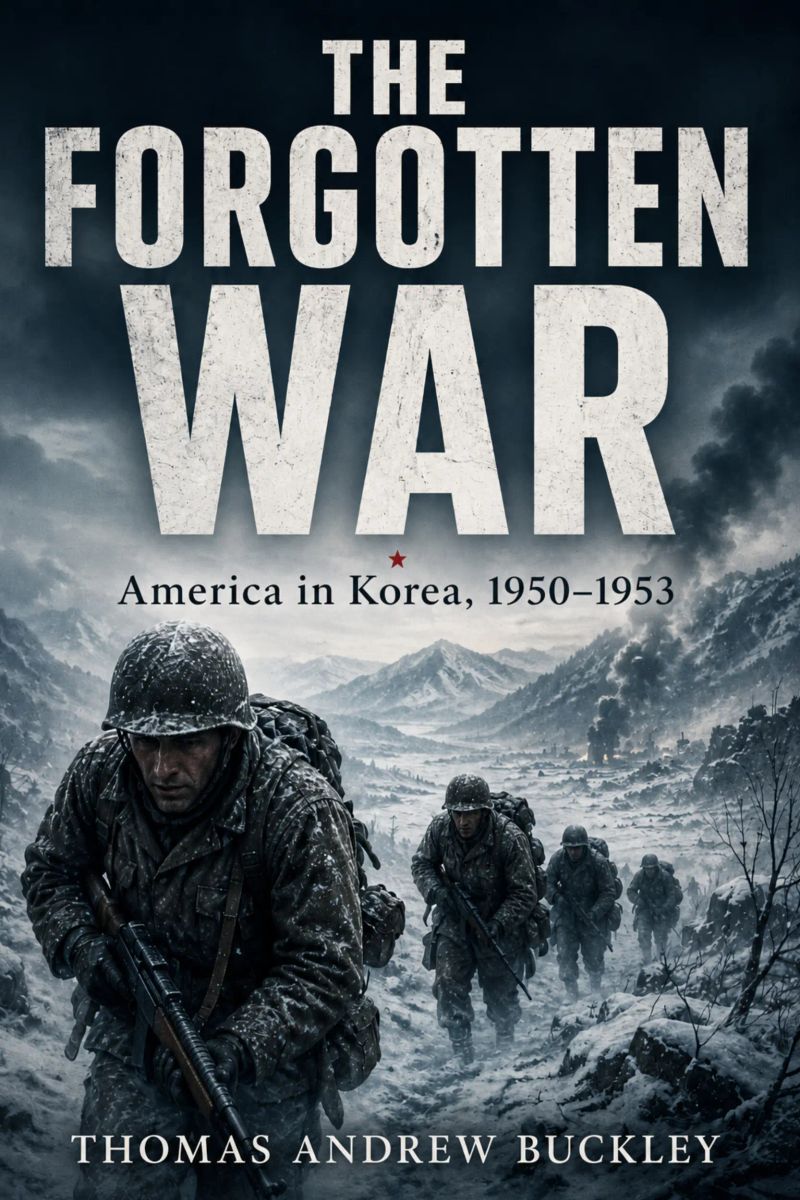
The Forgotten War
America in Korea, 1950-1953By Thomas Andrew Buckley


Length5h 52m
About this audiobook
Truman called it a police action. The phrase infuriated every soldier who fought it — and the 36,500 Americans who didn't come home. The Korean War was America's first limited conflict of the nuclear age, fought not for unconditional surrender but to restore a line on a map that two Army colonels had drawn in thirty minutes using a National Geographic atlas.
Thomas Andrew Buckley traces the full arc across twenty-four chapters: Task Force Smith's disaster at Osan, where 540 men watched artillery shells bounce off Soviet T-34 tanks; the Pusan Perimeter's desperate last stand; and MacArthur's Inchon masterstroke — followed by the hubris that drove American forces to the Chinese border and brought 300,000 Chinese troops pouring across the Yalu in November 1950. Truman's firing of MacArthur for insubordination stands as one of the clearest affirmations of civilian control of the military in American history.
The book restores what the standard narrative overlooks: Truman's Executive Order 9981 desegregating the military, tested under fire in Korea, and what Thurgood Marshall found when he investigated the disproportionate courts-martial of Black soldiers. The POW brainwashing controversy — including the 21 Americans who refused repatriation — gave rise to SERE training and the Code of Conduct that governs American prisoners of war to this day.
The Korean War was forgotten not because it was shameful but because America had no category for a war that ended without victory. Buckley restores its true significance: the conflict that militarised NATO, rebuilt Japan's economy, desegregated the American military, and established the limited-war template the United States has followed ever since.
Audiobook details
GenreGeneral Fiction, Action and Adventure, Historical Fiction
Length5 hrs 52 mins
Narrated byListen with 1,000+ voices
FormateBook with Audio
LanguageEnglish
Table of contents
1Introduction
2Author’s Note
3Prologue: A Police Action
4PART ONE: THE ROAD TO WAR (1945-1950)
5Chapter 1: Korea Divided — The 38th Parallel and the Cold War in Asia
Show all chaptersShow less
6Chapter 2: The People's Republic and the Nationalist Defeat — China Falls, 1949
7Chapter 3: June 25, 1950 — North Korea Crosses the Parallel
8Chapter 4: Truman's Decision — The United States Commits to Korea
9PART TWO: FROM DISASTER TO VICTORY TO DISASTER (1950)
10Chapter 5: The Pusan Perimeter — The Last Stand in the South
11Chapter 6: Inchon — MacArthur's Masterstroke
12Chapter 7: The Drive to the Yalu — Hubris and the Chinese Warning
13Chapter 8: China Enters — The November 1950 Catastrophe
14PART THREE: THE LONG STALEMATE (1951-1953)
15Chapter 9: Ridgway's War — Restoring the Line After the Chinese Offensive
16Chapter 10: MacArthur's Dismissal — Civilian Control and Military Insubordination
17Chapter 11: The Truce Talks — Panmunjom and the Prisoner Exchange Debate
18Chapter 12: The Final Battles — Hills, Bunkers, and the War's Last Year
19PART FOUR: THE SOLDIERS' WAR
20Chapter 13: The American GI in Korea — Combat in Extreme Cold
21Chapter 14: Integration — Truman's Executive Order and the Desegregated Military
22Chapter 15: POWs — Captivity, Collaboration, and the Brainwashing Controversy
23Chapter 16: The Korean People — Civilian Experience in a Divided Nation
24PART FIVE: KOREA AT HOME AND ABROAD
25Chapter 17: The Home Front — Korea and the American Public
26Chapter 18: NATO and Collective Security — Korea's Impact on Western Alliance
27Chapter 19: The Korean War and McCarthyism — Fear, Loyalty, and the Red Scare
28Chapter 20: Eisenhower's Election and the War's End — 1952 and the Armistice
29PART SIX: LEGACIES
30Chapter 21: The Armistice — A War That Never Legally Ended
31Chapter 22: South Korea's Miracle — Economic Development After the War
32Chapter 23: North Korea — The Kim Dynasty and the Frozen Conflict
33Chapter 24: Korea's Place in American Memory — Why the War Was Forgotten
34Epilogue: The Armistice That Never Ends
35Acknowledgments
36Selected Bibliography
37About the Author
More from Thomas Andrew Buckley

WhistlerAnn Patchett10h 45m4.6 (4.6K)$29 · $0.00
Demon CopperheadBarbara Kingsolver21h 3m4.5 (949.4K)$46 · $0.00
To Kill a MockingbirdHarper Lee12h 18m4.5 (7.4M)$29 · $0.00

Remarkably Bright CreaturesShelby Van Pelt11h 17m4.4 (1.7M)$29 · $0.00
The Great Gatsby: Original 1925 Edition (An F. Scott Fitzgerald Classic NovelFrancis Scott Fitzgerald4h 45m4.6 (9.3K)$18 · $0.00
Something Like LoveBeverly Jenkins10h 21m4.6 (2.7K)$29 · $0.00
Black History CollectionFrederick Douglass, Harriet Ann Jacobs, Booker T. Washington, W.E.B. Du Bois27h 9m4.6 (2.6K)$18 · $0.00

The Old Man and the Sea (Annotated)Ernest Hemingway4h 27m4.6 (1.4K)$2 · $0.00

White HotIlona Andrews13h 18m4.5 (136.9K)$5 · $0.00

The Ghost by the Billabong (The Matilda Saga, #5)Jackie French14h 58m4.6 (773)$33 · $0.00
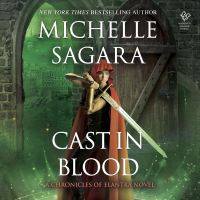
Cast in BloodMichelle Sagara16h 35m4.6 (607)$33 · $0.00
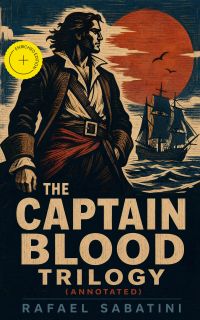
The Captain Blood Trilogy (Annotated)Rafael Sabatini29h 20m4.6 (1K)$3 · $0.00
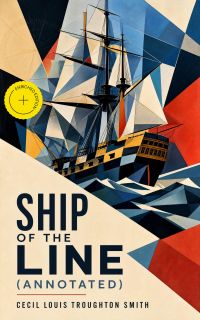
Ship of the Line (Annotated)Cecil Louis Troughton Smith11h 13m4.6 (1K)$2 · $0.00
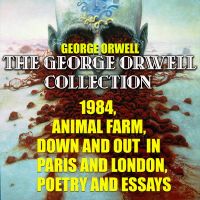
The George Orwell CollectionGeorge Orwell24h 46m4.5 (14.4K)$12 · $0.00
ShivajiRanjit Desai25h 13m4.6 (3.1K)$24 · $0.00
Time RegainedMarcel Proust15h 38m4.5 (9.2K)$2 · $0.00
Driving ForceElle James4h 58m4.6 (407)$20 · $0.00

When God Calls the HeartBrian Bird, Michelle Cox3h 24m4.6 (439)$10 · $0.00

Five Little IndiansMichelle Good10h 34m4.5 (64.5K)$29 · $0.00
Lolth's WarriorR. A. Salvatore13h 20m4.6 (2.4K)$33 · $0.00
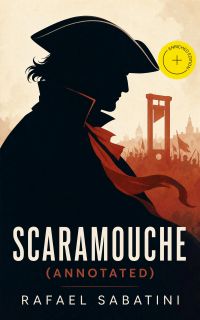
Scaramouche (Annotated)Rafael Sabatini15h 24m4.6 (1.8K)$2 · $0.00
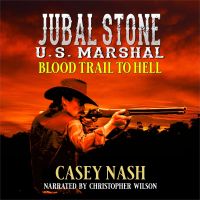
Jubal Stone: U.S. Marshal: Blood Trail To Hell: A Western Adventure NovelCasey Nash3h 42m4.6 (3.2K)$18 · $0.00

The Labyrinth of the SpiritsCarlos Ruiz Zafon27h 55m4.5 (77.2K)$53 · $0.00
Ship of the Line (Annotated)Cecil Louis Troughton Smith11h 13m4.6 (1K)$2 · $0.00
ShivajiRanjit Desai25h 13m4.6 (3.1K)$24 · $0.00
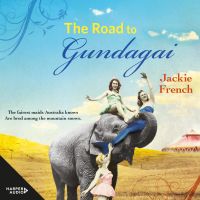
The Road to Gundagai (The Matilda Saga, #3)Jackie French12h 31m4.6 (1.2K)$33 · $0.00
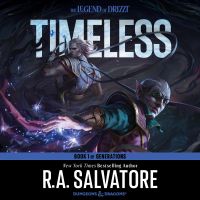
TimelessR. A. Salvatore12h 30m4.5 (8K)$33 · $0.00
An Inside JobDaniel Silva9h 28m4.4 (26.3K)$29 · $0.00
The CommodoreP. T. Deutermann11h 53m4.5 (2.4K)$20 · $0.00

A Closed and Common OrbitBecky Chambers11h 30m4.4 (140.7K)$29 · $0.00
Thud!Terry Pratchett10h 31m4.4 (112.6K)$8 · $0.00
All Quiet on the Western Front (Annotated)Erich Maria Remarque8h 34m4.4 (12.9K)$0.99 · $0.00
Crime and punishmentFyodor Dostoevsky22h 34m4.4 (1.3M)$3 · $0.00
Exit FeeBrad Taylor3h 16m4.5 (1.9K)$18 · $0.00

The Alice NetworkKate Quinn15h 7m4.4 (887.1K)$33 · $0.00

The Ohio River Trilogy: Betty Zane, The Spirit of the Border & The Last TrailZane Grey29h 8m4.4 (1.8K)$1 · $0.00
A Darkness ReturnsRaymond E. Feist19h 29m4.4 (1.9K)$40 · $0.00

THE VALLEY OF SILENT MEN (Annotated)James Oliver Curwood8h 25m4.5 (420)$2 · $0.00
West of the TularosaLouis L’Amour5h 53m4.4 (3.6K)$20 · $0.00
The Emperor's FistJay Allan8h 37m4.5 (272)$26 · $0.00
The Labyrinth of the SpiritsCarlos Ruiz Zafon27h 55m4.5 (77.2K)$53 · $0.00
ShivajiRanjit Desai25h 13m4.6 (3.1K)$24 · $0.00

The Things We Cannot SayKelly Rimmer13h 48m4.5 (359.1K)$33 · $0.00

Lieutenant Hornblower (Annotated)C. S. Forester11h 41m4.5 (2.9K)$2 · $0.00

A Christmas Carol (Illustrated Edition)Charles Dickens3h 23m4.5 (21.2K)$1.99 · $0.00

Rilla of InglesideLucy Maud Montgomery11h 44m4.5 (48.2K)$2 · $0.00

The Viennese DressmakerKathryn Gauci11h 46m4.5 (2.1K)$23 · $0.00
The Man in the Brown Suit & They Came to BaghdadAgatha Christie15h 43m4.6 (495)$33 · $0.00

Under the Light of the Italian MoonJennifer Anton12h 28m4.5 (5.3K)$23 · $0.00

Jubilee, 50th Anniversary EditionMargaret Walker15h 43m4.5 (9.5K)$25 · $0.00

Pride and PrejudiceJane Austen14h 44m4.4 (4.7M)$2 · $0.00

Flying Colours (Annotated)Cecil Louis Troughton Smith9h 26m4.4 (10.1K)$2 · $0.00
With Love from HarlemReShonda Tate13h 48m4.5 (2K)$6 · $0.00

Sweet Home Highland ChristmasMay McGoldrick, Jan Coffey2h 54m4.5 (1.4K)$7 · $0.00

Rilla of InglesideL. M. Montgomery12h 25m4.4 (67.5K)$2 · $0.00

Death Comes for the Archbishop (Annotated)Willa Cather9h 13m4.4 (4.7K)$2 · $0.00
The Alice NetworkKate Quinn15h 7m4.4 (887.1K)$33 · $0.00

The Goddess of WarsawLisa Barr13h 4m4.4 (36.4K)$33 · $0.00
The Ohio River Trilogy: Betty Zane, The Spirit of the Border & The Last TrailZane Grey29h 8m4.4 (1.8K)$1 · $0.00

The Attic ChildLola Jaye14h 46m4.4 (21K)$33 · $0.00
You may also like
Hell or RichmondRalph Peters21h 54m4.3 (903)$23
No Man’s LandJohn Toland25h 3m4.2 (959)$30
140 Days to HiroshimaDavid Dean Barrett13h 8m4.5 (548)$23
The Last 100 DaysJohn Toland27h 29m4.2 (4.6K)$30

The Doctor of AleppoDan Mayland10h 21m4.3 (1.4K)$20
A Bridge Too FarCornelius Ryan18h 12m4.4 (26.4K)$32
On War — Volume 1Carl von Clausewitz11h 51m4.1 (525)$2.30
The Story of World War IIDonald L. Miller24h 53m4.5 (5.1K)$32
The Ultimate BattleBill Sloan14h 8m4.4 (1.5K)$25

The German WarNicholas Stargardt24h 12m4.4 (4.6K)$30
The Last BattleCornelius Ryan15h 46m4.4 (11K)$28
The AviatorCraig DiLouie5h 30m4.4 (422)$17

BlitzedNorman Ohler7h 20m4.1 (40.8K)$20
The Polar Bear ExpeditionJames Carl Nelson8h 7m3.8 (1.1K)$26 · $0.00
The History of the Peloponnesian WarThucydides18h 29m4.2 (49.9K)$11 · $0.00
Stories from ThucydidesThucydides6h 36m4.0 (29)$2 · $0.00
The War of AttritionSantiago Machain9h 44m$22 · $0.00

Experience of a Confederate States Prisoner (Memoirs)Beckwith West3h 40m$2 · $0.00
This Above AllEric Knight20h 5m4.3 (248)$2 · $0.00

The American Indians in the Civil WarAnnie Heloise Abel14h 43m4.1 (28)$2 · $0.00