
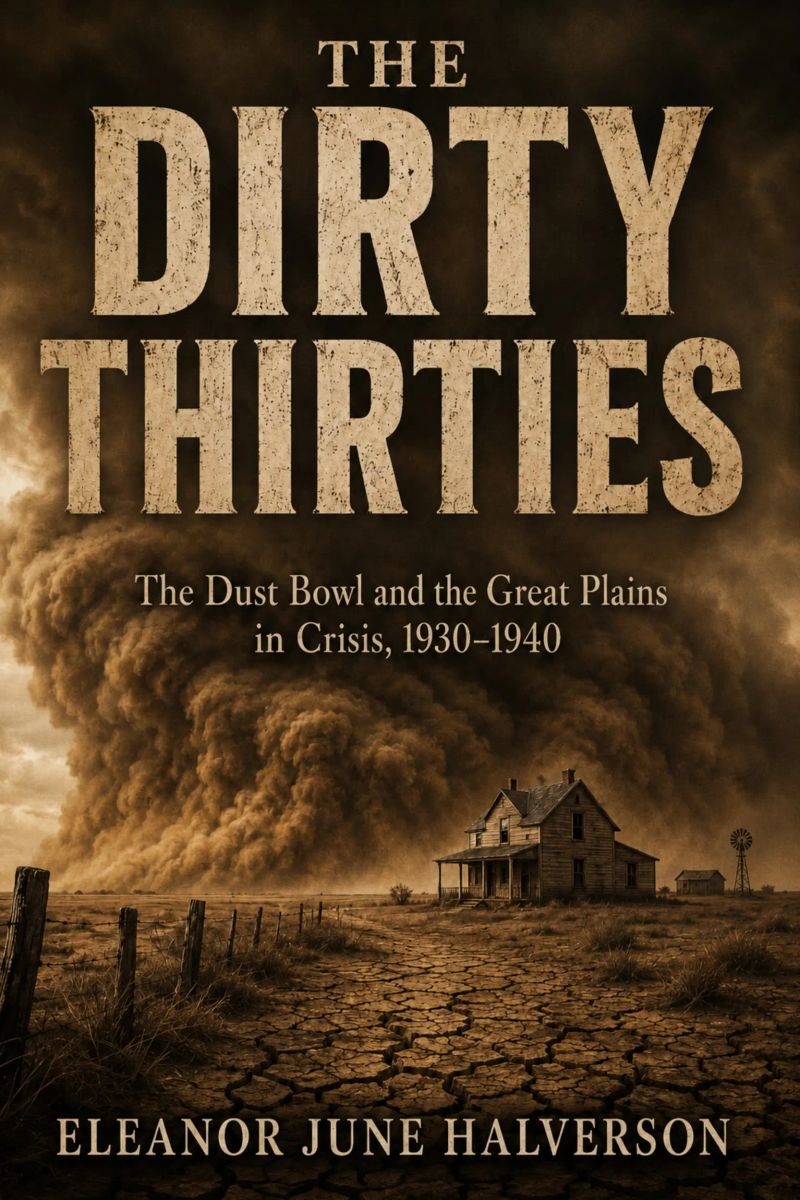
THE DIRTY THIRTIES
The Dust Bowl and the Great Plains in Crisis, 1930-1940By Eleanor June Halverson


Length6h
About this audiobook
On April 14, 1935 — Black Sunday — a wall of darkness thousands of feet high swept across the Texas and Oklahoma panhandles at sixty miles per hour, moving hundreds of millions of tons of soil in a single afternoon. An AP reporter called it "the dust bowl," and the name fixed a region's catastrophe into language. This history traces how that catastrophe was made, survived, and only partially understood.
The Dust Bowl was not a natural disaster in any simple sense. It was the consequence of broken promises — the "rain follows the plow" myth that drove mass settlement, 1920s wheat prices that pushed farmers to strip native grassland whose roots ran five feet deep, and a federal land policy that had set the trap decades before the drought arrived. When the rains stopped, there was nothing left to hold the soil.
The book follows the human cost in full: dust pneumonia filling children's lungs before antibiotics existed, Caroline Henderson's letters home published in The Atlantic, 2.5 million people leaving the stricken states, and the 210,000 who reached California only to find the Weedpatch camp housing ten thousand when a hundred thousand needed shelter. Hugh Bennett turned Black Sunday into a congressional mandate, forcing the Soil Conservation Service into permanent existence within weeks of the storm. Dorothea Lange gave the disaster a face. The Plains women whose daily endurance kept communities intact through years without rain receive the attention they are owed.
The book closes with the Ogallala Aquifer — the vast underground reserve the survivors never knew existed, now being depleted at a rate that makes the next Great Plains crisis not a question of whether, but when.
Audiobook details
GenreHistorical Fiction, General Fiction, Other
Length6 hrs
Narrated byListen with 1,000+ voices
FormateBook with Audio
LanguageEnglish
Table of contents
1Introduction
2Author’s Note
3Prologue: Black Sunday
4PART ONE: THE MAKING OF THE DUST BOWL
5Chapter 1: The Great Plains — Land, Climate, and the Promise of Farming
Show all chaptersShow less
6Chapter 2: The Plow That Broke the Plains — Homesteading and Overfarming
7Chapter 3: The Roaring Twenties on the Plains — Boom, Wheat, and Optimism
8Chapter 4: Drought Descends — The First Dust Storms, 1930-1932
9PART TWO: THE GREAT STORMS (1933-1936)
10Chapter 5: Black Blizzards — The Dust Storms That Darkened the Sky
11Chapter 6: Black Sunday — April 14, 1935, and the Worst Day
12Chapter 7: The Dirty Thirties — Life Inside the Dust Bowl
13Chapter 8: The Human Toll — Dust Pneumonia, Crop Failure, and Despair
14PART THREE: EXODUS AND MIGRATION
15Chapter 9: The Okies — Who Left and Why
16Chapter 10: Route 66 — The Road to California
17Chapter 11: California Dreaming — The Migrant Camps and the Welcome That Wasn't
18Chapter 12: John Steinbeck and the Grapes of Wrath — Literature and the Dust Bowl
19PART FOUR: THE GOVERNMENT'S RESPONSE
20Chapter 13: The New Deal on the Plains — AAA, SCS, and Federal Relief
21Chapter 14: Hugh Bennett and the Soil Conservation Service
22Chapter 15: The Shelterbelt Project — FDR's Prairie Forest
23Chapter 16: Dorothea Lange and the FSA — Photographing the Disaster
24PART FIVE: THE COMMUNITIES LEFT BEHIND
25Chapter 17: Those Who Stayed — Survival Strategies in the Dust Bowl
26Chapter 18: Plains Women — Endurance, Community, and the Long Wait
27Chapter 19: Churches, Schools, and Social Life in the Dust
28Chapter 20: The End of the Drought — Rain Returns and Recovery Begins
29PART SIX: LEGACIES
30Chapter 21: The Soil Conservation Movement — What the Dust Bowl Taught
31Chapter 22: Federal Farm Policy — The Long Agricultural Legacy
32Chapter 23: The Great Plains Today — Aquifer Depletion and Future Risk
33Chapter 24: Memory and Myth — The Dust Bowl in American Culture
34Epilogue: What the Dust Left Behind
35Acknowledgments
36Selected Bibliography
37About the Author
More from Eleanor June Halverson

The Things We Cannot SayKelly Rimmer13h 48m4.5 (359.1K)$33 · $0.00

Lieutenant Hornblower (Annotated)C. S. Forester11h 41m4.5 (2.9K)$2 · $0.00

A Christmas Carol (Illustrated Edition)Charles Dickens3h 23m4.5 (21.2K)$1.99 · $0.00

Rilla of InglesideLucy Maud Montgomery11h 44m4.5 (48.2K)$2 · $0.00

The Viennese DressmakerKathryn Gauci11h 46m4.5 (2.1K)$23 · $0.00
The Man in the Brown Suit & They Came to BaghdadAgatha Christie15h 43m4.6 (495)$33 · $0.00

Under the Light of the Italian MoonJennifer Anton12h 28m4.5 (5.3K)$23 · $0.00

Jubilee, 50th Anniversary EditionMargaret Walker15h 43m4.5 (9.5K)$25 · $0.00

Pride and PrejudiceJane Austen14h 44m4.4 (4.7M)$2 · $0.00

Flying Colours (Annotated)Cecil Louis Troughton Smith9h 26m4.4 (10.1K)$2 · $0.00
With Love from HarlemReShonda Tate13h 48m4.5 (2K)$6 · $0.00
Sweet Home Highland ChristmasMay McGoldrick, Jan Coffey2h 54m4.5 (1.4K)$7 · $0.00
Rilla of InglesideL. M. Montgomery12h 25m4.4 (67.5K)$2 · $0.00
Death Comes for the Archbishop (Annotated)Willa Cather9h 13m4.4 (4.7K)$2 · $0.00

The Alice NetworkKate Quinn15h 7m4.4 (887.1K)$33 · $0.00

The Goddess of WarsawLisa Barr13h 4m4.4 (36.4K)$33 · $0.00

The Ohio River Trilogy: Betty Zane, The Spirit of the Border & The Last TrailZane Grey29h 8m4.4 (1.8K)$1 · $0.00

The Attic ChildLola Jaye14h 46m4.4 (21K)$33 · $0.00

Martyr of the CatacombsJames De Mille3h 41m4.5 (744)$1 · $0.00

Quo VadisHenryk Sienkiewicz22h 52m4.4 (62K)$21 · $0.00
WhistlerAnn Patchett10h 45m4.6 (4.6K)$29 · $0.00
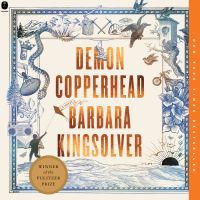
Demon CopperheadBarbara Kingsolver21h 3m4.5 (949.4K)$46 · $0.00

To Kill a MockingbirdHarper Lee12h 18m4.5 (7.4M)$29 · $0.00
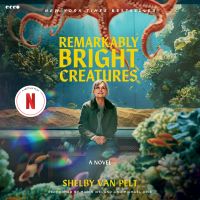
Remarkably Bright CreaturesShelby Van Pelt11h 17m4.4 (1.7M)$29 · $0.00
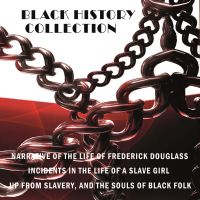
Black History CollectionFrederick Douglass, Harriet Ann Jacobs, Booker T. Washington, W.E.B. Du Bois27h 9m4.6 (2.6K)$18 · $0.00
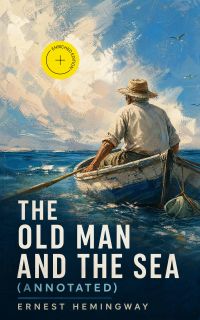
The Old Man and the Sea (Annotated)Ernest Hemingway4h 27m4.6 (1.4K)$2 · $0.00

White HotIlona Andrews13h 18m4.5 (136.9K)$5 · $0.00

The Ghost by the Billabong (The Matilda Saga, #5)Jackie French14h 58m4.6 (773)$33 · $0.00
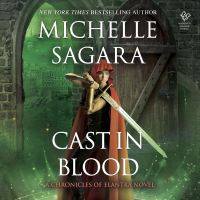
Cast in BloodMichelle Sagara16h 35m4.6 (607)$33 · $0.00
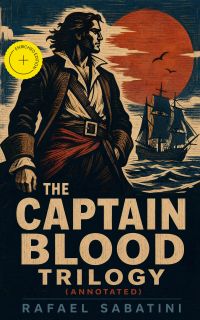
The Captain Blood Trilogy (Annotated)Rafael Sabatini29h 20m4.6 (1K)$3 · $0.00
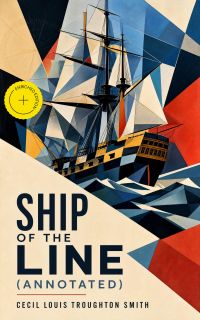
Ship of the Line (Annotated)Cecil Louis Troughton Smith11h 13m4.6 (1K)$2 · $0.00
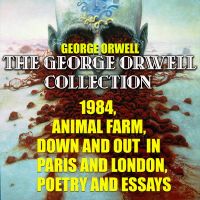
The George Orwell CollectionGeorge Orwell24h 46m4.5 (14.4K)$12 · $0.00
ShivajiRanjit Desai25h 13m4.6 (3.1K)$24 · $0.00
Time RegainedMarcel Proust15h 38m4.5 (9.2K)$2 · $0.00

Driving ForceElle James4h 58m4.6 (407)$20 · $0.00

When God Calls the HeartBrian Bird, Michelle Cox3h 24m4.6 (439)$10 · $0.00
Five Little IndiansMichelle Good10h 34m4.5 (64.5K)$29 · $0.00
Lolth's WarriorR. A. Salvatore13h 20m4.6 (2.4K)$33 · $0.00
The Things We Cannot SayKelly Rimmer13h 48m4.5 (359.1K)$33 · $0.00

The Love Songs of W.E.B. Du BoisHonoree Fanonne Jeffers29h 49m4.5 (58K)$8 · $0.00
Mere ChristianityC. S. Lewis7h 7m4.4 (519.7K)$24 · $0.00

Her Daily BreadKate Wood12h 57m4.6 (153)$33 · $0.00
The Holy Bible - 1 SamuelKing James2h 13m4.8 (1.6K)$3 · $0.00
The American Standard Bible — The Gospel of MatthewMatthew3h 56m4.7 (3K)$2 · $0.00
Bad Fat Black GirlSesali Bowen6h 32m4.7 (2.8K)$24 · $0.00
The King James Audio Bible New Testament CompleteChristopher Glyn20h 2m4.7 (2.6K)$12 · $0.00
Faiths CheckbookCharles Spurgeon12h 44m4.7 (3.2K)$11 · $0.00
Ten Things I Wish You Knew About Your Child's Mental HealthDr. Billy Garvey4h 53m4.7 (2.4K)$20 · $0.00

Designing Terry Pratchett’s DiscworldPaul Kidby3h 52m4.7 (343)$20 · $0.00
The Chosen Book OneAmanda Jenkins, Kristen Hendricks, Dallas Jenkins3h 8m4.6 (4.9K)$10 · $0.00
The Lives of BrianBrian Johnson9h 45m4.6 (3.5K)$29 · $0.00
Expository Thoughts on the Gospel of LukeJ.C. Ryle27h 13m4.7 (536)$18 · $0.00
CrossroadsKaleb Dahlgren7h 56m4.6 (4.9K)$26 · $0.00

Across the RiverKent Babb11h 40m4.6 (927)$29 · $0.00

Brain Training for RidersAndrea Monsarrat Waldo5h 56m4.7 (550)$19 · $0.00

My Effin' LifeGeddy Lee17h 11m4.6 (13.1K)$40 · $0.00
Kings and PawnsHoward Bryant10h 9m4.6 (678)$29 · $0.00

The Elementia Chronicles #2: The New OrderSean Fay Wolfe11h 17m4.6 (841)$29 · $0.00
The ActsLuke2h 55m4.6 (19.7K)$12 · $0.00
New Testament - Easy NavigationWorld English Bible19h 35m4.6 (1.3K)$1.30 · $0.00
You may also like
The Little Ice AgeBrian Fagan8h 32m3.9 (4.1K)$20
The Great HurricaneCherie Burns5h 50m4.1 (1.9K)$17

The Scarlet Plague (Dystopian Novel)Jack London3h 25m3.8 (18.8K)$1 · $0.00
Bad LandJonathan Raban12h 11m4.1 (2.4K)$23
The Rise and Reign of the MammalsSteve Brusatte13h 26m4.4 (11.1K)$33 · $0.00
Blizzard!Jim Murphy2h 39m4.0 (1.8K)$15

The Scarlet PlagueJack London2h 9m3.9 (19.9K)$2.30

July’s PeopleNadine Gordimer4h 53m3.7 (12.1K)$14

The Scarlet PlagueJack London2h 10m3.8 (20.6K)$2.30 · $0.00

THE SCARLET PLAGUE (Science Fiction Classic) (Annotated)Jack London3h 51m3.8 (20.1K)$0.99 · $0.00

Ishi in Two WorldsTheodora Kroeber10h 48m4.2 (4K)$21
Above the FireMichael O’Donnell7h 40m4.1 (1.6K)$17

The Scarlet PlagueJack London2h 9m3.9 (21.5K)$1.20 · $0.00
Earth AbidesGeorge R. Stewart13h 55m4.1 (48.3K)$33 · $0.00
The Long SummerBrian Fagan9h 36m4.0 (1K)$20 · $0.00

South Sea TalesJack London5h 32m3.9 (3.6K)$2.30
The Worst Hard TimeTimothy Egan12h 57m4.1 (63.4K)$33 · $0.00

Catalogue of Violent and Destructive Earthquakes in the PhilippinesMiguel Saderra Masó1h 27m$1 · $0.00

THE DIRTY THIRTIESEleanor June Halverson4h 56m$9 · $0.00

THE FLOODÉmile Zola2h 33m3.9 (849)$1.99 · $0.00