

The Confidence
How Capable People Stop Underselling Themselves and Start Acting Like They Know What They Are DoingBy Bianca Saavedra


Length9h 20m
About this audiobook
How to build real professional confidence, stop underestimating your value, and negotiate your worth without faking certainty or overperforming competence.
Most capable professionals don’t struggle with ability—they struggle with recognition of that ability. They prepare thoroughly, deliver solid work, and still hesitate to speak up, ask for more, or claim credit for what they’ve already earned. The result is a quiet gap between actual performance and perceived authority.
This book calls that gap what it is: underclaiming. It is the habit of consistently rating your own competence lower than reality, often reinforced by perfectionism, comparison, and fear of being exposed as “not enough.” Over time, underclaiming becomes identity. You stop noticing how much you are already doing well.
Rather than relying on generic confidence advice, this guide treats confidence as a set of repeatable behaviors: how you speak, how you decide, how you negotiate, and how you hold your presence in professional environments. Confidence is not framed as a feeling you wait for—it is a skill you build through repeated exposure to small acts of self-advocacy.
Inside this confidence at work guide:
The underclaim problem — Why capable people systematically downplay their own competence.
Imposter feelings decoded — When doubt is accurate, and when it is distortion.
Speaking with authority — How to contribute without overexplaining or hedging.
Negotiating your worth — Translating value into salary, promotion, and opportunity.
Handling visibility — Becoming seen without feeling exposed.
Recovering from mistakes — How confidence survives failure and correction.
Building long-term self-trust — Consistency as the foundation of professional presence.
This is not about becoming louder or more dominant. It is about aligning your internal assessment with external reality, so you stop operating at a discount to your actual capability.
Confidence, in this sense, is not personality—it is calibration.
Audiobook details
GenreSelf-Help, Other, Business and Economics
Length9 hrs 20 mins
Narrated byListen with 1,000+ voices
FormateBook with Audio
Publish dateJun 5, 2026
LanguageEnglish
Table of contents
1Introduction
2Chapter 1: The Confidence Problem Capable People Have
3Chapter 2: Imposter Feelings: What They Are and Why They Don’t Mean You’re an Imposter
4Chapter 3: The Inner Monologue That’s Lying to You
5Chapter 4: Cataloguing What You Can Actually Do (And Doing It Honestly)
Show all chaptersShow less
6Chapter 5: The Difference Between Confidence and Arrogance
7Chapter 6: Speaking Up in Meetings Without Performing
8Chapter 7: Negotiating From a Position of Calibrated Self-Worth
9Chapter 8: Receiving a Compliment Without Deflecting
10Chapter 9: Receiving Criticism Without Spiraling
11Chapter 10: The Body and Confidence: Posture, Breath, Voice
12Chapter 11: Confidence in Writing: Email, Slack, Documents
13Chapter 12: Confidence in Public Speaking
14Chapter 13: Confidence When You Are the Only Person in the Room Who Looks Like You
15Chapter 14: Confidence After a Visible Failure
16Chapter 15: Confidence in a New Role When Everyone Is Watching
17Chapter 16: Confidence in Conflict
18Chapter 17: Confidence at Home With the People Who Knew You Before
19Chapter 18: The Long Game: Confidence That Holds Up Across Years
20Chapter 19: Avoiding the Overshoot
21Chapter 20: Mentors and Sponsors: Borrowing Confidence Until You Can Generate Your Own
22Chapter 21: Practices That Survive the Stretches When Motivation Deserts You
23Chapter 22: Confidence at Sixty: The Long View From People Who Got There
24Chapter 23: When Confidence Practices Stop Working: Diagnosing the Plateau
25Chapter 24: Confidence and Money: Pricing Yourself, Investing
26Chapter 25: Confidence and Decision-Making Under Pressure
27Chapter 26: Confidence and Visibility: Building a Public Track
28Chapter 27: Confidence and Saying No
29Chapter 28: Confidence and the Body, Revisited: The Slower Practices
30Chapter 29: Confidence and Identity: Who You Are When the Work Stops
31Chapter 30: Confidence and Aging: Holding Your Standing as the World Changes Around You
32Chapter 31: Confidence and Failure as Practice: Designing Your Life So Failure Is Routine
33Chapter 32: The Long Practice of Becoming the Confident Version of Yourself
34Chapter 33: Confidence in Interviews: Walking In, Sitting Down, Being Chosen
35Chapter 34: Confidence in Crisis: When Everything Is on Fire and People Are Looking at You
36Chapter 35: Confidence and the Internal Life: A Final Pass at the Inner Monologue
37Chapter 36: Case Study: The Director Who Was Three Years Late to Her Own Promotion
38Chapter 37: Case Study: The Surgeon Who Stopped Apologizing
39Chapter 38: Confidence and Time: Building, Slowly, the Career You Actually Want
40Chapter 39: Confidence in Email and Slack, Revisited: The Texture of Written Presence
41Chapter 40: Confidence in Romantic Relationships: The Particular Challenge of Being Seen
42Chapter 41: A Final Word on Practice
43Chapter 42: Confidence and the People Who Will Try to Pull You Back
44Chapter 43: A Letter to the Reader Six Months From Now
45Chapter 44: Final Coaching Notes
46Conclusion
47About the Author
More from Bianca Saavedra

Learning to PrayJames Martin13h 24m4.5 (3.4K)$33 · $0.00

Swayam Ki AwaazPrem Rawat8h 34m4.7 (1.1K)$26 · $0.00

Forever BoyKate Swenson9h 27m4.7 (5K)$29 · $0.00

You Are Worth ItKyle Carpenter, Don Yaeger8h 53m4.7 (4.8K)$29 · $0.00

The Happiest Man on EarthEddie Jaku3h 48m4.6 (178K)$7 · $0.00

Finding MeViola Davis9h 15m4.6 (256.4K)$29 · $0.00

Spiritual AnatomyDaaji Kamlesh D. Patel9h 47m4.7 (319)$29 · $0.00

The Dangerous Truth about Today’s MarijuanaLaura Stack CSP, MBA9h 57m4.7 (385)$20 · $0.00
The Gospel according to Spiritualism (Translated)Allan Kardec14h 39m4.6 (3.9K)$5.70 · $0.00

Birdie & HarlowTaylor Wolfe7h 50m4.6 (6.5K)$26 · $0.00

CrossroadsKaleb Dahlgren7h 56m4.6 (4.9K)$26 · $0.00

Life on the BridgeKaelynn Partlow5h 40m4.6 (1.1K)$24 · $0.00

Keep Your Love OnDanny Silk9h 4m4.6 (8.1K)$10 · $0.00
The Tao of Joy Every DayDerek Lin10h 24m4.6 (762)$20 · $0.00
UndividedVicky Beeching9h 2m4.6 (1.3K)$29 · $0.00

HE CAN WHO THINKS HE CAN & OTHER BOOKS ON SUCCESSOrison Swett Marden5h 54m4.6 (1.2K)$1.99 · $0.00
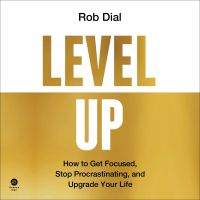
Level UpRob Dial7h 42m4.6 (3.3K)$26 · $0.00

Burn the HaystackJennie Young, PhD9h 30m4.6 (543)$29 · $0.00

ACRES OF DIAMONDS: Our Every-day Opportunities (Wisdom & Empowerment Series) (Annotated)Russell Conwell2h 26m4.6 (1K)$2 · $0.00

Good InsideBecky Kennedy9h 55m4.5 (59.3K)$29 · $0.00

The Holy Bible - 1 SamuelKing James2h 13m4.8 (1.6K)$3 · $0.00

The American Standard Bible — The Gospel of MatthewMatthew3h 56m4.7 (3K)$2 · $0.00

Bad Fat Black GirlSesali Bowen6h 32m4.7 (2.8K)$24 · $0.00

The King James Audio Bible New Testament CompleteChristopher Glyn20h 2m4.7 (2.6K)$12 · $0.00

Faiths CheckbookCharles Spurgeon12h 44m4.7 (3.2K)$11 · $0.00

Ten Things I Wish You Knew About Your Child's Mental HealthDr. Billy Garvey4h 53m4.7 (2.4K)$20 · $0.00

Designing Terry Pratchett’s DiscworldPaul Kidby3h 52m4.7 (343)$20 · $0.00

The Chosen Book OneAmanda Jenkins, Kristen Hendricks, Dallas Jenkins3h 8m4.6 (4.9K)$10 · $0.00
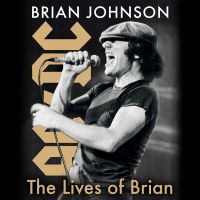
The Lives of BrianBrian Johnson9h 45m4.6 (3.5K)$29 · $0.00

Expository Thoughts on the Gospel of LukeJ.C. Ryle27h 13m4.7 (536)$18 · $0.00
CrossroadsKaleb Dahlgren7h 56m4.6 (4.9K)$26 · $0.00

Across the RiverKent Babb11h 40m4.6 (927)$29 · $0.00
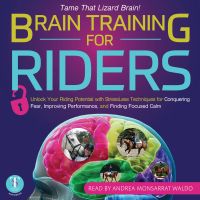
Brain Training for RidersAndrea Monsarrat Waldo5h 56m4.7 (550)$19 · $0.00

My Effin' LifeGeddy Lee17h 11m4.6 (13.1K)$40 · $0.00

Kings and PawnsHoward Bryant10h 9m4.6 (678)$29 · $0.00

The Elementia Chronicles #2: The New OrderSean Fay Wolfe11h 17m4.6 (841)$29 · $0.00

The ActsLuke2h 55m4.6 (19.7K)$12 · $0.00

New Testament - Easy NavigationWorld English Bible19h 35m4.6 (1.3K)$1.30 · $0.00

Woodcraft and Camping (Annotated)George Washington Sears3h 30m4.6 (1.2K)$0.99 · $0.00

The Hate U GiveAngie Thomas11h 50m4.5 (1.1M)$8 · $0.00
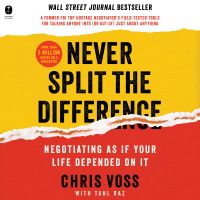
Never Split the DifferenceChris Voss, Tahl Raz8h 7m4.4 (277.7K)$26 · $0.00
The Intelligent Investor Rev Ed.Benjamin Graham17h 48m4.3 (191.5K)$40 · $0.00
The Hard Thing About Hard ThingsBen Horowitz7h 57m4.2 (134.3K)$26 · $0.00
Boundaries for LeadersHenry Cloud7h 36m4.3 (3.6K)$26 · $0.00
Not Everything Counts but Everything Matters: The powerful and inspirational new book about leadership and achieving success from the visionary multi-premiership winning Panthers coachIvan Cleary6h 1m4.6 (680)$24 · $0.00
BuildTony Fadell11h 5m4.5 (14.3K)$8 · $0.00
The Joys Of CompoundingGautam Baid17h 34m4.5 (2.5K)$18 · $0.00
Basic EconomicsThomas Sowell18h 32m4.5 (29.3K)$28 · $0.00

Poor Charlie’s AlmanackGrover Gardener, Charles T. Munger13h 9m4.5 (24.7K)$18 · $0.00

The Ambuja StoryNarotam Sekhsaria13h 59m4.5 (830)$33 · $0.00

The Secret Door to SuccessFlorence Scovel Shinn2h 25m4.5 (2.1K)$1.20 · $0.00

This Is Going to HurtAdam Kay5h 47m4.4 (444.7K)$24 · $0.00

Big TrustShadé Zahrai, Fayçal Sekkouah8h 36m4.6 (406)$26 · $0.00
The Intelligent Investor Third EditionBenjamin Graham, Jason Zweig20h4.4 (156.6K)$46 · $0.00

Bottle of LiesKatherine Eban14h 25m4.4 (12K)$33 · $0.00

The Antiracist Business BookTrudi Lebrón6h 10m4.6 (275)$17 · $0.00
The FormulaJoshua Robinson, Jonathan Clegg10h 41m4.4 (6.9K)$29 · $0.00

Let Them LeadJohn U. Bacon7h 10m4.5 (1.4K)$24 · $0.00

Secrets of the Millionaire MindT. Harv Eker5h 11m4.4 (301.4K)$24 · $0.00

The Person You Mean to BeDolly Chugh9h 6m4.4 (7.2K)$29 · $0.00
You may also like
The Compound EffectDarren Hardy4h 44m4.4 (161.2K)$15
How Will You Measure Your Life?Clayton M. Christensen, James Allworth, Karen Dillon5h 29m4.1 (55.4K)$24 · $0.00

The Essays of Arthur Schopenhauer; Counsels and MaximsArthur Schopenhauer5h 57m4.4 (977)$1 · $0.00

Pretty HappyKate Hudson4h 28m3.8 (5.6K)$20 · $0.00

Buddha’s DietTara Cottrell, Dan Zigmond4h 33m3.8 (1.4K)$20

PoserClaire Dederer11h 24m3.7 (7.3K)$21 · $0.00

The Essays of Arthur Schopenhauer (translated)Arthur Schopenhauer4h 55m4.3 (3.2K)$4.70 · $0.00

The Practicing StoicWard Farnsworth9h 56m4.5 (9.2K)$20

The Accidental Alpha WomanKaren Wright2h 33m3.8 (24)$15

Truth About TrustElijah C.3h 43m$6.40 · $0.00

The Monk’s MindsetSam Yo7h4.6 (239)$23
Problem SolverCheryl Strauss Einhorn6h 43m4.1 (19)$23
I Have Everything, I Just Never Have Time to Use Any of It - How to Make Time for People, Rest, and the Things You Already Have Without Quitting Your Job, Moving to the Woods, or Rebuilding Your Entire LifeMax Paradox4h 25m$7.80 · $0.00

Self-esteemAlexandre Miguel50m$9 · $0.00

Reinvent Yourself After 40Diletta Armstrong1h 42m$7.90 · $0.00

Affirmations: Powerful Affirmations to Connect With Your Soul's Language (Positive Affirmations for Everyday Life, Manifesting, and Words of Encouragement)Daniel Turpin1h 37m$3.50 · $0.00

How to Feel LovedSonja Lyubomirsky, Harry Reis11h 6m$29 · $0.00
Cultivating Effective Interpersonal SkillsWillow R.3h 32m$6.40 · $0.00
Mindfulness for Stress ManagementDr. Robert Schacter2h 42m4.0 (231)$15 · $0.00

Unveiling The Authentic Self: A Journey Of Discovery And TransformationRicardo De Oliveira Pinto11h 19m$10 · $0.00