
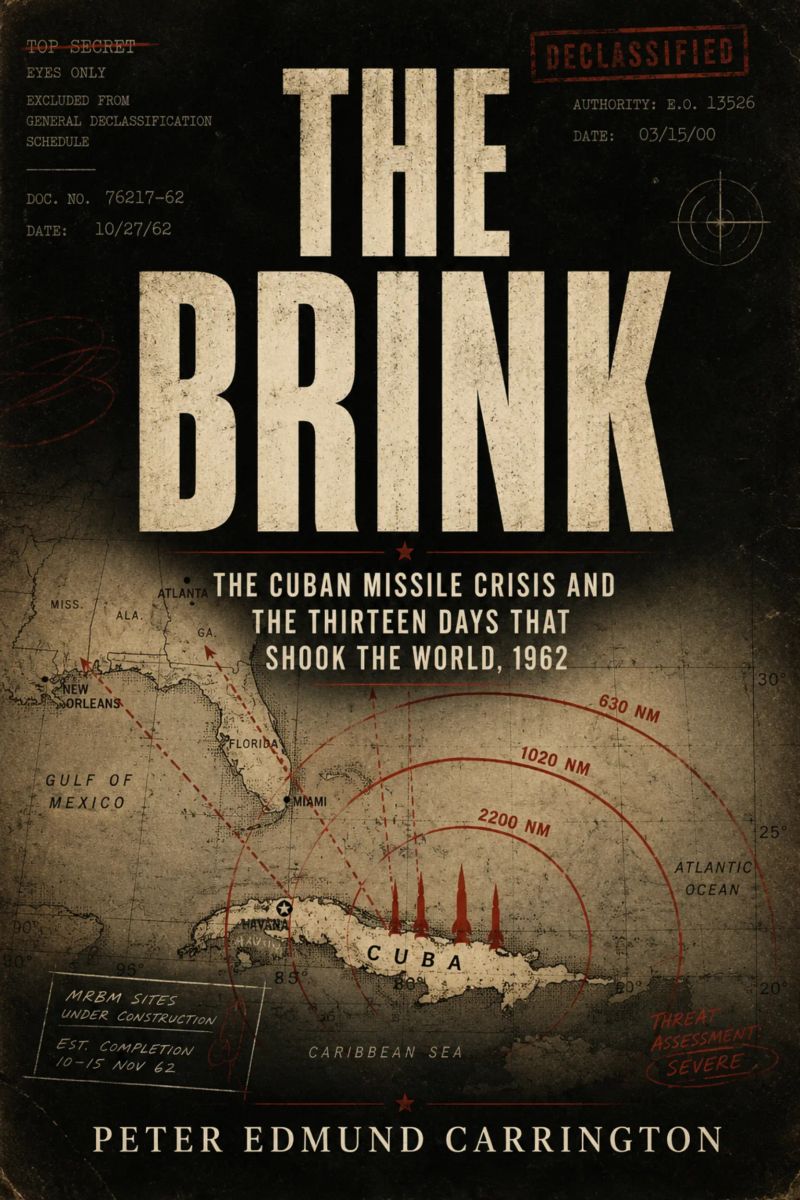
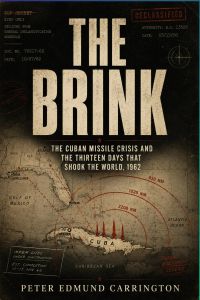
THE BRINK
The Cuban Missile Crisis and the Thirteen Days That Shook the World, 1962By Peter Edmund Carrington


Length6h 4m
About this audiobook
In October 1962, a U-2 spy plane photographed Soviet missile sites in Cuba, triggering the most dangerous thirteen days of the Cold War. Historian Peter Edmund Carrington traces the crisis through the key figures — Kennedy, Khrushchev, Robert Kennedy, McNamara, Castro, and the ExComm advisers — revealing the decisions, miscalculations, and near-disasters that brought the world to the edge of nuclear war.
Kennedy rejected his generals' calls for an airstrike, opting instead for a naval blockade. Behind the scenes, secret backchannels between Robert Kennedy and Soviet ambassador Dobrynin quietly negotiated a way out — the removal of U.S. Jupiter missiles from Turkey in exchange for the Soviets withdrawing from Cuba. On Black Saturday, October 27, a U-2 was shot down over Cuba and another strayed into Soviet airspace, pushing tensions to breaking point. Beneath the Atlantic, a Soviet submarine commander nearly launched a nuclear torpedo before being talked down by a single officer, Vasili Arkhipov — a man whose name never made the headlines but whose judgment may have saved the world.
Carrington argues the crisis ended not through strategy alone, but through leadership, luck, and the quiet courage of individuals acting under extreme pressure. The aftermath brought the Moscow–Washington Hot Line and the Partial Test Ban Treaty — and left an enduring question for the nuclear age: can leaders always step back from the brink?
Audiobook details
GenreHistorical Fiction, General Fiction, Action and Adventure
Length6 hrs 4 mins
Narrated byListen with 1,000+ voices
FormateBook with Audio
LanguageEnglish
Table of contents
1Introduction
2Author’s Note
3Prologue: The U-2's Discovery
4PART ONE: THE BACKGROUND (1959-1962)
5Chapter 1: Castro's Cuba — Revolution, Nationalization, and the American Response
Show all chaptersShow less
6Chapter 2: The Bay of Pigs — Kennedy's First Crisis and Its Lessons
7Chapter 3: Why Khrushchev Decided — Soviet Motivations and the Missile Gamble
8Chapter 4: The U-2 Photographs — October 14, 1962, and the Discovery
9PART TWO: THE SECRET DELIBERATIONS (OCTOBER 16-22, 1962)
10Chapter 5: ExComm — Kennedy's Inner Circle and the Thirteen Days of Secret Debate
11Chapter 6: The Options — Airstrike, Invasion, Blockade, and Diplomacy
12Chapter 7: The Quarantine Decision — Kennedy Chooses the Middle Path
13Chapter 8: The President Addresses the Nation — October 22, 1962
14PART THREE: THE CONFRONTATION (OCTOBER 22-27, 1962)
15Chapter 9: The Naval Quarantine — Soviet Ships Approach the Line
16Chapter 10: The UN and U Thant — Diplomacy in the Middle of Crisis
17Chapter 11: Khrushchev's Letters — The Two Communications and Their Meaning
18Chapter 12: Black Saturday — October 27, 1962, and the Closest Moment
19PART FOUR: THE RESOLUTION
20Chapter 13: The Secret Deal — Jupiter Missiles, Cuba, and the Private Agreement
21Chapter 14: The Soviet Withdrawal — Khrushchev's Announcement and Its Reception
22Chapter 15: Verification — Overflights, Inspection, and Confirming the Removal
23Chapter 16: The Aftermath — What Each Side Won and What Each Side Lost
24PART FIVE: THE PEOPLE OF THE CRISIS
25Chapter 17: Kennedy — The President Under Pressure
26Chapter 18: Khrushchev — The Soviet Premier and His Gamble
27Chapter 19: Robert Kennedy — The Attorney General's Crucial Role
28Chapter 20: Dean Rusk, McNamara, and the Inner Circle of American Decision-Making
29PART SIX: LEGACIES
30Chapter 21: The Hot Line — Communication and Crisis Prevention After 1962
31Chapter 22: The Partial Test Ban Treaty — Arms Control's First Success
32Chapter 23: Cuba After the Crisis — Castro, Embargo, and the Frozen Conflict
33Chapter 24: Nuclear Crisis Management — What the Thirteen Days Taught the World
34Epilogue: How Close We Came
35Acknowledgments
36Selected Bibliography
37About the Author
More from Peter Edmund Carrington
The Labyrinth of the SpiritsCarlos Ruiz Zafon27h 55m4.5 (77.2K)$53 · $0.00
ShivajiRanjit Desai25h 13m4.6 (3.1K)$24 · $0.00
The Things We Cannot SayKelly Rimmer13h 48m4.5 (359.1K)$33 · $0.00
Lieutenant Hornblower (Annotated)C. S. Forester11h 41m4.5 (2.9K)$2 · $0.00
A Christmas Carol (Illustrated Edition)Charles Dickens3h 23m4.5 (21.2K)$1.99 · $0.00

Rilla of InglesideLucy Maud Montgomery11h 44m4.5 (48.2K)$2 · $0.00

The Viennese DressmakerKathryn Gauci11h 46m4.5 (2.1K)$23 · $0.00
The Man in the Brown Suit & They Came to BaghdadAgatha Christie15h 43m4.6 (495)$33 · $0.00

Under the Light of the Italian MoonJennifer Anton12h 28m4.5 (5.3K)$23 · $0.00

Jubilee, 50th Anniversary EditionMargaret Walker15h 43m4.5 (9.5K)$25 · $0.00

Pride and PrejudiceJane Austen14h 44m4.4 (4.7M)$2 · $0.00
Flying Colours (Annotated)Cecil Louis Troughton Smith9h 26m4.4 (10.1K)$2 · $0.00
With Love from HarlemReShonda Tate13h 48m4.5 (2K)$6 · $0.00
Sweet Home Highland ChristmasMay McGoldrick, Jan Coffey2h 54m4.5 (1.4K)$7 · $0.00
Rilla of InglesideL. M. Montgomery12h 25m4.4 (67.5K)$2 · $0.00
Death Comes for the Archbishop (Annotated)Willa Cather9h 13m4.4 (4.7K)$2 · $0.00
The Alice NetworkKate Quinn15h 7m4.4 (887.1K)$33 · $0.00

The Goddess of WarsawLisa Barr13h 4m4.4 (36.4K)$33 · $0.00

The Ohio River Trilogy: Betty Zane, The Spirit of the Border & The Last TrailZane Grey29h 8m4.4 (1.8K)$1 · $0.00
The Attic ChildLola Jaye14h 46m4.4 (21K)$33 · $0.00

WhistlerAnn Patchett10h 45m4.6 (4.6K)$29 · $0.00
Demon CopperheadBarbara Kingsolver21h 3m4.5 (949.4K)$46 · $0.00
To Kill a MockingbirdHarper Lee12h 18m4.5 (7.4M)$29 · $0.00
Remarkably Bright CreaturesShelby Van Pelt11h 17m4.4 (1.7M)$29 · $0.00
The Great Gatsby: Original 1925 Edition (An F. Scott Fitzgerald Classic NovelFrancis Scott Fitzgerald4h 45m4.6 (9.3K)$18 · $0.00
Something Like LoveBeverly Jenkins10h 21m4.6 (2.7K)$29 · $0.00
Black History CollectionFrederick Douglass, Harriet Ann Jacobs, Booker T. Washington, W.E.B. Du Bois27h 9m4.6 (2.6K)$18 · $0.00
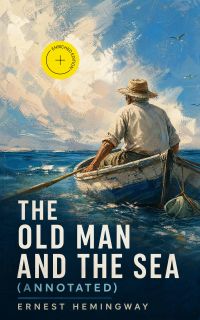
The Old Man and the Sea (Annotated)Ernest Hemingway4h 27m4.6 (1.4K)$2 · $0.00

White HotIlona Andrews13h 18m4.5 (136.9K)$5 · $0.00
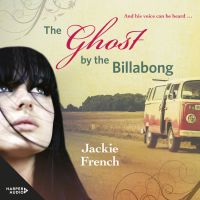
The Ghost by the Billabong (The Matilda Saga, #5)Jackie French14h 58m4.6 (773)$33 · $0.00
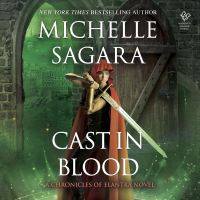
Cast in BloodMichelle Sagara16h 35m4.6 (607)$33 · $0.00
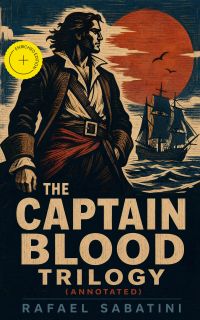
The Captain Blood Trilogy (Annotated)Rafael Sabatini29h 20m4.6 (1K)$3 · $0.00
Ship of the Line (Annotated)Cecil Louis Troughton Smith11h 13m4.6 (1K)$2 · $0.00
The George Orwell CollectionGeorge Orwell24h 46m4.5 (14.4K)$12 · $0.00
ShivajiRanjit Desai25h 13m4.6 (3.1K)$24 · $0.00
Time RegainedMarcel Proust15h 38m4.5 (9.2K)$2 · $0.00
Driving ForceElle James4h 58m4.6 (407)$20 · $0.00

When God Calls the HeartBrian Bird, Michelle Cox3h 24m4.6 (439)$10 · $0.00

Five Little IndiansMichelle Good10h 34m4.5 (64.5K)$29 · $0.00
Lolth's WarriorR. A. Salvatore13h 20m4.6 (2.4K)$33 · $0.00
Scaramouche (Annotated)Rafael Sabatini15h 24m4.6 (1.8K)$2 · $0.00
Jubal Stone: U.S. Marshal: Blood Trail To Hell: A Western Adventure NovelCasey Nash3h 42m4.6 (3.2K)$18 · $0.00
The Labyrinth of the SpiritsCarlos Ruiz Zafon27h 55m4.5 (77.2K)$53 · $0.00
Ship of the Line (Annotated)Cecil Louis Troughton Smith11h 13m4.6 (1K)$2 · $0.00
ShivajiRanjit Desai25h 13m4.6 (3.1K)$24 · $0.00
The Road to Gundagai (The Matilda Saga, #3)Jackie French12h 31m4.6 (1.2K)$33 · $0.00
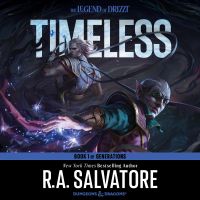
TimelessR. A. Salvatore12h 30m4.5 (8K)$33 · $0.00
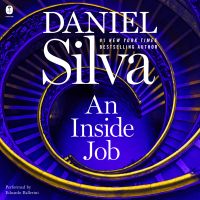
An Inside JobDaniel Silva9h 28m4.4 (26.3K)$29 · $0.00
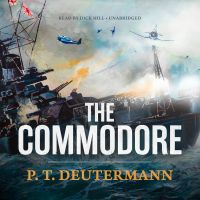
The CommodoreP. T. Deutermann11h 53m4.5 (2.4K)$20 · $0.00
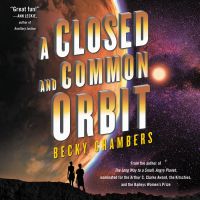
A Closed and Common OrbitBecky Chambers11h 30m4.4 (140.7K)$29 · $0.00
Thud!Terry Pratchett10h 31m4.4 (112.6K)$8 · $0.00
All Quiet on the Western Front (Annotated)Erich Maria Remarque8h 34m4.4 (12.9K)$0.99 · $0.00
Crime and punishmentFyodor Dostoevsky22h 34m4.4 (1.3M)$3 · $0.00
Exit FeeBrad Taylor3h 16m4.5 (1.9K)$18 · $0.00
The Alice NetworkKate Quinn15h 7m4.4 (887.1K)$33 · $0.00
The Ohio River Trilogy: Betty Zane, The Spirit of the Border & The Last TrailZane Grey29h 8m4.4 (1.8K)$1 · $0.00
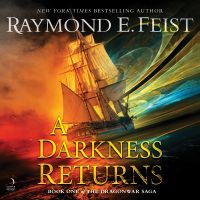
A Darkness ReturnsRaymond E. Feist19h 29m4.4 (1.9K)$40 · $0.00

THE VALLEY OF SILENT MEN (Annotated)James Oliver Curwood8h 25m4.5 (420)$2 · $0.00
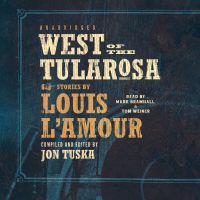
West of the TularosaLouis L’Amour5h 53m4.4 (3.6K)$20 · $0.00
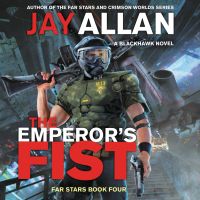
The Emperor's FistJay Allan8h 37m4.5 (272)$26 · $0.00
You may also like
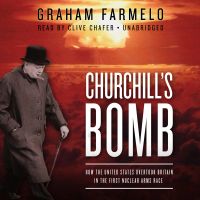
Churchill’s BombGraham Farmelo14h 19m4.0 (331)$23
The Able ArchersBrian J. Morra8h 50m4.3 (724)$20
LisbonNeill Lochery8h 30m3.9 (1.2K)$17
Cracking the Nazi CodeJason Bell10h 45m4.1 (1K)$29 · $0.00
DEFCON OneJoe Weber10h 14m3.7 (1.2K)$20
The Twilight WarDavid Crist25h 20m4.3 (1.5K)$30
A Time for TrumpetsCharles B. MacDonald28h 37m4.4 (4.2K)$30
Atomic AccidentsJames Mahaffey15h 53m4.3 (4.6K)$30
12 Seconds Of SilenceJamie Holmes12h 31m4.3 (946)$33 · $0.00
MI9Helen Fry13h 4m3.9 (1.5K)$23
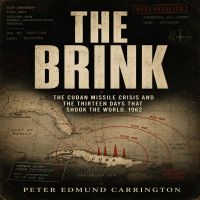
THE BRINKPeter Edmund Carrington4h 56m$9 · $0.00
Britain's Deadly Peril: Are We Told the Truth?William Le Queux5h 10m$2.30
The Secret War against HitlerWilliam Casey8h 43m3.6 (214)$17
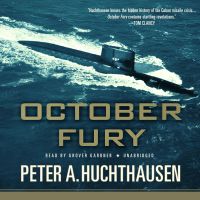
October FuryPeter A. Huchthausen10h 47m4.0 (248)$23
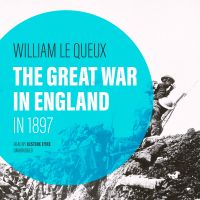
The Great War in England in 1897William Le Queux10h 30m3.1 (23)$20
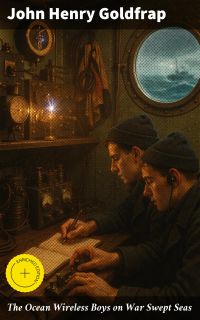
The Ocean Wireless Boys on War Swept SeasJohn Henry Goldfrap5h 20m$1 · $0.00

BombshellMax Allan Collins, Barbara Collins7h 18m3.9 (344)$17
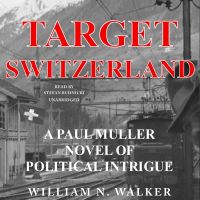
Target SwitzerlandWilliam N. Walker10h 26m$20
THE BRINKPeter Edmund Carrington5h 47m$8
THE LONG STANDOFFCatherine Emerson Gallagher6h 27m$11 · $0.00