
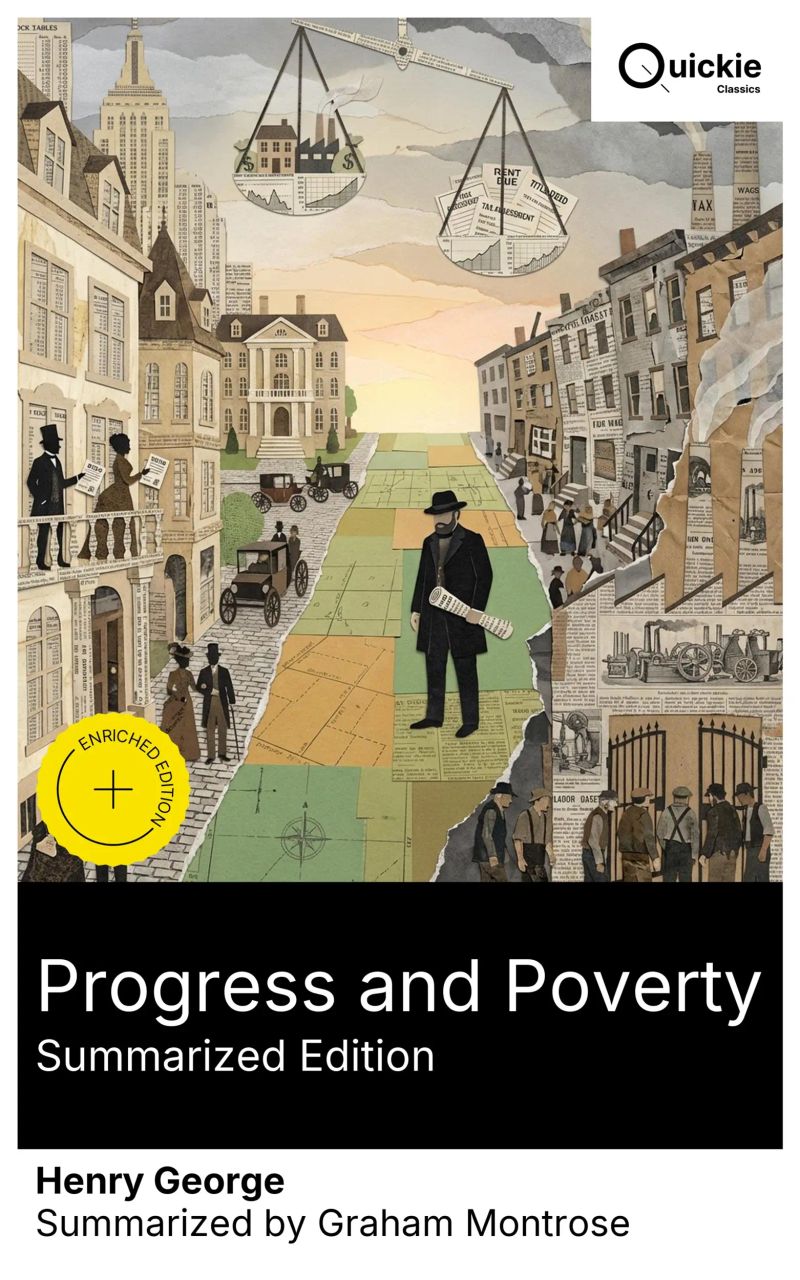
Progress and Poverty (Summarized Edition)
Enriched edition. Analyzing inequality and poverty's roots with a bold single-tax remedy in a landmark 19th-century critique of political economyBy Henry George

Length4h 50m
About this audiobook
In Progress and Poverty, Volumes I and II, Henry George tackles the puzzle of rising wealth amid persistent want. In lucid, polemical prose that fuses moral philosophy with political economy, he reworks classical theories of rent, wages, and interest, indicts speculative landholding, and advances the single tax on land values. Set against Gilded Age depressions, the work moves from diagnosis to institutional remedy. George, a self-taught printer and journalist, forged his economics from experience in California's land booms, railroad privilege, and the Long Depression of the 1870s. Observing unemployment amid mechanization and urban squalor, he embraced a natural-rights republicanism hostile to monopoly. His reporting furnished cases; his moral imagination and rigorous deduction supplied the architecture of this reformist treatise. Recommended to economists, historians, urban planners, and engaged citizens, this book provides a disciplined framework for confronting inequality, housing scarcity, and tax design. As both historical document and policy blueprint, it clarifies how public capture of land rents can align growth with justice—making George's argument strikingly contemporary and essential.
Quickie Classics summarizes timeless works with precision, preserving the author's voice and keeping the prose clear, fast, and readable—distilled, never diluted. Enriched Edition extras: Introduction · Synopsis · Historical Context · Brief Analysis · 4 Reflection Q&As · Editorial Footnotes.
Audiobook details
GenreBusiness and Economics
Length4 hrs 50 mins
Narrated byListen with 1,000+ voices
FormateBook with Audio
Publish dateJan 10, 2026
LanguageEnglish
Table of contents
1Introduction
2Introduction
3Synopsis
4Historical Context
5Progress and Poverty, Volumes I and II (pt. 1)
Show all chaptersShow less
6Progress and Poverty, Volumes I and II (pt. 2)
7Analysis
8Reflection
More from Henry George
Never Split the DifferenceChris Voss, Tahl Raz8h 7m4.4 (277.7K)$26 · $0.00
The Intelligent Investor Rev Ed.Benjamin Graham17h 48m4.3 (191.5K)$40 · $0.00
The Hard Thing About Hard ThingsBen Horowitz7h 57m4.2 (134.3K)$26 · $0.00
Boundaries for LeadersHenry Cloud7h 36m4.3 (3.6K)$26 · $0.00
Level UpRob Dial7h 42m4.6 (3.3K)$26 · $0.00
Eat It!Jordan Syatt, Michael Vacanti4h 40m4.6 (1.5K)$20 · $0.00
Progress and Poverty, Volumes I and II (Annotated)Henry George19h 21m4.6 (574)$0.99 · $0.00
Not Everything Counts but Everything Matters: The powerful and inspirational new book about leadership and achieving success from the visionary multi-premiership winning Panthers coachIvan Cleary6h 1m4.6 (680)$24 · $0.00
BuildTony Fadell11h 5m4.5 (14.3K)$8 · $0.00
The Joys Of CompoundingGautam Baid17h 34m4.5 (2.5K)$18 · $0.00
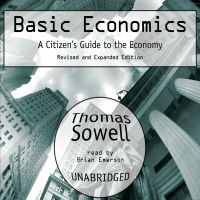
Basic EconomicsThomas Sowell18h 32m4.5 (29.3K)$28 · $0.00

Poor Charlie’s AlmanackGrover Gardener, Charles T. Munger13h 9m4.5 (24.7K)$18 · $0.00

The Ambuja StoryNarotam Sekhsaria13h 59m4.5 (830)$33 · $0.00

The Secret Door to SuccessFlorence Scovel Shinn2h 25m4.5 (2.1K)$1.20 · $0.00

This Is Going to HurtAdam Kay5h 47m4.4 (444.7K)$24 · $0.00

Big TrustShadé Zahrai, Fayçal Sekkouah8h 36m4.6 (406)$26 · $0.00
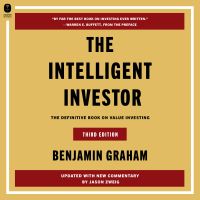
The Intelligent Investor Third EditionBenjamin Graham, Jason Zweig20h4.4 (156.6K)$46 · $0.00

Bottle of LiesKatherine Eban14h 25m4.4 (12K)$33 · $0.00

The Antiracist Business BookTrudi Lebrón6h 10m4.6 (275)$17 · $0.00
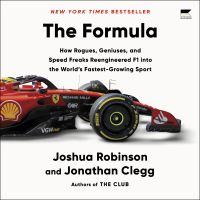
The FormulaJoshua Robinson, Jonathan Clegg10h 41m4.4 (6.9K)$29 · $0.00
You may also like
Progress and Poverty, Volumes I and II (Annotated)Henry George19h 21m4.6 (574)$0.99 · $0.00

A LETTER TO A HINDU (A Fascinating View on Love and Non-Violence) (Annotated)Leo Tolstoy, M. K. Gandhi3h 46m4.0 (1.5K)$2 · $0.00
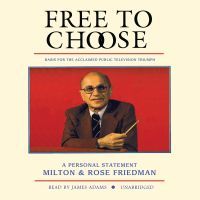
Free to ChooseMilton Friedman, Rose D. Friedman12h 16m4.2 (11.4K)$23

A Voice from the SouthAnna J. Cooper6h 46m4.4 (365)$2.30

What Shall We Do?Leo graf Tolstoy11h 50m4.2 (2.3K)$2 · $0.00
Art MattersNeil Gaiman, Chris Riddell50m4.4 (25K)$11 · $0.00

UndoctoredWilliam Davis MD15h 35m4.2 (3.7K)$23

The Kingdom of God is Within You / Christianity and Patriotism / MiscellaniesLeo graf Tolstoy16h 52m4.3 (12K)$1 · $0.00
Proposed Roads to Freedom Bertrand Russell5h 34m4.1 (1.2K)Free
Mission EconomyMariana Mazzucato6h 45m4.0 (4.1K)$24 · $0.00

Go GentlyBonnie Wright5h 35m4.2 (1.7K)$24 · $0.00

Read & RiotNadya Tolokonnikova6h 42m4.2 (1.6K)$24 · $0.00
Modern SocietyJulia Ward Howe54m$2 · $0.00
AccountableMichael O'Leary, Warren Valdmanis9h 5m4.0 (255)$29 · $0.00
Fair PayDavid Buckmaster9h 11m4.1 (91)$29 · $0.00

A Terminal Market System: New York's Most Urgent NeedMadeleine Black56m$2 · $0.00

The Acquisitive SocietyR. H. Tawney2h 59m4.1 (111)$2 · $0.00

Poverty: Its Illegal Causes and Legal CureLysander Spooner4h 49m$2 · $0.00

Constitution of the Republic of ChinaThe Government of the Republic of China1h 46m4.6 (12)$1 · $0.00

The Arts & Crafts MovementOscar Lovell Triggs3h 38m4.1 (27)$15 · $0.00