
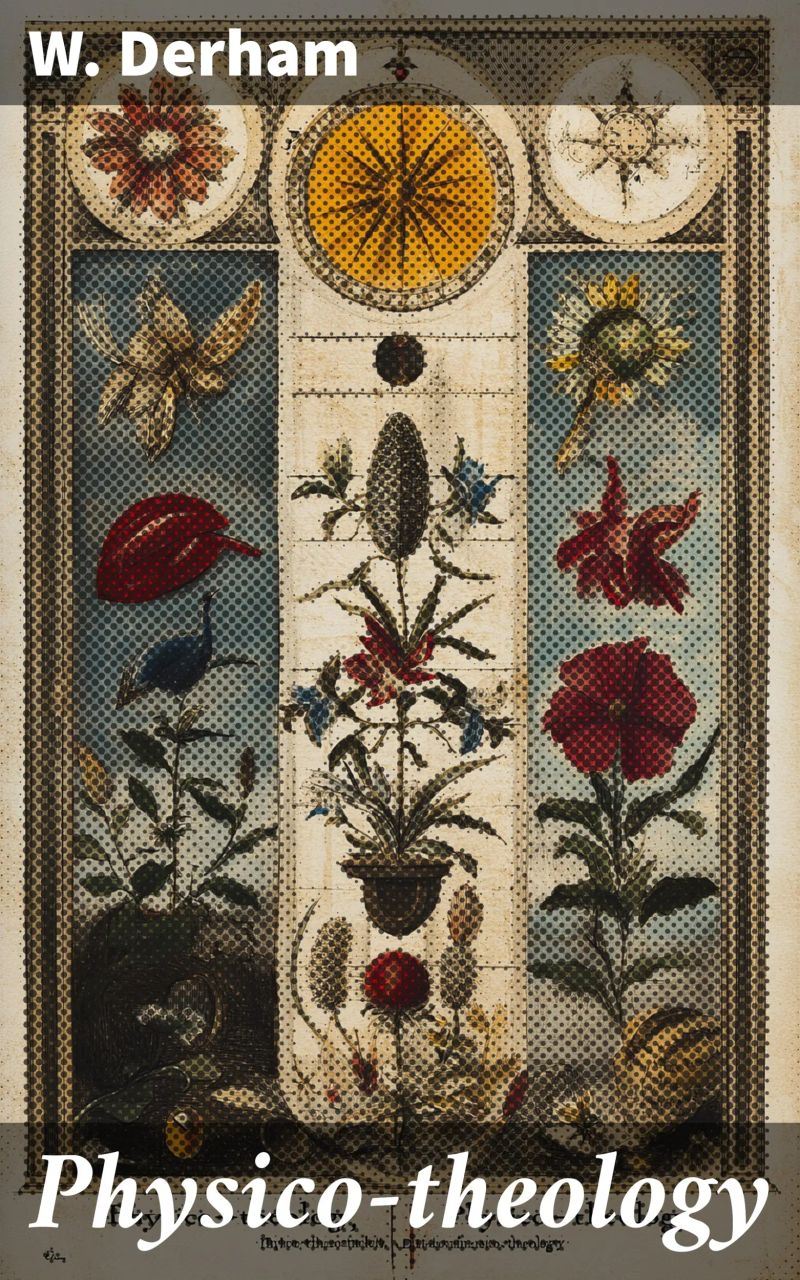
Physico-theology
Demonstration of the being and attributes of God, from His works of creationBy W. Derham


Length18h 42m
About this audiobook
In "Physico-theology," W. Derham presents an engaging synthesis of natural philosophy and theology, articulating the argument for divine design evident in the natural world. The book employs a didactic and accessible literary style, using clear prose paired with compelling examples from nature to demonstrate the harmony between science and faith during the early 18th century. Derham meticulously examines various aspects of the physical universe, including astronomy and biology, to illustrate the complexities of creation, ultimately elevating the discourse on the relationship between God and the cosmos within the burgeoning context of Enlightenment thought. W. Derham, an influential clergyman and scientist, was deeply interested in the interplay of faith and reason. His background in natural philosophy and his commitment to the Anglican Church heavily influenced his work in "Physico-theology." Living in a time when scientific exploration was paving new pathways for understanding the universe, Derham sought to reconcile traditional beliefs with emerging scientific knowledge, arguing compellingly for the existence and wisdom of God through the study of nature. For readers intrigued by the Enlightenment's impact on theology and the natural sciences, "Physico-theology" is an essential text that bridges these worlds. It appeals not only to scholars and theologians but also to any reader curious about the foundational ideas that shaped modern thought on the divine and the material universe.
Audiobook details
Rating★★★★ 3.8 (18)
Includes Goodreads
GenreSpirituality and Religion
Length18 hrs 42 mins
Narrated byListen with 1,000+ voices
FormateBook with Audio
Publish dateApr 24, 2025
LanguageEnglish
Table of contents
1Introduction
26CHAP. IV.
2FOOTNOTES:
27CHAP. V.
3TO THE READER.
28CHAP. VI.
4AN ANALYSIS OF THE Following Book.
29CHAP. VII.
5FOOTNOTES:
30CHAP. VIII.
Show all chaptersShow less
6CHAP. I.
31CHAP. IX.
7CHAP. II.
32CHAP. X.
8CHAP. III.
33CHAP. XI.
9CHAP. IV.
34CHAP. XII.
10CHAP. V.
35CHAP. XIII.
11FOOTNOTES:
36CHAP. XIV.
12CHAP. I.
37CHAP. XV.
13CHAP. II.
38CHAP. XVI.
14CHAP. III.
39CHAP. I.
15CHAP. IV.
40CHAP. II.
16CHAP. V.
41CHAP. III.
17CHAP. VI.
42CHAP. IV.
18CHAP. I.
43CHAP. V.
19CHAP. II.
44CHAP. VI.
20CHAP. III.
45CHAP. VII.
21CHAP. IV.
46CHAP. VIII.
22FOOTNOTES:
47CHAP. IX.
23CHAP. I.
48CHAP. X.
24CHAP. II.
49CHAP. I.
25CHAP. III.
50CHAP. II.

The Holy Qur-an: Text, Translation and CommentaryAbdullah Yusuf Ali22h 16m4.7 (133K)$1 · $0.00
All of Grace (Annotated)Charles Spurgeon5h 1m4.7 (1.3K)$0.99 · $0.00

Steps to ChristEllen G. White3h 12m4.7 (13.8K)$2 · $0.00
The Doctrine and Selected CovenantsJoseph Smith13h 53m4.7 (10.4K)$1.99 · $0.00

Sinners in the Hands of an Angry God & Other Sermons (Annotated)Jonathan Edwards7h 51m4.7 (1.5K)$2 · $0.00
Swayam Ki AwaazPrem Rawat8h 34m4.7 (1.1K)$26 · $0.00

Behind the BadgeAdam Davis10h 18m4.7 (2.7K)$10 · $0.00
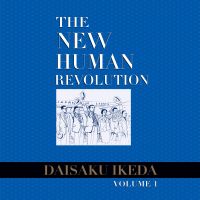
The New Human Revolution, vol. 1Daisaku Ikeda7h 46m4.7 (669)$12 · $0.00

You Are Worth ItKyle Carpenter, Don Yaeger8h 53m4.7 (4.8K)$29 · $0.00
Praying GraceDavid A. Holland3h 2m4.7 (658)$10 · $0.00

Evidence Not SeenDarlene Deibler Rose11h 11m4.6 (11.9K)$29 · $0.00

The Christ KeyChad Bird, Chad Bird7h 33m4.7 (592)$17.40 · $0.00
He and IGabrielle Bossis10h 12m4.7 (554)$17 · $0.00
Your Body Already KnowsNidhi Pandya Bhanshali9h 7m4.7 (360)$16 · $0.00

The Complete WorksFlorence Scovel Shinn7h 59m4.6 (6.6K)$2 · $0.00
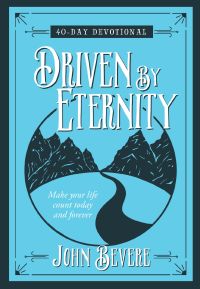
Driven by EternityJohn Bevere3h 50m4.6 (3.2K)$10 · $0.00
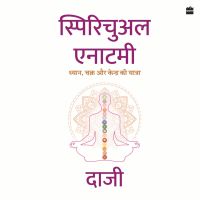
Spiritual AnatomyDaaji Kamlesh D. Patel9h 47m4.7 (319)$29 · $0.00

The Mahabharata of Krishna-Dwaipayana Vyasa Translated into English ProseAnonymous8h 1m4.7 (1.9K)$2 · $0.00
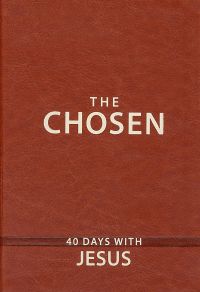
The Chosen Book OneAmanda Jenkins, Kristen Hendricks, Dallas Jenkins3h 8m4.6 (4.9K)$10 · $0.00
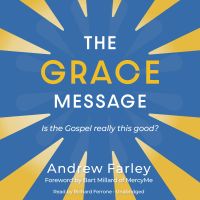
The Grace MessageAndrew Farley8h 49m4.7 (433)$20 · $0.00
You may also like

THE CRITIQUE OF JUDGMENTImmanuel Kant15h 35m4.1 (11.8K)$1.99 · $0.00

EthicsBenedictus de Spinoza8h 59m4.3 (27.7K)Free
Darwin DevolvesMichael J. Behe10h 34m4.1 (490)$29 · $0.00
NatureRalph Waldo Emerson1h 38m4.0 (9K)$2.30

The Critique of JudgmentImmanuel Kant15h 31m4.2 (10.4K)$1.99 · $0.00
A Pluralistic UniverseWilliam James7h 42m4.2 (441)$1.20 · $0.00

The Critique of Judgment (Theory of the Aesthetic Judgment & Theory of the Teleological Judgment)Immanuel Kant14h 54m4.1 (13.4K)$2 · $0.00
We Are All StardustStefan Klein8h 45m4.0 (1.2K)$20
The Critique of Judgment: Theory of the Aesthetic Judgment and Theory of the Teleological Judgment (Annotated)Immanuel Kant15h 31m4.1 (15.7K)$0.99 · $0.00
The Seasons — SummerJames Thomson1h 27m3.8 (1.4K)$2 · $0.00
The Evolution of EverythingMatt Ridley13h 10m4.0 (4.9K)$33 · $0.00
An Enquiry Concerning Human UnderstandingDavid Hume6h 43m4.1 (28K)$2 · $0.00
On Atheists and Bonobos - A Conversation with Frans de WaalHoward Burton1h 28m$3 · $0.00

Beauty and the BeastStewart Andrew McDowall2h 16m$2 · $0.00
The Philosophy of Natural TheologyWilliam Jackson14h 4m$1 · $0.00

Doing Human Rights In The Spirit Of The EnlightenmentJohn Warwick Montgomery36m$3 · $0.00

A journey through Renaissance artVictoria Charles1h 19m$13 · $0.00
Creationist Biology - Volume 2Scribe Of Christ1h 4m$6 · $0.00

A Modern ZoroastrianS. Laing9h 7m3.8 (35)$2 · $0.00

The Book of EarthAlfred Noyes6h 19m4.2 (51)$2.30