Audio only
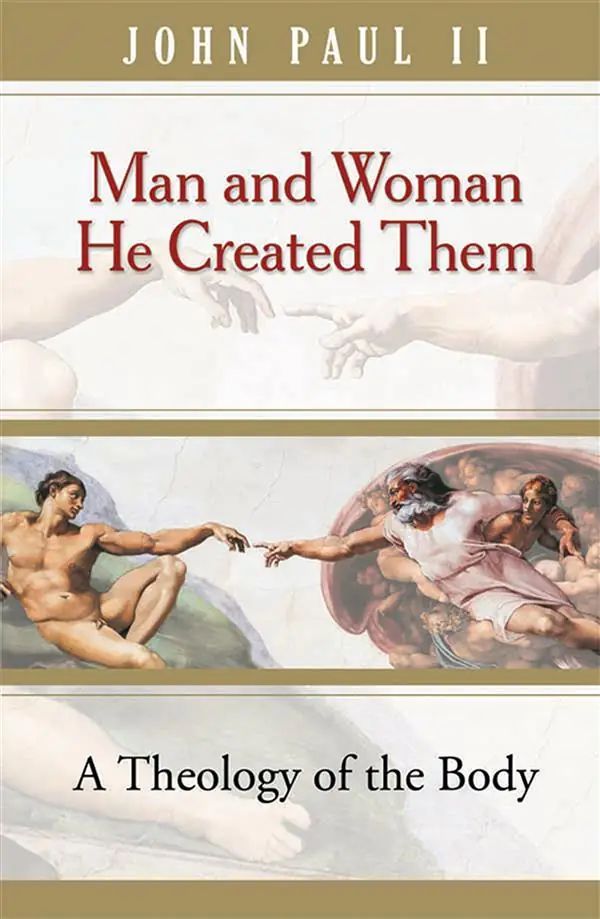
Man and Woman He Created Them
A theology of the bodyBy John Paul II, Michael WaldsteinLength33h 52m
About this audiobook
A new critical translation of Pope John Paul II's talks on the Theology of the Body by the internationally renowned biblical scholar Michael Waldstein. With meticulous scholarship and profound insight, Waldstein presents John Paul II's magnificent vision of the human person. Includes a preface by Cardinal Schönborn, a foreword by Christopher West, a comprehensive index of words and phrases, a scriptural index, and a reference table for other versions of the papal texts. Recipient of a CPA Award!
Audiobook details
GenreSpirituality and Religion
Length33 hrs 52 mins
Narrated byListen with 1,000+ voices
FormateBook with Audio
Publish dateMar 1, 2019
LanguageEnglish
Table of contents
1Introduction
128The Correct Understanding
2John Paul II’s Instructions for the Theology of the Body
129Anti-Value or Value not Sufficiently Appreciated?
3Foreword by Christoph Cardinal Schönborn
130B. The “Heart” Under Suspicion?
4Preface by Christopher West
131“Masters of Suspicion”
5Introduction by Michael Waldstein
132Essential Divergence
Show all chaptersShow less
61. The Text
133C. Eros and Ethos
7a. Textual Basis
134Eros as the Source of the “Erotic”
8b. Translation
135Ethos as an Inner Power of Eros
9c. Literary Genre, Intended Audience, and Authority
136The Problem of Erotic Spontaneity
10d. Reading of Scripture
1375. The Ethos of the Redemption of the Body
112. Wojtyła’s Carmelite Personalism
1386. Purity as “Life according to the Spirit”
12a. Gaudium et Spes, 24:3, and the Sanjuanist Triangle
139“Purity” and “Heart”
13b. Wojtyła’s Encounter with St. John of the Cross
140“Body” and “Spirit” according to St. Paul
14c. The Sanjuanist Triangle in Detail
141“Works of the Flesh” and “Fruit of the Spirit”
153. Wojtyła and Kant
142“Flesh” and “The Freedom for Which Christ Set Us Free”
16a. Bacon, Descartes, and a New Subjectivity
143Purity—“Keeping the Passions Away” or “Keeping the Body with Holiness and Reverence”?
17b. Kant’s Anti-Trinitarian Personalism
144Analysis of the Pauline “Description of the Body” (1 Cor 12:18–27)
18c. Kant and John Paul II on Sex and Marriage
145Purity as a Virtue and a Gift
194. Wojtyła and Scheler
146Purity and Wisdom
20a. Scheler’s Essentialist Personalism
1477. The Gospel of Purity of Heart—Yesterday and Today
21b. Wojtyła’s Critique of Scheler
148Theology of the Body
225. An Overview of Wojtyła’s Concerns
149Theology and Pedagogy
23a. Wojtyła’s Seven Major Works
150Appendix: The Ethos of the Body in Art and Media
24b. Faith, Experience, and Personal Subjectivity
151Chapter Three: Christ Appeals to the Resurrection
25c. The Trinitarian Nucleus of the Council
1521. The Resurrection of the Body as a Reality of the “Future World”
266. The Purpose of the Theology of the Body
153A. The Synoptics: “He Is Not God of the Dead but of the Living”
27a. Why Theology “of the Body” in Particular?
154The Third Part of the Triptych
28b. Why Humanae Vitae in Particular?
155Witness to the Power of the Living God
29a. The Overall Structure
156The New Meaning of the Body
30b. Alternate Structures
157Spiritualization
31c. The Structure in Detail
158Divinization
32d. The Main Argument
159B. Pauline Interpretation of the Resurrection in 1 Corinthians 15:42–49
33e. A Guiding Star for Reading TOB
160Final Victory over Death
34Part One: THE WORDS OF CHRIST
161The First Adam and the Last Adam
35Chapter One: Christ Appeals to the “Beginning”
1622. Continence for the Kingdom of Heaven
361. What Is Meant by “Beginning”?
163A. The Words Of Christ in Matthew 19:11–12
37Approaching Genesis
164Christ’s Word and the Rule for Understanding
38First Account of the Creation of Man
165Three Kinds of “Eunuchs”—Why?
39Second Account of the Creation of Man
166Continence for the Kingdom of Heaven and “Fruitfulness from the Spirit”
40The Perspective of the “Redemption of the Body” (Rom 8:23)
167The Expression “For the Kingdom of Heaven” Indicates Motivation
412. The Meaning of Original Solitude
168Continence and Marriage—Vocation of “Historical” Man
42A Twofold Context
169Right Understanding of the “Superiority” of Continence for the Kingdom of Heaven
43Man in Search of His Essence
170Continence for the Kingdom—Between Renunciation and Love
44Solitude and Subjectivity
171The Spousal Meaning of the Body as the Foundation of Christ’s Call to Continence
45Solitude and the Meaning of the Body
172Renunciation That Is an Affirmation
46The Alternative between Death and Immortality
173B. Paul’s Understanding of the Relation between Virginity And Marriage (1 Cor 7)
473. The Meaning of Original Unity
174Christ’s Statement and the Teaching of the Apostles
48The Unity of the Two
175Paul’s Argumentation
49Dimensions of Homogeneity
176“Concupiscence” and “Gift from God”
50“Communion of Persons”
177Conclusion of Part One: The Redemption of the Body
51“Flesh from my Flesh” (Gen 2:23)
178Part Two: THE SACRAMENT
52The Unity of Becoming “One Flesh”
179Chapter One: The Dimension of Covenant and of Grace
534. The Meaning of Original Nakedness
1801. Ephesians 5:21–33
54Introductory Observations about Genesis 2:25
181A. Introduction and Connection
55Shame—A “Boundary” Experience
182The Text of Ephesians 5:21–33
56Attempted Reconstruction
183Ephesians 5:21–33 and Christ’s Words
57Participation in the Visibility of the World
184Ephesians 5:21–33—Two Meanings of “Body”
58The Inner Dimension of Vision
185Does Ephesians 5:21–33 Speak about the Sacramentality of Marriage?
59Intimacy—The Hidden Meaning of Vision
186Sacrament and Body
605. Man in the Dimension of Gift
187Direction of the Following Analyses
61A. The Spousal Meaning of the Body
188B. Detailed Analysis
62Creation as Giving
189Ephesians 5:21–33 in the Context of Ephesians as a Whole
63Giving and Man
190The Mystery of Christ and the Vocation of the Christian
64Gift—Mystery of a Beatifying Beginning
191The Atmosphere of the Christian Community’s Life
65Discovery of the “Spousal” Meaning of the Body
192Indications for the Community of the Family
66“Freedom of the Gift”—Foundation of the Spousal Meaning of the Body
193The Spouses: “Reciprocally Subject in the Fear of Christ”
67The “Spousal Character” of the Body and the Revelation of the Person
194Analogy and Mystery (At the Foundation of the Sacramentality of Marriage)
68The Spousal Meaning of the Body as the Fruit of Rootedness in Love
195An Additional Aspect of the Analogy—Head and Body
69B. The Mystery of Original Innocence
196Two Subjects or One?
70Gift to the Human Heart
197“… As Their Own Body” (Eph 5:28)
71Original Innocence and Consciousness of the Spousal Meaning of the Body
198“This Mystery Is Great”
72Innocence at the Foundation of the Exchange of the Gift
1992. Sacrament and Mystery
73Exchange of the Gift—Interpretation of Genesis 2:25
200The Mystery Hidden from Ages Revealed and Active in Christ
74Theology of Original Innocence
201The Analogy of Spousal Love
75The Root of the Ethos of the Human Body
202Isaiah and Ephesians
76The Foundation of the Primordial Sacrament— The ody as Sign
203The Reality of the Gift, The Meaning of Grace
776. “Knowledge” and Procreation (Gen 4:1)
204Marriage as the Primordial Sacrament
78Between Poverty of Expression and Depth of Meaning
205“The Sacrament of Redemption”
79“Knowledge” as Personal Archetype
206Marriage as Figure and as Sacrament of the New Covenant
80Fatherhood and Motherhood as the Human Meaning of “Knowledge”
207The Sacraments of the Church
81Knowledge and Possession
2083. Sacrament and “Redemption of the Body”
82Knowledge Stronger than Death
209A. The Gospel
837. [Conclusion: An Integral Vision]*
210The Words of Christ and the Mystery of Redemption
84Chapter Two: Christ Appeals to the Human Heart
211The Sacrament of Redemption and the Indissolubility of Marriage
851. In the Light of the Sermon on the Mount
212Sacrament—Given as Grace and Assigned as an Ethos
86Matthew 5:27–28—“Whoever Looks to Desire…”
213Sacrament—Call to “Life according to the Spirit”
87Matthew 5:27–28—Ethical Meaning
214Sacrament and the Eschatological Hope of the “Redemption of the Body”
88Matthew 5:27–28—Anthropological Meaning
215B. Ephesians
89Matthew 5:27–28 Indicates a Further Dimension
216The Spousal and Redemptive Meaning of Love
902. The Man of Concupiscence
217Redemption of the Body and “The Sacrament of Man”
91A. The Meaning of Original Shame
218Chapter Two: The Dimension of Sign
92Casting Doubt on the Gift
2191. “Language of the Body” and the Reality of the Sign
93Man Alienated from Original Love
220The Marital Promise
94Change in the Meaning of Original Nakedness
221“Prophetism of the Body”
95“Immanent” Shame
222“Language of the Body” Reread in the Truth
96Sexual Shame
223“Language of the Body” and the Concupiscence of the Flesh
97B. Insatiability of the Union
224“Language of the Body” and “Hermeneutics of the Sacrament”
98Corruption of the Consciousness of the Unitive Meaning of the Body
2252. The Song of Songs
99A Deeper Dimension of Shame
226Resuming Genesis: Wonder
100The Meaning of “Insatiability of the Union”
227“My Sister, My Bride”
101Where Does the Insatiability of the Union Come From?
228“A Garden Closed, A Fountain Sealed”
102C. The Corruption of the Spousal Meaning of the Body
229Eros or Agape?
103Meaning—“Measure of the Heart”
2303. When the “Language of the Body” Becomes the Language of the Liturgy (Reflections on Tobit)
104Threat Against the Expression of the Spirit in the Body
231The Marriage of Tobias and Sarah
105Loss of the Freedom of the Gift
232Love as a Test
106The Inner Measure of Belonging
233The Prayer of the New Spouses
1073. Commandment and Ethos
234When the Language of the Liturgy Becomes the “Language of the Body”
108A. It Was Said, “Do Not Commit Adultery” (Mt 5:27)
235The Sacramental Sign—“Mysterium” and “Ethos”
109The History of a People
236Chapter Three He Gave Them the Law of Life as Their Inheritance
110Legislation
2371. The Ethical Problem
111The Prophets
238The Moral Norm and the Truth of the “Language of the Body”
112Covenant
239The Rightness of the Norm and Its “Practicability”
113B. “Whoever Looks to Desire…”
240Responsible Parenthood
114Shift in the Center of Gravity
241The Truth of the “Language of the Body” and the Evil of Contraception
115The Wisdom Tradition
242Ethical Regulation of Fertility (The Primacy of Virtue)
116The Inner State of the Man of Concupiscence (Sir 23:16–24)
243Ethical Regulation of Fertility: Person, Nature, and Method
117Christ’s Call to Halt at the Threshold of the Look
2442. Outline of Conjugal Spirituality
118Concupiscence—Reduction of a Perennial Call
245The Powers that Flow from Sacramental “Consecration”
119Concupiscence—“Communion” of Persons Versus “Urge” of Nature
246Analysis of the Virtue of Continence
120C. “Has Committed Adultery in the Heart ”
247Continence between “Arousal” and “Emotion”
121The “Key” Phrase
248The Gift of Reverence
122A First Reading
249Conclusion
123A Second Reading
250Index of Words and Phrases (pt. 1)
124Purity of Heart as the Fulfillment of the Commandment
251Index of Words and Phrases (pt. 2)
1254. The “Heart”—Accused or Called?
252Scripture Index
126A. Condemnation of the Body?
253Systems of Reference to TOB
127Manichaeism