
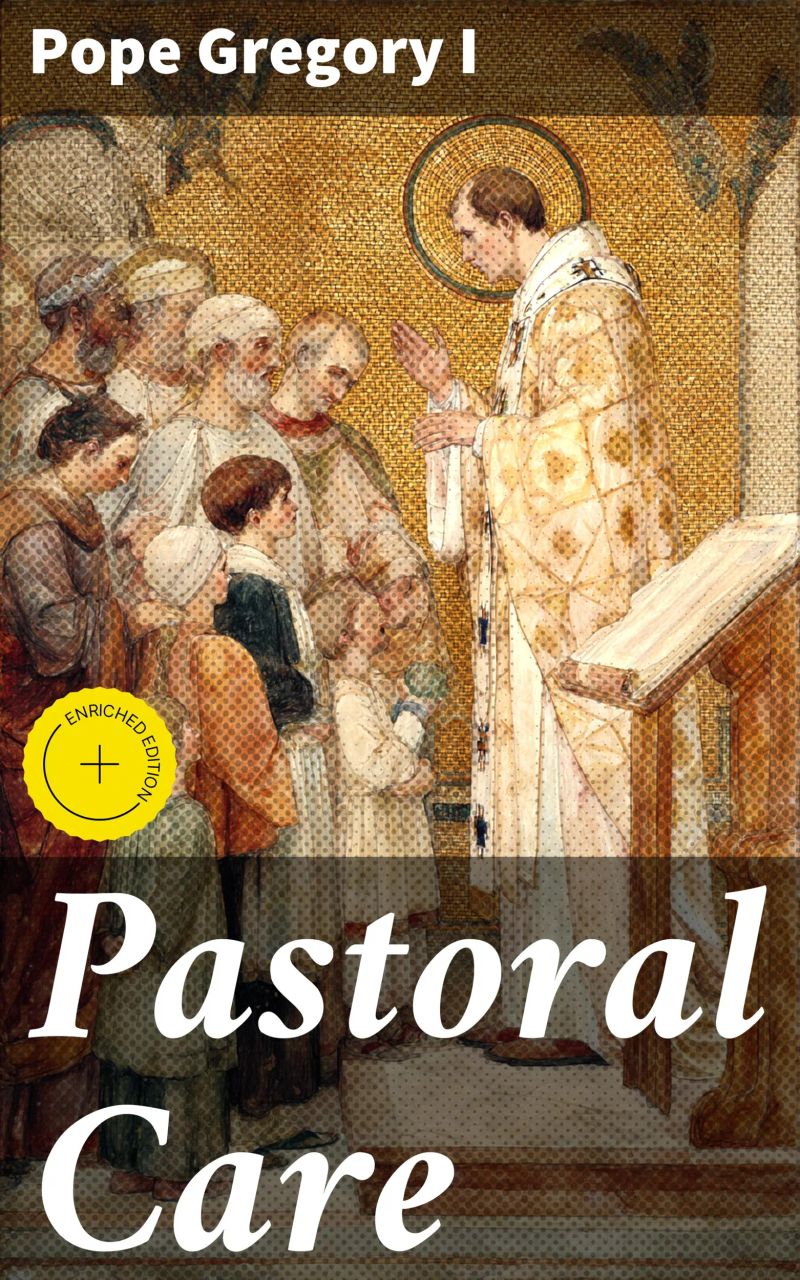
Pastoral Care
Enriched edition. Guidance for Shepherding Souls: Insights from a Medieval PopeBy Pope Gregory I


Length8h 17m
About this audiobook
In "Pastoral Care," Pope Gregory I provides a profound exploration of the responsibilities of church leaders in guiding their congregations. Written in the early 6th century, this text merges theological insights with practical advice, reflecting the intricate relationship between ecclesiastical authority and pastoral compassion. Gregory employs a didactic literary style, utilizing a conversational tone that engages the reader while addressing the spiritual and moral obligations of the clergy. The work emerges as a pivotal contribution to medieval ecclesiastical literature, laying the groundwork for the principles of pastoral theology that would influence subsequent generations of Christian leaders. Pope Gregory I, also known as Gregory the Great, served as the bishop of Rome from 590 to 604 CE and was pivotal in shaping the medieval Church. His extensive experience in ecclesiastical governance, coupled with his commitment to reform and spiritual guidance, informed his writing. Gregory's personal devotion and acumen for administration are evident in "Pastoral Care," reflecting his desire to cultivate clerical integrity during a time marked by sociopolitical upheaval and moral dilemmas within the Church. For readers interested in the intersection of theology, ethics, and pastoral practice, "Pastoral Care" stands as an essential text. It offers timeless insights into the nature of leadership, compassion, and the moral imperatives that continue to resonate in contemporary spiritual guidance. Gregory's eloquent prose invites clergy and laity alike to reflect on their roles within the community, making it a must-read for anyone invested in the realms of theology and pastoral care.
In this enriched edition, we have carefully created added value for your reading experience:
- A succinct Introduction situates the work's timeless appeal and themes.
- The Synopsis outlines the central plot, highlighting key developments without spoiling critical twists.
- A detailed Historical Context immerses you in the era's events and influences that shaped the writing.
- An Author Biography reveals milestones in the author's life, illuminating the personal insights behind the text.
- A thorough Analysis dissects symbols, motifs, and character arcs to unearth underlying meanings.
- Reflection questions prompt you to engage personally with the work's messages, connecting them to modern life.
- Hand‐picked Memorable Quotes shine a spotlight on moments of literary brilliance.
- Interactive footnotes clarify unusual references, historical allusions, and archaic phrases for an effortless, more informed read.
Audiobook details
Rating★★★★ 4.3 (1.4K)
Includes Goodreads, Amazon, LibraryThing, StoryGraph
GenreSpirituality and Religion
Length8 hrs 17 mins
Narrated byListen with 1,000+ voices
FormateBook with Audio
Publish dateDec 22, 2023
LanguageEnglish
Table of contents
1Introduction
2Introduction
3Synopsis
4Historical Context
5Author Biography
Show all chaptersShow less
6Pastoral Care
7Part I.
8Chapter I.
9Chapter II.
10Chapter III.
11Chapter IV.
12Chapter V.
13Chapter VI.
14Chapter VII.
15Chapter VIII.
16Chapter IX.
17Chapter X.
18Chapter XI.
19Chapter I.
20Chapter II.
21Chapter III.
22Chapter IV.
23Chapter V.
24Chapter VI.
25Chapter VII.
26Chapter VIII.
27Chapter IX.
28Chapter X.
29Chapter XI.
30Prologue.
31Chapter I. What diversity there ought to be in the art of preaching.
32Chapter II. How the poor and the rich should be admonished.
33Chapter III. How the joyful and the sad are to be admonished.
34Chapter IV. How subjects and prelates are to be admonished.
35Chapter V. How servants and masters are to be admonished.
36Chapter VI. How the wise and the dull are to be admonished.
37Chapter VII. How the impudent and bashful are to be admonished.
38Chapter VIII. How the forward and the faint-hearted are to be admonished.
39Chapter IX. How the impatient and the patient are to be admonished.
40Chapter X. How the kindly-disposed and the envious are to be admonished.
41Chapter XI. How the simple and the crafty are to be admonished.
42Chapter XII. How the whole and the sick are to be admonished.
43Chapter XIII. How those who fear scourges and those who contemn them are to be admonished.
44Chapter XIV. How the silent and the talkative are to be admonished.
45Chapter XV. How the slothful and the hasty are to be admonished.
46Chapter XVI. How the meek and the passionate are to be admonished.
47Chapter XVII. How the humble and the haughty are to be admonished.
48Chapter XVIII. How the obstinate and the fickle are to be admonished.
49Chapter XIX. How those who use food intemperately and those who use it sparingly are to be admonished.
50Chapter XX. How to be admonished are those who give away what is their own, and those who seize what belongs to others.
More from Pope Gregory I


Proud Police WifeRebecca Lynn4h 52m4.8 (14K)$10 · $0.00

I Hear His Whisper 365 Daily Devotions (Gift Edition)Brian Simmons, Gretchen Rodriguez9h 23m4.8 (2K)$10 · $0.00

A Little God Time for Women Morning & Evening DevotionalBroadStreet Publishing Group LLC15h 15m4.9 (1.2K)$10 · $0.00
The Chosen Presents: A Blended Harmony of the GospelsSteve Laube, Amanda Jenkins, Dallas Jenkins7h 8m4.9 (823)$10 · $0.00

Prayers from the Throne RoomBrian Simmons8h 55m4.9 (256)$10 · $0.00
31 Decrees of Blessing for Your LifePatricia King2h 38m4.8 (1.4K)$10 · $0.00

Loved BabySarah Philpott4h 51m4.8 (1.4K)$10 · $0.00

The QuranAllah23h 7m4.7 (136.1K)$1 · $0.00

The Secret of the RosaryLouis de Montfort6h 1m4.7 (16K)$2 · $0.00

The Holy Qur-an: Text, Translation and CommentaryAbdullah Yusuf Ali22h 16m4.7 (133K)$1 · $0.00

All of Grace (Annotated)Charles Spurgeon5h 1m4.7 (1.3K)$0.99 · $0.00

Steps to ChristEllen G. White3h 12m4.7 (13.8K)$2 · $0.00

The Doctrine and Selected CovenantsJoseph Smith13h 53m4.7 (10.4K)$1.99 · $0.00

Sinners in the Hands of an Angry God & Other Sermons (Annotated)Jonathan Edwards7h 51m4.7 (1.5K)$2 · $0.00

Swayam Ki AwaazPrem Rawat8h 34m4.7 (1.1K)$26 · $0.00

Behind the BadgeAdam Davis10h 18m4.7 (2.7K)$10 · $0.00

The New Human Revolution, vol. 1Daisaku Ikeda7h 46m4.7 (669)$12 · $0.00

You Are Worth ItKyle Carpenter, Don Yaeger8h 53m4.7 (4.8K)$29 · $0.00

Praying GraceDavid A. Holland3h 2m4.7 (658)$10 · $0.00

Evidence Not SeenDarlene Deibler Rose11h 11m4.6 (11.9K)$29 · $0.00
You may also like

Burn the Fat, Feed the MuscleTom Venuto11h 24m4.3 (14.9K)$20

The Pilgrim’s ProgressJohn Bunyan9h 21m4.2 (196.1K)$20

Of TemptationJohn Owen3h 41m4.5 (896)$15

LEO TOLSTOY – The Ultimate Short Stories Collection: 120+ Titles in One Volume (World Classics Series)Leo Tolstoy99h 38m4.4 (1.2K)$1 · $0.00
PersuadableAl Pittampalli7h 3m4.2 (296)$24 · $0.00
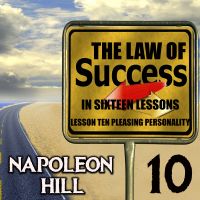
The Law of Success in Sixteen LessonsNapoleon Hill1h 14m4.4 (13.3K)$2 · $0.00
GratefulDiana Butler Bass7h 51m4.1 (1.8K)$26 · $0.00

The Roots of EnduranceJohn Piper3h 56m4.4 (1.4K)$17

Spiritual TorrentsJeanne Marie Bouvier de la Motte Guyon4h 5m4.4 (327)$2 · $0.00

Self-Control, Its Kingship and MajestyWilliam George Jordan3h 20m4.5 (757)$1 · $0.00

Do the WorkGary John Bishop2h 12m3.9 (3.3K)$16 · $0.00

Apologia Pro Vita Sua (Annotated)John Henry Newman15h 21m4.3 (4.4K)$2 · $0.00

The Way of Peace (Annotated)James Allen2h 4m4.5 (1.3K)$1.20 · $0.00

Skinny BastardRory Freedman, Kim Barnouin5h 5m3.6 (4.1K)$14 · $0.00

The wisdom of life (translated)Arthur Schopenhauer4h 5m4.2 (18.9K)$4.60 · $0.00
TANTRA - The Supreme UnderstandingOSHO16h 43m4.4 (2.1K)$20 · $0.00
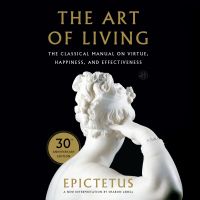
The Art of LivingEpictetus, Sharon Lebell3h 16m4.4 (50.1K)$18 · $0.00
What I BelieveLeo Tolstoy7h 52m4.2 (1.1K)$1 · $0.00

The Power of ConcentrationWilliam Walker Atkinson4h 9m3.9 (3.1K)$2 · $0.00

RadicalMaajid Nawaz10h 50m4.1 (4.4K)$20