

My Child Won’t Eat Anything That’s Green - How to Take a Calmer Approach to Picky Eating, Expand the Family Menu, and Stop Turning Every Meal into High-Level Negotiations
By Max Paradox


Length4h 49m
About this audiobook
If dinner in your house can turn one piece of broccoli into a forty-minute diplomatic incident, this book was written for you.
My Child Won’t Eat Anything That’s Green is a practical, funny guide for parents dealing with picky or selective eating without wanting every meal to become a contest of wills. Max Paradox looks at what may sit behind a child’s refusal - taste, texture, smell, predictability, tiredness, appetite, pressure, routine, or simply the fact that children occasionally treat a visible herb like evidence of criminal activity.
Instead of promising a child who suddenly asks for kale, this book focuses on something more useful: calmer meals, a broader and more workable family menu, and fewer negotiations over every bite. You will learn how to separate your child’s eating from your sense of parenting performance, observe actual patterns instead of fighting the label “picky eater,” and build enough structure around meals and snacks without turning hunger into leverage.
The book shows how common strategies can backfire: hiding food, rewarding bites, demanding “just one taste,” praising every successful mouthful, instantly cooking replacement meals, or turning relatives into an unofficial committee on your child’s plate. It also offers practical alternatives. You will learn how to use bounded choices, modular family meals, low-pressure food exposure, small sensory steps, food chaining, and realistic routines that do not require a second kitchen, an unlimited grocery budget, or a degree in vegetable diplomacy.
There is also room for real life. Illness, travel, stressful weeks, changing preferences, product shortages, restaurant meals, school lunches, and parental exhaustion all affect how flexible a child can be around food. The book explains how to distinguish a temporary setback from a worrying pattern, how to protect a few reliable food anchors without letting the whole family menu shrink around them, and when persistent restriction, distress, pain, swallowing difficulty, choking, growth concerns, or other warning signs deserve professional assessment.
Later chapters shift the goal from managing every plate to helping the child become more independent. They learn to describe what feels difficult, ask for reasonable modifications, refuse food politely, make choices from what is available, and gradually take more responsibility for feeding themselves. Parents, meanwhile, get permission to stop running the dinner table like a control room.
It is written for parents who are tired of performing nutritional negotiations at every meal, tired of comparing their child with the one who apparently “eats everything,” and tired of feeling that one untouched vegetable has somehow become a report card on family life. The tone stays firmly on the parent’s side: practical, realistic, and funny without making the child the joke.
This is not a book about winning against broccoli. It is about making food smaller again - one ordinary part of family life rather than the evening’s main conflict. The green thing may stay on the plate. Dinner can still end peacefully.
This publication was prepared using tools that support the creative process, including artificial intelligence solutions. The final concept, structure and editing are the responsibility of the author.
Audiobook details
GenreSelf-Help
Length4 hrs 49 mins
Narrated byListen with 1,000+ voices
FormateBook with Audio
Publish dateOct 18, 2026
LanguageEnglish
Table of contents
1INTRO
2Chapter 1 - This Is Not a Parenting Report Card
3Chapter 2 - Stop Fixing the Problem Before You Know What It Is
4Chapter 3 - Hunger Does Not Run on Your Schedule
5Chapter 4 - Stop Trying to Outsmart Your Own Child
Show all chaptersShow less
6Chapter 5 - Sometimes the Problem Is Not the Taste
7Chapter 6 - Your Dinner Table Does Not Need a Panel of Experts
8Chapter 7 - The Harder You Sell It, the More Suspicious It Looks
9Chapter 8 - You Do Not Need a Perfect Plate
10Chapter 9 - Give Choices Without Opening a Restaurant
11Chapter 10 - One Dinner, Several Ways Through the Plate
12Chapter 11 - Practice New Food When Dinner Is Not Watching
13Chapter 12 - New Food Needs Stepping Stones, Not a Leap of Faith
14Chapter 13 - “No” Does Not Mean “Never”
15Chapter 14 - You Do Not Have to Defeat Broccoli
16Chapter 15 - A Bad Week Does Not Erase Progress
17Chapter 16 - A Plan for the Parent Who Has Had Enough
18Chapter 17 - When This Is More Than “I Don’t Like It”
19Chapter 18 - Stop Managing It Once It Starts Working
20Chapter 19 - Teach Your Child to Speak for Their Own Plate
21Chapter 20 - Put Food Back in Its Proper Place

Rodzeństwo Znowu Kłóci Się o Powietrze - Jak reagować na konflikty między dziećmi, uczyć je dogadywania się i nie zostawać pełnoetatowym sędzią od wszystkiegoMax Paradox4h 47m$7.80 · $0.00

Wszystko Mam Zapisane. W Siedmiu Różnych Miejscach - Jak stworzyć jeden prosty system na zadania, terminy i notatki, żeby przestać szukać własnego życia między kalendarzem, kartką, czatem i aplikacjąMax Paradox4h 33m$7.80 · $0.00

I Don't Read Contracts Until It's Too Late - How to Spot the Key Clauses, Deadlines, Fees, and Automatic Renewals Without Becoming Your Own Internet, Phone, and Apartment LawyerMax Paradox4h 32m$7.80 · $0.00

Mam Kredyt i Wolę o Nim Nie Myśleć - Jak zrozumieć ratę, oprocentowanie, nadpłatę i własny plan spłaty bez codziennego sprawdzania banku ani udawania, że zobowiązanie samo zniknieMax Paradox4h 34m$7.80 · $0.00

I Have a Loan and I’d Rather Not Think About It - How to Understand Your Payment, Interest Rate, Extra Payments, and Your Own Repayment Plan Without Checking Your Bank Every Day or Pretending the Debt Will Disappear on Its OwnMax Paradox4h 37m$7.80 · $0.00

Moje Życie To 17 Niedokończonych Spraw - Jak domykać małe zaległości, przestać nosić je wszystkie w głowie i odzyskać spokój bez organizowania trzydniowej akcji naprawczejMax Paradox4h 27m$7.80 · $0.00

Wszystko Jest Pilne, Więc Nie Robię Nic - Jak ustalać priorytety, odróżniać ważne od głośnego i kończyć dzień bez poczucia, że cały czas gasiłeś cudze pożaryMax Paradox4h 56m$7.80 · $0.00

Kupiłem Najtańsze. Teraz Płacę Drugi Raz - Jak podejmować rozsądniejsze decyzje zakupowe, oceniać jakość i całkowity koszt rzeczy bez przepłacania ani kupowania wszystkiego po raz drugiMax Paradox4h 42m$7.80 · $0.00

Kupiłem To na Ratę. Teraz Mam Siedemnaście Małych Rat - Jak odzyskać kontrolę nad płatnościami odroczonymi, ratami i drobnymi zobowiązaniami, zanim „tylko 49 zł miesięcznie” stanie się drugim czynszemMax Paradox4h 21m$7.80 · $0.00

My Life Is 17 Unfinished Things - How to Close Out Small Loose Ends, Stop Carrying Them All in Your Head, and Get Your Peace Back Without Launching a Three-Day Fix-Everything OperationMax Paradox4h 35m$7.80 · $0.00

I Have Adult Siblings and We Still Fight Like It’s 2004 - How to Build a Relationship with Your Adult Brother or Sister, Talk About Family and Old Grudges, and Stop Falling Back into Childhood Roles Every Time You Get TogetherMax Paradox4h 57m$7.80 · $0.00

Mamy Dzieci i Nagle Zostaliśmy Wspólnikami - Jak nie zgubić związku między logistyką, obowiązkami i rodzicielstwem oraz przypomnieć sobie, że kiedyś rozmawialiście także o czymś innym niż zakupyMax Paradox4h 34m$7.80 · $0.00

I Have It All Written Down. In Seven Different Places - How to Create One Simple System for Tasks, Deadlines, and Notes So You Can Stop Searching for Your Own Life Between a Calendar, a Piece of Paper, a Chat, and an AppMax Paradox4h 41m$7.80 · $0.00

I Don’t Know How to Make Small Talk and I Don’t Want to Pretend I Love the Weather - How to Start Conversations, Keep in Touch, and Feel More at Ease with People Without Memorizing Twenty-Seven Artificial QuestionsMax Paradox4h 52m$7.80 · $0.00

The Kids Are Fighting Over Air Again - How to Respond to Sibling Conflicts, Teach Them to Work Things Out, and Avoid Becoming a Full-Time Referee for EverythingMax Paradox4h 31m$7.80 · $0.00

Mam Dorosłe Rodzeństwo i Wciąż Kłócimy Się Jak w 2004 - Jak ułożyć relację z dorosłym bratem lub siostrą, rozmawiać o rodzinie i dawnych pretensjach oraz przestać wracać do ról z dzieciństwa przy każdym spotkaniuMax Paradox4h 47m$7.70 · $0.00

Poranek z Dziećmi Powinien Być Dyscypliną Olimpijską - Jak uprościć rodzinne poranki, wyjść z domu na czas i ograniczyć liczbę kryzysów wywołanych skarpetką, śniadaniem i zaginionym plecakiemMax Paradox5h 1m$7.70 · $0.00

My Child Doesn't Want to Do Homework. Neither Do I - How to Build a Calmer Study Routine, Cut Down on Daily Negotiations, and Help Your Child Without Doing School for ThemMax Paradox4h 52m$7.70 · $0.00

Każde Ubezpieczenie Brzmi Jak Instrukcja do Reaktora - Jak rozumieć najważniejsze pojęcia, porównywać zakres ochrony i pilnować terminów bez czytania trzydziestu stron drobnego druku z lupąMax Paradox4h 22m$7.70 · $0.00
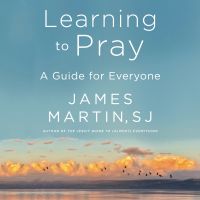
Learning to PrayJames Martin13h 24m4.5 (3.4K)$33 · $0.00

Swayam Ki AwaazPrem Rawat8h 34m4.7 (1.1K)$26 · $0.00

Forever BoyKate Swenson9h 27m4.7 (5K)$29 · $0.00

You Are Worth ItKyle Carpenter, Don Yaeger8h 53m4.7 (4.8K)$29 · $0.00

The Happiest Man on EarthEddie Jaku3h 48m4.6 (178K)$7 · $0.00

Finding MeViola Davis9h 15m4.6 (256.4K)$29 · $0.00

Spiritual AnatomyDaaji Kamlesh D. Patel9h 47m4.7 (319)$29 · $0.00

The Dangerous Truth about Today’s MarijuanaLaura Stack CSP, MBA9h 57m4.7 (385)$20 · $0.00

The Gospel according to Spiritualism (Translated)Allan Kardec14h 39m4.6 (3.9K)$5.70 · $0.00

Birdie & HarlowTaylor Wolfe7h 50m4.6 (6.5K)$26 · $0.00

CrossroadsKaleb Dahlgren7h 56m4.6 (4.9K)$26 · $0.00

Life on the BridgeKaelynn Partlow5h 40m4.6 (1.1K)$24 · $0.00

Keep Your Love OnDanny Silk9h 4m4.6 (8.1K)$10 · $0.00

The Tao of Joy Every DayDerek Lin10h 24m4.6 (762)$20 · $0.00

UndividedVicky Beeching9h 2m4.6 (1.3K)$29 · $0.00

HE CAN WHO THINKS HE CAN & OTHER BOOKS ON SUCCESSOrison Swett Marden5h 54m4.6 (1.2K)$1.99 · $0.00
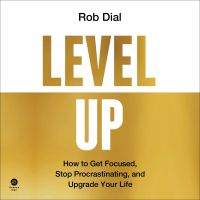
Level UpRob Dial7h 42m4.6 (3.3K)$26 · $0.00

Burn the HaystackJennie Young, PhD9h 30m4.6 (543)$29 · $0.00

ACRES OF DIAMONDS: Our Every-day Opportunities (Wisdom & Empowerment Series) (Annotated)Russell Conwell2h 26m4.6 (1K)$2 · $0.00

Good InsideBecky Kennedy9h 55m4.5 (59.3K)$29 · $0.00
You may also like

Sound MedicineKulreet Chaudhary7h 26m4.2 (892)$24 · $0.00

Dad is cool 2Marcos Piangers1h 49m4.4 (2K)$3 · $0.00

Not Even WrongPaul Collins6h 51m4.0 (1.3K)$17
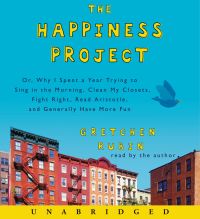
The Happiness ProjectGretchen Rubin10h 16m3.8 (211K)$29 · $0.00

I Do (I Think)Allison Raskin7h 13m4.1 (611)$22 · $0.00

Plays Well with OthersEric Barker6h 55m4.2 (4.6K)$24 · $0.00
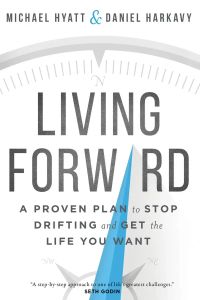
Living ForwardMichael Hyatt4h 26m4.2 (8.6K)Free

The Ultimate Guide to Baby-Led WeaningAurora Brooks1h 10m$3.50 · $0.00

Work-at-Home Businesses for Busy MothersAnthony Ekanem1h 9m$4 · $0.00

A Plea for MonogamyWilfrid Lay8h 57m$2 · $0.00

Real Estate Investing Tips For BeginnersRobert Ambrose4h 4m$10

Baby Milestones Made SimpleAudrey N. Vale1h 46m$2.30 · $0.00

Baby Milestones- A Journey of Growth and DiscoveryAurora Brooks1h 4m$3.50 · $0.00

Buying a Home in a Hot MarketDaniel Voss8h 25m$7

The Guide to Gymnastics for childrenAnna Salaris1h 35m$15 · $0.00

The Personal Finance & Wealth...Sebastian Cruz1h 22m4.9 (9) Only with Ultra
Long Days, Short YearsAndrew Bomback3h 37m3.5 (147)$15
The Psychology of Intelligent PersuasionDanniel Silva2h 46m$1.80 · $0.00

The Collected Letters of Anne Gilchrist and Walt WhitmanAnne Gilchrist7h 35m3.7 (20)$1 · $0.00

The Darwin MythBenjamin Wiker PhD4h 32m3.7 (249)$12 · $0.00