
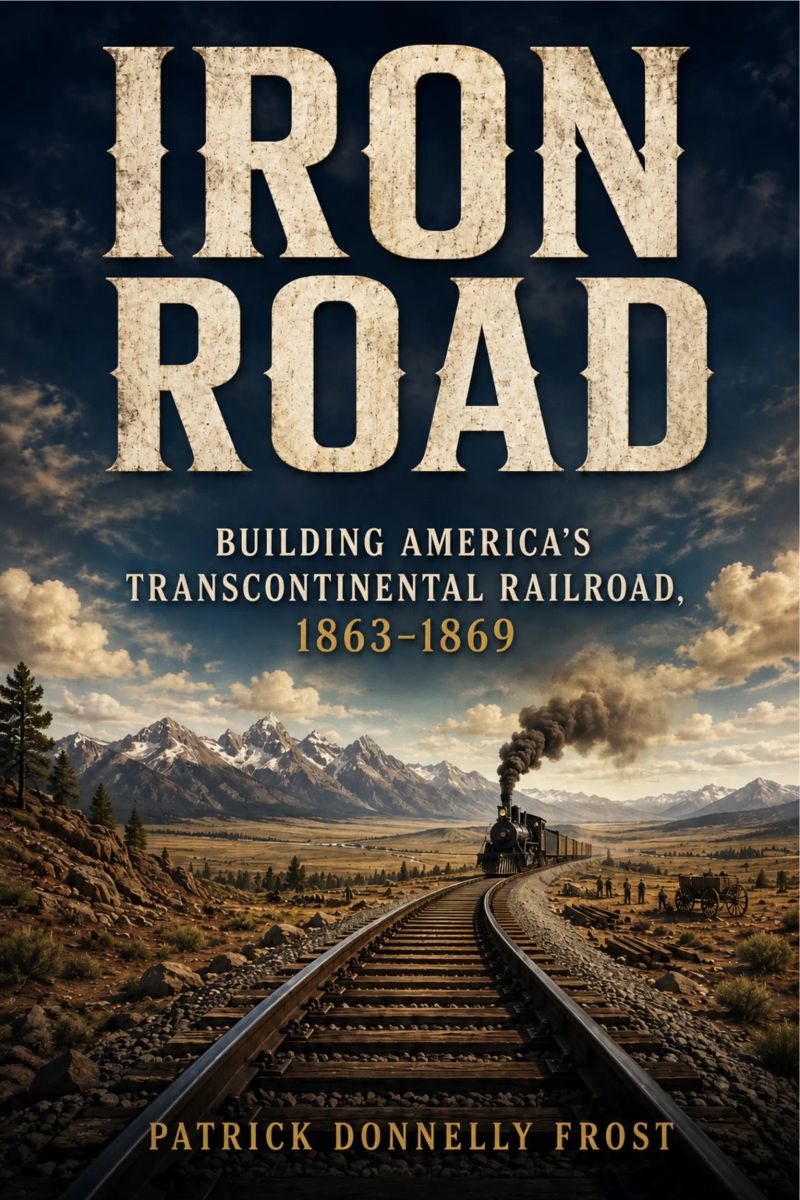
IRON ROAD
Building America's Transcontinental Railroad, 1863–1869By Patrick Donnelly Frost


Length6h 44m
About this audiobook
**It was called impossible.** Cross a continent — mountains, deserts, and a thousand miles of nothing — with iron rails laid by hand. No machines. No roads. Just men, gunpowder, and an ambition big enough to bind a nation together.
You've seen the famous photo: two locomotives meeting at Promontory Summit, the golden spike, the champagne. But that single image hides the real story — the staggering human cost, the breathtaking engineering, and the men whose backs built the line and whose names history erased. If you've ever wanted to understand how the Transcontinental Railroad actually got built — and what it truly cost — a textbook caption isn't enough.
This book is.
**IRON ROAD: Building America's Transcontinental Railroad, 1863–1869** puts you on the line itself — through the blizzards of the Sierra Nevada, across the Great Plains, and into the boardrooms where fortunes were made and stolen.
**Inside, you will discover:**
* **HOW** the Transcontinental Railroad was built — the tools, the track-laying, and the brutal mile-by-mile labor
* **WHO** actually built it — the Chinese and Irish workers, Civil War veterans, and freedmen left out of the photographs
* **THE TRUTH** about the Crédit Mobilier scandal — the greatest railroad corruption of the age
* **WHY** the Sierra Nevada nearly broke the Central Pacific — and how they beat the mountain
* **WHAT** the Iron Road cost the Native nations and the land it crossed
This isn't a dry list of dates and dignitaries. It's the Transcontinental Railroad as the epic of grit, greed, and genius it truly was.
The men who built it are gone. Their story shouldn't be.
**Scroll up and click "Buy Now" to start IRON ROAD today.**
Audiobook details
GenreHistorical Fiction, General Fiction, Mystery and Thriller
Length6 hrs 44 mins
Narrated byListen with 1,000+ voices
FormateBook with Audio
LanguageEnglish
Table of contents
1Introduction
2Author’s Note
3Prologue: The Dream of a Continent Crossed
4PART ONE: THE VISION (1830–1862)
5Chapter 1: The Dream — Asa Whitney and the Transcontinental Vision
Show all chaptersShow less
6Chapter 2: The Surveys — Four Routes and the Politics of the Railroad
7Chapter 3: The Pacific Railroad Acts — Lincoln and the Congressional Breakthrough
8Chapter 4: The Companies — Union Pacific and Central Pacific
9PART TWO: THE WORKERS (1863–1869)
10Chapter 5: The Irish — Immigrant Labor on the Union Pacific
11Chapter 6: The Chinese — Ten Thousand Workers on the Central Pacific
12Chapter 7: The Engineers — Judah, Dodge, and the Men Who Found the Route
13Chapter 8: The Bosses — Durant, Stanford, and the Men Who Profited
14PART THREE: THE BUILDING (1864–1869)
15Chapter 9: Laying Track — The Technology and Labor of Construction
16Chapter 10: Through the Sierra Nevada — The Central Pacific's Mountain Challenge
17Chapter 11: Across the Great Plains — The Union Pacific's Race Through the West
18Chapter 12: The War for the Plains — Railroad Expansion and Native Resistance
19PART FOUR: THE MONEY AND THE CORRUPTION (1864–1873)
20Chapter 13: Crédit Mobilier — The Great American Railroad Scandal
21Chapter 14: The Big Four — Stanford, Crocker, Hopkins, and Huntington
22Chapter 15: Government and Capital — Subsidies, Bonds, and Congressional Complicity
23Chapter 16: The Environmental Cost — What the Railroad Did to the Land
24PART FIVE: PROMONTORY AND AFTER (1869–1893)
25Chapter 17: The Last Miles — The Race to Promontory Summit
26Chapter 18: The Golden Spike — May 10, 1869
27Chapter 19: The Network Expands — Four More Transcontinentals
28Chapter 20: The Economic Transformation — What the Railroad Made Possible
29PART SIX: LEGACIES
30Chapter 21: The Railroad and the West — Settlement, Cities, and Change
31Chapter 22: The Railroad and Labor — The Great Strike of 1877
32Chapter 23: The Railroad and Native America — Displacement and Destruction
33Chapter 24: The Iron Road's Long Shadow — What the Transcontinental Meant
34Epilogue: The World the Railroad Made
35Acknowledgments
36Selected Bibliography
37About the Author
More from Patrick Donnelly Frost
Scaramouche (Annotated)Rafael Sabatini15h 24m4.6 (1.8K)$2 · $0.00

The Ghost by the Billabong (The Matilda Saga, #5)Jackie French14h 58m4.6 (773)$33 · $0.00

The Labyrinth of the SpiritsCarlos Ruiz Zafon27h 55m4.5 (77.2K)$53 · $0.00
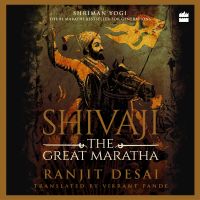
ShivajiRanjit Desai25h 13m4.6 (3.1K)$24 · $0.00

The Things We Cannot SayKelly Rimmer13h 48m4.5 (359.1K)$33 · $0.00

Lieutenant Hornblower (Annotated)C. S. Forester11h 41m4.5 (2.9K)$2 · $0.00

A Christmas Carol (Illustrated Edition)Charles Dickens3h 23m4.5 (21.2K)$1.99 · $0.00

Rilla of InglesideLucy Maud Montgomery11h 44m4.5 (48.2K)$2 · $0.00

The Viennese DressmakerKathryn Gauci11h 46m4.5 (2.1K)$23 · $0.00
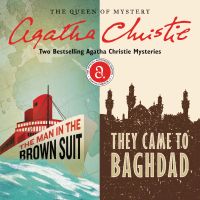
The Man in the Brown Suit & They Came to BaghdadAgatha Christie15h 43m4.6 (495)$33 · $0.00

Under the Light of the Italian MoonJennifer Anton12h 28m4.5 (5.3K)$23 · $0.00

Jubilee, 50th Anniversary EditionMargaret Walker15h 43m4.5 (9.5K)$25 · $0.00

Pride and PrejudiceJane Austen14h 44m4.4 (4.7M)$2 · $0.00

Flying Colours (Annotated)Cecil Louis Troughton Smith9h 26m4.4 (10.1K)$2 · $0.00
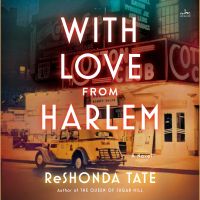
With Love from HarlemReShonda Tate13h 48m4.5 (2K)$6 · $0.00

Sweet Home Highland ChristmasMay McGoldrick, Jan Coffey2h 54m4.5 (1.4K)$7 · $0.00

Rilla of InglesideL. M. Montgomery12h 25m4.4 (67.5K)$2 · $0.00

Death Comes for the Archbishop (Annotated)Willa Cather9h 13m4.4 (4.7K)$2 · $0.00

The Alice NetworkKate Quinn15h 7m4.4 (887.1K)$33 · $0.00

The Goddess of WarsawLisa Barr13h 4m4.4 (36.4K)$33 · $0.00

WhistlerAnn Patchett10h 45m4.6 (4.6K)$29 · $0.00
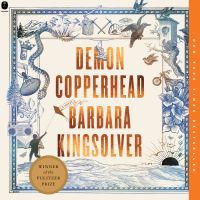
Demon CopperheadBarbara Kingsolver21h 3m4.5 (949.4K)$46 · $0.00

To Kill a MockingbirdHarper Lee12h 18m4.5 (7.4M)$29 · $0.00

Remarkably Bright CreaturesShelby Van Pelt11h 17m4.4 (1.7M)$29 · $0.00
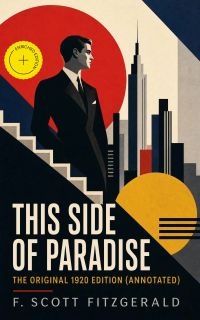
This Side of Paradise - The Original 1920 Edition (Annotated)F. Scott Fitzgerald11h 30m4.6 (1.6K)$2 · $0.00

War LordBernard Cornwell13h 21m4.6 (33.1K)$33 · $0.00
The Great Gatsby: Original 1925 Edition (An F. Scott Fitzgerald Classic NovelFrancis Scott Fitzgerald4h 45m4.6 (9.3K)$18 · $0.00
Something Like LoveBeverly Jenkins10h 21m4.6 (2.7K)$29 · $0.00
Black History CollectionFrederick Douglass, Harriet Ann Jacobs, Booker T. Washington, W.E.B. Du Bois27h 9m4.6 (2.6K)$18 · $0.00

The Old Man and the Sea (Annotated)Ernest Hemingway4h 27m4.6 (1.4K)$2 · $0.00

White HotIlona Andrews13h 18m4.5 (136.9K)$5 · $0.00
The Ghost by the Billabong (The Matilda Saga, #5)Jackie French14h 58m4.6 (773)$33 · $0.00

Cast in BloodMichelle Sagara16h 35m4.6 (607)$33 · $0.00
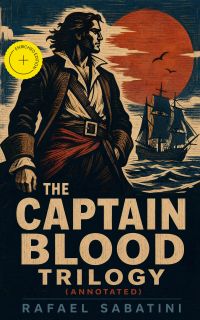
The Captain Blood Trilogy (Annotated)Rafael Sabatini29h 20m4.6 (1K)$3 · $0.00
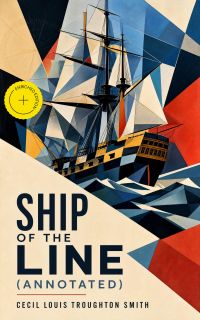
Ship of the Line (Annotated)Cecil Louis Troughton Smith11h 13m4.6 (1K)$2 · $0.00
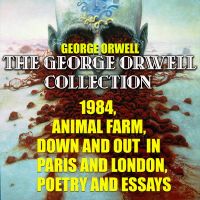
The George Orwell CollectionGeorge Orwell24h 46m4.5 (14.4K)$12 · $0.00
ShivajiRanjit Desai25h 13m4.6 (3.1K)$24 · $0.00
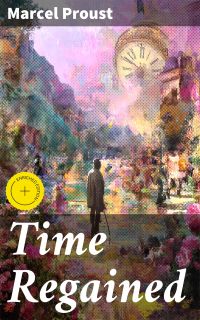
Time RegainedMarcel Proust15h 38m4.5 (9.2K)$2 · $0.00

Driving ForceElle James4h 58m4.6 (407)$20 · $0.00

When God Calls the HeartBrian Bird, Michelle Cox3h 24m4.6 (439)$10 · $0.00

The ReunionJana Deleon6h 31m4.6 (1.6K)$26 · $0.00

To Hold and ProtectSandra Owens7h 59m4.6 (1.1K)$8 · $0.00
The Adventures of Sherlock Holmes (Complete Edition)Arthur Conan Doyle12h 41m4.6 (286.7K)$1.99 · $0.00
Farewell My Lovely (Annotated)Raymond Chandler10h 37m4.6 (1.2K)$2 · $0.00
The Labyrinth of the SpiritsCarlos Ruiz Zafon27h 55m4.5 (77.2K)$53 · $0.00

Olympic Mountain PursuitJodie Bailey5h 55m4.6 (638)$12 · $0.00

Glen AffricKarine Giebel22h 51m4.5 (3.2K)$46 · $0.00

Deadly Badlands PursuitSharee Stover5h 53m4.6 (361)$12 · $0.00

Crime and Punishment (The Unabridged Garnett Translation) (Annotated)Fyodor Dostoevsky24h 25m4.5 (15.4K)$1.99 · $0.00
Three ComradesErich Maria Remarque15h 50m4.5 (47.3K)$2 · $0.00

AngelAnita Waller10h 30m4.6 (672)$30 · $0.00
The BorderDon Winslow29h 8m4.5 (35.7K)$53 · $0.00
FlashpointCatherine Coulter11h 38m4.5 (11.6K)$29 · $0.00
The Gothic Works of Edgar Allan Poe (Illustrated Edition)Edgar Allan Poe21h 5m4.5 (2.9K)$1.99 · $0.00
The Man in the Brown Suit & They Came to BaghdadAgatha Christie15h 43m4.6 (495)$33 · $0.00

Fang Si-Chi's First Love ParadiseYi-Han Lin8h 25m4.5 (4K)$26 · $0.00
The Rose CodeKate Quinn16h 2m4.4 (493.7K)$33 · $0.00

No Woman Left BehindJulie Moffett8h 49m4.5 (3K)$25 · $0.00

CovertJanie Crouch6h 15m4.5 (2K)$12 · $0.00
Cold Case InvestigationNicole Helm5h 30m4.6 (321)$5 · $0.00
You may also like

Through the Mackenzie BasinCharles Mair4h 51m$2 · $0.00
The Railway Builders, A Chronicle of Overland HighwaysOscar Douglas Skelton5h 48m$1 · $0.00
Northern California, Oregon, and the Sandwich IslandsCharles Nordhoff9h 48m$2 · $0.00
A Briefe and True Report of the New Found Land of VirginiaThomas Harriot2h 9m3.2 (133)$1 · $0.00
A Voyage of Discovery to the Southern HemisphereFrancois Peron15h 19m$1 · $0.00
Rural Rides (Annotated)William Cobbett19h 54m3.8 (417)$2 · $0.00
A Voyage of Discovery to the North Pacific Ocean (Annotated)George Vancouver.6h 10m$2 · $0.00
With the World's Great Travelers (Complete 4 Volumes)Various38h 3m$2 · $0.00

A History of Geographical Discovery in the Seventeenth and Eighteenth CenturiesEdward Heawood14h 9m$2 · $0.00
The Roman WallJ. Collingwood Bruce14h 35m4.3 (29)$2 · $0.00

Through the Malay ArchipelagoEmily Richings5h 51m$1 · $0.00
The Forgotten Man, and Other EssaysWilliam Graham Sumner20h 10m4.1 (61)$2 · $0.00

The Murray RiverArthur active 19th century Kinloch1h 33m$2 · $0.00

Business-Englisch lernen Audio - Ideen kurz präsentierenIan McMaster1h4.5 (12)$18

The Cathedrals and Churches of the Rhine (Annotated)M. F. Mansfield6h 59m$2 · $0.00

The Siberian Overland Route from Peking to PetersburgAlexander Michie12h 1m$2 · $0.00
The Discovery of Yellowstone Park (Annotated)Nathaniel Pitt Langford5h 17m4.4 (11)$2 · $0.00
The Story of the First Trans-Continental RailroadWilliam Francis Bailey3h 53m4.1 (36)$1 · $0.00
Siam : The Land of the White Elephant as It Was and Is (Annotated)George B. Bacon7h 22m$1.99 · $0.00

My Travels in MoroccoJames Richardson11h 8m$1.99 · $0.00