

I Walk Into a Room and Forget Why - How to Lighten the Load on Your Everyday Memory, Create Simple Supports and Routines, and Stop Going Back for Your Keys, Groceries, and What You Meant to Do
By Max Paradox


Length5h 3m
About this audiobook
You walk into a room with a perfectly clear purpose. Three seconds later, you are standing there wondering why you came. You leave home, get halfway to where you are going, and suddenly remember the one thing still sitting on the kitchen counter. You go shopping for something specific and return with six perfectly respectable items, none of which is the thing you actually needed. If that sounds familiar, this book was written for exactly that kind of everyday memory overload.
I Walk Into a Room and Forget Why is not a book about turning yourself into a human hard drive. Max Paradox takes a more useful approach: stop demanding that your memory carry so much in the first place.
With practical examples, sharp everyday observations, and plenty of humor, this guide shows how forgotten intentions often have less to do with "bad memory" than with overloaded attention, poor timing, interruptions, unclear next steps, too many possible locations, and systems that only work when life is unusually cooperative.
You will learn how to build simple external supports without turning your home into a control center or your phone into a device that reminds you of something every eleven minutes. The book explores fixed homes for frequently lost items, routines that survive tired and chaotic days, reminders that appear when action is actually possible, short checklists for repeatable processes, clear handoffs between steps, and simple ways to resume unfinished work without spending twenty minutes reconstructing what yesterday-you was doing.
You will also learn how to recognize different kinds of everyday forgetting instead of trying the same solution for every problem. A misplaced object needs a different fix from a forgotten intention. A missed final step is not the same as uncertainty about whether something was already done. A routine that collapses while traveling may need portable cues rather than more discipline.
Most importantly, the book helps you build a memory system that remains small enough to use. No endless productivity rituals. No expectation that you will remember everything forever. No moral crisis because you forgot one grocery item.
The goal is simpler: fewer unnecessary return trips, less searching, fewer loose obligations circling in your head, and a daily life that does not depend on remembering the right thing at exactly the right second.
Because sometimes the smartest way to improve your memory is to stop giving it quite so many jobs.
This publication was prepared using tools that support the creative process, including artificial intelligence solutions. The final concept, structure and editing are the responsibility of the author.
Audiobook details
GenreSelf-Help
Length5 hrs 3 mins
Narrated byListen with 1,000+ voices
FormateBook with Audio
Publish dateOct 11, 2026
LanguageEnglish
Table of contents
1INTRO
2Chapter 1 - The Problem Often Starts Before You Forget
3Chapter 2 - Your Brain Is Not a Waiting Room for Everything You Might Need Later
4Chapter 3 - Your Memory Did Not Fail, You Just Changed Tasks Twelve Times
5Chapter 4 - Stop Creating Secret Locations for Your Own Belongings
Show all chaptersShow less
6Chapter 5 - Build Routines for the Version of You Who Is Tired, Late, and Not Interested in Self-Improvement
7Chapter 6 - A Reminder at the Wrong Time Is Just a Well-Timed Annoyance
8Chapter 7 - The Days You Need Your Memory Most Are Often the Days It Has the Least Room to Work
9Chapter 8 - Stop Being the Human Reminder System for Everyone Around You
10Chapter 9 - Checklists Are for Things You Should Not Have to Reinvent Every Time
11Chapter 10 - You Know the Face, the Story, and the Dog's Name - Just Not the Person's Name
12Chapter 11 - Leave Future You a Starting Point, Not a Crime Scene
13Chapter 12 - If You Never Review the System, You Have Built a Very Organized Attic
14Chapter 13 - Make One Step Set Up the Next One
15Chapter 14 - Every Exception Is Another Tiny Rule Your Memory Has to Carry
16Chapter 15 - When the Place Changes, Your Habits Stay at the Old Address
17Chapter 16 - "Did I Do That?" Is a Different Problem From "Did I Remember That?"
18Chapter 17 - When Your Memory System Becomes Another Thing You Have to Remember
19Chapter 18 - Chaos Usually Returns Quietly Before It Returns Loudly
20Chapter 19 - Diagnose the Kind of Forgetting Before You Fix It
21Chapter 20 - The Goal Is Not to Remember More. It Is to Need Less Remembering

My Neighbor Is Testing My Patience - How to Handle Noise, Shared Spaces, and Everyday Friction Without Starting a Neighborhood WarMax Paradox11h 12m$7.70 · $0.00

Sąsiad testuje moją cierpliwość - Jak reagować na hałas, wspólne przestrzenie i codzienne spięcia bez rozpoczynania wojny na klatce schodowejMax Paradox9h 54m$7.70 · $0.00

Nasza przyjaźń działa tylko wtedy, kiedy piszę pierwszy - Jak rozpoznać jednostronną relację, porozmawiać o wzajemności i zdecydować, komu nadal dawać swój czasMax Paradox9h 22m$7.70 · $0.00

Our Friendship Only Works When I Text First - How to Recognize a One-Sided Friendship, Talk About Mutual Effort, and Decide Who Deserves Your TimeMax Paradox11h 7m$7.70 · $0.00

Pracuję z domu, ale chyba już mieszkam w pracy - Jak wyznaczać godziny pracy, chronić własną przestrzeń i odzyskać życie poza laptopemMax Paradox3h 5m$7.70 · $0.00

The Grandparents Help, but Only on Their Terms - How to Agree on Childcare Rules, Address Broken Agreements, and Talk Without Competing Over Who Knows BestMax Paradox4h 19m$7.70 · $0.00

The Kids Moved Out. What Am I Supposed to Do Now? - How to Find Your Own Rhythm, Build an Adult Relationship with Your Children, and Create a Life Beyond Daily ParentingMax Paradox2h 55m$7.70 · $0.00

Wszyscy mówią o AI, a ja nie wiem, od czego zacząć - Jak wykorzystać sztuczną inteligencję do codziennych spraw, sprawdzać odpowiedzi i nie oddawać jej własnego rozsądkuMax Paradox4h 16m$7.70 · $0.00

Wszystko jest teraz w aplikacji, a ja chcę tylko załatwić sprawę - Jak oswoić cyfrową codzienność, korzystać z potrzebnych usług i prosić o pomoc bez wstydu i doktoratu z klikaniaMax Paradox5h 11m$7.70 · $0.00

We Can’t Figure Out How to Live Together - How to Agree on Cleaning, Quiet, Guests, and Privacy Before Your Home Becomes a Championship of ComplaintsMax Paradox3h 37m$7.70 · $0.00

My Parents Need Help, but I Can’t Take On a Second Job - How to Agree on Care, Share Responsibilities with Family, and Support Aging Parents Without Taking Everything On YourselfMax Paradox2h 52m$7.70 · $0.00

Papierologia mnie przerasta - Jak ogarnąć dokumenty, rachunki, terminy i reklamacje bez zatrudniania sekretarki do własnego życiaMax Paradox6h 23m$7.70 · $0.00

Retirement Was Supposed to Be Freedom, Not an Endless Sunday - How to Build a Daily Rhythm, Stay Connected, and Find Purpose When Work No Longer Sets Your ScheduleMax Paradox4h 7m$7.70 · $0.00

Zostałem szefem i teraz wszyscy czegoś chcą - Jak przejść od kolegi do przełożonego, delegować zadania i prowadzić trudne rozmowy bez udawania wszechwiedzącegoMax Paradox3h 59m$7.70 · $0.00

Why Am I the Only One Who Remembers Everything? - How to Share the Planning, Shopping, and Household Tasks Without Being Everyone’s Human CalendarMax Paradox4h 38m4.5 (12)$7.70 · $0.00

Będę Za Pięć Minut. Czyli Za Dwadzieścia - Jak przestać się spóźniać, realistycznie planować wyjścia i zostawiać sobie zapas czasu bez ustawiania pięciu fałszywych alarmówMax Paradox5h 37m$7.70 · $0.00

I Bought a Car and Now I'm Afraid of Every Warning Light - How to Handle Servicing, Insurance, Costs, and Basic Car Care Without Pretending to Be a MechanicMax Paradox7h 16m$7.70 · $0.00

Guests Will Be Here in Two Hours, and I Just Noticed the Floor - How to Get Your Home, Food, and Yourself Ready for a Visit Without a Full Renovation, Twelve Courses, or Pretending It Always Looks Like ThisMax Paradox6h 57m$7.70 · $0.00

Every Account Has a Different Password. In Theory - How to Organize Passwords, Logins, Backups, and Digital Security Before Another Password Reset Drives You MadMax Paradox8h 7m$7.70 · $0.00

Chyba Właśnie Zostałem Szefem - Jak zacząć zarządzać ludźmi, delegować, dawać feedback i nie próbować robić wszystkiego samemuMax Paradox6h 3m4.7 (39)$7.70 · $0.00
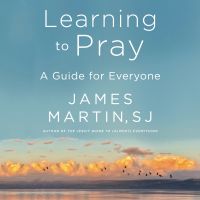
Learning to PrayJames Martin13h 24m4.5 (3.4K)$33 · $0.00

Finding MeViola Davis9h 15m4.6 (256.4K)$29 · $0.00

Spiritual AnatomyDaaji Kamlesh D. Patel9h 47m4.7 (319)$29 · $0.00

The Dangerous Truth about Today’s MarijuanaLaura Stack CSP, MBA9h 57m4.7 (385)$20 · $0.00

The Gospel according to Spiritualism (Translated)Allan Kardec14h 39m4.6 (3.9K)$5.70 · $0.00

Birdie & HarlowTaylor Wolfe7h 50m4.6 (6.5K)$26 · $0.00

CrossroadsKaleb Dahlgren7h 56m4.6 (4.9K)$26 · $0.00

Life on the BridgeKaelynn Partlow5h 40m4.6 (1.1K)$24 · $0.00

Keep Your Love OnDanny Silk9h 4m4.6 (8.1K)$10 · $0.00

The Tao of Joy Every DayDerek Lin10h 24m4.6 (762)$20 · $0.00

UndividedVicky Beeching9h 2m4.6 (1.3K)$29 · $0.00

HE CAN WHO THINKS HE CAN & OTHER BOOKS ON SUCCESSOrison Swett Marden5h 54m4.6 (1.2K)$1.99 · $0.00
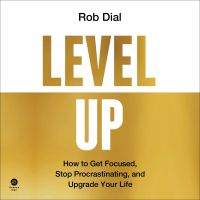
Level UpRob Dial7h 42m4.6 (3.3K)$26 · $0.00

Burn the HaystackJennie Young, PhD9h 30m4.6 (543)$29 · $0.00

ACRES OF DIAMONDS: Our Every-day Opportunities (Wisdom & Empowerment Series) (Annotated)Russell Conwell2h 26m4.6 (1K)$2 · $0.00

Good InsideBecky Kennedy9h 55m4.5 (59.3K)$29 · $0.00

The Lost VoiceGreta Morgan8h 30m4.7 (285)$26 · $0.00

Stripped DownBunnie Xo8h 25m4.5 (32.9K)$26 · $0.00

UnthinkableJamie Raskin15h 8m4.5 (9.3K)$8 · $0.00

Wallace D. Wattles Ultimate Collection Wallace D. Wattles16h 53m4.6 (1.3K)$1 · $0.00
You may also like
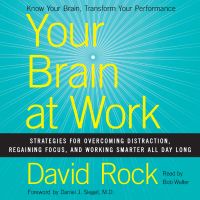
Your Brain at WorkDavid Rock9h 42m4.2 (15.2K)$29 · $0.00

Boost Your BrainMajid Fotuhi9h 58m4.1 (414)$29 · $0.00
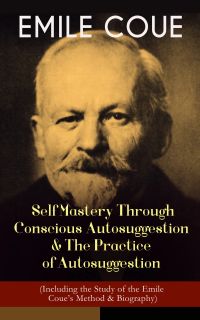
EMILE COUE: Self Mastery Through Conscious Autosuggestion & The Practice of Autosuggestion (Including the Study of the Emile Coue's Method & Biography)Emile Coue6h 9m4.2 (2.7K)$2 · $0.00

My Magic BreathNick Ortner, Alison Taylor4m4.3 (1.7K)$4 · $0.00

Super MemoryMade for Success12h 13m3.6 (25)$20

Power Speed-Reading Performance SystemLiv Montgomery2h 9m2.2 (16)$15

Sleep Better TonightDr. ElEanor Hwang6h 16m$11 · $0.00

Paperwork Is Taking Over My Life - How to Manage Documents, Bills, Deadlines, and Complaints Without Hiring a Personal SecretaryMax Paradox6h 49m$7.70 · $0.00

Master Any Subject in Four Simple Steps Using the Feynman TechniqueBenjamin Ofner2h 46m$3.50 · $0.00

The Toilet of FloraPierre-Joseph Buc'hoz2h 49m$1 · $0.00

While You SleepDanniel Silva3h 51m$1.80 · $0.00

YOUR MIND & HOW TO USE ITWilliam Walker Atkinson6h 2m3.9 (611)$1.99 · $0.00

Hypnotism for ProfessionalsKonradi Leitner2h 8m$3.40 · $0.00

The Power of Deep SleepDanniel Silva3h 36m$1.80 · $0.00

Fragile BrainScientific American7h 53m4.3 (34)$20

Recovering misplaced things - through hypnosisMichael Bauer40m$35 · $0.00

The Memory DoctorDouglas Mason, Spencer Smith3h 9m3.1 (89)$18 · $0.00

Put Anxiety to RestDr. Larry Iverson, Dr. Mort Ormon5h 17m$23

Neuroplasticity: An Easy to Read Guide on the Foundations of NeuroplasticityWilliam Schmidt2h 3m$3.50 · $0.00

Neurosurgery EssentialKnowledge Flow56m$4.10 · $0.00