
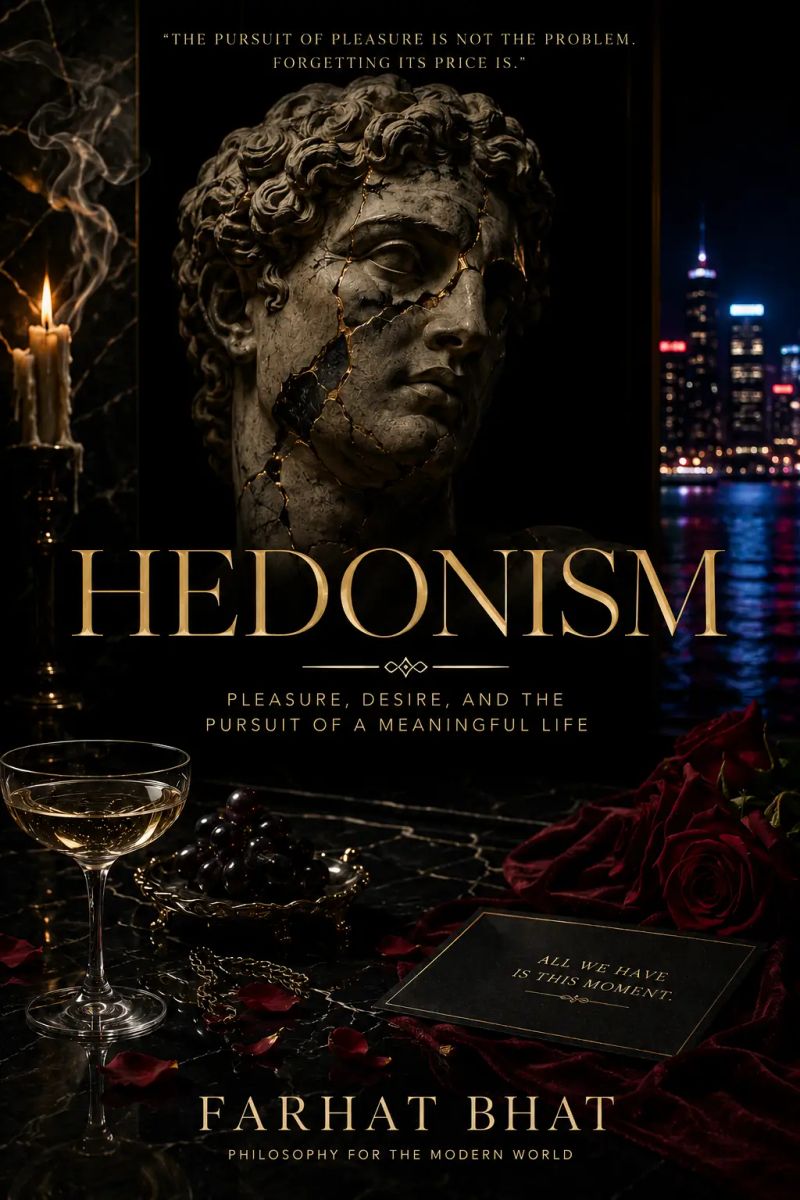


Length1h 11m
About this audiobook
**Philosophical Hedonism** is the belief that pleasure, happiness, and the avoidance of suffering are the most important goals in human life. Rooted in ancient Greek philosophy, it explores what it truly means to live well and whether fulfillment comes from enjoyment, inner peace, or emotional satisfaction.
Unlike the common stereotype of reckless indulgence, philosophical hedonism often emphasizes balance, self-awareness, and meaningful pleasure rather than excess. Thinkers such as Epicurus argued that true happiness comes not from endless luxury, but from simple joys, freedom from fear, strong relationships, and a calm mind.
hedonism asks timeless questions:
* What makes life worth living?
* Is pleasure the key to happiness?
* Can we pursue joy without losing purpose or morality?
This philosophy continues to influence modern conversations around mental health, success, desire, freedom, and personal fulfillment, making it as relevant today as it was thousands of years ago.
Audiobook details
GenrePhilosophy
Length1 hr 11 mins
Narrated byListen with 1,000+ voices
FormateBook with Audio
Publish dateMay 8, 2026
LanguageEnglish
Table of contents
1Hedonism
2Table of Contents
31. Types of Hedonism
4a. Folk Hedonism
5b. Value Hedonism and Prudential Hedonism
Show all chaptersShow less
6c. Motivational Hedonism
7d. Normative Hedonism
8e. Hedonistic Egoism
9f. Hedonistic Utilitarianism
102. The Origins of Hedonism
11a. Cārvāka
12b. Aritippus and the Cyrenaics
13c. Epicurus
14d. The Oyster Example
153. The Development of Hedonism
16a. Bentham
17b. Mill
18c. Moore
194. Contemporary Varieties of Hedonism
20a. The Main Divisions
21b. Pleasure as Sensation
22c. Pleasure as Intrinsically Valuable Experience
23d. Pleasure as Pro-Attitude
245. Contemporary Objections
25a. Pleasure is Not the Only Source of Intrinsic Value
26b. Some Pleasure is Not Valuable
27c. There is No Coherent and Unifying Definition of Pleasure
286. The Future of Hedonism
297. References and Further Reading
30a. Primary Sources
31b. Secondary and Mixed Sources
More from FARHAT BHAT


Metaphysics (Annotated)Aristotle13h 30m4.6 (1.2K)$2 · $0.00

Sceptical Essays (Annotated)Bertrand Russell9h 16m4.6 (1K)$2 · $0.00

WitnessAriel Burger8h 1m4.6 (1.3K)$20 · $0.00

The Magic PresenceGodfré Ray King10h 21m4.6 (307)$1.20 · $0.00
The Art of LivingThich Nhat Hanh5h 1m4.5 (14.2K)$24 · $0.00

Moral Letters to LuciliusLucius Annaeus Seneca24h 26m4.5 (71.7K)$0.99 · $0.00

Lessons in TruthH. Emilie Cady3h 50m4.5 (2.4K)$20 · $0.00

Letters from a StoicSeneca6h 5m4.4 (80.4K)$6 · $0.00
The Discourses of EpictetusP. E. MATHESOM12h 47m4.4 (17.7K)$1.20 · $0.00

IlluminationsWalter Benjamin10h 12m4.4 (16.2K)$20 · $0.00

That Bird Has My WingsJarvis Jay Masters9h 49m4.4 (13.7K)$29 · $0.00

Tâo Teh KingLaozi2h 34m4.4 (230.9K)$2 · $0.00

SymposiumPlato3h 26m4.4 (97.9K)$1.20 · $0.00

Buddhist Boot CampTimber Hawkeye2h 39m4.4 (8.4K)$18 · $0.00

Enchiridion & The Discourses of Epictetus (Annotated)Arrian Epictetus18h 9m4.4 (3.5K)$2 · $0.00

The Meditations of the Emperor Marcus Aurelius AntoninusEmperor of Rome Marcus Aurelius5h 41m4.4 (1.8M)$1 · $0.00

Crime and PunishmentFyodor Dostoevsky23h 11m4.4 (1.3M)$12 · $0.00

MeditationsMarcus Aurelius5h 52m4.4 (433.7K)$1 · $0.00

Everyday DharmaSuneel Gupta5h 2m4.5 (761)$20 · $0.00

The Joyful Wisdom ("La Gaya Scienza")Friedrich Wilhelm Nietzsche11h 37m4.4 (26.6K)$1 · $0.00
You may also like

THE PRINCIPLES OF PSYCHOLOGY (Complete Edition In 2 Volumes)William James63h 34m4.3 (5K)$1.99 · $0.00

BuildTony Fadell11h 5m4.5 (14.3K)$8 · $0.00

This Is Your Brain on DepressionFaith G. Harper PhD1h 49m3.9 (1.4K)$15

Unf*ck Your AnxietyFaith G. Harper PhD2h 45m4.0 (2K)$15

Warrior MindsetMichael J. Asken1h 16m4.4 (1K)$6 · $0.00
The Science of Mind - A Complete Course of Lessons in the Science of Mind and SpiritErnest S. Holmes11h 52m4.5 (16.5K)$1.70 · $0.00
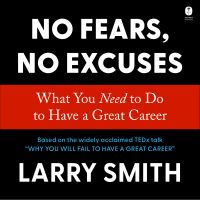
No Fears, No ExcusesLarry Smith7h 32m4.2 (726)$26 · $0.00

Bipolar Disorder: A Comprehensive Guide to Symptom Control and Daily Functioning (The Most Effective Strategies for a Great Sense of Structure, Overall Mood Enhancement, and Increased Confidence)Gary Boddie4h 4m$3.50 · $0.00
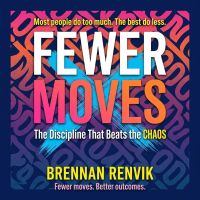
Fewer MovesBrennan Renvik9h 47m$16 · $0.00
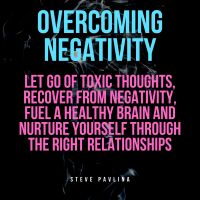
Overcoming NegativitySteve Pavlina3h 17m4.2 (27)$6 · $0.00

How to Be a Great Swim ParentChuck Warner1h 48m$15

From Hide-and-Seek to HashtagsJasper D. Merrick3h 24m$4.10 · $0.00

The Collected Works of Charlotte Perkins Gilman: Short Stories, Novels, Poems and Essays (Annotated)Charlotte Perkins Gilman69h 3m4.4 (25)$2 · $0.00

Foreign Otherness in Japanese MediaBetsy Forero Montoya10h 6m$7 · $0.00
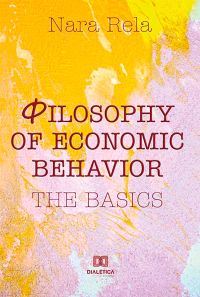
Philosophy of Economic BehaviorNara Rela10h 4m$14 · $0.00

Playing the Money GameSteve Pavlina11m$4 · $0.00

Effortless SavingOwen J. Kim4h 8m4.2 (39)$4 · $0.00

Negative Emotions: Emotional Self Help for Controlling Negative Feelings (Complete Step by Step Guide to Transforming Your Negativity Into Positive Energy)Martin Dempsey1h 41m4.1 (20)$3.50 · $0.00

Converse with Charisma!Made for Success4h 56m3.7 (126)$14

LEARNING TO RESPECT YOURSELF AND OTHERSDave Uwaifo1h 54m$11