
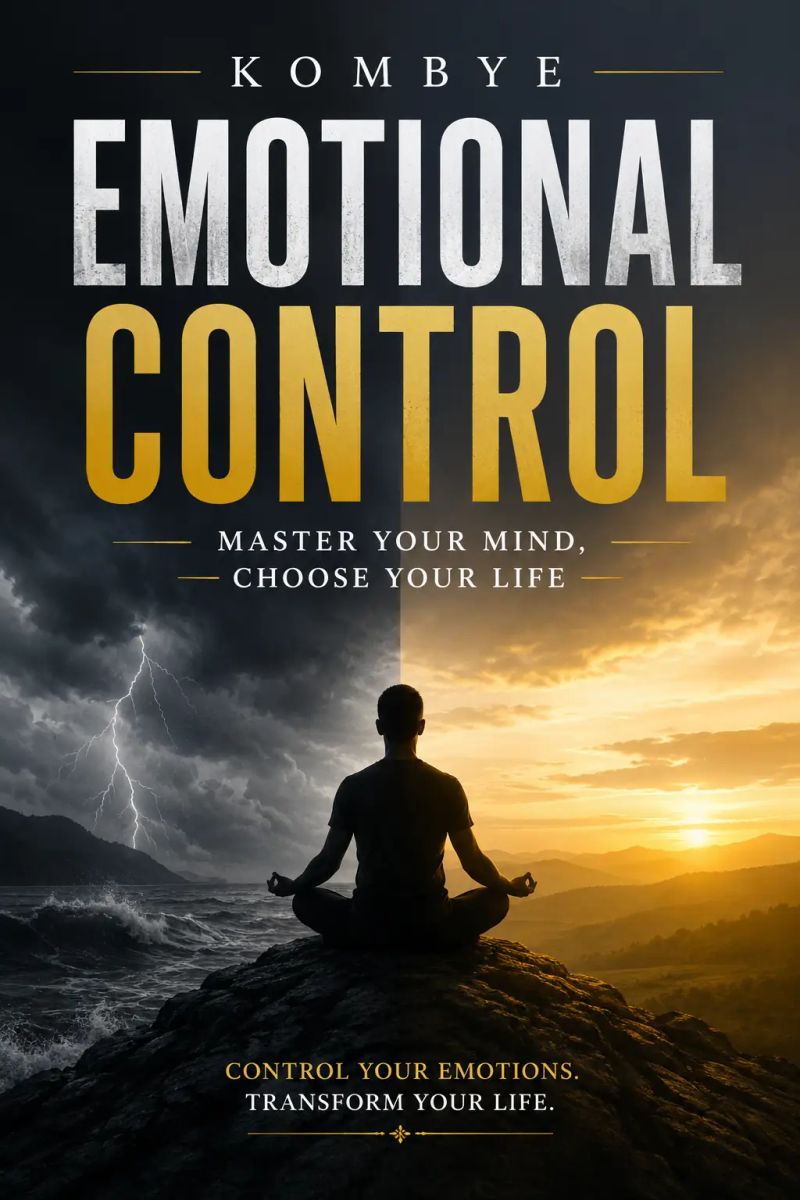


Length1h 28m
About this audiobook
Most of what gets written about emotional control is either soft pop psychology or a list of breathing tricks. This book is neither. It is a field guide to what affective neuroscience, clinical psychology, and behavioral medicine actually know about how human beings regulate what they feel — and how to apply that knowledge starting tomorrow morning.
Audiobook details
GenreSelf-Help
Length1 hr 28 mins
Narrated byListen with 1,000+ voices
FormateBook with Audio
Publish dateMar 1, 2004
LanguageEnglish
Table of contents
1Introduction
2What this book argues
3What you will learn
4What this book is not
5What emotional control actually is
Show all chaptersShow less
6Emotion versus reaction
7Why emotional control matters — what the data show
8Key takeaways
9Action steps
10Reflection questions
11Chapter 2: Why Most People Lose Control of Their Emotions
12The “amygdala hijack” — useful metaphor, imprecise neuroscience
13The main drivers of emotional dysregulation
14The emotional accumulation effect
15Key takeaways
16Action steps
17Chapter 3: The Science Behind Emotions
18A short tour of the emotional brain
19The autonomic nervous system
20Stress chemistry
21Neuroplasticity — what actually changes with practice
22The theory of constructed emotion — why it matters in practice
23Key takeaways
24Chapter 4: Self-Awareness — The Foundation of Emotional Mastery
25Why awareness comes first
26Affect labeling — the simplest intervention with the most data
27Practical affect-labeling protocol
28The “pause” — what is actually being trained
29Journaling — why it works when it works
30A simple evidence-based journaling protocol
31Action steps
32Chapter 5: Controlling Reactions in Difficult Situations
33Response vs. reaction — the mechanism
34Cognitive reappraisal — the most-studied regulation skill
35Three reappraisal techniques with evidence
36When reappraisal does not work
37The STOP technique
38Receiving criticism — a structured response
39Difficult conversation framework
40Action steps
41Chapter 6: Managing Anger, Anxiety, and Stress
42Anger
43Anxiety
44Stress
45Action steps
46Chapter 7: Building Emotional Resilience
47What resilience actually is
48What predicts resilience
49Reframing as a resilience skill
50Acceptance — what it actually means
Learning to PrayJames Martin13h 24m4.5 (3.4K)$33 · $0.00

Spiritual AnatomyDaaji Kamlesh D. Patel9h 47m4.7 (319)$29 · $0.00

The Dangerous Truth about Today’s MarijuanaLaura Stack CSP, MBA9h 57m4.7 (384)$20 · $0.00

Birdie & HarlowTaylor Wolfe7h 50m4.6 (6.5K)$26 · $0.00

CrossroadsKaleb Dahlgren7h 56m4.6 (4.9K)$26 · $0.00

Life on the BridgeKaelynn Partlow5h 40m4.6 (1.1K)$24 · $0.00

Keep Your Love OnDanny Silk9h 4m4.6 (8.1K)$10 · $0.00
The Tao of Joy Every DayDerek Lin10h 24m4.6 (762)$20 · $0.00

UndividedVicky Beeching9h 2m4.6 (1.3K)$29 · $0.00
Level UpRob Dial7h 42m4.6 (3.3K)$26 · $0.00

Burn the HaystackJennie Young, PhD9h 30m4.6 (543)$29 · $0.00

ACRES OF DIAMONDS: Our Every-day Opportunities (Wisdom & Empowerment Series) (Annotated)Russell Conwell2h 26m4.6 (1K)$2 · $0.00

Good InsideBecky Kennedy9h 55m4.5 (59.3K)$29 · $0.00

The Lost VoiceGreta Morgan8h 30m4.7 (285)$26 · $0.00

Stripped DownBunnie Xo8h 25m4.5 (32.9K)$26 · $0.00

UnthinkableJamie Raskin15h 8m4.5 (9.3K)$8 · $0.00

Wallace D. Wattles Ultimate Collection Wallace D. Wattles16h 53m4.6 (1.3K)$1 · $0.00

Inquire WithinIn-Q2h 18m4.6 (993)$16 · $0.00

Under His WingsEmily Compagno7h 16m4.6 (848)$22 · $0.00

Eat It!Jordan Syatt, Michael Vacanti4h 40m4.6 (1.5K)$20 · $0.00
You may also like

The Articulate AdvocateBrian K. Johnson, Marsha Hunter7h 45m4.2 (341)$19.70 · $0.00

The Practicing StoicWard Farnsworth9h 56m4.5 (9.2K)$20

Scientific Healing AffirmationsParamahansa Yogananda2h 24m4.4 (2.2K)$1 · $0.00
Stick with ItSean D. Young6h 57m3.9 (2.1K)$24 · $0.00

Deep Sleep - Guided MeditationMark Cosmo13m$12 · $0.00
Quick Stress Relief Techniques (a Book in the "Quick Solutions for Life" Series)Ai Percy10m$4 · $0.00
The Healing Power Of The MindVanessa Scott5h 20m$7 · $0.00
Finally Relaxed! Learn Composure, Reduce Stress and Relieve Tension Sustainably With Effective Relaxation Techniques - Incl. The Best Tips for Stress ReductionLuisa Feldkamp1h 26m$12 · $0.00

Getting Things DoneMade for Success31m4.2 (12)$5

Sacred SpacesMary Delaney54m$6 · $0.00

Why Worry?George Lincoln Walton3h 40m3.2 (26)$1 · $0.00

How To Eat Everything And Still Lose WeightEdivaldo Ascaneo20m$6 · $0.00

Obesity UnraveledUnknown Author52m$17 · $0.00
Learn PranayamasSue Fuller2h 11m$15

In the Mood AgainGenie James MMSc, C. W. Randolph Jr. MD7h3.6 (22)$17 · $0.00

Resonance in Singing and SpeakingThomas Fillebrown3h 9m4.0 (62)$1 · $0.00
ToastDr. Larry Iverson7h 34m$50
Healing Sounds for Epilepsy - Guided MeditationMiss Smilla19m$2 · $0.00

How to Stay WellChristian D. Larson8h 46m4.3 (72)$1.20 · $0.00

Yoga for ImproversSue Fuller3h 13m$15