

Audio only
Designer Drugs
The Unseen AddictionBy Willow R. Stone


Length3h 56m
About this audiobook
Introduction Designer drugs, also known as synthetic drugs, are chemically engineered substances designed to mimic the effects of traditional illicit drugs. These substances are often marketed as legal alternatives to drugs like cocaine, ecstasy, and marijuana. However, the allure of designer drugs comes with significant risks, including addiction, health complications, and legal consequences. Understanding the nature of designer drug addiction is crucial in addressing this growing issue.
Origins of Designer Drugs The creation of designer drugs can be traced back to the desire to circumvent drug laws and regulations. By altering the chemical structure of existing drugs, manufacturers can produce new substances that are not immediately classified as illegal. This loophole allows these drugs to be sold legally, often under misleading labels such as bath salts or research chemicals. The rapid evolution of designer drugs makes it challenging for authorities to keep up with new variants, contributing to their widespread availability.
Symptoms and Indicators Recognizing designer drug addiction involves identifying a range of behavioral, emotional, and physical symptoms. Individuals may exhibit signs of euphoria, increased energy, and altered perception, similar to the effects of traditional drugs. However, the unpredictable nature of designer drugs can also lead to severe side effects, including paranoia, hallucinations, and violent behavior. Physical symptoms may include rapid heart rate, high blood pressure, and seizures, highlighting the dangerous impact of these substances.
Psychological Impacts The psychological effects of designer drug addiction are profound and often long-lasting. Users may experience intense cravings, anxiety, and depression as they become dependent on the drug. The altered brain chemistry caused by these substances can lead to cognitive impairments, memory loss, and difficulty concentrating. Additionally, the social stigma associated with drug addiction can exacerbate feelings of isolation and hopelessness, making it difficult for individuals to seek help.
Audiobook details
GenreSelf-Help
Length3 hrs 56 mins
Narrated byListen with 1,000+ voices
FormateBook with Audio
Publish dateOct 14, 2026
LanguageEnglish
Table of contents
1Have Questions / Comments?
2Get Free Stuff
31. Designer Drugs: The Synthetic High
42. A Short History of Designer Drugs
53. The Chemical Families: Stimulants, Depressants, and More
Show all chaptersShow less
64. How Designer Drugs Rewire the Brain
75. The Global Spread of Designer Drugs
86. Who Uses Designer Drugs and Why
97. Myths, Parties, and Peer Pressure: The Attraction
108. The Body's Toll: Short- and Long-Term Dangers
119. The Legal Maze: Laws and Enforcement
1210. The Science of Addiction: Tolerance and Dependence
1311. Mental Health, Trauma, and the Addiction Link
1412. Recognizing the Signs of Designer Drug Abuse
1513. How Family and Friends Can Help
1614. Intervention: When and How to Step In
1715. Treatment and Rehabilitation: A Path Forward
1816. Recovery and Relapse Prevention
1917. Protecting the Next Generation: Prevention and Education
20Frequently Asked Questions
21More Frequently Asked Questions
22Common Myths About Designer Drugs
23Common Myths: Additional Myths About Designer Drugs

PsychotherapyWillow R. Stone4h 30m$4 · $0.00
Codeine AddictionsWillow R. Stone4h 5m$4 · $0.00

Shopping AddictsWillow R. Stone3h 59m$4 · $0.00

Cannabis ControlWillow R. Stone3h 54m$4 · $0.00

BenzodiazepineWillow R. Stone4h 18m$4.10 · $0.00

PsychotherapyWillow R. Stone4h 32m$4.10 · $0.00
Barbiturate AddictionWillow R. Stone3h 58m$4.10 · $0.00
Lost in EcstasyWillow R. Stone3h 34m$4.10 · $0.00

Cocaine AddictionWillow R. Stone1h 49m$2.40 · $0.00

Cannabis ControlWillow R. Stone3h 57m$4.10 · $0.00

Fighting FentanylWillow R. Stone3h 58m$4.10 · $0.00

Designer DrugsWillow R. Stone4h$4.10 · $0.00

Shopping AddictsWillow R. Stone4h 2m$4.10 · $0.00

Hooked on MusclesWillow R. Stone4h 9m$4.10 · $0.00
Codeine AddictionsWillow R. Stone4h 8m$4.10 · $0.00

Don't Look AwayWillow R. Stone11h 8m$4.10 · $0.00

Authentic VoicesWillow R. Stone1h 20m$3.50 · $0.00

Mastering First ImpressionsWillow R. Stone6h 52m$6.40 · $0.00

Harnessing Power and InfluenceWillow R. Stone6h 17m$6.40 · $0.00
Learning to PrayJames Martin13h 24m4.5 (3.4K)$33 · $0.00

Autism Out Loud: the instant New York Times Bestseller. Moving Stories and Parenting Lessons Learned from Three Mothers of Children with AutismKate Swenson, Carrie Cariello, Adrian Wood8h 41m4.8 (2.1K)$26 · $0.00

The StepsSylvester Stallone9h 4m4.8 (635)$29 · $0.00

Swayam Ki AwaazPrem Rawat8h 34m4.7 (1.1K)$26 · $0.00

Forever BoyKate Swenson9h 27m4.7 (5K)$29 · $0.00

You Are Worth ItKyle Carpenter, Don Yaeger8h 53m4.7 (4.8K)$29 · $0.00

The Happiest Man on EarthEddie Jaku3h 48m4.6 (178K)$7 · $0.00

Finding MeViola Davis9h 15m4.6 (256.4K)$29 · $0.00

Spiritual AnatomyDaaji Kamlesh D. Patel9h 47m4.7 (319)$29 · $0.00

The Dangerous Truth about Today’s MarijuanaLaura Stack CSP, MBA9h 57m4.7 (385)$20 · $0.00

The Gospel according to Spiritualism (Translated)Allan Kardec14h 39m4.6 (3.9K)$5.70 · $0.00

Birdie & HarlowTaylor Wolfe7h 50m4.6 (6.5K)$26 · $0.00

CrossroadsKaleb Dahlgren7h 56m4.6 (4.9K)$26 · $0.00

Life on the BridgeKaelynn Partlow5h 40m4.6 (1.1K)$24 · $0.00

Keep Your Love OnDanny Silk9h 4m4.6 (8.1K)$10 · $0.00

The Tao of Joy Every DayDerek Lin10h 24m4.6 (762)$20 · $0.00

UndividedVicky Beeching9h 2m4.6 (1.3K)$29 · $0.00

HE CAN WHO THINKS HE CAN & OTHER BOOKS ON SUCCESSOrison Swett Marden5h 54m4.6 (1.2K)$1.99 · $0.00
Level UpRob Dial7h 42m4.6 (3.3K)$26 · $0.00

Burn the HaystackJennie Young, PhD9h 30m4.6 (543)$29 · $0.00
You may also like

How to Own Your Own MindNapoleon Hill7h 45m4.2 (3.5K)$20
Quiet LeadershipDavid Rock6h 57m4.1 (2.7K)$24 · $0.00
Say Less, Get MoreFotini Iconomopoulos7h 51m4.3 (261)$26 · $0.00
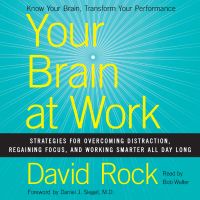
Your Brain at WorkDavid Rock9h 42m4.2 (15.2K)$29 · $0.00
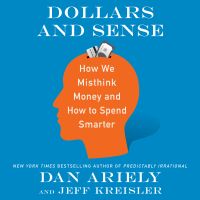
Dollars and SenseDan Ariely, Jeff Kreisler9h 12m4.1 (7.4K)$29 · $0.00
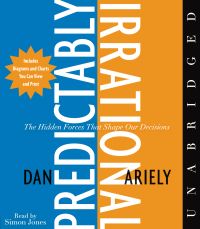
The Predictably IrrationalDan Ariely7h 24m4.2 (370.5K)$24 · $0.00
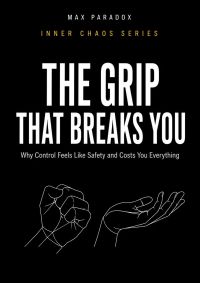
The Grip That Breaks You - Why Control Feels Like Safety and Costs You EverythingMax Paradox5h 27m4.5 (157)$7.70 · $0.00
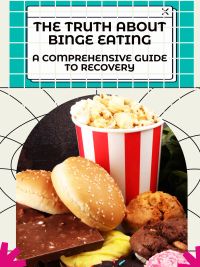
The Truth About Binge EatingChef Emilia Santos4h 24m$4 · $0.00
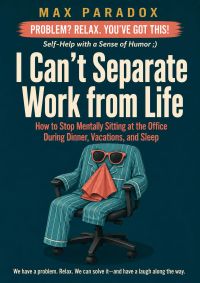
I Can't Separate Work from Life - How to Stop Mentally Sitting at the Office During Dinner, Vacations, and SleepMax Paradox6h 9m$7.70 · $0.00
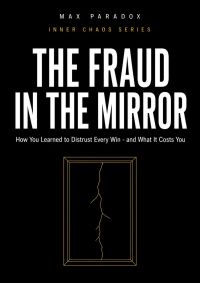
The Fraud in the Mirror - How You Learned to Distrust Every Win - and What It Costs YouMax Paradox6h 27m$7.70 · $0.00
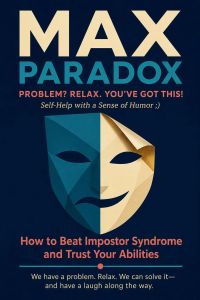
How to Beat Impostor Syndrome and Trust Your AbilitiesMax Paradox6h 23m$7.70 · $0.00

I’m Not Lazy, I’m Waiting for Motivation - Why Doing Nothing Feels Like a Full-Time JobMax Paradox2h 19m$7.70 · $0.00
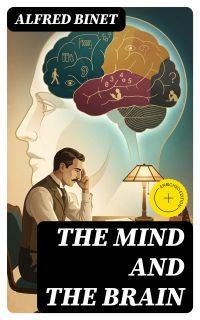
The Mind and the Brain (Annotated)Alfred Binet7h 44m3.7 (77)$1.99 · $0.00

Everyone Else Has It Better Than Me - How to Stop Comparing Your Life to Someone Else's Highlight ReelMax Paradox7h 7m$7.70 · $0.00
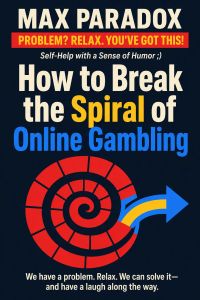
How to Break the Spiral of Online GamblingMax Paradox5h 42m$7.70 · $0.00
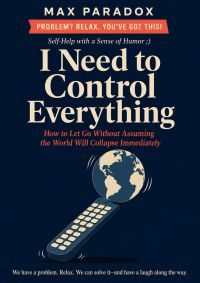
I Need to Control Everything - How to Let Go Without Assuming the World Will Collapse ImmediatelyMax Paradox7h$7.70 · $0.00
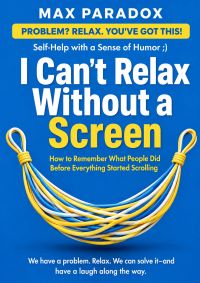
I Can't Relax Without a Screen - How to Remember What People Did Before Everything Started ScrollingMax Paradox7h 22m$7.70 · $0.00
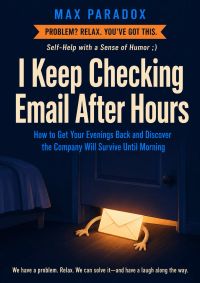
I Keep Checking Email After Hours - How to Get Your Evenings Back and Discover the Company Will Survive Until MorningMax Paradox6h 26m$7.70 · $0.00
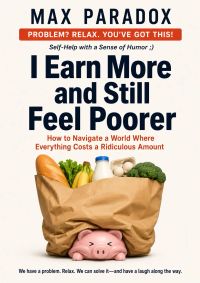
I Earn More and Still Feel Poorer - How to Navigate a World Where Everything Costs a Ridiculous AmountMax Paradox7h 29m$7.70 · $0.00
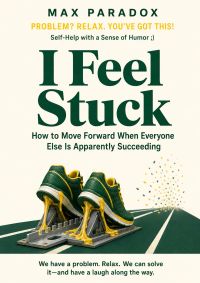
I Feel Stuck - How to Move Forward When Everyone Else Is Apparently SucceedingMax Paradox6h 15m$7.70 · $0.00